
Shantipur Bama Kali Dance 2026: Iconic Ritual Moves to Bejpara Ground After Decades at Barabazar
The famous Bama Kali dance of Shantipur in Nadia district, West Bengal, was held at a new venue this year. On the night of Monday, 9 November 2026, the day after Kali Puja, the towering idol of Maa Bama Kali "danced" on the shoulders of her devotees at the large Bejpara ground, about 500 metres from
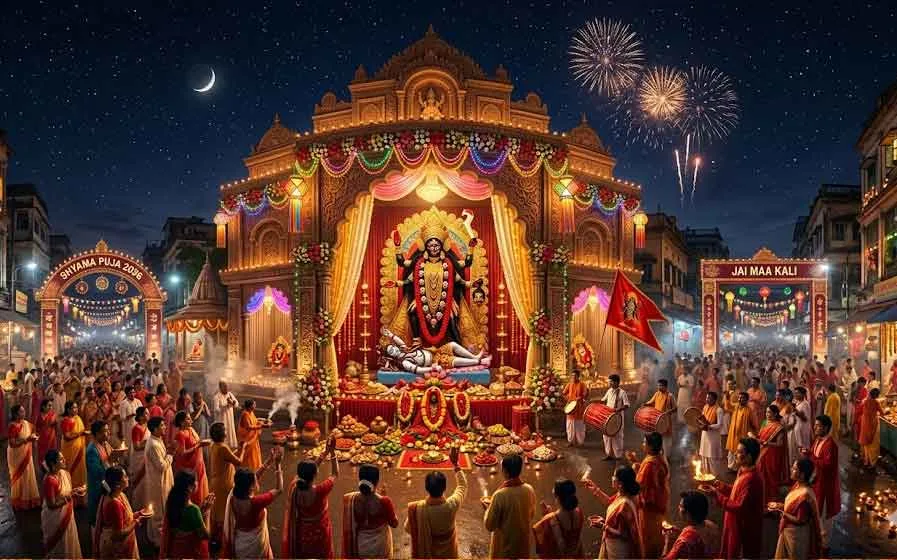
The famous Bama Kali dance of Shantipur in Nadia district, West Bengal, was held at a new venue this year. On the night of Monday, 9 November 2026, the day after Kali Puja, the towering idol of Maa Bama Kali "danced" on the shoulders of her devotees at the large Bejpara ground, about 500 metres from the Barabazar crossing where the ritual had been held for decades.
The rhythmic dhak beats, flaming torches and the swaying Tantric idol, which seems to come alive as the goddess herself dances, drew devotees from across Bengal and beyond.
Bama Kali dance 2026 at a glance
- What: The Bama Kali dance (Bamakali naach) after Kali Puja
- Where: Bejpara ground, Shantipur, Nadia district, West Bengal
- When: Night of Monday, 9 November 2026
- Old venue: Barabazar crossing, Shantipur
- Why the move: crowd and traffic control, after the narrow Barabazar area became hard to manage
What is the Bama Kali dance?
Bama Kali is a fierce, left-sided ("bama") Tantric form of Goddess Kali, so called because her left foot rests on Lord Shiva's chest. In Shantipur, after Kali Puja, devotees carry the massive idol on a bamboo frame on their shoulders. Moving together in rhythmic, synchronised waves to the thunder of dhaks, they create the powerful illusion that Maa Kali herself is dancing. Torches light the night, incense fills the air, and chants of "Jai Maa Kali" rise from the crowds.
The bearers are not performers but devotees, who keep fasts and ritual purity and become the vehicle for the goddess's movement. The ritual is rooted in the Shakta and Tantric traditions of Nadia, one of Bengal's great centres of devotion.
According to local accounts, this puja began in 1969 as a ghat (sacred pot) worship, with the idol introduced the following year. Folklore links the dancing procession to much older Shakta customs of the region.
Why the venue changed
In recent years the Bama Kali dance has become a social-media sensation, and crowds have grown far beyond what the narrow lanes around Barabazar can hold. After problems managing crowds and traffic in 2025, the puja committee, police and local administration agreed to shift the dance to the Bejpara ground. Organisers said the decision was taken before Durga Puja, although some reports linked it to the wider safety drive after the Chorbagan stampede in Kolkata this season.
The new ground can hold around 50,000 spectators, according to the organisers' plan. The dance area was barricaded so that only the idol bearers could enter, with a separate enclosure for visitors, police and volunteers on duty, fire brigade, ambulance and medical teams on standby, and separate parking to ease traffic.
Tradition and adaptation
The new location changed the setting, not the spirit. The idol swaying under torchlight, the hypnotic drumming and the collective devotion of the crowd were as powerful as ever, and videos of the dance spread widely the next day. Shantipur's Bama Kali shows how Bengal's festivals blend fierce Shakti worship, community participation and rhythmic artistry, and can adapt for safety without losing their core.
Shantipur is also known for its Rash Yatra and its many old Kali temples. For more on Bengal's Kali traditions, see the Kalighat Kali Temple and Chief Minister Suvendu Adhikari's prayers at Lake Kalibari.
Jai Maa Bama Kali!
Frequently Asked Questions
When was the Shantipur Bama Kali dance in 2026?
On the night of Monday, 9 November 2026, the day after Kali Puja.
Where was the Bama Kali dance held this year?
At the Bejpara ground in Shantipur, about 500 metres from its old venue at the Barabazar crossing.
Why was the Bama Kali dance moved?
For crowd and traffic control. The narrow Barabazar area had become hard to manage as crowds grew, and the puja committee, police and administration agreed on the larger ground.
What is Bama Kali?
A fierce Tantric form of Goddess Kali whose left foot rests on Lord Shiva's chest. "Bama" means left.
How does the idol "dance"?
Devotees carry the idol on a bamboo frame and move in synchronised rhythm to the dhak, so that the goddess appears to dance.
Share this with family and friends
Send it on WhatsApp, post it, or copy the link.
More from News
- Mumbai: BMC Bans Rockets and Aerial Firecrackers Till November 25 After Spate of Fire Incidents
- Kolkata: West Bengal Chief Minister Suvendu Adhikari Offers Prayers at Lake Kalibari
- Nagpur: RSS Chief Mohan Bhagwat Unveils Statue of Chhatrapati Shivaji Maharaj at Senior Bhonsla Palace
- Gujarati New Year 2026: Vikram Samvat 2083 Begins as Devotees Visit Somnath Temple to Seek Divine Blessings
- Bhagyalakshmi Temple Khazana 2026: Huge Devotee Crowds Gather Near Hyderabad Charminar for Goddess Lakshmi Silver Coin Distribution
You might also like
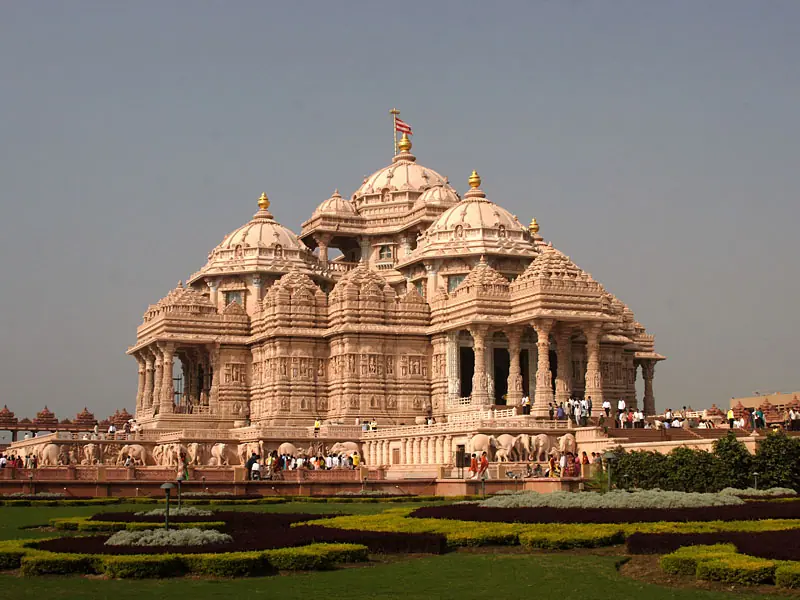
Delhi Akshardham Celebrates Grand Annakoototsav 2026 and Govardhan Puja
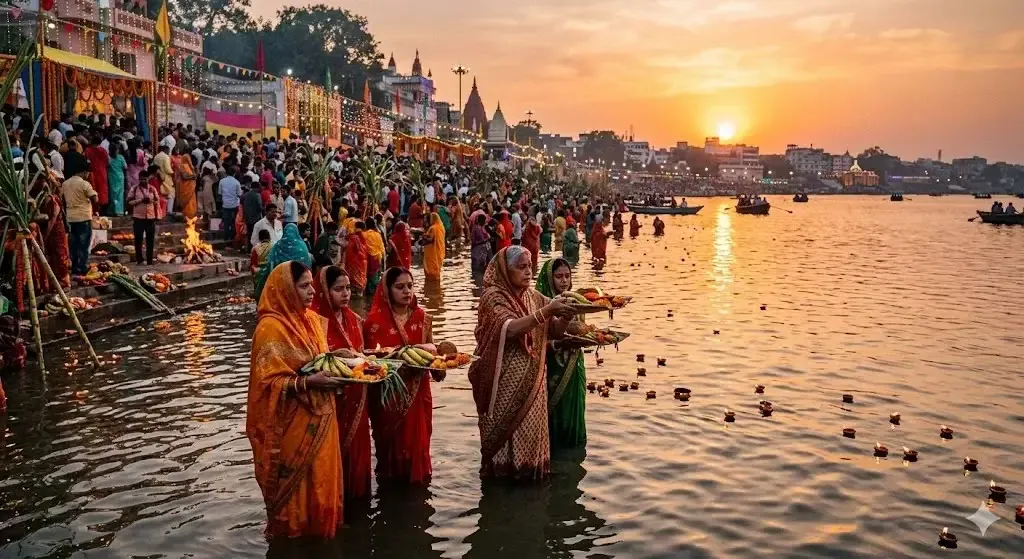
Preparations in Full Swing at Yamuna Ghat in ITO Ahead of Chhath Puja 2026
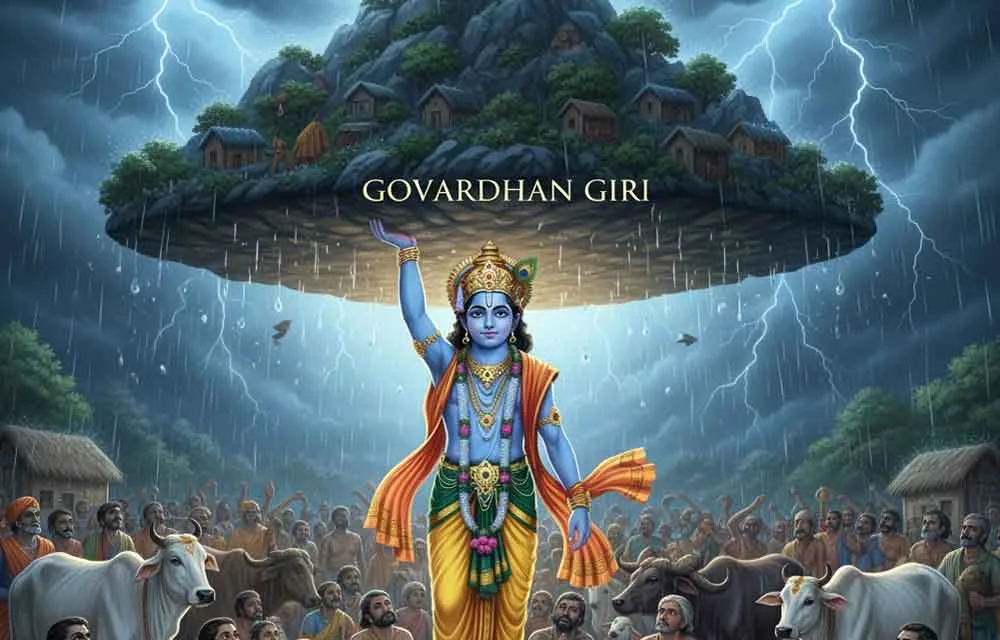
PM Narendra Modi Extends Warm Greetings on Govardhan Puja 2026, Shares Verse on Govardhan-dhari Krishna
