
Govardhan Puja
24 articles
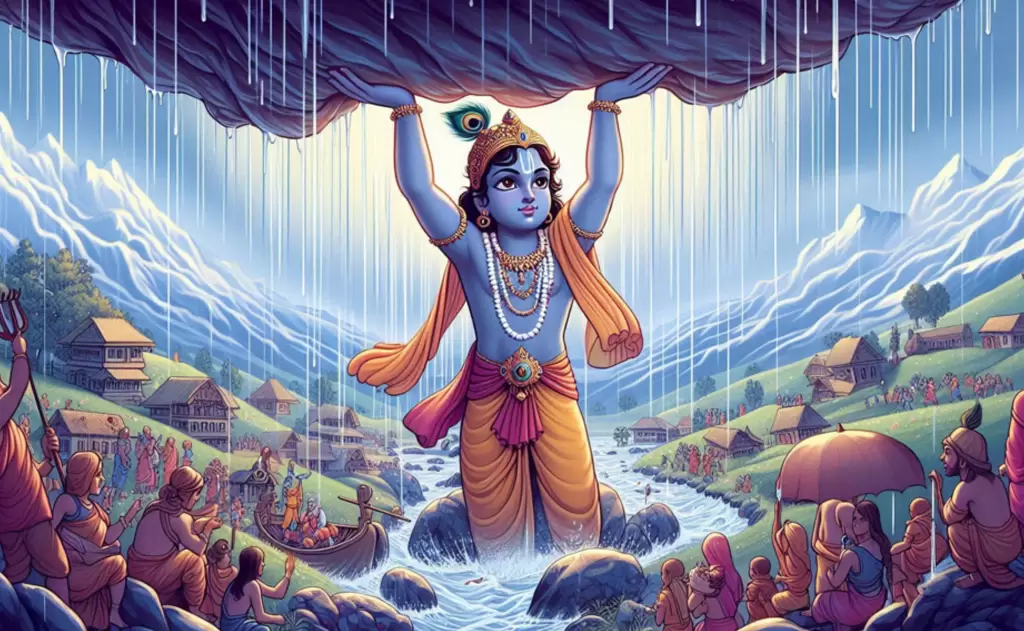
Govardhan Puja, widely known as Annakut, is celebrated the day after Lakshmi Puja in many parts of North and Central India. It recalls the Bhagavata story of young Krishna lifting Govardhan hill on his finger to shelter the people of Braj from Indra's storms. In Maharashtra and Karnataka the same day is honoured as Bali Pratipada or Diwali Padwa.
For devotees the festival is about gratitude: to the land that feeds us, to the cattle that support village life, and to Lord Krishna as protector. Families traditionally shape a small Govardhan from cow dung or grain, prepare a large spread of vegetarian dishes and offer it before sharing it as prasad.
On this page you will find puja vidhi written for home use, the Govardhan katha retold for children, notes on how Annakut is observed at temples in Mathura, Vrindavan and abroad, and explanations of the food offerings. Related reading covers the wider Diwali sequence, from Naraka Chaturdashi to Bhai Dooj.
Start Here
Govardhan Puja and Annakut 2026: Date, Pratahkal Shubh Muhurat by City, Puja Vidhi, Katha and Annakut Bhog
Govardhan Puja and Annakut 2026 fall on Tuesday 10 November in India, the day after Kartika Amavasya, and on Monday 9 November in the USA, Canada, the UK and the UAE. Here is the morning (pratahkal) puja window for 15…
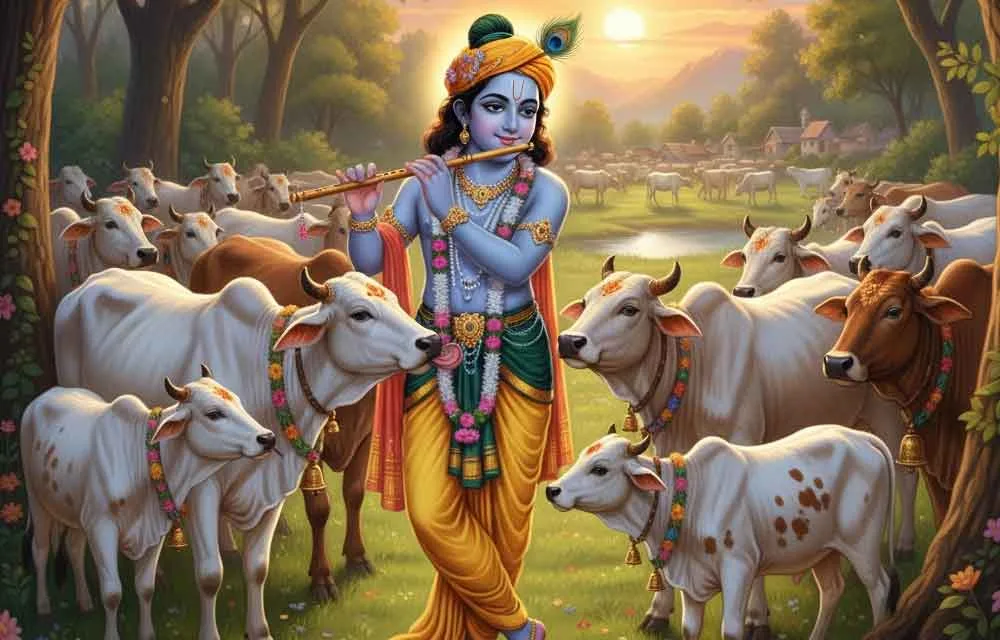 Why Cows are Worshipped on Govardhan Puja: Importance of Cow Protection in Hindu Tradition
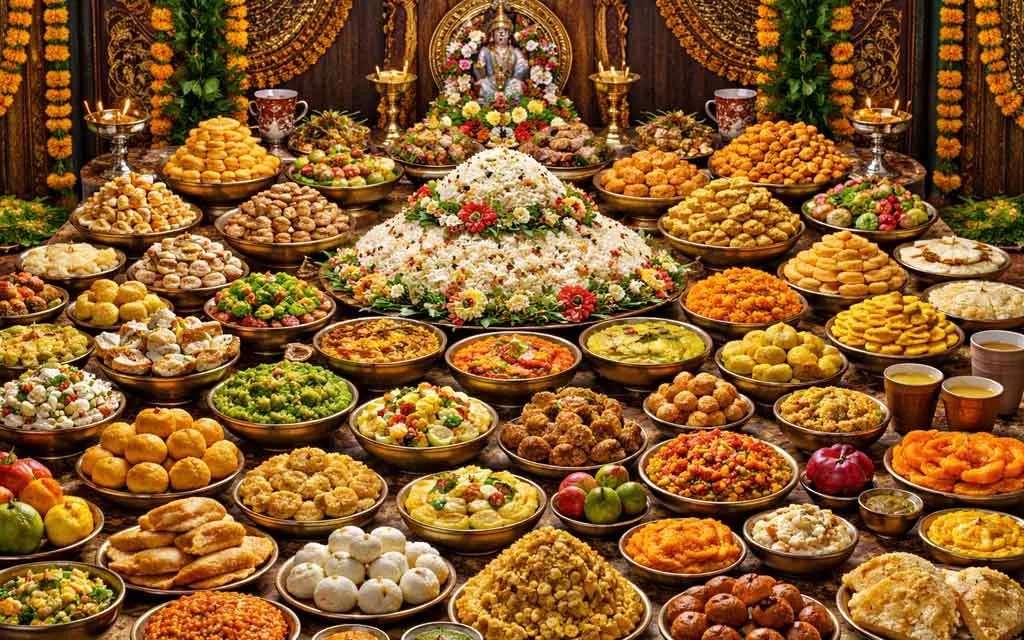 Chappan Bhog List — 56 Dishes for Govardhan Puja 2026
 Diwali 2026 in Dallas–Fort Worth, Texas: Events, Hindu Temples, Lakshmi Puja, Annakut, Indian Celebrations and Complete Festival Guide
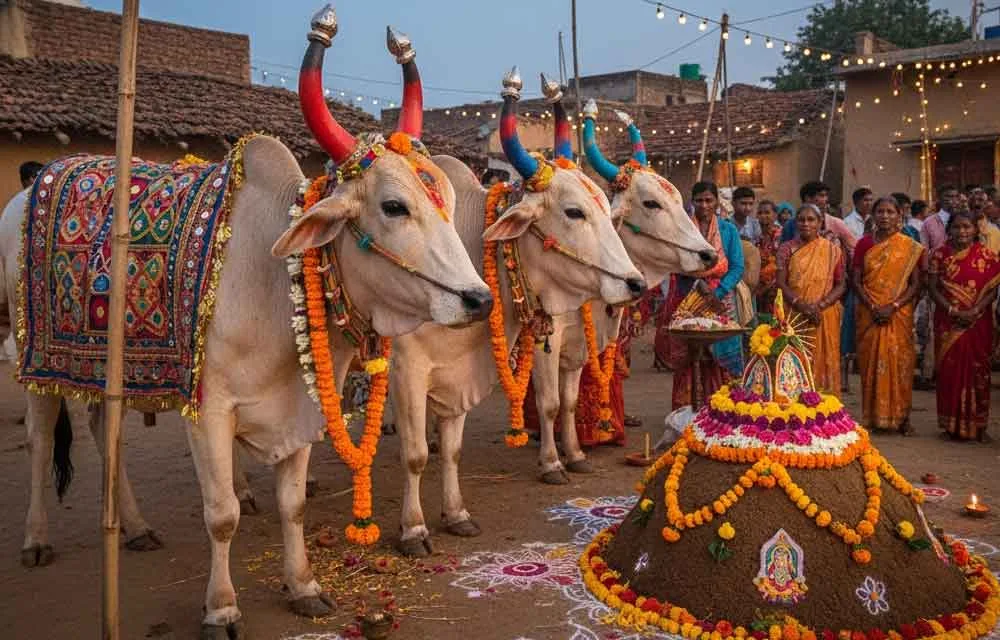 Gorakhpur: CM Yogi Adityanath Performs Govardhan Puja at Gorakhnath Temple, Highlights Cow Protection and India's Agricultural Heritage
Latest Articles
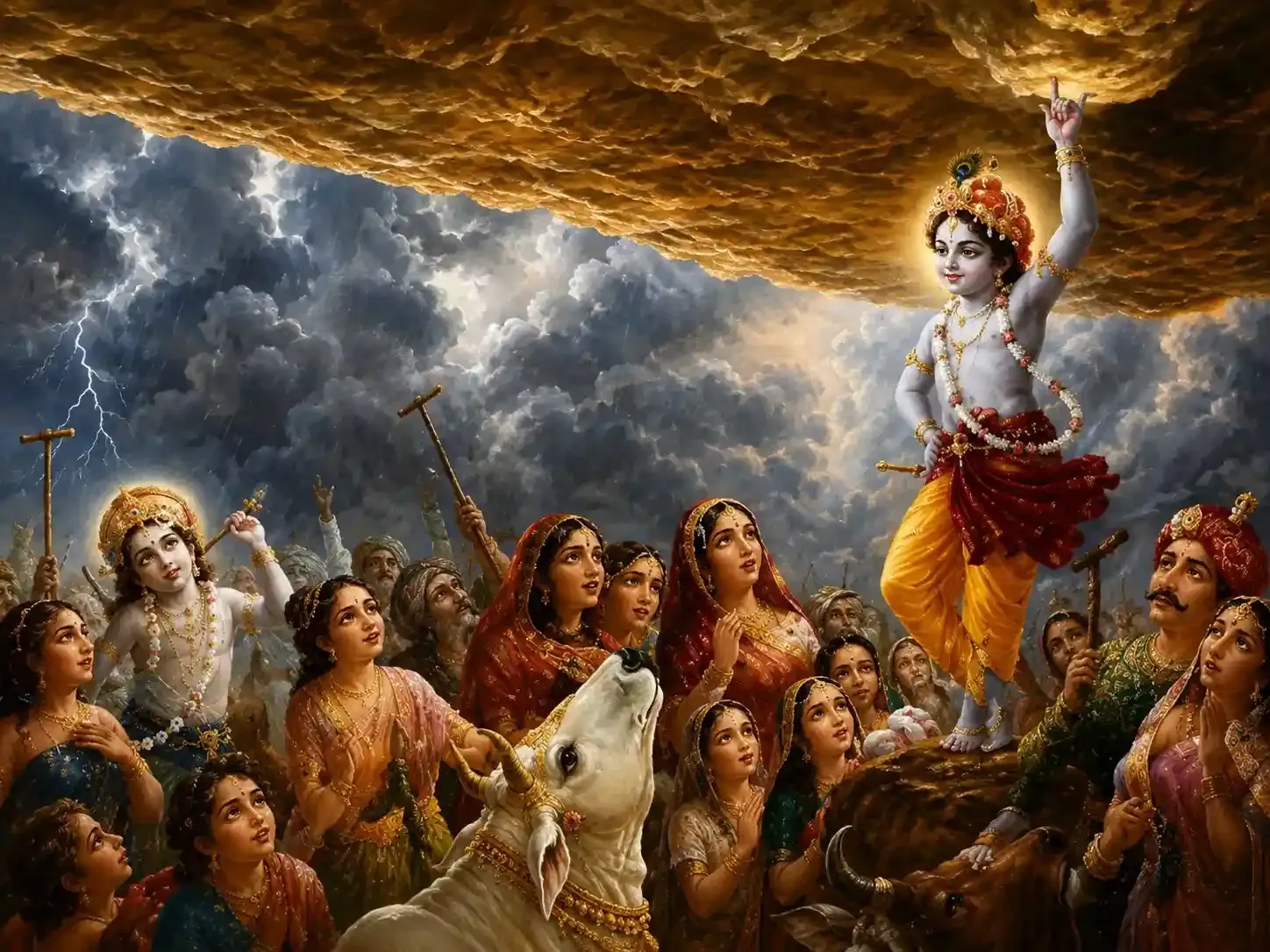
Govardhan Puja 2026 in New Zealand: Date, Auckland Muhurat, Annakut and PM Modi's Greetings
Govardhan Puja 2026 in New Zealand is on Tuesday, 10 November 2026, the same day as in India. Hindu families and…
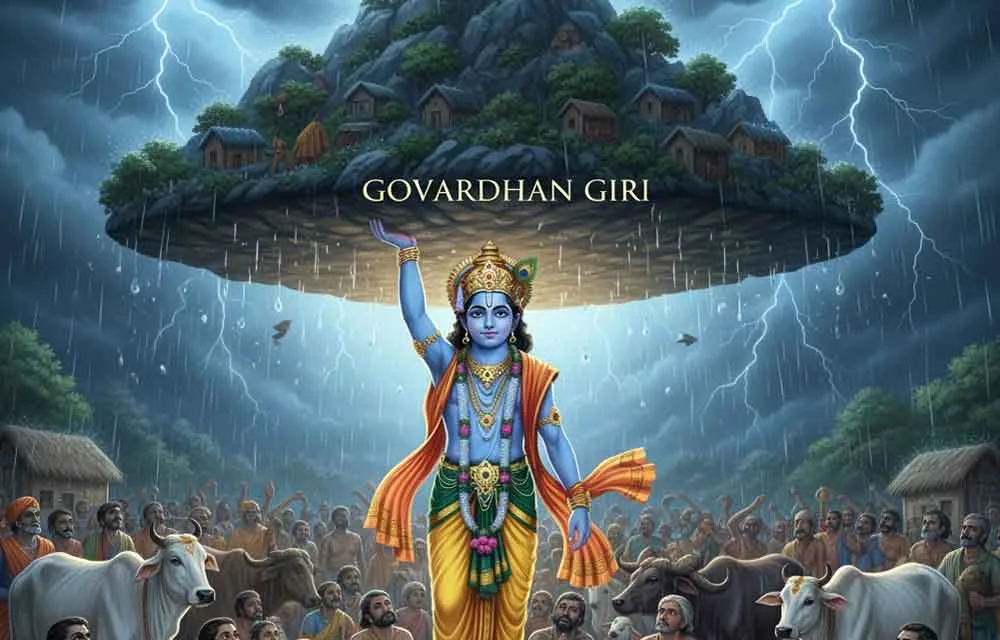
PM Narendra Modi Extends Warm Greetings on Govardhan Puja 2026, Shares Verse on Govardhan-dhari Krishna
PM Narendra Modi greeted the nation on Govardhan Puja, 10 November 2026, wishing peace, happiness and abundance, and…
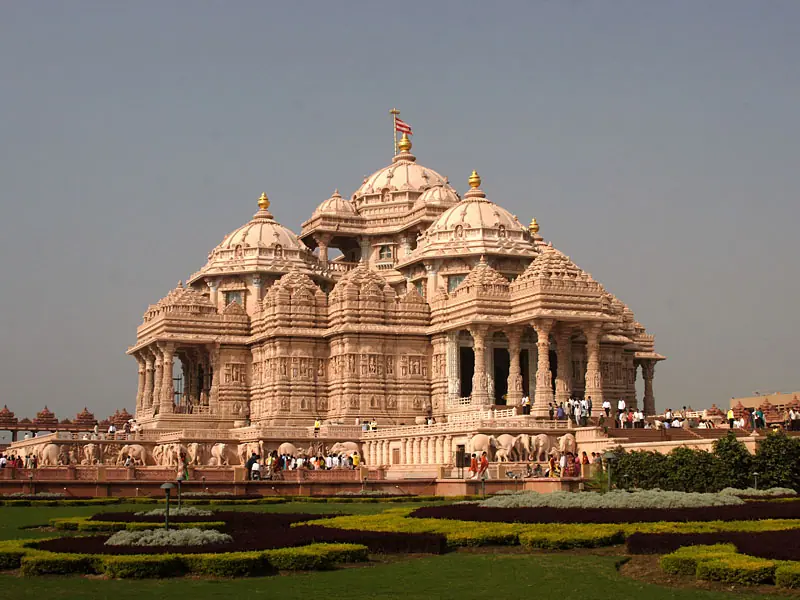
Delhi Akshardham Celebrates Grand Annakoototsav 2026 and Govardhan Puja
New Delhi, November 10, 2026: Swaminarayan Akshardham Temple in New Delhi witnessed a grand celebration of…
Hindu Rituals to Perform After Diwali 2026: Complete Guide to Govardhan Puja, Annakut, Bali Pratipada, Bhai Dooj and Karthika Masam for Hindus in USA, UK & Canada
Diwali, the beautiful festival of lights, is one of the most important celebrations in Hinduism. Families celebrate…

Diwali 2026 in Noida and Greater Noida: Lakshmi Puja Muhurat, NCR Green Cracker Rules, Sale Sites, Govardhan Puja and Bhai Dooj
Quick answer: Diwali 2026 in Noida is on Sunday, 8 November 2026. The Lakshmi Puja muhurat in Noida is 5:54 PM – 7:49…
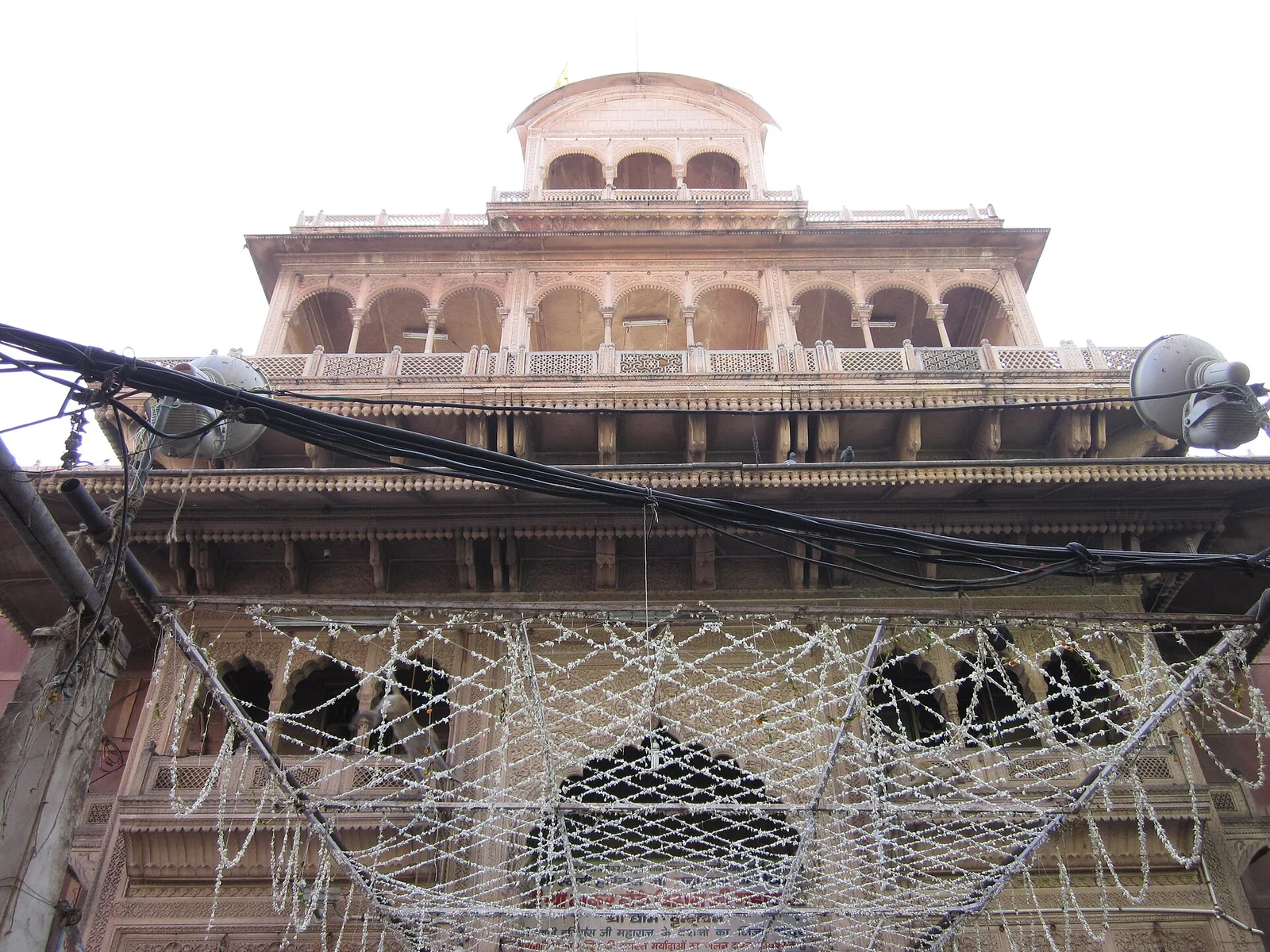
Diwali 2026 in Mathura and Vrindavan: Lakshmi Puja Muhurat, Govardhan Puja Parikrama, Yam Dwitiya at Vishram Ghat and Traffic Rules
Quick answer: Diwali 2026 in Mathura and Vrindavan is on Sunday, 8 November 2026. The Lakshmi Puja muhurat in Mathura…
Diwali 2026 in Agra: Lakshmi Puja Muhurat, Old-City Market Restrictions, the Six Cracker Sale Sites, Temples and Govardhan Puja
Quick answer: Diwali 2026 in Agra is on Sunday, 8 November 2026. The Lakshmi Puja muhurat in Agra is 5:54 PM – 7:50 PM…
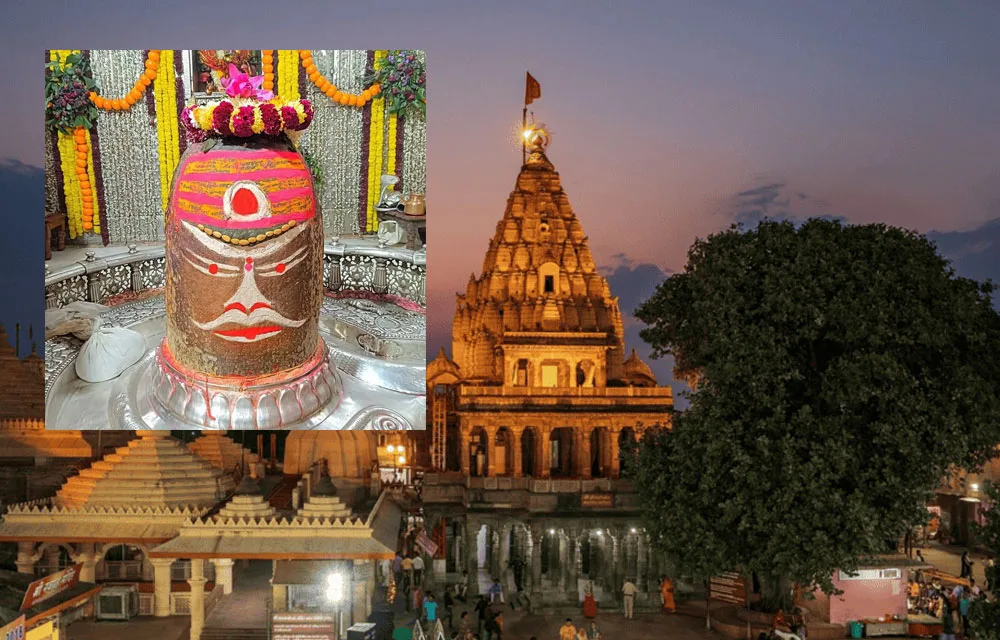
Special Bhasma Aarti at Mahakaleshwar, Ujjain on Diwali 2026: Ubtan Snan, Two Annakoot Offerings and One Sparkler
On Diwali, Sunday 8 November 2026, Mahakaleshwar Temple in Ujjain marked Roop Chaudas and Diwali with a special Bhasma…
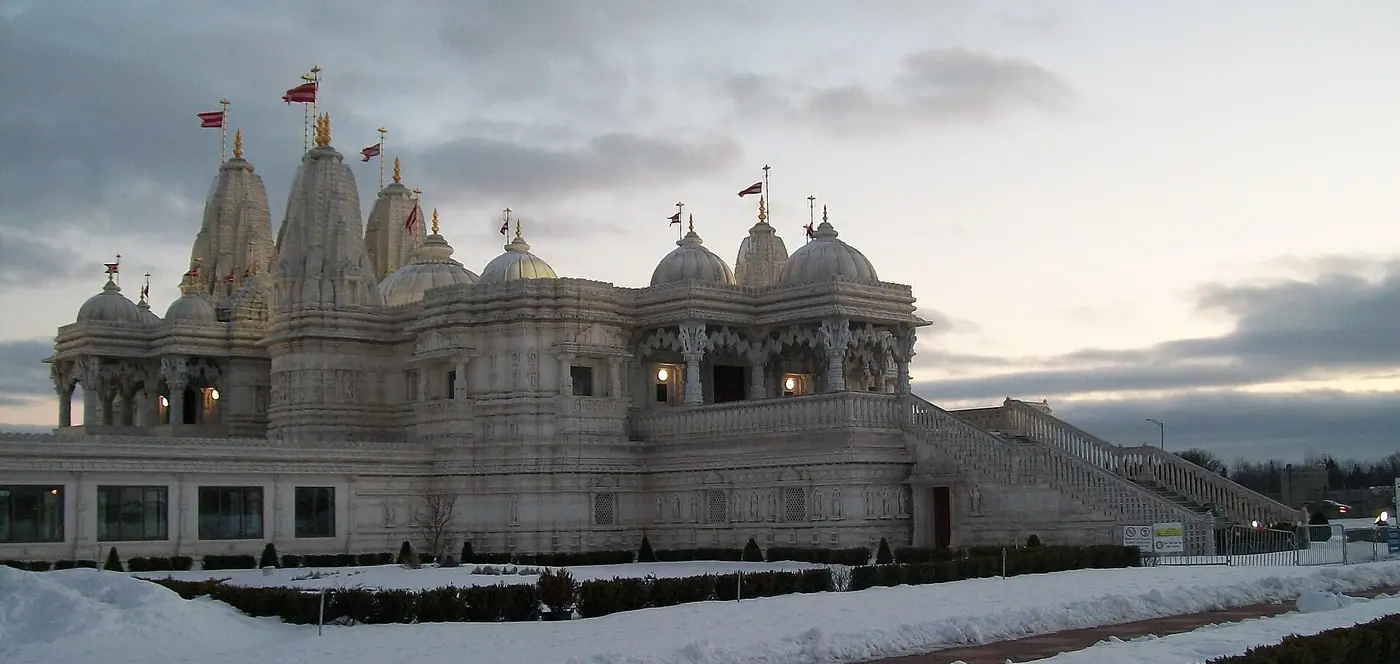
Hindu Temple Events in Canada, November 2026: Diwali, Annakut and Karthika Observances at Official Temple Calendars
A sourced list of November 2026 events at Hindu temples in Canada, taken only from each temple's own website: Diwali…
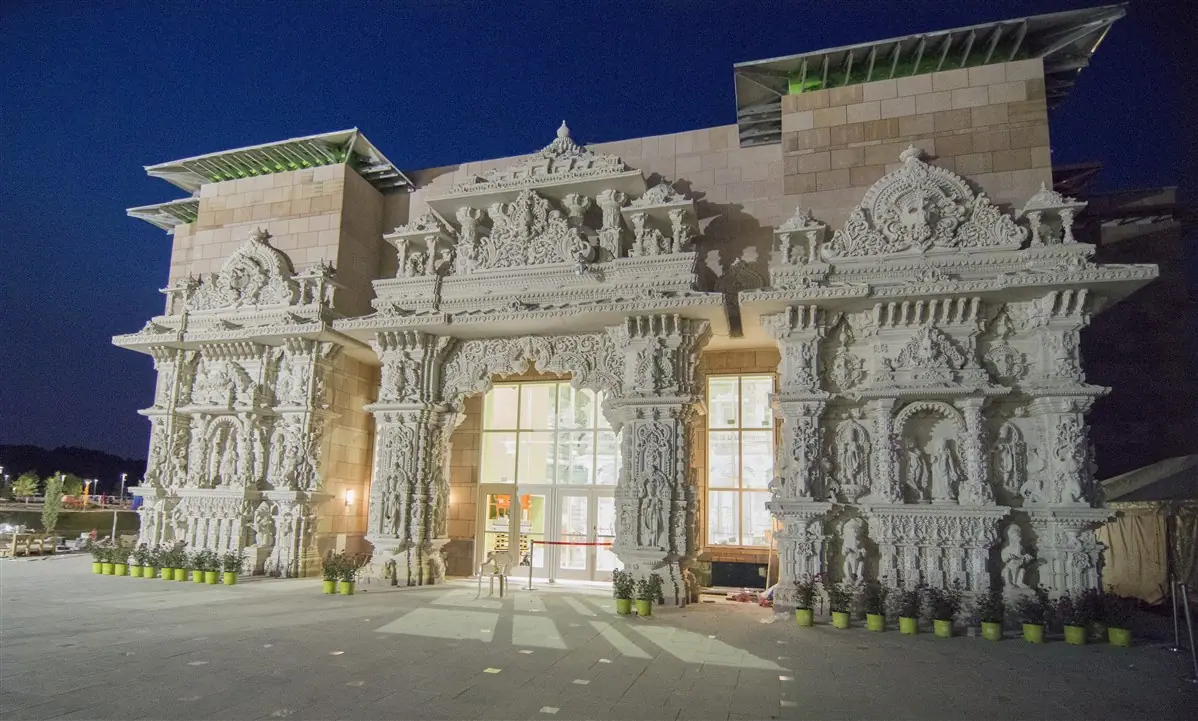
Hindu Temple Events in the USA, November 2026: Diwali, Annakut, Skanda Shashti and Karthika at Official Temple Calendars
A sourced list of November 2026 events at major Hindu temples in the USA, taken only from each temple's own website…
Panchangam 10 November 2026 (Tuesday): Govardhan Puja, Annakut, Bali Pratipada, Gujarati New Year and the First Day of Karthika Masam
Tuesday 10 November 2026 is Govardhan Puja and Annakut, Bali Pratipada (Bali Padyami), the Gujarati New Year and, in…
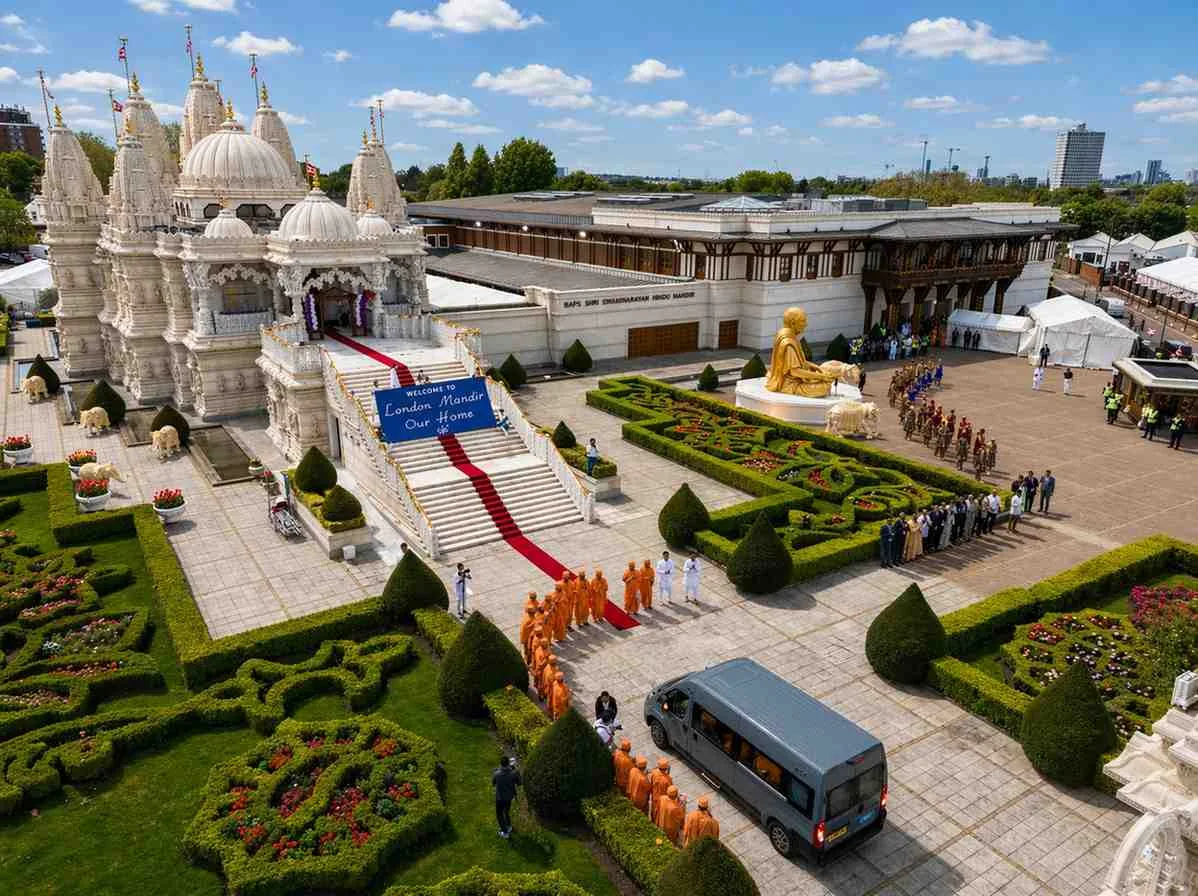
Hindu Temples Abroad News, October 2026: Neasden's 42-Foot Tapomurti, Maha Annakut, Paris Mandir Hosts UNESCO Diplomats, Abu Dhabi Prayers
A sourced round-up of Hindu temple news from outside India: a 42-foot Tapomurti of Nilkanth Varni consecrated at…
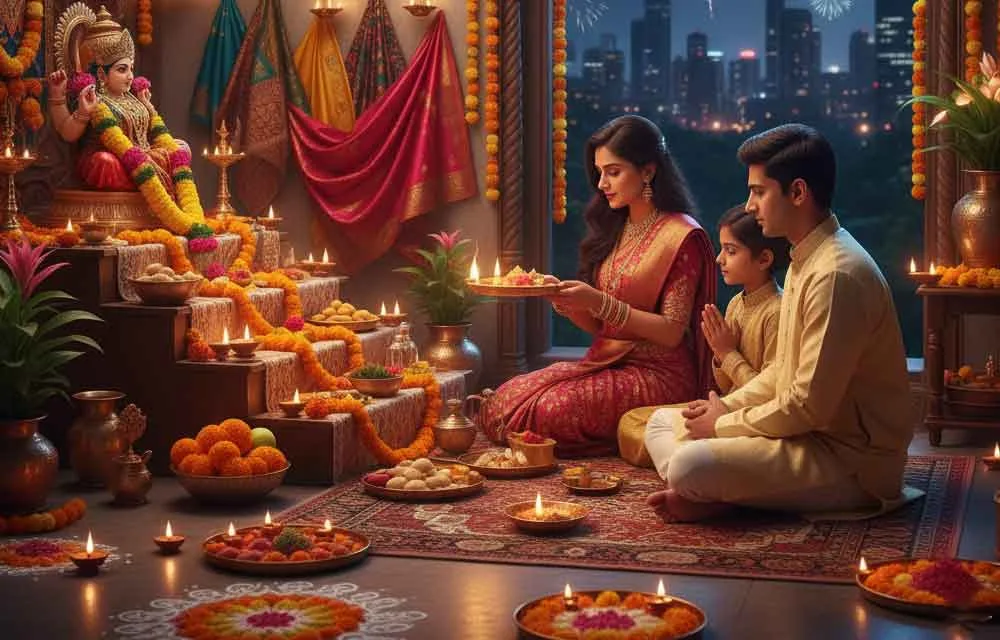
Diwali 2026 in Rajasthan: Jaipur's Lit Bazaars, Marwari Bahi-Khata Puja, Annakut and Village Customs
How Rajasthan celebrates Diwali 2026: illuminated bazaars and havelis in Jaipur, the Marwari business tradition of new…
Govardhan Puja and Annakut 2026 in the UAE: Monday 9 November, a Day Before India, with a Home Annakut for Dubai and Abu Dhabi Flats
In the UAE, Govardhan Puja and Annakut 2026 fall on Monday 9 November, one day before India's Tuesday 10 November…
Govardhan Puja and Annakut 2026 in the UK: Monday 9 November, a Day Before India, with Annakut at Home and at the Mandir
In the UK, Govardhan Puja and Annakut 2026 fall on Monday 9 November, one day before India's Tuesday 10 November. This…
Govardhan Puja and Annakut 2026 in Canada: Monday 9 November, a Day Before India, and an Indoor Annakut for Cold Weather
In Canada, Govardhan Puja and Annakut 2026 fall on Monday 9 November, one day before India's Tuesday 10 November. Here…
Govardhan Puja and Annakut 2026 in the USA: Monday 9 November, a Day Before India, with a Home Annakut Guide
In the USA, Govardhan Puja and Annakut 2026 fall on Monday 9 November, one day before India's Tuesday 10 November.…
Bali Pratipada and Diwali Padwa 2026 (Tuesday 10 November): Bali Padyami, Govardhan Puja, Padwa for Couples and Bestu Varas
Bali Pratipada, the fourth day of Diwali, falls on Tuesday 10 November 2026 in India and Monday 9 November in the USA…

FAQs
What is Govardhan Puja?
Govardhan Puja honours the hill Govardhan near Mathura and Lord Krishna, who, according to the Bhagavata tradition, lifted the hill to shelter the people and cattle of Vraj from torrential rain sent by Indra. Devotees build a small Govardhan from cow dung or food and worship it with lamps and offerings.
When is Govardhan Puja celebrated?
It is usually observed on the day after Diwali, on the first day of the bright fortnight of Kartika, which generally falls in October or November. In some years a gap day shifts it slightly. Exact dates change every year, so please check our panchang for your location.
What is Annakut and how is it related to Govardhan Puja?
Annakut means a 'mountain of food'. On Govardhan Puja many temples and homes prepare a large variety of vegetarian dishes and sweets, arrange them like a hill and offer them to Krishna. The food is later shared as prasad, recalling the abundance of Vraj.
How is Govardhan Puja done at home?
Families traditionally shape a small hill from cow dung, clay or food, decorate it with flowers, and place a Krishna image nearby. They offer lamps, sweets and milk products, perform parikrama around the hill and sing Krishna bhajans. Cattle are also bathed and decorated in many rural homes.