
Naraka Chaturdashi
Naraka Chaturdashi, known in many North Indian homes as Choti Diwali or Roop Chaudas, falls on the eve of the main Diwali night. In South India it is often the biggest day of the festival itself. The day is traditionally associated with Lord Krishna and Satyabhama defeating the demon Narakasura, a story that devotees read as the victory of light and restraint over arrogance and cruelty.
Many families begin the day before sunrise with an oil bath, wear fresh clothes and light lamps in the evening. In some regions the night is called Kali Chaudas and is dedicated to protective prayers. Customs differ widely from one state and community to another, which is part of what makes the day interesting to learn about.
Here you will find HinduTone articles on Naraka Chaturdashi puja vidhi, the Narakasura katha, regional variations and practical notes for families celebrating outside India. For the wider festival, continue with our pages on Diwali, Dhanteras and Lakshmi Puja.
Latest Articles
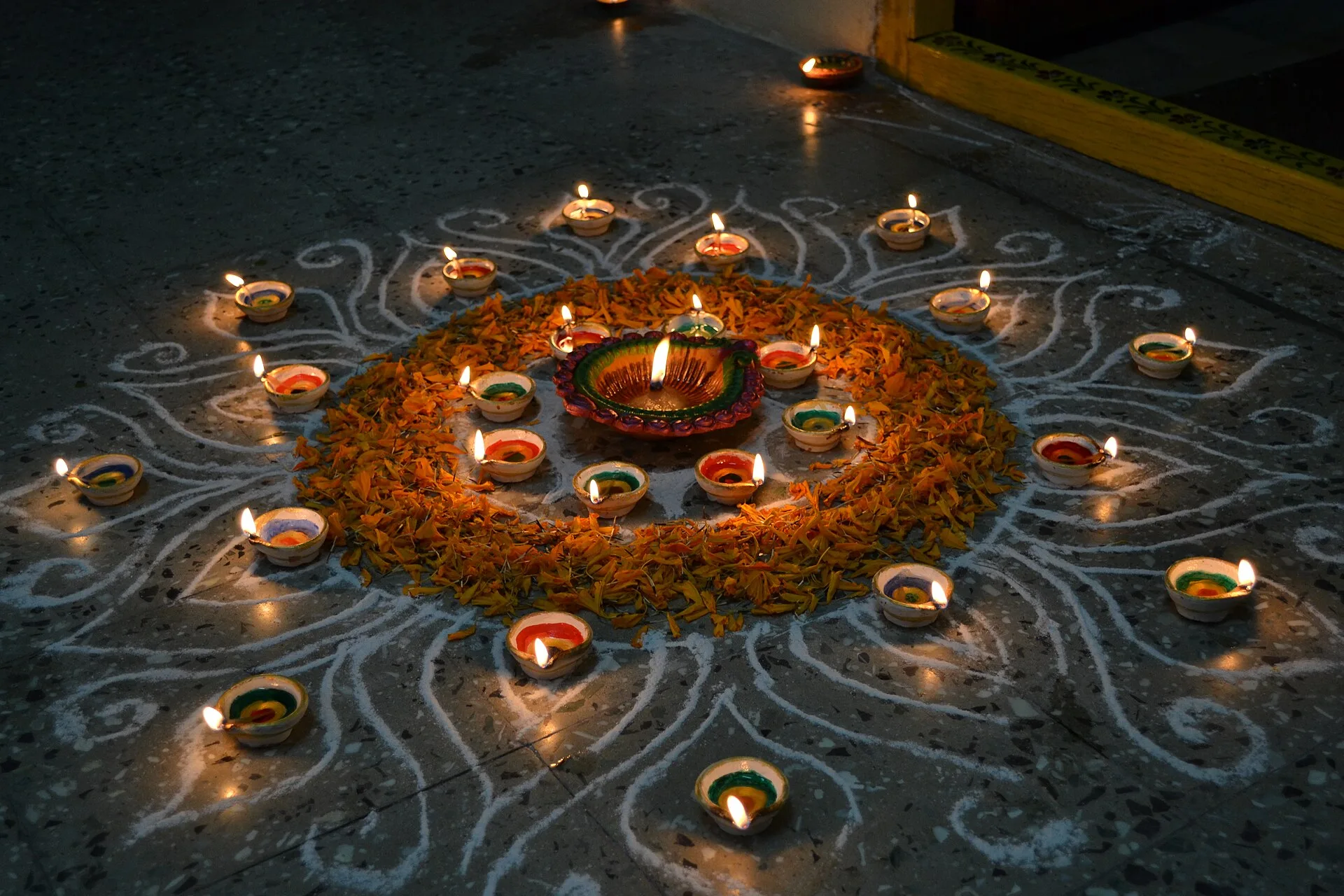
Narak Deepam: The Sacred Four-Wick Lamp of Naraka Chaturdashi – Significance, Shloka and Vidhi
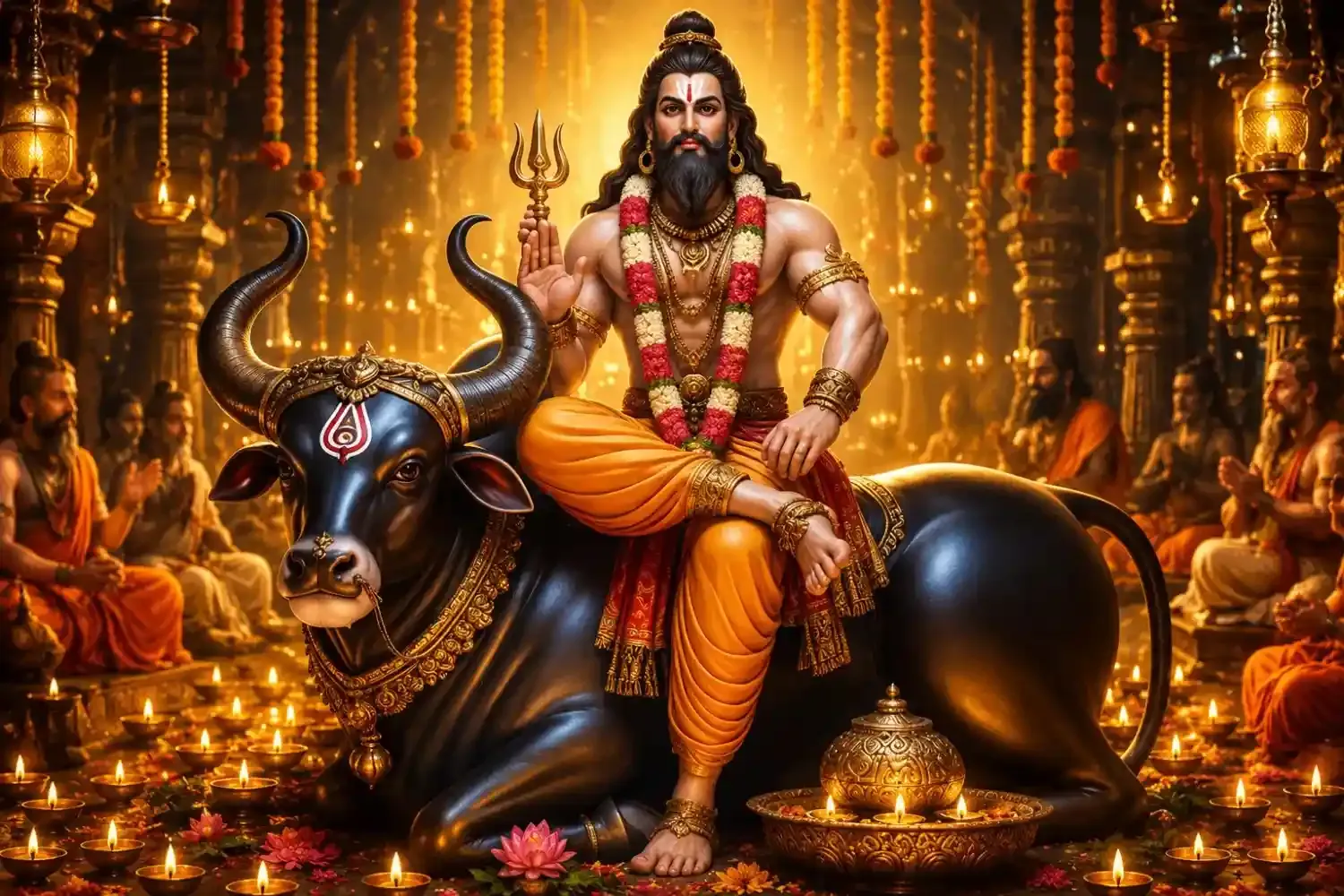
Naraka Chaturdashi Yama Tarpanam Vidhi: Oil Bath on Ashvayuja Krishna Chaturdashi and Tilanjali to Yama's 14 Names

Naraka Chaturdashi and Diwali 2026: The Dharmashastra Ruling on Which Day to Observe

Diwali 2026 in Ahmedabad: Chopda Pujan Muhurat, Kali Chaudas, Bestu Varas, Bhai Bij, Labh Pancham and Cracker Rules

Goa Diwali 2026: Burning Large Effigies of Narakasura Marks Lord Krishna’s Victory Over Evil

Panchangam 8 November 2026 (Sunday): Diwali, Lakshmi Puja, Naraka Chaturdashi, Kali Puja and Chopda Puja, Tithi and Puja Vidhi
Panchangam 7 November 2026 (Saturday): Kali Chaudas, Hanuman Puja and Masik Shivaratri, Tithi, Nakshatra and Puja Vidhi
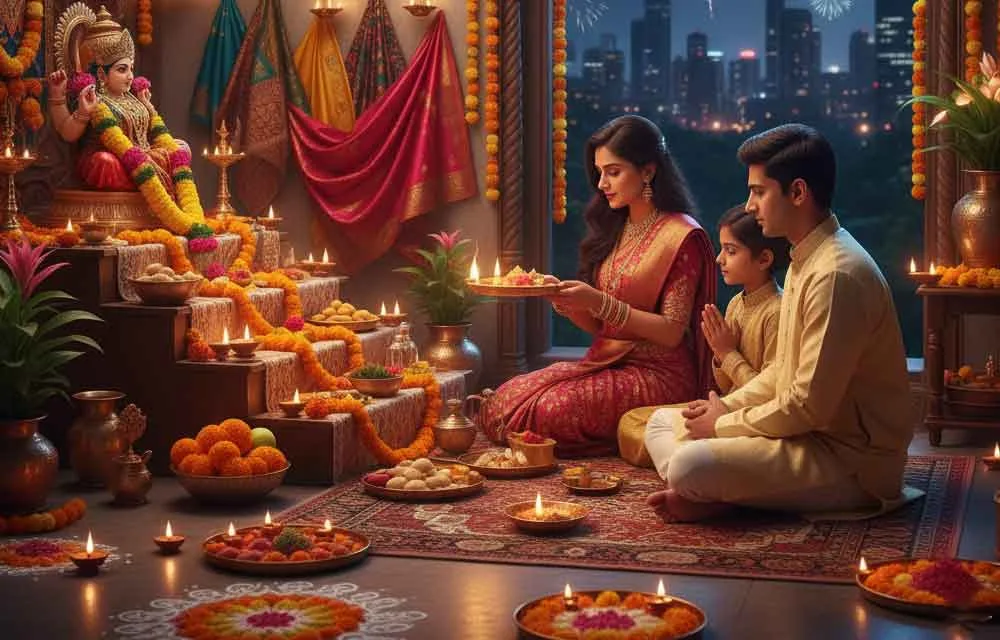
Deepavali 2026 in Kerala: Naraka Chaturdashi Oil Bath, Community Traditions and Thrikarthika
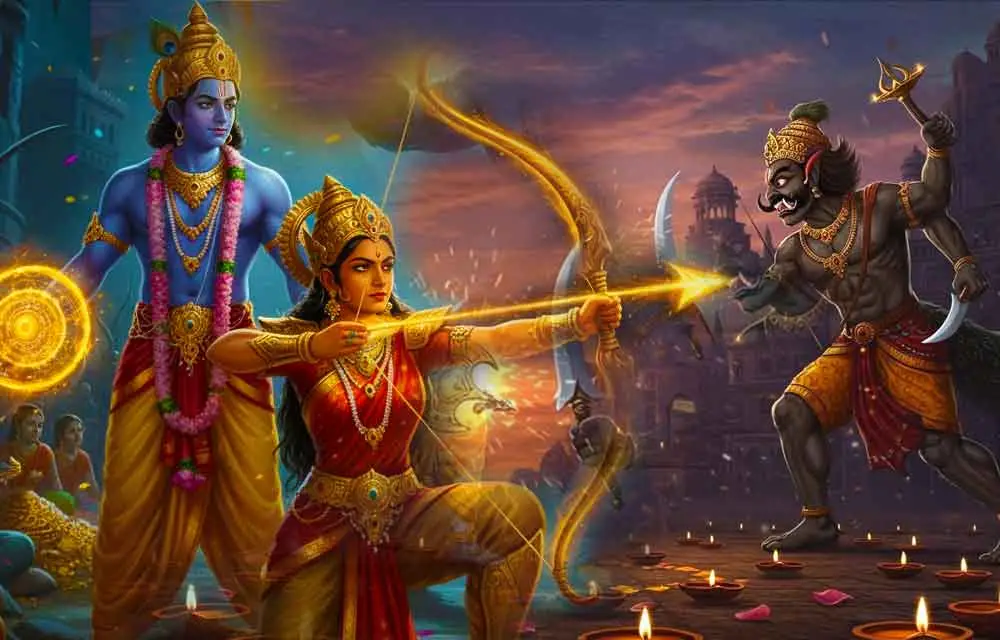
Goa's Narakasura Effigies 2026: Naraka Chaturdashi Before Dawn, Kareet, Fov and Diwali in Goa
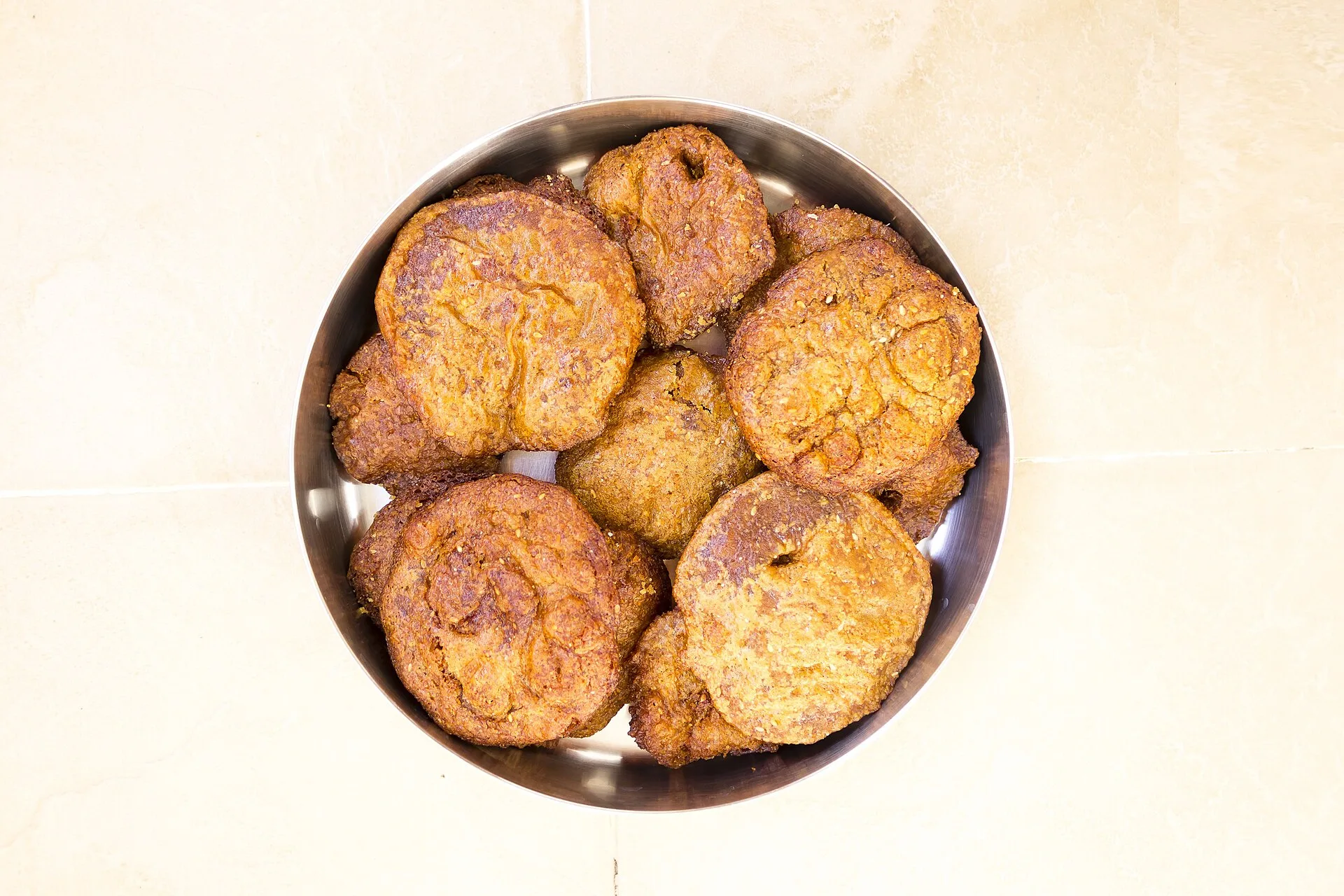
Telugu Deepavali 2026: Traditions in Andhra Pradesh and Telangana, from Naraka Chaturdashi to Bhagini Hasta Bhojanam
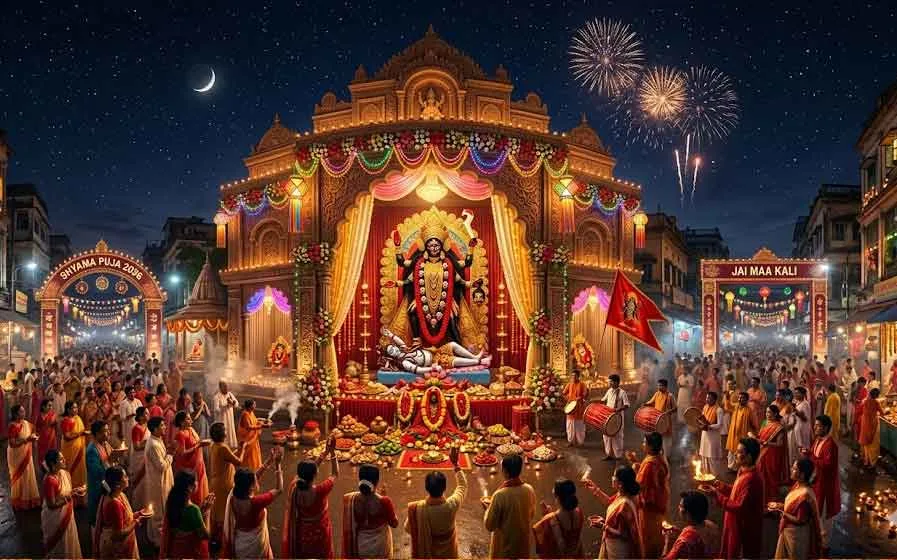
Kali Chaudas 2026 in Gujarat: Date, Night Puja to Mahakali and Hanuman, and How It Differs from Narak Chaturdashi
Narak Chaturdashi 2026 in the UK: Saturday 7 November, a Day Before India, with Abhyang Snan and Choti Diwali at Home
Narak Chaturdashi 2026 in Canada: Saturday 7 November, a Day Before India, with Abhyang Snan on a Cold Morning
Narak Chaturdashi 2026 in the USA: Saturday 7 November, a Day Before India, with Abhyang Snan and Choti Diwali at Home
Naraka Chaturdashi 2026 (Sunday 8 November): Abhyang Snan Time City-Wise, Choti Diwali on the Same Day, Story and Rituals
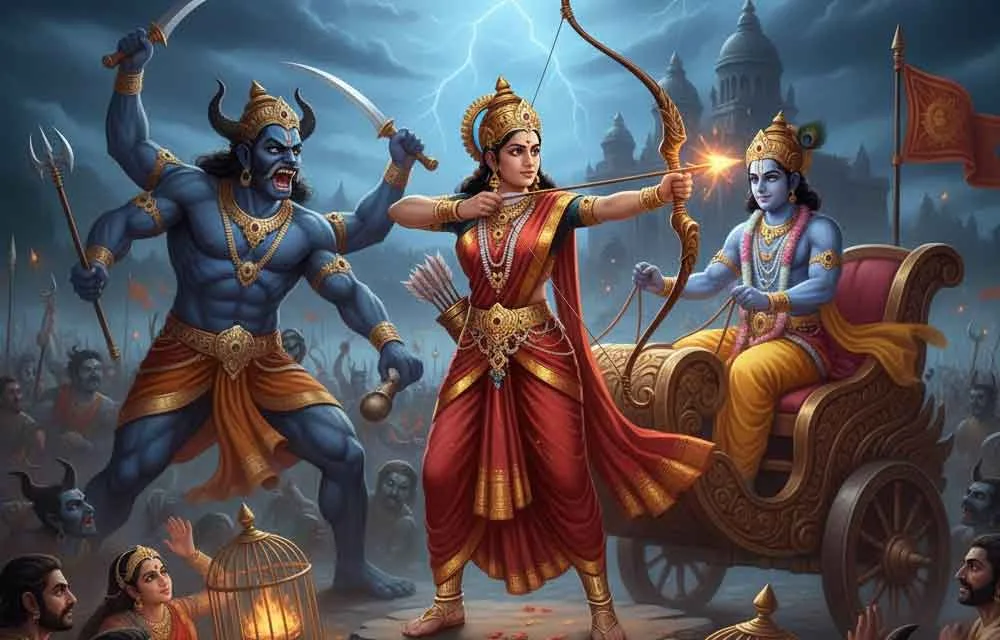
The Complete Story of Satyabhama: Birth, Divine Love, and Victory Over Narakasura

Diwali in Tamil Nadu: Naraka Chaturdashi and Sacred Oil Baths
Diwali in Gujarat: Kali Chaudas, Chopda Pujan & New Year
Story of Narakasura and Krishna: The Origin of Naraka Chaturdashi
Satyabhama and Narakasura Vadha: The Victory of Good Over Evil
FAQs
What is Naraka Chaturdashi?
Naraka Chaturdashi is the day before the main Diwali night. Tradition holds that Lord Krishna, with Satyabhama, defeated the demon Narakasura and freed the people he had imprisoned. The day celebrates the victory of light over darkness and is also called Choti Diwali in many North Indian homes.
When is Naraka Chaturdashi celebrated?
It falls on the Chaturdashi (fourteenth lunar day) of the waning fortnight just before Diwali Amavasya, usually in October or November. In the Amanta calendar this is Ashvayuja month; North Indian Purnimanta calendars call it Kartika. Dates shift every year, so check the panchang for your city.
Why is an oil bath taken on Naraka Chaturdashi?
Many families wake before sunrise for an abhyanga snanam, an oil bath with herbal powders, often followed by new clothes and lighting lamps. Devotees believe this pre-dawn bath on the day of Narakasura's defeat purifies the home and mind and starts the Diwali festivities on an auspicious note.
Is Naraka Chaturdashi the same as Choti Diwali?
Largely yes. In North India the day is popularly called Choti Diwali or Roop Chaudas, while South India, especially Telugu and Tamil homes, often treat it as the main Deepavali morning. Rituals differ by region, but lamps, an early bath and prayers are common everywhere.