Must-Performed Rituals Every NRI Woman Should Do for Her Family's Wellbeing
Essential Hindu rituals every NRI woman must perform for her family's prosperity, protection, and wellbeing — Daily Puja, Karva Chauth, Satyanarayan, Teej, Navratri, Sola Somvar, Ahoi Ashtami.
Essential Hindu rituals every NRI woman must perform for her family's prosperity, protection, and wellbeing — Daily Puja, Karva Chauth, Satyanarayan, Teej, Navratri, Sola Somvar, Ahoi Ashtami.
"As an NRI woman, you carry the sacred flame of your family's traditions across oceans. These rituals are not just ceremonies — they are powerful acts of love, protection, and devotion that keep your family anchored in divine grace."
Introduction
For millions of NRI women settled in the USA, UK, Canada, Australia, and the Gulf, maintaining Hindu rituals isn't just about religion — it is about identity, family bonds, and spiritual wellbeing. Research consistently shows that families who maintain cultural and religious practices experience stronger bonds and lower stress.
Whether you live in New Jersey or New Zealand, these sacred rituals can be performed with the same devotion and receive the same divine blessings. Living abroad doesn't mean leaving your dharma behind.
1. Daily Puja — The Foundation of a Blessed Home
Ritual Type: Daily Practice · Morning Ritual
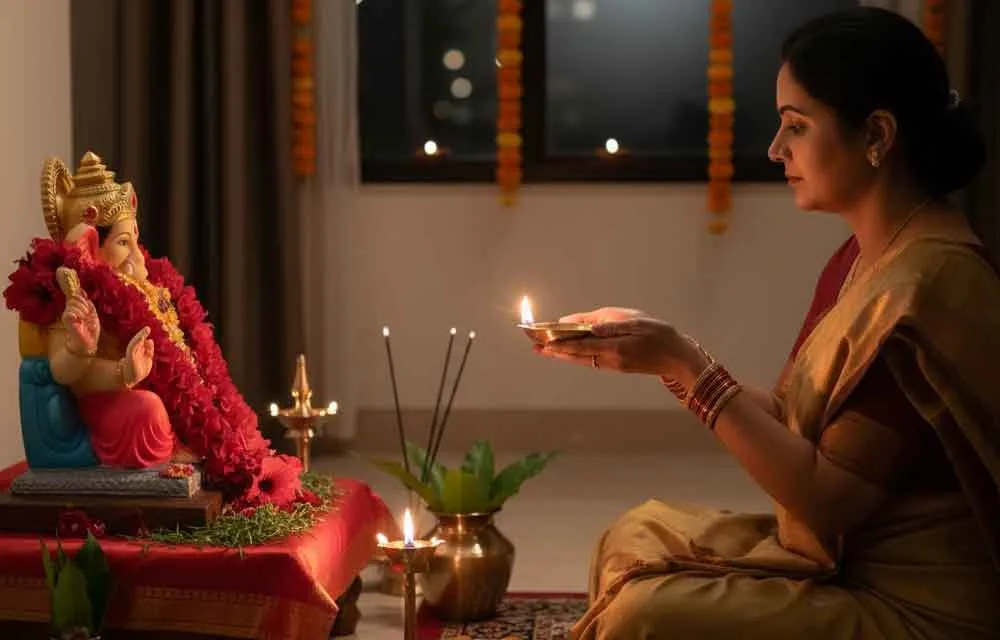
Daily Puja is the heartbeat of every Hindu household. For NRI women, maintaining a dedicated puja space — even a small shelf or corner — creates a powerful spiritual anchor for the entire family. Lighting a diya every morning and evening, offering fresh flowers, and chanting simple prayers like the Gayatri Mantra takes as little as 10 minutes but yields immeasurable blessings.
Studies in positive psychology confirm that daily rituals reduce anxiety, increase family cohesion, and provide children with a sense of cultural belonging — especially crucial for second-generation NRIs growing up away from India.
NRI Tips for Daily Puja
- Set up a compact mandir with your Kul Devi/Devta idol or photo, Ganesha, and Lakshmi
- Use battery-operated or LED diyas if fire safety rules apply in your building
- Order gangajal, kumkum, and roli online (Amazon, iHerb, or Indian grocery stores)
- Involve children from age 5 — let them ring the puja bell and offer flowers
- Stream live aarti from temples in India on YouTube for the full experience
2. Karva Chauth — The Sacred Vrat for Your Husband's Long Life
Ritual Type: Annual Vrat · Kartik Month
Karva Chauth is one of the most celebrated and beloved festivals among NRI women worldwide. Observed on the fourth day after the full moon in the Hindu month of Kartik (October–November), married women fast from sunrise to moonrise for their husband's long life, health, and prosperity.
The ritual concludes with the wife sighting the moon through a sieve, then looking at her husband's face. Across the USA, UK, and Canada, NRI communities organise group Karva Chauth celebrations, making it a joyful social occasion that preserves tradition and builds community bonds.
"A ritual performed with pure intention from 10,000 miles away carries the same divine weight as one performed at the banks of the Ganga. God sees the heart, not the geography."
How NRI Women Celebrate Karva Chauth Abroad
- Join local Indian cultural associations or WhatsApp groups that organise Karva Chauth pujas
- Order a Karva Chauth thali set with karva (clay pot), sieve, and puja items from Indian stores
- Watch the moonrise time for your specific city using moon calendar apps
- Video call parents or in-laws in India to perform the puja together virtually
- Mehendi (henna) parlours in NRI areas often offer special Karva Chauth packages
3. Satyanarayan Puja — For Family Prosperity & Fulfilment of Wishes
Ritual Type: Monthly Puja · Family Prosperity
Satyanarayan Puja is one of the most important Hindu rituals performed for family prosperity, removal of obstacles, and fulfilment of wishes. NRI families typically perform this puja on Purnima (full moon day), on festivals, on moving into a new home, after a child's birth, or after achieving career milestones.
Lord Vishnu (Satyanarayan) is worshipped with panchamrit, tulsi, and the reading of the Satyanarayan Katha. This ritual is perfect for NRI homes as it requires minimal materials and can be performed by the woman of the house with family participation.
Performing Satyanarayan Puja as an NRI
- Order a ready-made Satyanarayan Puja kit from Hindu stores or Amazon
- Invite close NRI friends and family — the katha is meant to be heard in a group
- Contact your local Hindu temple to have a pandit perform it professionally
- The prasad (sheera/panchamrit) can be made at home with easily available ingredients
- Perform on Purnima, Ekadashi, or on special occasions like promotions or new homes
4. Teej — Celebrating Marital Happiness & the Divine Union
Ritual Type: Annual Festival · Shravan / Bhadrapada
Teej (Hartalika Teej or Hariyali Teej) is a deeply feminine festival celebrated by women in honour of Goddess Parvati and Lord Shiva's reunion. Women fast, dress in green attire, apply mehendi, sing folk songs, and worship the divine couple to pray for a happy, long, and prosperous married life.
It is also a festival of feminine energy, sisterhood, and seasonal abundance. For NRI women, Teej is a beautiful opportunity to connect daughters to their cultural roots — decorating them in traditional attire, teaching them Teej songs, and celebrating the power of womanhood together.
NRI Teej Celebration Ideas
- Host a Teej gathering with NRI women — wear green lehengas or sarees together
- Create a simple Shiva-Parvati altar with flowers, bel patra, and incense
- Teach children traditional Teej folk songs from Rajasthan, UP, or Punjab
- Order traditional sweets like ghewar (available at Indian mithai shops in major cities)
- Observe the nirjala or sarasiya (fruit) fast based on your health and tradition
5. Navratri Fasting & Devi Puja — Invoking Divine Feminine Power
Ritual Type: 9-Day Festival · Ashwin / Chaitra
Navratri, observed twice a year (Chaitra and Sharad), is one of the most powerful times for a woman to connect with the divine feminine energy of Goddess Durga, Lakshmi, and Saraswati. Women observe fasts for 9 days, perform Devi puja, recite the Durga Saptashati or Devi Stotras, and on Ashtami/Navami, perform Kanjak puja by feeding young girls as an embodiment of the goddess.
This ritual not only brings tremendous blessings for the family but also empowers the woman herself spiritually and emotionally. NRI communities worldwide have vibrant Navratri celebrations with garba and dandiya that have become iconic cultural events.
Navratri for NRI Families
- Attend local Hindu Mandirs' Navratri garba events — now held in major NRI cities globally
- Download the Durga Saptashati app for daily recitation during the 9 days
- Perform Kanjak puja by inviting young girls from the Indian community for prasad
- Observe Satvik fasting (fruits, sabudana, sendha namak) — easily done abroad
- Dress the family in 9 Navratri colours on each corresponding day
6. Griha Pravesh — Purifying & Blessing Your New Home Abroad
Ritual Type: One-Time Ritual · Home Sanctification
Moving into a new home in a foreign country is a major life event. Griha Pravesh is the sacred Vastu ritual of entering and purifying a new home — inviting prosperity, health, and positive energy. Traditionally involving a havan (sacred fire), Ganesha puja, and Vastu puja, this ritual ensures the home becomes a sacred space protected by divine grace.
As the woman of the house, your role in Griha Pravesh is central — it is your energy that transforms a house into a home. Whether you are moving into a new apartment in London or a house in New York, this ritual establishes a divine foundation for your family's life.
Griha Pravesh for NRI Homes
- Hire a pandit from your local Hindu temple to perform the Griha Pravesh puja
- Ensure electric alternatives to havan are available where real fire isn't permitted
- Enter the home on an auspicious muhurat — consult a Vedic calendar
- Boil milk until it overflows at the threshold as a symbol of abundance
- Place a Ganesha idol or image at the main entrance to ward off negative energy
7. Sola Somvar Vrat — For Husband & Children's Health & Success
Ritual Type: 16-Monday Vrat · Lord Shiva
Sola Somvar Vrat involves fasting on 16 consecutive Mondays dedicated to Lord Shiva. This powerful vrat is performed by women seeking blessings for their husband's health, career success, and children's wellbeing.
The fast involves consuming one meal before sunset, performing Shiva abhishek with milk, water, bel patra, and reciting Shiva mantras. The 16th Monday is celebrated with a special puja and distribution of prasad. Consistency and devotion are the keys to this vrat's power.
Observing Sola Somvar Vrat as an NRI
- Set up a Shivalinga at home or visit the nearest Hindu temple every Monday
- Perform abhishek with panchamrit (milk, curd, honey, ghee, sugar) at home
- Recite Om Namah Shivaya 108 times using a rudraksha mala
- The Sola Somvar Vrat Katha is available on HinduTone and YouTube
- Mark your 16 Mondays on the calendar and commit — consistency is the key
8. Ahoi Ashtami — The Vrat Every Mother Must Observe for Her Children
Ritual Type: Annual Vrat · Kartik / Pre-Diwali
Ahoi Ashtami is a deeply moving vrat observed exclusively by mothers for the long life, health, and prosperity of their children. Observed eight days before Diwali on the Ashtami of Kartik's dark fortnight, mothers fast from sunrise to the sighting of the stars in the evening sky.
The Ahoi Mata is worshipped — typically depicted as a mother with her children and a lion — and the Ahoi Ashtami Katha is recited. For NRI mothers, this ritual is an especially powerful emotional and spiritual bond — a declaration of unconditional maternal love that transcends distance and geography.
Ahoi Ashtami Puja for NRI Mothers
- Draw or print the Ahoi Mata image and set up a puja corner
- Fast until stars appear — use a stargazing app to track the time for your city
- Offer puri, halwa, and fruits as prasad and share with children after puja
- Tell your children the story of Ahoi Mata — it teaches them about maternal devotion
- Perform virtually if children are studying in different cities or countries
Frequently Asked Questions
Can NRI women perform Hindu rituals without a pandit?
Yes, absolutely. Many Hindu rituals can be performed at home by women themselves with proper preparation, mantra recitation, and devotion. Apps like HinduTone provide step-by-step puja guides, mantras, and katha readings. For major rituals like Satyanarayan Puja or Griha Pravesh, connecting with a pandit through your local Hindu temple is recommended.
Where can NRI women buy puja items abroad?
Indian grocery stores in major NRI cities stock most puja essentials — agarbatti, camphor, kumkum, turmeric, and flowers. Online stores like Amazon, Puja.com, and Exotic India ship puja kits internationally. Apps like HinduTone can guide you on simple, practical substitutions when specific items are unavailable.
How do NRI women observe fasting vrats while managing work?
Most Hindu fasts allow fruits, milk, sabudana (tapioca), and sendha namak — making them compatible with busy professional life. Many NRI women choose to observe partial fasts or shift the puja timing to evenings after work. The intent and devotion matter most — adjust the practice to what is sustainable for your lifestyle.
How can NRI women pass these rituals to their children born abroad?
Involve children from a young age in simple tasks — offering flowers, ringing the puja bell, or lighting diyas (supervised). Storytelling is powerful — share the meaning behind each ritual. Attending temple events, cultural festivals, and Indian school programmes reinforces the tradition. Celebrations like Navratri garba events make it joyful and social, not just religious.
Are there specific rituals for NRI women on Diwali?
On Diwali, NRI women perform Lakshmi Puja on Amavasya evening to invite prosperity into the home. Lighting 13 diyas, cleaning and decorating the home, making rangoli, and offering sweets are all part of it. Many NRI families combine Diwali with Ahoi Ashtami and Dhanteras pujas for a full week of festivity and devotion.
Conclusion: Your Rituals Are Your Roots
Whether you live in Toronto, Texas, or Tokyo — these sacred rituals keep your family connected to their divine heritage, to each other, and to the timeless wisdom of our ancestors. Perform them with love, consistency, and joy.
The gods don't measure distance; they measure devotion.
Explore more rituals, mantras, katha, and puja guides at HinduTone.com — your spiritual home, wherever you are in the world.
HinduTone Editorial Team · Categories: Traditions, Hinduism, NRI Life · Tags: NRI Women Rituals, Hindu Rituals NRI, Daily Puja, Karva Chauth, Satyanarayan Puja, Teej, Navratri, Griha Pravesh, Sola Somvar Vrat, Ahoi Ashtami
You might also like
Garbha Samskaras Explained — Hindu Prenatal Rituals in Vedic & Vaikhanasa Tradition
Karma, Rebirth, and Remembrance of God – Why Worship God Even During Good Times?
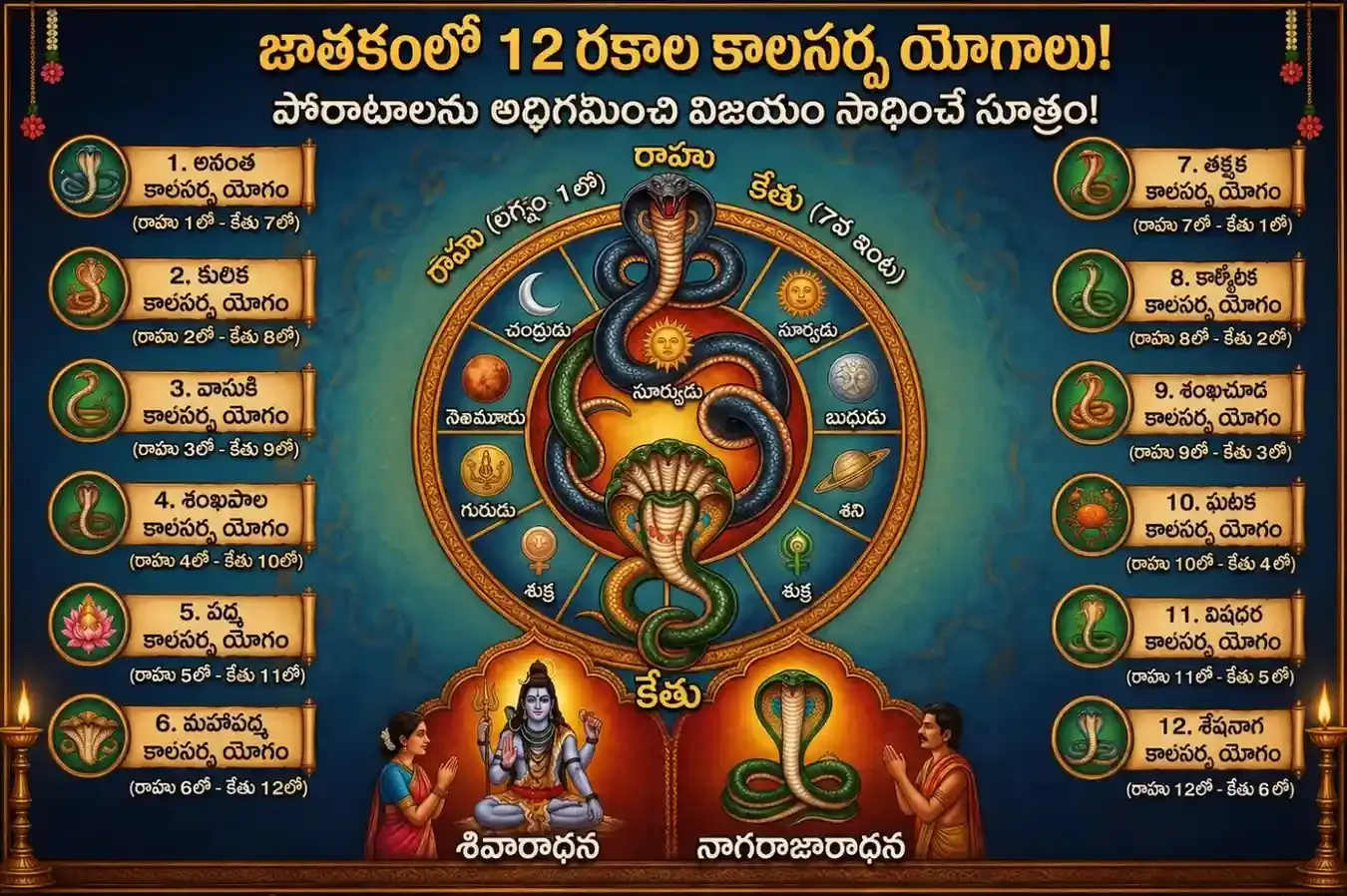
12 Types of Kaal Sarp Yoga – Effects, Remedies & Worship Guide