Gayatri Mantra Meaning and Benefits: Chanting for Divine Light and Wisdom
Gayatri Mantra Meaning and Benefits: Chanting for Divine Light and Wisdom Dear devotees, as the eternal light of Sanatana Dharma shines upon us, my heart…

Gayatri Mantra Meaning and Benefits: Chanting for Divine Light and Wisdom Dear devotees, as the eternal light of Sanatana Dharma shines upon us, my heart…
Gayatri Mantra Meaning and Benefits: Chanting for Divine Light and Wisdom
Dear devotees, as the eternal light of Sanatana Dharma shines upon us, my heart overflows with reverence for the Gayatri Mantra – the Mother of the Vedas, the sacred invocation to Savitur, the divine source of illumination. O beloved seekers of truth, let us bow in humble devotion:
Om Bhur Bhuvah Swah Tat Savitur Varenyam Bhargo Devasya Dhimahi Dhiyo Yo Nah Prachodayat
O Divine Mother Gayatri, embodiment of radiant wisdom, awaken our intellects with Your effulgent grace. Illuminate our paths, dispel the darkness of ignorance, and guide us towards eternal bliss. Jai Maa Gayatri!
The Gayatri Mantra, drawn from the ancient Rig Veda, is the essence of all Vedic wisdom – a universal prayer for divine light and inner awakening. As your humble priest sharing this sacred knowledge like a family elder by the holy fire, I invite you, dear devotees across the world, to embrace this timeless chant. Whether in the serene temples of Bharat or quiet homes in the global diaspora, the Gayatri unites us in bhakti, fostering unity in diversity.
The Origin and Mythological Story of the Gayatri Mantra
Legends from Puranas and Vedas: Revelation by Sage Vishwamitra
The Gayatri Mantra appears in the Rig Veda (Mandala 3, Hymn 62, Verse 10), revealed to the great sage Vishwamitra. Attributed to this revered rishi, who rose from kingship to Brahmarshi through intense tapasya, the mantra embodies the triumph of devotion and knowledge.
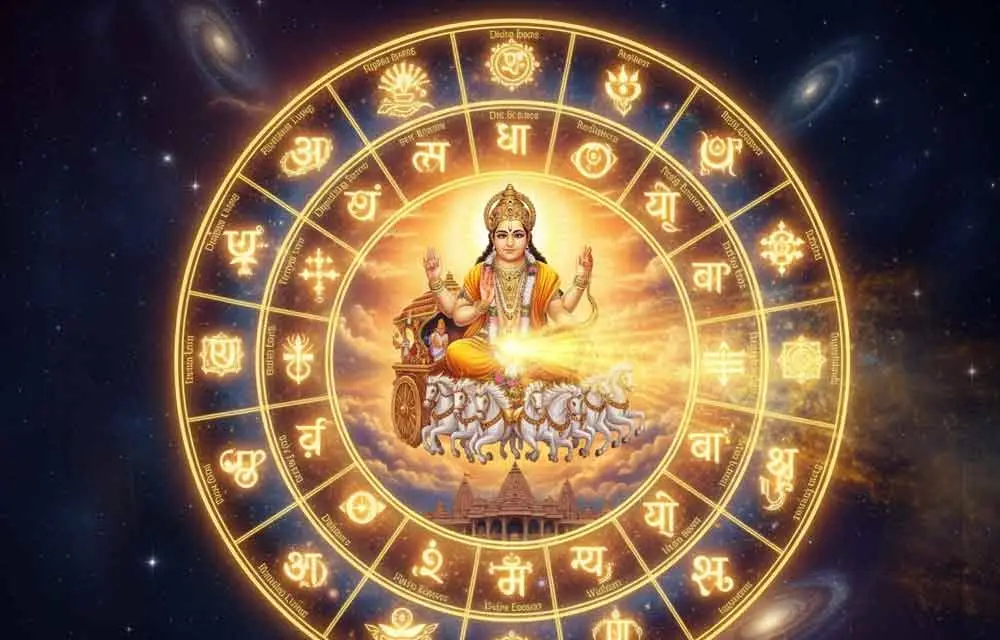
In Vedic lore, Gayatri is personified as Goddess Gayatri (or Savitri), the consort of Brahma, and mother of the Vedas. She manifests as the divine energy that inspires creation and wisdom. The mantra invokes Savitur, the radiant aspect of the Sun God, symbolizing the inner light that dispels ignorance.
As Lord Krishna declares in the Bhagavad Gita (Chapter 10, Verse 35):
"Among poetries, I am the Gayatri..."
This verse affirms Gayatri as the supreme chant, embodying divine vibration.
Dear devotees, Vishwamitra's story teaches us that sincere sadhana can awaken profound wisdom, accessible to all who approach with purity.
Spiritual Significance of the Gayatri Mantra: Invocation of Divine Light
The Gayatri Mantra is a prayer to Savitur – the inspiring power of the Divine Sun – for illumination of our buddhi (intellect). It transcends ritual, awakening inner radiance and guiding us from darkness (tamas) to light (sattva).
Bhur Bhuvah Swah represent the three worlds: physical, astral, and causal – reminding us of the Divine's omnipresence.
Spiritually, chanting Gayatri purifies the mind, burns karma, fosters forgiveness, and aligns us with cosmic harmony. It activates higher chakras, promoting clarity, peace, and self-realization.
In my priestly reflection: Gayatri embodies Hindu unity – chanted by millions daily, bridging generations and continents, reminding us that true wisdom unites all in divine love.
The Gayatri Mantra: Text, Pronunciation, and Word-by-Word Meaning
Phonetic Pronunciation Guide
Om Bhoor Bhu-vah Swa-ha Tat Sa-vi-tur Va-ren-yam Bhar-go De-va-sya Dhee-ma-hee Dhi-yo Yo Nah Pra-cho-da-yaat
(Chant slowly, with devotion, emphasizing each syllable.)
Word-by-Word Devotional Explanation
- Om: The primal sound, representing Brahman – the ultimate reality.
- Bhur: The physical realm; vital energy; earth.
- Bhuvah: The mental realm; destroyer of suffering; atmosphere.
- Swah: The spiritual realm; embodiment of bliss; heaven.
- Tat: That (referring selflessly to the Supreme).
- Savitur: The divine Sun; source of illumination and life.
- Varenyam: Worthy of adoration; most excellent.
- Bhargo: Radiant effulgence; purifying light.
- Devasya: Of the Divine Being.
- Dhimahi: We meditate upon.
- Dhiyo: Intellects; thoughts.
- Yo: Who.
- Nah: Our.
- Prachodayat: May inspire; enlighten.
Full meaning: "We meditate upon the radiant divine light of that Supreme Being, the source of all creation. May that light illuminate and inspire our intellects."
This devotional interpretation stirs the soul, inviting divine grace into every thought.
Traditional Rituals and Chanting Rules: Step-by-Step Guidance
Auspicious Timings and Muhurat
The Gayatri is ideally chanted during Sandhya (transition times):
- Brahma Muhurta (early morning, 1.5 hours before sunrise) – most powerful.
- Noon (Madhyahna).
- Sunset (evening).
Daily minimum: 108 times (one mala). Beginners: 3, 11, or 27 times.
Gayatri Mantra Chanting Rules Step-by-Step
- Purification: Bathe or wash hands/face/feet. Wear clean clothes.
- Posture: Sit facing east (morning) or north, in Padmasana or comfortably on a mat.
- Focus: Light a diya; visualize golden light or Goddess Gayatri.
- Japa Method:
- Use a tulsi or rudraksha mala.
- Chant mentally (upanshu) or softly – never loudly.
- Maintain purity: sattvic diet, brahmacharya in thought.
- Duration: Start with 108 repetitions; advanced devotees chant thousands.
- Conclusion: End with "Om Shanti" thrice for peace in body, mind, soul.
Practical tips for diaspora Hindus: Chant during quiet moments – commuting (mentally), or via apps for guidance. No strict initiation needed for sincere seekers today.
Traditional Offerings During Gayatri Japa
- Simple naivedya: Fruits, milk, or tulsi leaves.
- No elaborate recipes required – purity of heart is the true offering.
Modern Practice for Global Hindus: Unity in Diversity
Today, Gayatri transcends boundaries – chanted in homes, temples, yoga centers worldwide. Diaspora communities hold group japa sessions, online Sandhya, or apps for guided chanting.
Tips for overseas devotees:
- Use recorded Vedic chants for correct swara (intonation).
- Teach children early for cultural roots.
- Eco-friendly: Chant mentally to connect anytime.
Explore related wisdom on hindutone.com:
Benefits of Chanting Gayatri Mantra: Blessings and Karma Cleansing
Sincere japa yields profound fruits:
- Spiritual: Awakens wisdom, purifies karma, grants moksha darshan.
- Mental: Enhances concentration, reduces stress/anxiety, brings clarity.
- Physical: Balances energy, improves health through prana activation.
- Worldly: Removes obstacles, attracts prosperity, fosters harmony.
Scriptures affirm: Chanting Gayatri ten times daily alleviates karmic burdens; regular practice illuminates the soul like the Sun.
As a priest, I witness: Gayatri transforms lives, uniting families in devotion across oceans.
Puja and Mantra Suggestions
Simple Gayatri Puja:
- Place Gayatri Yantra or image.
- Offer water, flowers, incense.
- Chant 108 times with mala.
Extended Practice: Combine with Mahamrityunjaya or Durga mantras for protection.
For challenges: Chant Sankata Nashana Gayatri Stotra.
Conclusion: A Priest's Blessing
Dear devotees worldwide, embrace the Gayatri Mantra as your daily companion. Let its divine light dissolve ignorance, fill your hearts with wisdom, and unite us in eternal Sanatana Dharma.
May Maa Gayatri illuminate your intellects, guide your steps, and shower boundless grace upon all.
Om Shanti Shanti Shanti! Jai Maa Gayatri!
🌸 For More Devotional Journey, Follow
- Temples
/temples/ - Tirumala Updates
/tirumala/ - Sabarimala Yatra
/category/sabarimala-yatra/ - Pooja, Slokas & Mantras
/pooja-slokas-and-mantras/ - Hindu Gods
/hindu-gods/
Frequently Asked Questions
What is the Gayatri Mantra Meaning and Benefits?
Gayatri Mantra Meaning and Benefits: Chanting for Divine Light and Wisdom Dear devotees, as the eternal light of Sanatana Dharma shines upon us, my heart overflows with reverence for the Gayatri Mantra – the Mother of the Vedas, the sacred invocation to Savitur, the divine source of illumination. O beloved seekers of truth, let us bow in humble devotion: Om
How many times should the Gayatri Mantra Meaning and Benefits be chanted?
It is traditionally chanted 108 times using a rudraksha or tulsi mala. Even 11 or 21 sincere repetitions daily are considered beneficial — steady, focused practice matters more than the count.
What is the best time to chant the Gayatri Mantra Meaning and Benefits?
Dawn (Brahma Muhurta) after a bath is considered ideal, though it may be chanted any time with a calm, focused mind. Many devotees keep a fixed daily time to build consistency.
Who can chant the Gayatri Mantra Meaning and Benefits?
Anyone may chant it with faith and a pure mind, regardless of age, gender or background. Beginners benefit from first hearing the correct pronunciation and understanding its meaning.
What are the benefits of chanting the Gayatri Mantra Meaning and Benefits?
It is believed to calm the mind, dissolve negativity, and draw divine grace, protection and clarity to the devotee.
You might also like
Powerful Mantras for Students & Parents Before Joining School
Powerful Hindu Mantras for Purushottam Maas 2026: Vishnu Bhakti, Chanting Guide & Global Devotion

Sacred Hindu Festivals & Temple News: Divine Week — May 2026