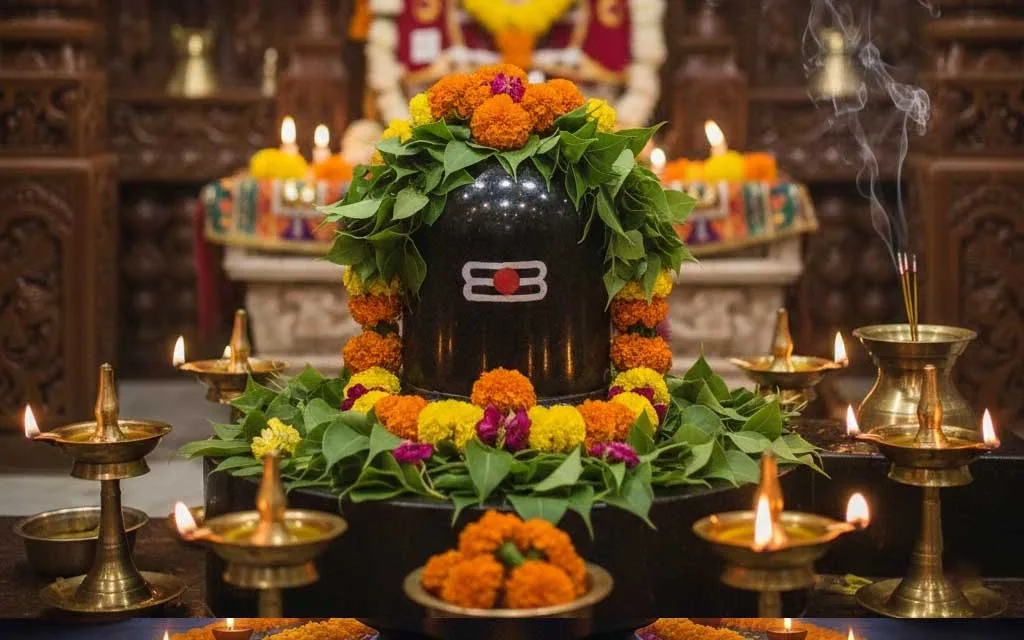
The Shukravar Vrat Katha
Shukravar Vrat (Friday Fasting) is a revered practice where devotees seek the blessings of Goddess Lakshmi and Shukra Graha (Venus).
Shukravar Vrat (Friday Fasting) is a revered practice where devotees seek the blessings of Goddess Lakshmi and Shukra Graha (Venus). Beyond the rituals and fasting, a Vrat Katha (sacred story) is traditionally heard or read, reinforcing the importance of unwavering faith and devotion. Among these tales, the story of a devoted old woman, her careless daughter-in-law, and the divine repercussions of their actions stands out as a powerful testament to the strength of genuine piety. This isn't just a story; it's a living lesson on the power of a pure heart.
The Story: A Devoted Woman’s Faith and a Family’s Fortune
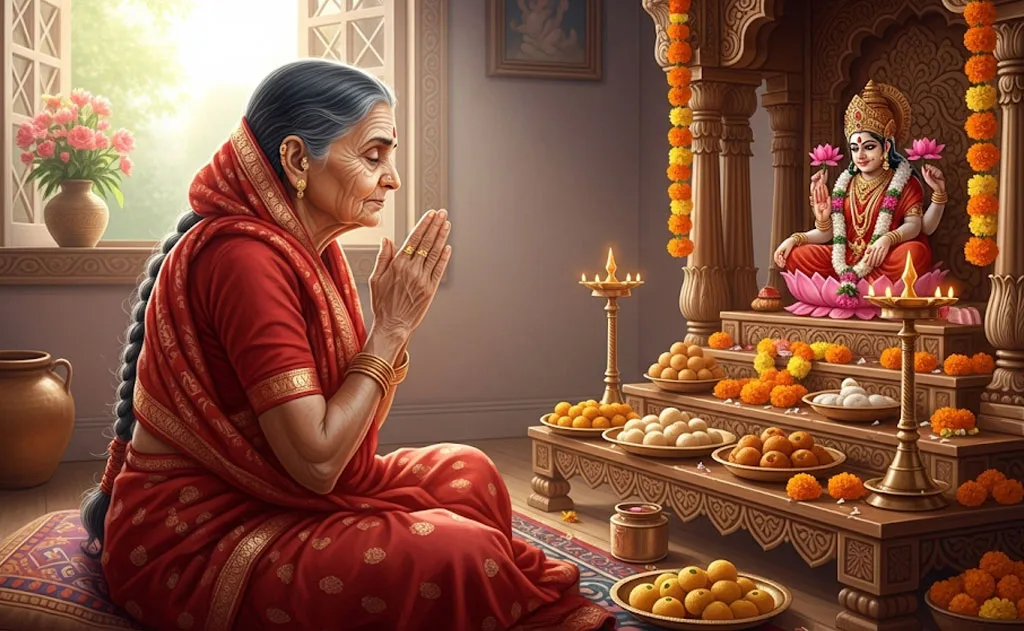
In a quaint village, there once lived an old woman who held immense faith in the Shukravar Vrat. Every Friday, she meticulously cleaned her home, wore fresh clothes, lit ghee lamps, and devoutly worshipped an idol of Shukra (Venus). Her offerings included white flowers, sweets, and heartfelt prayers. Her unwavering devotion brought her family peace, prosperity, and happiness, a testament to the blessings she received.
A Turn of Events
One day, the old woman embarked on a pilgrimage to sacred temples. Before her departure, she entrusted the responsibility of continuing the Shukravar Vrat to her daughter-in-law, carefully explaining the rituals and their significance. However, the daughter-in-law, being negligent and indifferent, disregarded the rituals, disrespected the idol, and ultimately discarded it in the trash.
The Power of Sincere Devotion
Coincidentally, a poor woman passing by noticed the discarded idol. With a heart full of reverence, she picked it up, cleaned it, and began worshipping it regularly with utmost devotion. She offered what little she had—a banana, a lamp, and sincere prayers. Miraculously, within weeks, her fortune transformed. Her home filled with wealth, her life with joy, and her sudden prosperity became the talk of the village.
Misfortune Befalls the Old Woman’s Family
Meanwhile, the old woman's family faced a string of continuous hardships—financial woes, illnesses, and constant quarrels. Nothing seemed to go right. Upon her return from the pilgrimage, the old woman was shocked by the decline. When questioned, her daughter-in-law confessed to neglecting the vrat and discarding the idol.
The old woman frantically searched for the idol and discovered it at the poor woman’s now flourishing house. With humility, she requested the idol's return, explaining her past devotion. Moved by the story, the poor woman respectfully returned it. The old woman resumed her vrat with full faith, and soon, her family's health, wealth, and happiness were restored.
Moral of the Story
This profound tale teaches us that true devotion always brings divine blessings, while neglect, disrespect, and carelessness towards sacred rituals lead to downfall. The story emphasizes that faith, humility, and dedication are far more potent than material offerings. The divine responds not to riches, but to the purity of heart.
Relevance in Today’s Life
In our modern world, where the pursuit of material success often dominates, this story serves as a crucial reminder that spiritual wealth is equally, if not more, important. Observing Shukravar Vrat with sincerity can indeed bring about unexpected blessings in relationships, finances, and overall peace of mind.
Conclusion
The tale of the devoted old woman and her daughter-in-law is more than just a legend; it’s a living lesson in faith, karma, and the eternal grace of the divine. Let us honor these ancestral traditions, observe Shukravar Vrat with sincerity, and keep devotion vibrant in our hearts
Frequently Asked Questions
What is the story of the Shukravar Vrat Katha?
As commonly told, a devout old woman leaves her Friday vrat to her daughter-in-law, who discards the idol of Shukra. A poor woman worships it sincerely and prospers, while the old woman's family suffers until the idol is returned.
Which deities are worshipped on Shukravar Vrat?
Shukravar Vrat is observed on Fridays to seek the blessings of Goddess Lakshmi and Shukra Graha (Venus).
What does the old woman offer during the Friday vrat?
She cleans her home, wears fresh clothes, lights ghee lamps and worships the idol of Shukra with white flowers, sweets and heartfelt prayers.
What is the moral of the Shukravar Vrat Katha?
True devotion brings divine blessings, while neglect and disrespect toward sacred rituals lead to downfall. Faith, humility and purity of heart matter more than costly offerings.
What did the poor woman offer to the idol?
She offered what little she had: a banana, a lamp and sincere prayers. Within weeks her fortune is said to have transformed.
Share this with family and friends
Send it on WhatsApp, post it, or copy the link.
More from Spirituality
- Chilkur Balaji 'Visa Balaji' Temple: The 11 and 108 Pradakshina Custom Explained for NRIs
- Ekagrata (One-Pointedness): Yoga Concentration and Samyama Glossary
- Complete MBBS Once in Life: The Spiritual Meaning of Mahabharata, Bhagavatam, Bhagavad Gita & Ramayana
- Sri Medha Dakshinamurthy Swami Dhyanam | Meditation Sloka for Intelligence, Eloquence & Self-Realization
- What Is True Poverty? | Dharma Is the Greatest Wealth | Sanatana Dharma
You might also like
Friday Lakshmi Puja: Shukravar Vrat, Lakshmi Mantra and Rituals
Friday Rituals in Hinduism — Shukravar Lakshmi Puja, Devi Worship & Complete NRI Guide for 2026

Mangala Gowri Vrat Katha 2025: A Sacred Devotional Journey for Marital Bliss