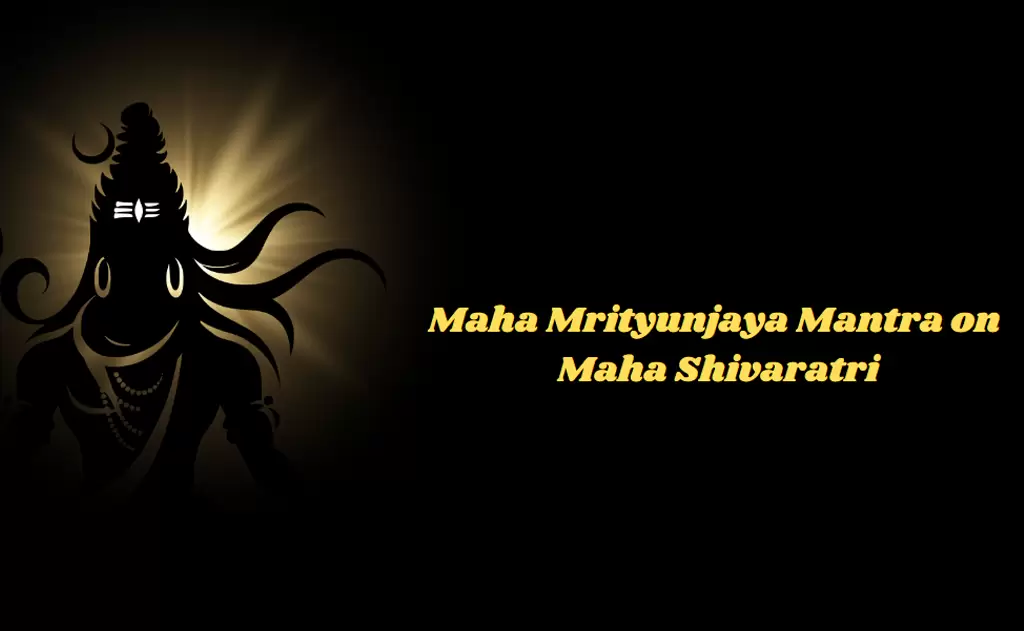
The Spiritual Significance of Maha Shivaratri: Awakening Inner Consciousness
Maha Shivaratri, the "Great Night of Shiva," is one of the most revered festivals in Hinduism, dedicated to Lord Shiva, the supreme being who represents the…
Maha Shivaratri, the "Great Night of Shiva," is one of the most revered festivals in Hinduism, dedicated to Lord Shiva, the supreme being who represents the…
Maha Shivaratri, the "Great Night of Shiva," is one of the most revered festivals in Hinduism, dedicated to Lord Shiva, the supreme being who represents the cycle of creation, preservation, and dissolution. The spiritual significance of Maha Shivaratri extends far beyond the rituals and fasting; it is a profound reminder of our journey towards inner awakening, transcending darkness and ignorance to attain higher states of consciousness.
- Symbolizing the Triumph Over Darkness and Ignorance
Maha Shivaratri is celebrated during the darkest night of the lunar month, symbolizing the victory of light over darkness, knowledge over ignorance, and spiritual wisdom over material attachments. This day encourages devotees to recognize the darkness within—such as ego, desires, and attachments—and seek the light of spiritual awakening. Fasting and meditation on this night signify the purification of the soul, enabling individuals to move from external distractions toward the inner divine presence.
- Lord Shiva: The Embodiment of Inner Consciousness
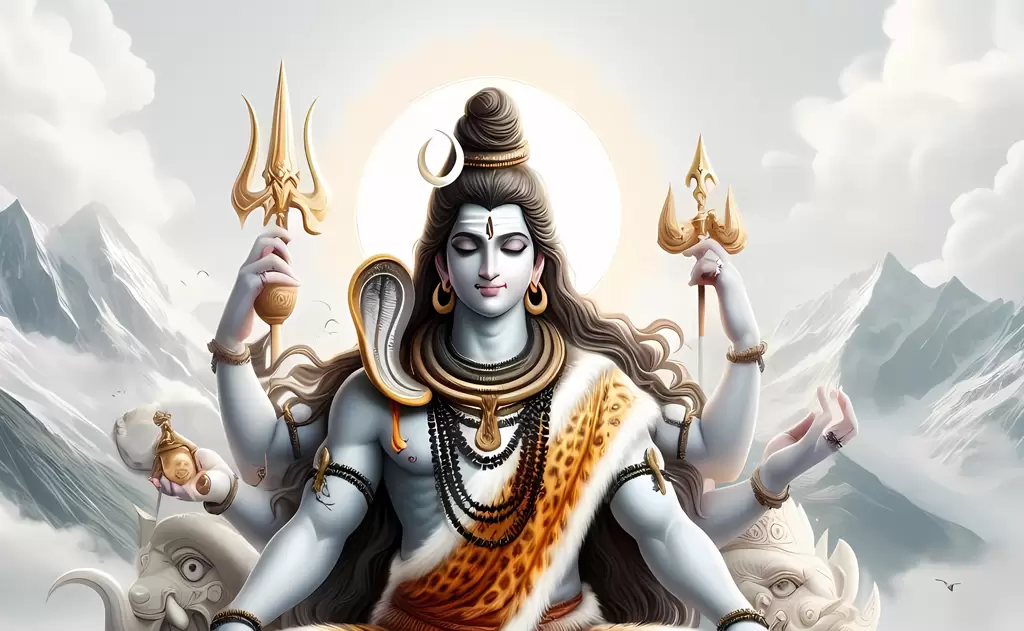
Lord Shiva is often depicted in deep meditation, symbolizing the stillness of mind and the deep state of awareness that lies within each of us. Maha Shivaratri is a time to reflect on the nature of consciousness, as Lord Shiva represents the essence of pure awareness—untainted by thoughts, desires, or the material world. His divine dance, the Tandava, illustrates the cosmic cycles of creation and destruction, symbolizing the constant evolution of life and the awakening of the soul.
By meditating on Lord Shiva during Maha Shivaratri, we align with this energy, allowing us to still our minds, dissolve our limitations, and awaken our deeper potential for inner transformation.
- The Power of Shiva's Third Eye: Inner Vision and Intuition
The third eye of Lord Shiva represents the power of inner vision—the ability to see beyond the illusions of the material world and perceive the truth of our divine nature. Maha Shivaratri is a powerful opportunity to awaken this inner vision, fostering intuition, wisdom, and clarity.
When we focus on awakening our own "third eye," we tap into the deeper consciousness that connects us with the universal source of wisdom. This awakening helps us transcend the limitations of the mind, opening the path to spiritual enlightenment.
- Spiritual Practices on Maha Shivaratri: Awakening the Inner Divine
On Maha Shivaratri, devotees engage in fasting, night-long vigils, chanting mantras, and performing rituals. These practices are designed to activate the latent spiritual energy within, known as Kundalini. It is believed that when we fast, meditate, and chant the sacred mantra "Om Namah Shivaya", we align our energy with the cosmic vibrations of Lord Shiva, allowing for the awakening of higher consciousness.
Staying awake throughout the night is also a symbolic act of maintaining awareness—remaining conscious of the inner self and resisting the slumber of ignorance. It is during these moments of heightened awareness that devotees experience glimpses of their true nature, beyond the confines of the material world.
- Transcendence and Liberation (Moksha)
Maha Shivaratri is a gateway to liberation, or Moksha. Lord Shiva is considered the ultimate liberator, freeing souls from the cycle of birth and rebirth. By offering sincere devotion and practicing spiritual disciplines on this sacred night, we invoke the grace of Lord Shiva to help us break free from the cycles of karmic bondage and worldly attachments.
The festival reminds us that true liberation comes not from external achievements but from awakening the divine consciousness within and realizing our oneness with the cosmos.
The Role of Devotion on Maha Shivaratri: Surrendering to Lord Shiva
Maha Shivaratri, the sacred festival dedicated to Lord Shiva, is a time for deep devotion, or bhakti, where devotees offer themselves in surrender to the divine will of the supreme consciousness. The role of devotion in worshipping Lord Shiva on Maha Shivaratri goes beyond the external rituals; it is about internal transformation, surrendering one’s ego, and opening the heart to the divine presence of Shiva.
- Devotion as a Path to Inner Peace and Spiritual Fulfillment
In Hinduism, devotion (bhakti) is one of the primary paths to spiritual enlightenment. On Maha Shivaratri, devotees engage in various forms of bhakti, such as fasting, chanting Lord Shiva’s sacred mantras, offering prayers, and performing rituals like the Abhishekam (ritual bathing of the Shiva Lingam). Through these devotional acts, individuals express their love and reverence for Lord Shiva.
Surrendering through devotion brings inner peace, as it allows the mind to transcend worldly desires and attachments. By focusing all attention on Lord Shiva, the mind becomes still, and the heart opens to the divine grace, creating a space for inner transformation. In this state of surrender, devotees experience a sense of unity with the divine, where their burdens are lifted, and peace is attained.
- Surrendering the Ego: Letting Go of Control
At the core of bhakti on Maha Shivaratri is the act of surrender—letting go of the ego and the illusion of control over life. The ego often causes us to cling to personal desires, fears, and attachments, creating inner turmoil and suffering. Devotion to Lord Shiva involves offering these burdens to him, trusting that his divine will guides us towards our highest good.
Lord Shiva, often referred to as the Destroyer, symbolizes the destruction of the ego and false identification with the material self. By surrendering to Lord Shiva on Maha Shivaratri, devotees acknowledge their own limitations and submit to the wisdom of the divine, allowing Shiva to dissolve the barriers of ego and ignorance that hinder spiritual growth.
Through this act of surrender, devotees find freedom from the anxieties and stresses of life. They recognize that true control rests with the divine, and by releasing their attachment to outcomes, they experience liberation from the constraints of the ego.
- Bhakti as a Tool for Enlightenment and Transformation
The ultimate goal of devotion on Maha Shivaratri is not just external worship but internal transformation and spiritual awakening. Devotion to Lord Shiva helps individuals align their consciousness with the cosmic energy of Shiva, leading to self-realization and enlightenment.
In the Bhagavad Gita, Lord Krishna explains that true devotion involves offering one’s mind, body, and soul to the divine with pure intent. On Maha Shivaratri, the energy of devotion activates the dormant spiritual power within, helping devotees rise above the limitations of the material world and reach higher states of awareness.
By fully surrendering to Lord Shiva with faith and devotion, devotees undergo a process of inner purification. Their hearts and minds are transformed, and they experience the awakening of their own divine consciousness, which leads to spiritual enlightenment.
- Chanting and Surrender: The Power of Mantras
Chanting the sacred mantra "Om Namah Shivaya" is one of the central devotional practices on Maha Shivaratri. This mantra translates to "I bow to Lord Shiva," symbolizing the act of surrender and devotion to the supreme consciousness. Repeating this mantra with sincerity and focus helps devotees to let go of their mental distractions and ego, bringing them closer to the divine presence of Lord Shiva.
Chanting also has a transformative effect on the mind and soul, as the vibrations of the mantra resonate with the divine energy. As devotees chant, they experience a sense of oneness with Shiva, which fosters inner calm and spiritual clarity. The repetitive act of chanting reinforces the principle of surrender, allowing individuals to immerse themselves in the love and grace of Lord Shiva.
- Surrendering for Inner Strength and Guidance
Surrendering to Lord Shiva through devotion does not mean giving up personal will but rather aligning oneself with the higher divine will. Devotees who surrender to Lord Shiva on Maha Shivaratri seek his guidance and strength to face life’s challenges. Lord Shiva, known as Mahadeva (the great god), represents both destruction and creation, reminding us that every ending is a new beginning.
By surrendering to Lord Shiva’s wisdom, devotees place their trust in the divine plan, knowing that everything unfolds as it should. This act of faith strengthens their inner resolve and brings clarity and purpose to their lives. Through devotion, they understand that true transformation comes from accepting life’s circumstances with grace and trusting in the higher power that governs the universe.
- The Abhishekam: A Ritual of Devotional Surrender
One of the most significant devotional rituals on Maha Shivaratri is the Abhishekam, where devotees pour offerings of milk, honey, water, and other sacred substances over the Shiva Lingam. This act symbolizes the pouring of one’s heart in devotion and surrender to Lord Shiva. The Abhishekam represents the devotee’s willingness to cleanse themselves of impurities—both physical and spiritual—and offer their devotion wholeheartedly.
The ritual is a reminder that devotion is not just an intellectual exercise but a heartfelt surrender of one’s soul to the divine. Through the Abhishekam, devotees express their deep love and humility before the greatness of Lord Shiva, seeking his blessings for inner peace, purification, and spiritual growth.
The role of devotion in Maha Shivaratri is central to the spiritual experience of this sacred festival. Through acts of surrender, chanting, and heartfelt worship, devotees express their love for Lord Shiva and open themselves to his divine grace. Surrendering to Lord Shiva allows individuals to let go of their ego, fears, and attachments, bringing them peace, strength, and inner transformation.
Maha Shivaratri is a powerful reminder that true spiritual growth comes from surrendering to the divine will and aligning ourselves with the cosmic energy of Lord Shiva. In this surrender, we find the path to inner enlightenment, liberation, and the realization of our divine nature. Om Namah Shivaya.
Conclusion
Maha Shivaratri is a celebration of the inner journey—a night of spiritual renewal where we confront the darkness within ourselves and emerge with awakened consciousness. By meditating on Lord Shiva, we embrace the transformative power of his divine energy, allowing us to transcend ego, overcome ignorance, and move closer to the ultimate goal of spiritual liberation. Through fasting, chanting, and deep reflection, Maha Shivaratri provides a unique opportunity to awaken the inner Shiva, the divine consciousness that resides within us all.
May this sacred night of Maha Shivaratri lead you towards inner peace, wisdom, and spiritual awakening. Om Namah Shivaya.
Frequently Asked Questions
What does Maha Shivaratri mean?
Maha Shivaratri means the "Great Night of Shiva", a festival dedicated to Lord Shiva, who represents the cycle of creation, preservation and dissolution. It is celebrated during the darkest night of the lunar month.
Why do devotees stay awake all night on Maha Shivaratri?
The night-long vigil is a symbolic act of maintaining awareness of the inner self and resisting the slumber of ignorance. Devotees spend it fasting, meditating, chanting mantras and performing rituals.
What is the meaning of the Om Namah Shivaya mantra?
Om Namah Shivaya translates to "I bow to Lord Shiva" and expresses surrender and devotion. Chanting it with sincerity helps devotees let go of mental distractions and ego.
What does Shiva's third eye symbolise?
The third eye represents inner vision: the ability to see beyond the illusions of the material world and perceive the truth of our divine nature. Maha Shivaratri is seen as an opportunity to awaken intuition, wisdom and clarity.
What is the abhishekam performed on Maha Shivaratri?
Abhishekam is the ritual bathing of the Shiva Lingam, where devotees pour milk, honey, water and other sacred substances. It symbolises pouring one's heart out in devotion and surrender to Lord Shiva.
How is Maha Shivaratri connected to moksha?
Lord Shiva is considered the ultimate liberator, freeing souls from the cycle of birth and rebirth. Sincere devotion and spiritual discipline on this night invoke his grace to break free from karmic bondage and worldly attachments.
You might also like
Shani Deva Is Not Evil — He Is the Cosmic Judge of Karma
Fasting on Maha Shivaratri: Cleansing the Mind and Body
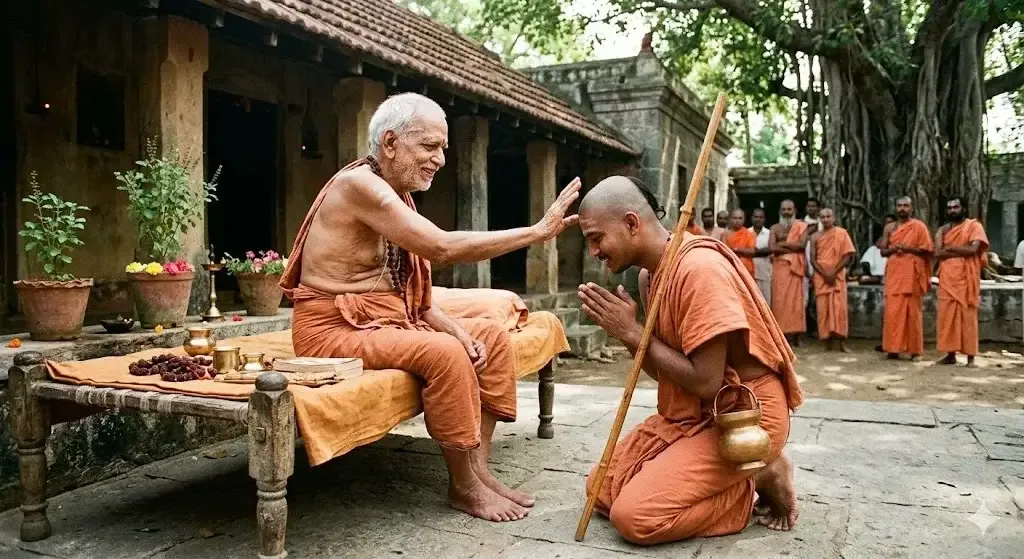
The Resolve of a Monk – A Divine Incident Showcasing Kanchi Paramacharya’s Compassion