
Vaikuntha Ekadashi in Karnataka Temples: Udupi, Melkote & Belur
Where Madhva Bhakti, Ramanuja Philosophy, and Hoysala Heritage Converge Introduction: Karnataka’s Distinct Vaikuntha Ekadashi Legacy In Karnataka, Vaikuntha…
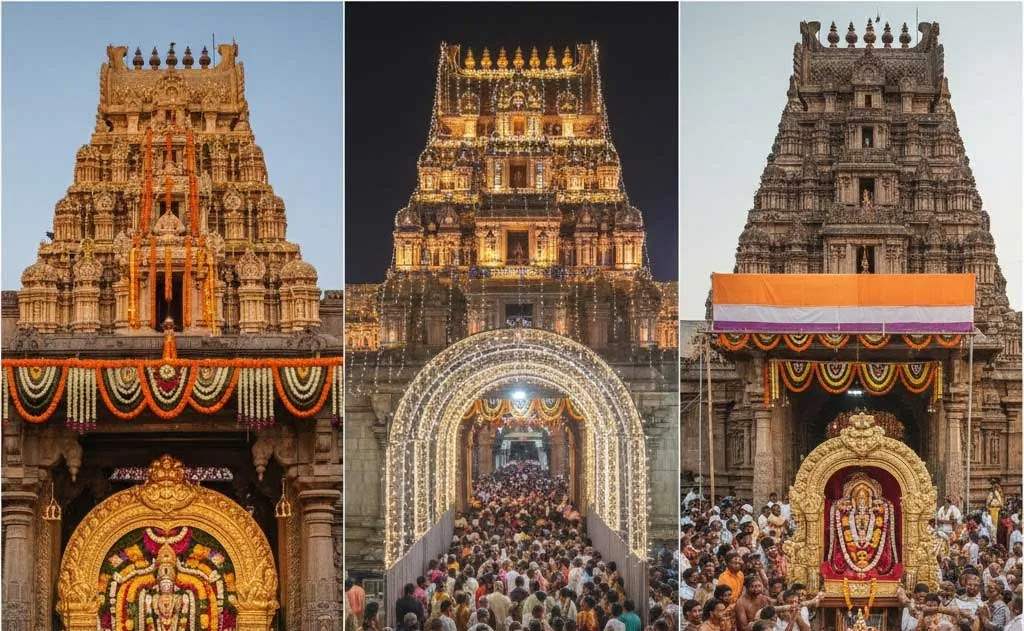
Update (October 2026): Vaikuntha Ekadashi 2026 falls on Sunday, 20 December (Saturday, 19 December for Smarta households in the USA and Canada). This article describes an earlier observance — for current dates and guidance, see our Vaikuntha Ekadashi 2026 guide.
Where Madhva Bhakti, Ramanuja Philosophy, and Hoysala Heritage Converge
Introduction: Karnataka’s Distinct Vaikuntha Ekadashi Legacy
In Karnataka, Vaikuntha Ekadashi unfolds with a character that is philosophical, disciplined, and deeply cultural. Unlike the grand processional emphasis of Tamil Nadu or the mass pilgrimage model of Tirupati, Karnataka’s Ekadashi celebrations reflect Vaishnava scholarship, temple-centered community life, and regional food traditions rooted in sattva.
Here, Madhva (Dvaita) and Ramanuja (Visishtadvaita) traditions coexist, shaping Ekadashi into a day-and-night immersion of bhajans, Harikatha, fasting, and inner contemplation.
From the night-long bhajans of Udupi, the Paramapada symbolism of Melkote, to the architectural devotion of Belur, Vaikuntha Ekadashi in Karnataka becomes a journey of intellect meeting emotion—jnana guided by bhakti.
This guide is curated especially for Hindutone readers, blending sect traditions, temple culture, food customs, and lived devotion.
Why Karnataka’s Vaikuntha Ekadashi Is Unique
Karnataka stands apart due to:
- Strong Madhva (Dvaita Vedanta) influence
- Presence of Ramanuja’s historical footprint
- Temple towns functioning as cultural universities
- Emphasis on Harikatha, Dasa Sahitya, and Vedantic discourse
- Simple, grain-free fasting foods rooted in Ayurveda
Ekadashi here is not rushed—it is listened to, reflected upon, and lived.
Udupi Sri Krishna Temple: The Heart of Madhva Ekadashi
Temple Identity
- Deity: Sri Krishna (Balakrishna form)
- Philosophy: Dvaita Vedanta (Sri Madhvacharya)
- Unique Feature: Darshan through Kanakana Kindi
Vaikuntha Ekadashi at Udupi
At Udupi, Vaikuntha Ekadashi is observed as a night-long spiritual vigil, not a crowd-centric spectacle.
Key Ritual Elements
- Continuous Harikatha & Dasa Sahitya
- Vishnu Sahasranama chanting
- Scriptural debates and discourses
- Silent darshan hours during late night
Unlike other temples, Paramapada Vasal symbolism is internalized, not physically enacted.
Madhva Tradition Perspective
- Ekadashi fasting is mandatory
- Grain consumption is strictly avoided
- Bhakti expressed through music and philosophy
- Emphasis on Vishnu’s supremacy
“Ekadashi purifies the intellect so bhakti may shine without obstruction.” — Madhva tradition
Cultural Programs in Udupi
- Overnight bhajan mandalis
- Youth-led kirtana sessions
- Discourses on Bhagavata Purana
- Temple town remains awake till dawn
Regional Ekadashi Food (Udupi Style)
- Coconut-based preparations
- Ash gourd dishes
- Buttermilk & herbal drinks
- Minimal spices, maximum purity
Melkote (Yadugiri): Ramanuja’s Sacred Ekadashi Landscape
Temple Identity
- Deity: Sri Cheluvanarayana
- Sect: Sri Vaishnava (Ramanuja lineage)
- Historical Importance: Ramanuja’s long stay and reforms
Vaikuntha Ekadashi in Melkote
Melkote celebrates Ekadashi with Srirangam-inspired traditions, adapted to Karnataka’s cultural rhythm.
Key Observances
- Symbolic Paramapada darshan
- Divya Prabandham chanting
- Slow, meditative processions
- Discourses on Prapatti (surrender)
Melkote’s Ekadashi is quietly intense, attracting scholars and serious devotees.
Temple Town Culture
- Entire town observes Ekadashi vratam
- Homes remain grain-free
- Lamps lit throughout streets
- Children recite Alwar pasurams
Regional Fasting Food (Melkote Style)
- Milk & fruit-based meals
- Pepper rasam (without grains)
- Boiled vegetables with ghee
- Minimal sweetness
Belur Chennakesava Temple: Vaikuntha in Stone
Temple Identity
- Deity: Sri Chennakesava (Vishnu)
- Dynasty: Hoysala
- Known for: Devotional architecture
Vaikuntha Ekadashi at Belur
Though not a Divya Desam, Belur’s Ekadashi observance is aesthetic and devotional, reflecting Vishnu bhakti carved into stone.
Key Features
- Special morning abhisheka
- Chanting inside pillared halls
- Cultural performances inspired by Vaishnava themes
- Quiet darshan experience
Here, devotion flows through art, silence, and reverence.
Cultural Programs in Belur
- Yakshagana performances on Vishnu avatars
- Temple-sponsored Harikatha
- Classical music evenings
- Community fasting meals
Regional Ekadashi Food (Hoysala Region)
- Sweet potato dishes
- Ragi avoided (grain)
- Coconut jaggery mixtures
- Herbal water preparations
Comparative View: Karnataka’s Major Ekadashi Temples
Vaishnava Sect Traditions Explained Simply
Madhva Tradition (Udupi)
- Vishnu is supreme
- Soul and God are distinct
- Ekadashi fasting is absolute
- Bhakti expressed through knowledge
Sri Vaishnava Tradition (Melkote)
- Vishnu with Lakshmi as mediatrix
- Grace over effort
- Ekadashi emphasizes surrender
- Poetry and emotion central
Karnataka uniquely houses both streams harmoniously.
Spiritual Psychology of Karnataka Ekadashi
Devotees often describe:
- Mental clarity
- Reduced sensory noise
- Heightened listening capacity
- Emotional calm instead of ecstasy
Ekadashi here quietens the mind before elevating the soul.
For More Devotional Journey, Follow
- Temples
/temples/ - Tirumala Updates
/tirumala/ - Sabarimala Yatra
/category/sabarimala-yatra/ - Pooja, Slokas & Mantras
/pooja-slokas-and-mantras/ - Hindu Gods
/hindu-gods/
FAQs: Vaikuntha Ekadashi in Karnataka
1. Is Paramapada Vasal opened in Karnataka temples?
Only symbolically; emphasis is internal transformation.
2. Is fasting stricter here than other states?
Yes, especially in Madhva tradition.
3. Are cultural programs religious or entertainment-based?
Entirely devotional and scriptural.
4. Can non-Vaishnavas participate?
Yes, all are welcome.
5. Which temple suits first-time visitors?
Belur or Melkote for calm experience.
6. Is night-long Jagaran compulsory?
Spiritually encouraged, not enforced.
7. Are children involved?
Very actively, especially in Udupi and Melkote.
Conclusion: Karnataka’s Ekadashi—Quiet, Deep, Transformative
Vaikuntha Ekadashi in Karnataka teaches a powerful truth:
liberation does not always arrive with thunderous crowds—it often arrives through listening, fasting, and inner stillness.
Whether through Udupi’s disciplined bhakti, Melkote’s surrender-filled philosophy, or Belur’s stone-carved devotion, Karnataka opens the gates of Vaikuntha inside the devotee first.
“When the intellect bows, the heart follows—and Vaikuntha opens.”
Frequently Asked Questions
Where is Vaikuntha Ekadashi in Karnataka Temples located?
Where Madhva Bhakti, Ramanuja Philosophy, and Hoysala Heritage Converge Introduction: Karnataka’s Distinct Vaikuntha Ekadashi Legacy In Karnataka , Vaikuntha Ekadashi unfolds with a character that is philosophical, disciplined, and deeply cultural . Unlike the grand processional emphasis of Tamil Nadu or the mass pilgrimage model of Tirupati, Karnataka’s Eka
Who is the presiding deity of Vaikuntha Ekadashi in Karnataka Temples?
The temple's presiding deity and its significance are described in the guide above.
What are the timings and how do I reach Vaikuntha Ekadashi in Karnataka Temples?
Temples typically open early morning and evening; confirm current darshan timings before visiting. The nearest airport, railway station and road routes are covered in the guide above.
What is the best time to visit Vaikuntha Ekadashi in Karnataka Temples?
Major festival days and the cooler months are popular, though weekday mornings offer a calmer darshan. Plan around the temple's key festivals for the most vibrant experience.
Share this with family and friends
Send it on WhatsApp, post it, or copy the link.
More from Spirituality
- Chilkur Balaji 'Visa Balaji' Temple: The 11 and 108 Pradakshina Custom Explained for NRIs
- Ekagrata (One-Pointedness): Yoga Concentration and Samyama Glossary
- Complete MBBS Once in Life: The Spiritual Meaning of Mahabharata, Bhagavatam, Bhagavad Gita & Ramayana
- Sri Medha Dakshinamurthy Swami Dhyanam | Meditation Sloka for Intelligence, Eloquence & Self-Realization
- What Is True Poverty? | Dharma Is the Greatest Wealth | Sanatana Dharma
You might also like

Top New Zealand Temples to Celebrate Vaikuntha Ekadashi - December 2026
Vaikuntha Dwaram Explained: Meaning, Symbolism & Spiritual Science

Vaikuntha Ekadashi in Tamil Nadu: Srirangam, Tiruvallikeni and Kanchipuram
