Breaking
Subscribe

ॐ ऐं ह्रीं क्लीं चामुण्डायै विच्चे

Kali Badi Mandir

Kali Badi Mandir is a Hindu temple in New Ashok Nagar, East Delhi, serving as a neighbourhood place of worship and spiritual gathering for residents of this Delhi suburb.

॥ जय माता दी ॥

Ancient Bells,
Living Faith

Kali Badi Mandir stands in New Ashok Nagar, a residential locality in East Delhi's urban expanse. As a Hindu temple, it forms part of the spiritual infrastructure that anchors community life in this Delhi suburb. The temple serves the devotional needs of neighbouring households, offering a space for prayer, ritual observance, and the marking of religious occasions throughout the year. Like many neighbourhood temples across Delhi's expanding metropolitan area, Kali Badi Mandir reflects the religious continuity of Hindu worship practices within urban residential settings. The temple's presence in New Ashok Nagar underscores how sacred spaces remain woven into the fabric of modern suburban life, even as localities transform and expand. For residents of the area, the temple provides an accessible venue for personal worship and community gathering during festivals and auspicious occasions. The temple's postal code places it firmly within East Delhi's administered boundaries, making it a recognisable landmark for those seeking neighbourhood places of worship.

॥ वसुधैव कुटुम्बकम् ॥

Light a Lamp,
Offer a Prayer

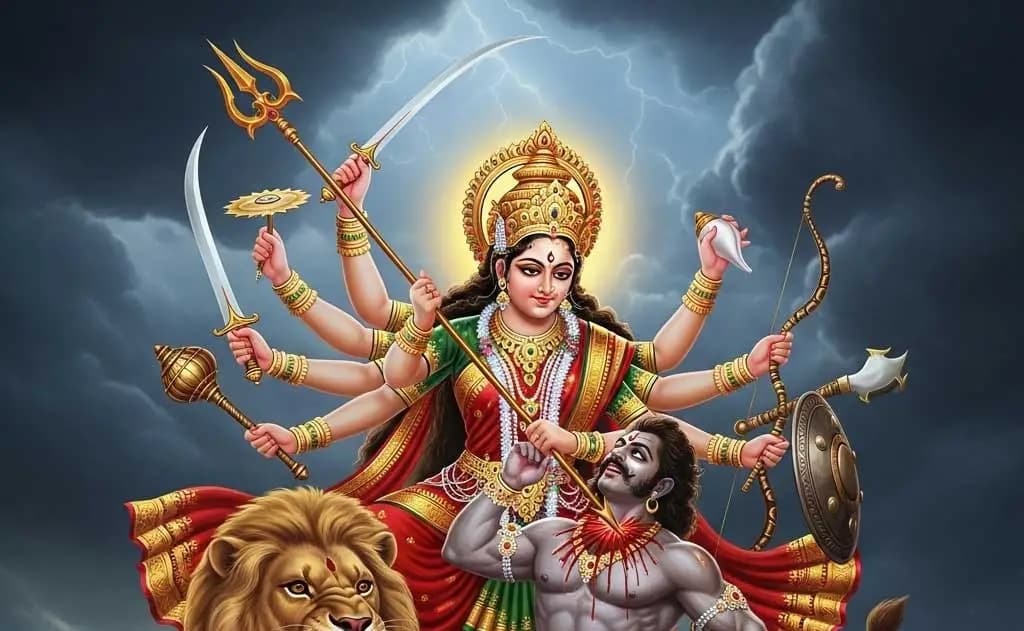
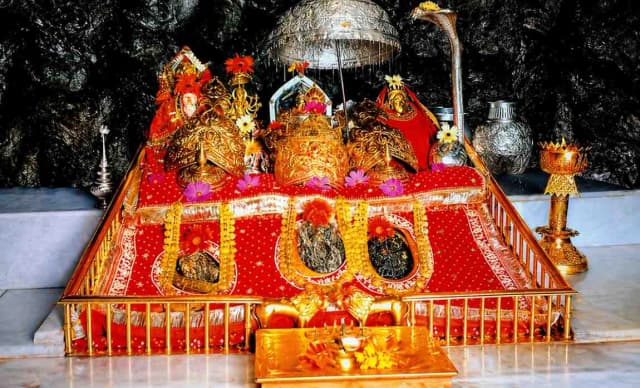
Every wick lit, every offering made at Kali Badi Mandir, joins a river of devotion that flows through every heart that has ever sought refuge in Devi.

Welcome to the Sanctum

Kali Badi Mandir

Kali Badi Mandir is a Hindu temple in New Ashok Nagar, East Delhi, serving as a neighbourhood place of worship and spiritual gathering for residents of this Delhi suburb.

Kali Badi Mandir stands in New Ashok Nagar, a residential locality in East Delhi's urban expanse. As a Hindu temple, it forms part of the spiritual infrastructure that anchors community life in this Delhi suburb. The temple serves the devotional needs of neighbouring households, offering a space for prayer, ritual observance, and the marking of religious occasions throughout the year. Like many neighbourhood temples across Delhi's expanding metropolitan area, Kali Badi Mandir reflects the religious continuity of Hindu worship practices within urban residential settings. The temple's presence in New Ashok Nagar underscores how sacred spaces remain woven into the fabric of modern suburban life, even as localities transform and expand. For residents of the area, the temple provides an accessible venue for personal worship and community gathering during festivals and auspicious occasions. The temple's postal code places it firmly within East Delhi's administered boundaries, making it a recognisable landmark for those seeking neighbourhood places of worship.

108Sacred Lamps
6Daily Aartis
Blessings

ॐ ऐं ह्रीं क्लीं चामुण्डायै विच्चे

Sacred Offerings

Sevas & Pujas

Offerings performed by ordained priests under the guidance of vedic tradition — for every milestone of life.

श्री

Mahabhishekam

Ceremonial bathing of the deity with milk, honey, sandalwood and sacred herbs accompanied by Vedic chants.

Archana

Recitation of the deity's names and mantras with flower offerings, performed in your name and gotra.

गं

Ganapati Homam

Sacred fire ritual to invoke Lord Ganesha — performed before new beginnings and important journeys.

Daily Worship

Aarti & Darshan Hours

Open every day of the week. Each hour carries its own fragrance, its own prayer.

  • 05:00 AMMangala AartiGoddess is awakened with lamps and conch
  • 08:00 AMSnana & ShringarCeremonial bath followed by adornment
  • 12:00 PMBhog AartiMidday offering of bhoga and naivedyam
  • 04:30 PMUtthapan DarshanRe-opening of the sanctum
  • 07:30 PMSandhya AartiTwilight devotion with rhythmic bells
  • 09:30 PMShayan AartiFinal aarti — sanctum closes

Plan Your Visit

Reach the Sanctum

Address: Delhi, Delhi, India 110096
Daily wisdom delivered to your inbox

Join 40,000+ devotees receiving mantras, festival alerts, temple stories, and panchang — every morning.