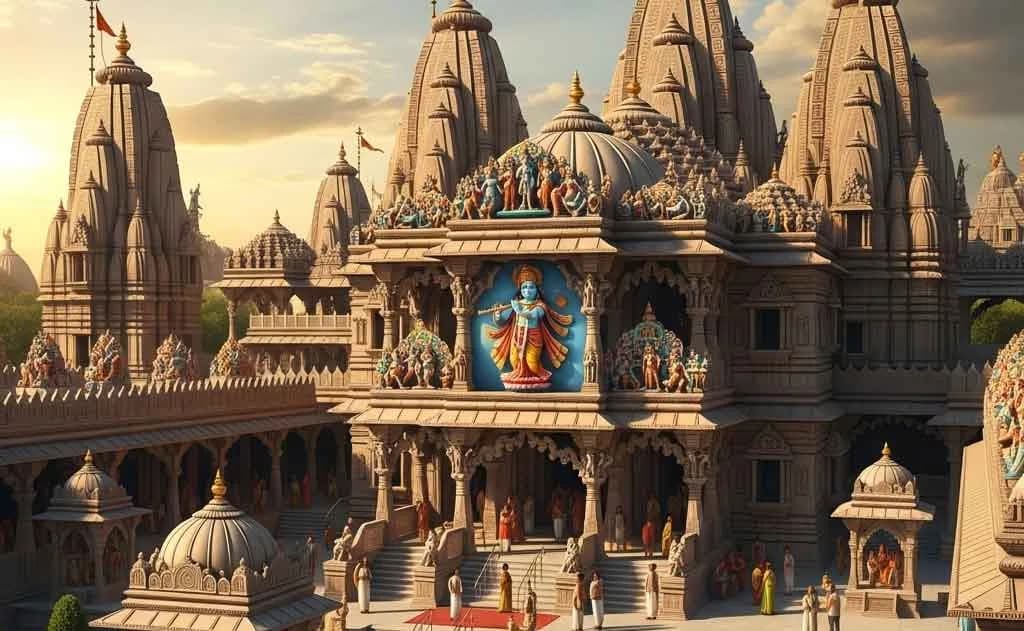
The Chandra Temple in Thingalur, Tamil Nadu
Spotlight: Chandra (Moon) Temple Location: Thingalur, Tamil Nadu Significance: The Chandran Navagraha Temple is dedicated to Chandra (the Moon), the planet…
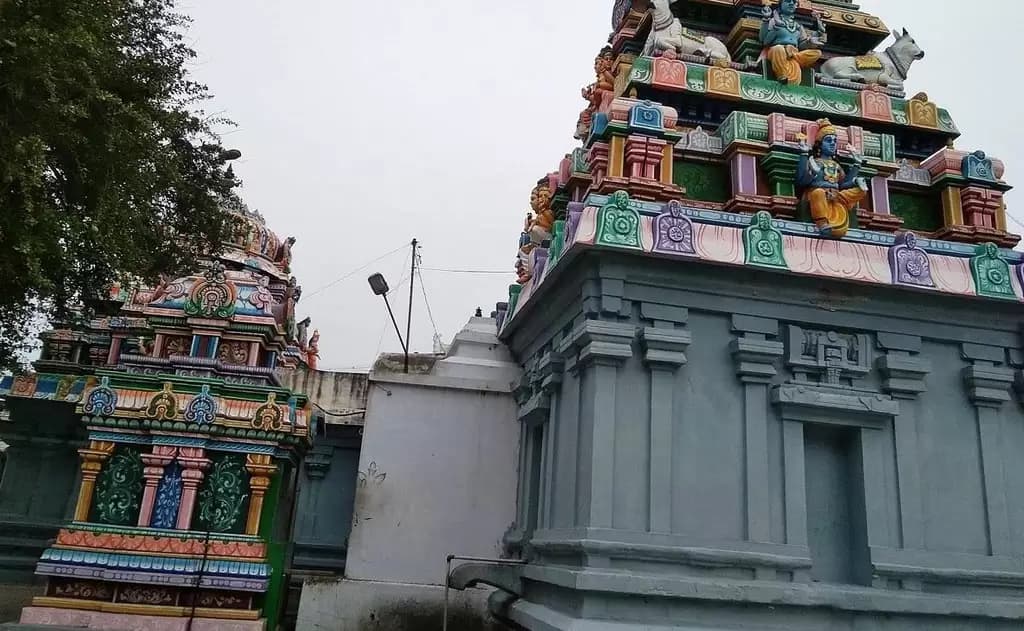
Spotlight: Chandra (Moon) Temple Location: Thingalur, Tamil Nadu Significance: The Chandran Navagraha Temple is dedicated to Chandra (the Moon), the planet…
Spotlight: Chandra (Moon) Temple
- Location: Thingalur, Tamil Nadu
- Significance: The Chandran Navagraha Temple is dedicated to Chandra (the Moon), the planet governing emotions and the mind. It is part of the famous Navagraha temple circuit in Tamil Nadu.
Temple Rituals
Chandra Abhishekam
- Pilgrims offer milk and white flowers to Chandra during the Abhishekam (ritualistic bathing of the deity).
- This ritual is believed to calm the mind and soothe emotional turbulence.
Chanting of Moon Mantras
- Reciting “Om Chandraya Namaha” while visiting the temple is believed to bring mental peace and emotional stability.
Tips for Pilgrims
- Best Time to Visit: Mondays are considered auspicious for Moon worship.
- What to Offer: White flowers, rice pudding, and milk are common offerings to please Chandra.
Benefits of Visiting the Chandra Temple
Improves Emotional Balance
- Helps calm anxiety, reduce stress, and enhance emotional resilience.
Strengthens Family Bonds
- Pilgrims pray for stronger relationships, especially with mothers and maternal figures.
Where exactly is Thingalur and how do you reach the temple?
Thingalur, formally known as Thingalur Kailasanathar Temple village, is situated in the Papanasam taluk of Thanjavur district in Tamil Nadu. The village lies approximately 20 kilometres from Kumbakonam, which serves as the most convenient base town for pilgrims undertaking the complete Navagraha temple circuit. Kumbakonam is well connected by rail and road from Chennai (roughly 300 kilometres), Trichy, and Madurai.
From Kumbakonam, shared autos and hired taxis regularly ply toward Thingalur. The temple itself is relatively compact but maintains a well-kept corridor adorned with traditional Dravidian-style sculptures. Because Thingalur is the dedicated Chandra shrine among the nine Navagraha temples of the Cauvery delta region, it draws a steady stream of pilgrims especially on Mondays and on Pournami (full-moon) days throughout the year.
What is the scriptural and mythological basis for worshipping Chandra as a deity?
In Vedic cosmology, Chandra (also called Soma) is one of the Navagrahas — the nine celestial bodies that influence human life according to Jyotisha Shastra. The Rigveda extols Soma extensively; the ninth mandala is devoted almost entirely to Soma, praising the moon as the lord of plants, herbs, and the vital essence of all living beings. Chandra is also identified with the mind (manas) in the Chandogya Upanishad, which declares 'Chandrama manaso jatah' — the Moon was born from the mind of the Cosmic Purusha.
Puranic literature, particularly the Shiva Purana and the Brahma Purana, narrates how Chandra was afflicted with the curse of Daksha Prajapati after slighting the Nakshatra-consorts assigned to him. Lord Shiva, out of compassion, placed Chandra on his matted hair (jata), granting him refuge and partial restoration of his waxing cycle. This intimate relationship between Shiva and Chandra is memorialised in the epithet Chandrashekhara — 'one who bears the moon as his crown' — and explains why the presiding deity of the Thingalur temple is Kailasanathar (Shiva), with Chandra worshipped as the graha deity in the same sacred precinct.
How does the Thingalur temple fit into the broader Navagraha temple circuit of Tamil Nadu?
The Navagraha Sthalams of Tamil Nadu are nine distinct temples, each consecrated to one of the nine grahas, all clustered within a roughly 40-kilometre radius around Kumbakonam. The circuit includes Suryanar Kovil (Sun) near Ayyampet, Vaitheeswaran Koil (Angaraka/Mars) near Sirkazhi, Thirunageswaram (Rahu), and Keezhperumpallam (Ketu), among others. Completing all nine temples in a single yatra (pilgrimage journey) is believed to mitigate the adverse effects of planetary positions in one's horoscope, a practice recommended in Tamil Jyotisha tradition.
Within this circuit, Thingalur holds a particularly serene character because Chandra governs the mind and inner peace — themes that permeate the atmosphere of the shrine. Many pilgrims who are undergoing the Chandra Dasha or Chandra Antardasha period in their Vedic birth chart (Janma Kundali) make a dedicated visit here on advice from their jyotishi (astrologer). The sequential darshan of all nine shrines, ideally completed in a single day beginning at sunrise, is a living tradition maintained by local temple trusts and tour operators based in Kumbakonam.
What specific rituals and timings does the temple observe through the lunar calendar?
Beyond the daily Abhishekam, the temple marks Pournami (full-moon night) with extended puja sessions that draw large crowds, as the full moon is considered Chandra's most powerful phase. On these nights, the Chandra deity is adorned with white vastram (cloth), pearl and silver ornaments, and garlands of white jasmine (mullai) and lotus — flowers specifically associated with lunar energy in the Agamic tradition. The Chandra Sahasranama, a litany of one thousand names of Chandra drawn from Puranic texts, is recited by temple priests during the Pournami abhishekam.
Mondays (Somavaram) receive special attention throughout the month, with early-morning Thiruvanandal (opening ritual) beginning before sunrise to coincide with the auspicious Brahma Muhurta. Devotees observing a Soma Pradosham vrat — the Pradosha falling on a Monday — regard the Thingalur temple as a particularly meritorious location for worship on that day, since Pradosha is sacred to Shiva and Monday doubly honours Chandra. Offerings of payasam (rice pudding cooked in milk and jaggery) and thenai (foxtail millet) are considered especially pleasing to the deity according to local agamic custom.
What are the astrological significances of Chandra and how does the temple address them?
In Vedic astrology (Jyotisha), Chandra rules the zodiac sign Karkataka (Cancer) and is exalted in Vrishabha (Taurus). The Moon completes one transit of the entire zodiac in approximately 27-28 days, spending roughly two and a quarter days in each of the 27 Nakshatras (lunar mansions). Individuals born under certain Nakshatras — particularly Rohini, Hasta, and Shravana, which are governed by Chandra — are considered to have the Moon as their Nakshatra lord and therefore derive special benefit from Chandra worship.
A weak or afflicted Chandra in the birth chart is associated in Jyotisha with emotional instability, troubled relationships with the mother, disturbed sleep, and indecisiveness. Pilgrims with such placements visit Thingalur to perform targeted remedies (upayas): offering white-coloured foods, wearing pearl or moonstone (chandrakanta mani), and participating in the milk Abhishekam so that the sanctified milk (theertham) may be received as prasad. The priests at Thingalur are trained to guide devotees through the specific puja appropriate to their planetary affliction, making the temple a functional centre of both devotion and applied Jyotisha.
Frequently Asked Questions
Where is The Chandra Temple in Thingalur, Tamil Nadu located?
Spotlight: Chandra (Moon) Temple Location: Thingalur, Tamil Nadu Significance: The Chandran Navagraha Temple is dedicated to Chandra (the Moon) , the planet governing emotions and the mind . It is part of the famous Navagraha temple circuit in Tamil Nadu.
Who is the presiding deity of The Chandra Temple in Thingalur, Tamil Nadu?
The temple's presiding deity and its significance are described in the guide above.
What are the timings and how do I reach The Chandra Temple in Thingalur, Tamil Nadu?
Temples typically open early morning and evening; confirm current darshan timings before visiting. The nearest airport, railway station and road routes are covered in the guide above.
What is the best time to visit The Chandra Temple in Thingalur, Tamil Nadu?
Major festival days and the cooler months are popular, though weekday mornings offer a calmer darshan. Plan around the temple's key festivals for the most vibrant experience.
You might also like
Top 10 Narasimha Swamy Temples in India: Sacred Kshetras of Lord Lakshmi Narasimha for Protection, Courage & Divine Grace
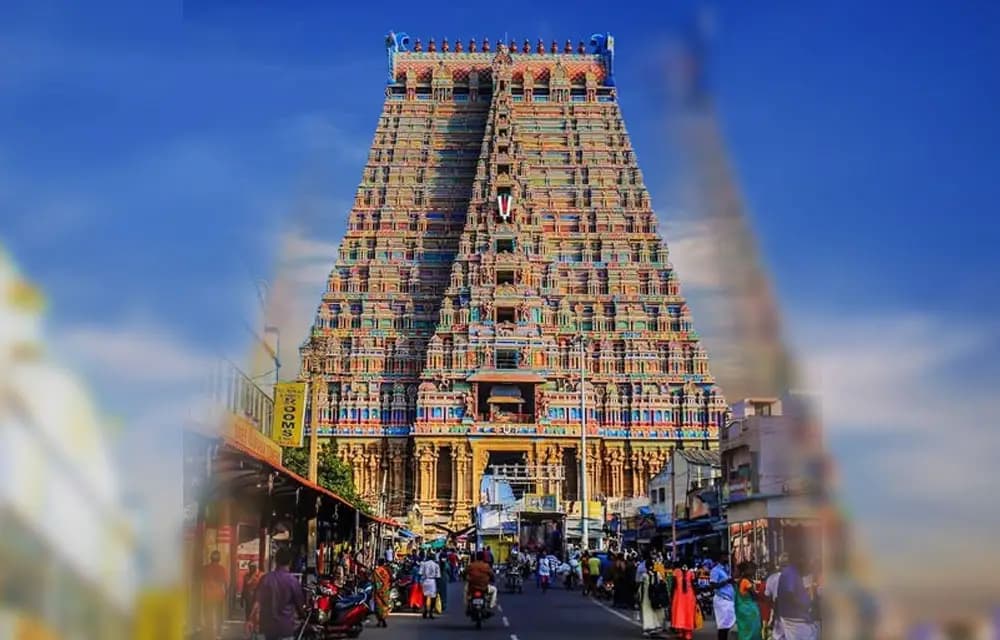
Top Temples to Visit in West Bengal, Tamil Nadu, Assam, Kerala & Puducherry — Complete 2026 Pilgrim’s Guide
Janmashtami 2026 in India: Date, Rituals & Top Temples to Visit