




The Hidden Temples of Tirumala You Must Explore Beyond Venkateswara

While millions of devotees ascend the seven hills of Tirumala to seek darshan of Lord Venkateswara at the magnificent main temple, the sacred Seshachalam hills harbor numerous ancient shrines that remain largely unexplored. These lesser-known temples of Tirumala pulse with divine energy, each carrying profound spiritual significance and miraculous stories spanning millennia. Journey with us to discover the hidden temples of Tirumala that offer intimate spiritual experiences beyond the crowds of the main sanctum.
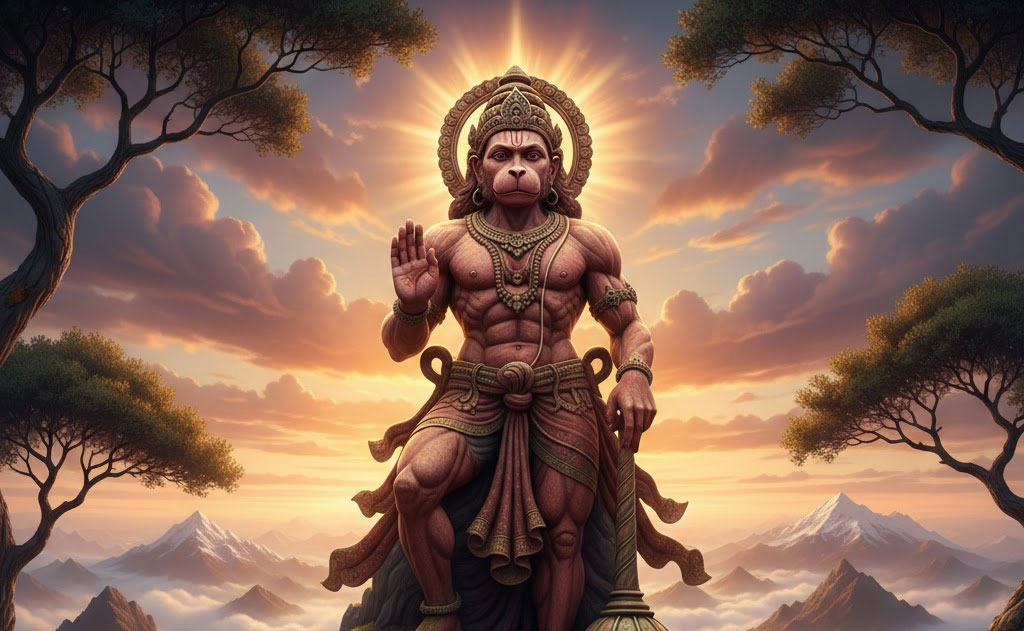
Bedi Anjaneya Swamy Temple: The Chained Hanuman
High on the Tirumala hills stands one of the most mysterious and powerful temples dedicated to Lord Hanuman. The Bedi Anjaneya Temple houses an extraordinary idol of Hanuman bound in chains, a sight that puzzles first-time visitors but holds deep spiritual significance.
The Divine Story of the Chained Deity
According to ancient legend, when Lord Venkateswara descended to earth and established his abode on Tirumala, he brought with him tremendous divine energy. This powerful presence began to affect the cosmic balance, causing disturbances in the celestial realms. The intensity of the Lord’s Sankalpa Shakti (power of divine will) was so overwhelming that it threatened to disrupt the natural order of the universe.
Lord Brahma and other celestial beings approached Hanuman, the most devoted servant of Lord Rama (an incarnation of Vishnu like Venkateswara), and requested his help. Hanuman agreed to control and balance this divine energy through his own yogic powers. He positioned himself on the northeastern side of the main temple and began meditating, channeling and moderating the intense spiritual vibrations emanating from Lord Venkateswara.
However, Hanuman’s meditation was so profound and his yogic powers so immense that he himself began generating tremendous energy. To contain both his power and to serve as the divine guardian who regulates the cosmic forces around Venkateswara, Hanuman agreed to be symbolically bound in chains. These chains represent not imprisonment but voluntary service—Hanuman binding himself to eternal protection of his Lord.
The Spiritual Significance
Devotees believe that worshipping at Bedi Anjaneya Temple before visiting the main temple helps moderate the overwhelming divine energy, making one more receptive to Lord Venkateswara’s blessings. The temple symbolizes ultimate devotion and selfless service, as Hanuman voluntarily limits his own infinite power to serve his beloved Lord.
The idol faces the main temple directly, positioned as an eternal guardian. Pilgrims often notice that after praying here, they feel calmer and more centered before entering the main sanctum. Many believe that Hanuman’s presence protects devotees from negative energies and spiritual obstacles during their pilgrimage.
Location: Near Varaha Swamy Temple, Tirumala
Best Time to Visit: Early morning (5-7 AM)
Special Feature: Only temple where Hanuman is depicted in chains
Unique Tradition: Devotees offer vadai (lentil donuts) and jaggery
Spiritual Practice: Circumambulate 11 times for obstacle removal
Varaha Swamy Temple: The Boar Avatar’s Sacred Abode
Located near the Swami Pushkarini (temple tank), the Varaha Swamy Temple is one of Tirumala’s most ancient shrines, predating even the main Venkateswara temple. This temple celebrates Lord Vishnu’s third incarnation as Varaha, the cosmic boar who rescued Mother Earth.
The Legend of Earth’s Rescue
In the beginning of creation, the demon Hiranyaksha dragged Mother Earth (Bhudevi) to the bottom of the cosmic ocean and held her captive in the dark depths. The entire universe fell into chaos as the earth disappeared, and all beings faced extinction. The gods approached Lord Vishnu for help.
Vishnu assumed the form of a magnificent boar, Varaha, and dove into the cosmic ocean. For a thousand celestial years, he battled Hiranyaksha in the ocean’s depths. Finally, Varaha defeated the demon and lifted Mother Earth on his tusks, bringing her back to her rightful position in the cosmos.
But the story has special significance for Tirumala. After rescuing her, Varaha and Bhudevi were married at this very location on the Tirumala hills. The divine wedding ceremony was witnessed by all gods and sages. It is said that Lord Venkateswara later manifested on these hills partly because this land was sanctified by Varaha’s presence and his marriage to Bhudevi.
The Sacred Wedding Site
The Varaha Swamy Temple stands at the site of this cosmic wedding. The idol shows Varaha with Bhudevi seated on his lap, symbolizing the divine union. This is why Tirumala is considered especially sacred for marriages and why Lord Venkateswara’s own marriage to Padmavati (another form of Bhudevi) took place on these hills.
Devotees facing marriage difficulties, relationship problems, or seeking compatible life partners often pray here first. The temple’s energy is believed to bless marital harmony and resolve conflicts between couples. Many pilgrims perform special pujas here before getting married.
Location: Near Swami Pushkarini, Tirumala
Temple Timings: 6 AM to 8 PM
Special Days: Varaha Jayanti (Magha month)
Unique Feature: Ancient stone idol predating main temple
Marriage Blessings: Couples pray here for marital happiness
Holy Tank: Varaha Pushkarini for ritual bathing
Sri Bhu Varaha Swamy Temple (Lower Temple): The Earth’s Protector
At the foothills in Tirupati town lies another significant Varaha temple, distinct from the hilltop shrine. This temple is dedicated to Varaha with both his consorts, Sri Devi (Lakshmi) and Bhu Devi (Earth), representing material and spiritual prosperity.
The Threefold Blessing
This temple embodies the complete aspect of divine grace. Varaha represents the protective power of God, Sri Devi represents spiritual wealth and grace, while Bhu Devi represents material sustenance and earthly prosperity. The presence of all three ensures devotees receive blessings in every aspect of life.
According to local tradition, Lord Venkateswara himself directed devotees to worship at this temple, saying that those who seek his blessings must first honor Varaha, who sanctified the land and made it worthy of divine habitation.
Location: Tirupati town, near Govindaraja Swamy Temple
Best Time to Visit: After descending from Tirumala
Temple Timings: 5:30 AM to 8:30 PM
Special Feature: Varaha with both consorts
Completion of Pilgrimage: Many visit here to complete their Tirumala journey
Kapila Teertham: The Ancient Sage’s Waterfall Temple
Nestled at the base of Tirumala hills lies Kapila Teertham, a beautiful temple complex centered around a sacred waterfall. This site combines natural beauty with profound spiritual heritage, dedicated to both Lord Shiva and the sage Kapila.
The Story of Sage Kapila’s Penance
Thousands of years ago, the great sage Kapila, founder of the Sankhya philosophy, chose this serene spot for intense meditation. He sat in penance for years, seeking ultimate knowledge and divine realization. Pleased with his devotion, Lord Shiva manifested before him and granted him enlightenment.
The waterfall that flows here is said to have originated from Shiva’s blessings, and its waters carry healing properties. Kapila attained moksha (liberation) at this spot, and his spiritual energy continues to permeate the location. The Shivalinga at the temple is believed to be self-manifested (swayambhu), representing Shiva’s direct presence.
The Healing Waters
Devotees believe that bathing in the Kapila Teertham waterfall cures skin diseases, removes past karma, and purifies the body and mind. The water is considered especially powerful during monsoon season when the cascade is at its fullest. Many pilgrims begin their Tirumala journey by bathing here, following ancient custom.
The temple is surrounded by lush greenery and rock formations, creating an atmosphere of natural sanctity. The sound of falling water combines with temple bells and chanting to create a deeply meditative environment. Many spiritual seekers spend hours here in contemplation.
The Philosophical Connection
Sage Kapila’s connection to this site is significant because Sankhya philosophy, which he founded, discusses the evolution of creation and the relationship between Purusha (consciousness) and Prakriti (matter). This philosophical framework underlies the worship of Vishnu at Tirumala, as Venkateswara represents the Supreme Purusha who governs all creation.
Location: At the base of Tirumala hills, 3 km from Tirupati
Best Time to Visit: Monsoon season (July-September) for full waterfall
Temple Timings: 6 AM to 6 PM
Special Feature: Natural waterfall and swayambhu linga
Healing Tradition: Sacred bath before ascending Tirumala
Festival: Mahashivaratri celebrations
Facilities: Changing rooms available for ritual bathing
Pandava Teertham: Where the Heroes Bathed
Hidden along the pathway from Alipiri to the main temple lies Pandava Teertham, a sacred water source with connections to the Mahabharata heroes. This serene spot offers respite to tired pilgrims climbing the hills.
The Pandavas’ Pilgrimage
According to tradition, the five Pandava brothers visited Tirumala during their exile period. Exhausted from their arduous journey and seeking spiritual solace after the great war’s karmic burden, they arrived at these hills to worship Lord Venkateswara.
When they reached this spot, they were parched with thirst but found no water source. Bhima, the mighty second Pandava known for his immense strength, struck the rock with his mace (gada). Immediately, fresh water gushed forth from the stone, creating a natural spring. The Pandavas bathed in these waters, refreshed themselves, and continued their journey to the Lord’s shrine.
The Sacred Spring
The water at Pandava Teertham is believed to carry the blessings of the Pandavas and Lord Venkateswara. Pilgrims walking the traditional Alipiri route stop here to drink the water and rest. The spot is marked by a small shrine and bathing area.
Devotees believe that drinking this water removes exhaustion, both physical and spiritual. It’s said to give pilgrims the strength to complete their journey, just as it empowered the Pandavas. The water is also considered to have purifying properties that prepare devotees for the main temple darshan.
Location: Along the Alipiri footpath route
Accessibility: Reached by foot on the traditional pilgrimage path
Special Feature: Natural spring emerging from rock
Pilgrimage Tradition: Stop for rest and refreshment
Spiritual Significance: Connects devotees with Mahabharata heroes
Akasa Ganga: The Celestial Waterfall
One of Tirumala’s most mystical sites, Akasa Ganga is a perennial waterfall believed to originate from the heavens. The name literally means “Ganges from the sky,” and its waters are considered as sacred as the Ganges River itself.
The Divine Origin
Legend states that the stream of Akasa Ganga descends directly from the heavens, brought down by Lord Venkateswara himself to sanctify the Tirumala hills. When Venkateswara decided to make these hills his earthly abode, he wanted to ensure that devotees visiting him could perform sacred ablutions equivalent to bathing in the Ganges.
He meditated and invoked Goddess Ganga to send a portion of her sacred waters to Tirumala. Pleased by his devotion, Ganga agreed and manifested as Akasa Ganga. The water here is said to flow from an unknown source high in the hills, appearing mysteriously as if from the sky itself.
Miraculous Healing Properties
Throughout history, devotees have reported miraculous healings after bathing in Akasa Ganga. The water is believed to cure diseases, wash away sins accumulated over lifetimes, and grant spiritual merit equivalent to bathing in all sacred rivers of India combined.
The waterfall maintains a constant flow even during severe droughts, which locals consider proof of its divine origin. Scientists have been unable to locate the exact source of the spring, adding to its mystical reputation.
Spiritual Practices
Many pilgrims perform tarpan (offerings to ancestors) at Akasa Ganga, believing the sacred water carries their prayers to the departed souls. The site includes facilities for performing various rituals and ceremonies. The natural cave behind the waterfall is used by some yogis for meditation.
Location: Approximately 2 km from the main temple
Best Time to Visit: Early morning for peaceful atmosphere
Accessibility: Short walk from main temple complex
Facilities: Bathing areas, changing rooms
Special Feature: Perpetual flow regardless of season
Ritual Significance: Site for ancestral offerings
Holy Bath: Considered equivalent to Ganges bath
Sila Thoranam: The Natural Stone Arch
While not a temple in the traditional sense, Sila Thoranam is a sacred geological wonder on the Tirumala hills. This natural rock formation, resembling a perfectly carved arch, is mentioned in ancient scriptures and considered one of the divine signs marking Tirumala as a sacred abode.
The Divine Architecture
Sila Thoranam is a naturally formed stone arch, scientifically dated to be over 1,500 million years old. In Hindu tradition, such natural formations occurring at sacred sites are considered evidence of divine presence. The arch is mentioned in the Varaha Purana and other ancient texts as one of the identifying features of Lord Venkateswara’s chosen dwelling place.
According to legend, this arch was created by the cosmic forces at work when Lord Vishnu decided to manifest as Venkateswara. The perfect symmetry and stability of this natural structure, defying geological explanations for its longevity, is seen as proof of divine engineering.
Astronomical Significance
The arch is positioned such that during certain times of the year, the sun rises directly through the opening, creating a spectacular visual phenomenon. Ancient astronomers and sages are said to have used this alignment for calculating auspicious times and understanding celestial movements.
Geologists are fascinated by Sila Thoranam because similar rock formations typically collapse within thousands of years, yet this arch has stood for millions of years. This anomaly strengthens devotees’ belief in its divine protection.
Location: About 1 km from the main temple, accessible by short trek
Best Time to Visit: Sunrise for spectacular views
Trekking Difficulty: Moderate (20-30 minutes)
Photography: Permitted and encouraged
Scientific Interest: Geological wonder
Spiritual Significance: Mentioned in ancient scriptures
Conservation: Protected geological heritage site
Japali Teertham: The Sacred Waterfall of Meditation
Located about 8 km from the main temple, Japali Teertham is a serene waterfall surrounded by dense forest, offering one of Tirumala’s most peaceful spiritual experiences. The name “Japali” refers to the ancient ascetics who meditated at this location.
The Rishis’ Retreat
In ancient times, great sages and rishis seeking solitude for deep meditation discovered this pristine spot. The constant sound of falling water created perfect conditions for japa (repetitive chanting of mantras), hence the name Japali. These enlightened beings performed intense tapas (austerities) here, and their spiritual vibrations continue to make this location conducive to meditation.
One legend speaks of a rishi who meditated here for twelve years without moving. When he finally opened his eyes, Lord Venkateswara appeared before him and granted him a boon. The rishi requested that this place remain forever peaceful and that all who come here seeking spiritual growth should find success in their practices.
The Meditation Experience
The natural amphitheater created by surrounding hills creates an acoustic environment where the waterfall’s sound becomes a natural meditation tool. Many spiritual seekers come here for extended meditation retreats. The water’s constant rhythm helps still the mind and enter deep meditative states.
The area around Japali Teertham remains largely undeveloped, preserving its pristine natural beauty. The forest setting, abundant birdlife, and pure air create an atmosphere reminiscent of ancient Himalayan ashrams. It’s one of the few places on Tirumala where you can experience the hills as they were centuries ago.
Location: 8 km from main temple, accessible by local transport
Best Time to Visit: Weekday mornings for solitude
Temple Timings: 6 AM to 6 PM
Facilities: Basic, maintains natural setting
Special Feature: Ideal for meditation and spiritual practices
Natural Setting: Surrounded by Seshachalam forest
Water Quality: Crystal clear and drinkable
Papavinasanam: Where Sins Are Destroyed
The name Papavinasanam literally means “destruction of sins,” and this sacred waterfall and temple complex is believed to possess extraordinary purifying powers. Located in the heart of the Tirumala reserve forest, it’s one of the most spiritually potent sites on the hills.
The Legend of Sin Destruction
Ancient scriptures describe Papavinasanam as the spot where Lord Venkateswara himself bathes. The water here is said to flow directly from the Lord’s divine body, carrying infinite purifying power. According to tradition, even the most grievous sins accumulated over countless lifetimes are washed away by a single dip in these waters.
The Skanda Purana narrates the story of a brahmin who had committed terrible sins and was tormented by guilt. He undertook a pilgrimage to Tirumala and, upon bathing at Papavinasanam, felt an immediate lightness of being. That night, Lord Venkateswara appeared in his dream and confirmed that all his sins had been washed away. The brahmin spent the rest of his life in devotion and ultimately attained moksha.
The Temple and Waterfall
The temple at Papavinasanam houses an idol of Lord Venkateswara in a reclining posture, suggesting his presence here for rest and bathing. The waterfall cascades year-round, and the natural pool at its base is used for ritual bathing. The surrounding forest creates a pristine environment conducive to spiritual purification.
Pilgrims perform rituals here before ascending to the main temple, believing that approaching the Lord in a purified state enhances the spiritual benefits of darshan. Many also come here specifically for the purpose of removing the effects of past negative karma.
Special Rituals
Devotees often perform “108 kundalu” (108 dips) in the holy water as a form of penance and purification. Some spend entire days here in prayer and meditation. The temple priests conduct special purification ceremonies for those seeking relief from specific karmic burdens.
Location: 10 km from main temple, in Tirumala forest
Accessibility: Reached by bus/taxi from main temple area
Temple Timings: 6 AM to 6 PM
Bathing Facilities: Natural pool with changing areas
Special Feature: Believed to destroy all sins
Ritual Practice: 108 holy dips for complete purification
Natural Beauty: Pristine forest waterfall
Spiritual Intensity: Considered highly powerful for cleansing
Sri Kodandarama Swamy Temple: The Forest Deity
Deep in the Tirumala forest reserve lies the Sri Kodandarama Swamy Temple, dedicated to Lord Rama. This remote temple offers a unique combination of Rama worship and Venkateswara pilgrimage, situated in an area rich with wildlife and natural beauty.
Rama’s Connection to Tirumala
According to legend, Lord Rama stopped at this location during his search for Sita after her abduction by Ravana. Exhausted and heartbroken, Rama rested under a tree at this spot. Lakshmana drew water from a nearby stream, and they both prayed to Lord Vishnu (their own divine source) for guidance and strength.
In recognition of this sacred moment, a temple was established here showing Rama with Lakshmana and Hanuman, in the form known as Kodandarama (Rama holding his bow). The presence of this Rama temple on Venkateswara’s hills signifies the essential unity of Vishnu’s incarnations.
The Forest Temple Experience
Visiting this temple requires a journey through the protected Tirumala forest, where you might encounter deer, peacocks, and various species of birds and butterflies. The temple maintains a simple, austere character befitting its forest location. The natural surroundings create an atmosphere of the ancient Dandaka forest through which Rama wandered during his exile.
Devotees appreciate the temple’s isolation and simplicity, finding in it a contrast to the grandeur and crowds of the main Venkateswara temple. Many describe feeling Rama’s presence more directly in this natural forest setting.
Location: Interior Tirumala forest, 12 km from main temple
Accessibility: Requires permission, often visited as part of organized tours
Temple Timings: Limited hours, typically 7 AM to 5 PM
Special Feature: Remote forest location
Wildlife: Seshachalam forest fauna visible
Spiritual Character: Simple, contemplative atmosphere
Best For: Nature-loving pilgrims seeking solitude
Talakona Waterfall Temple: The Tall Forest Cascade
Though technically outside the immediate Tirumala complex, Talakona deserves mention as it falls within the greater Seshachalam hills ecosystem and has ancient connections to the Tirumala pilgrimage tradition. Talakona, meaning “head hill,” is Andhra Pradesh’s highest waterfall.
The Sage’s Hermitage
Ancient texts describe Talakona as the meditation site of Siddeswara Swamy, a great yogi who attained supernatural powers through his penance here. The waterfall and surrounding forest formed his hermitage, where he guided disciples in yoga and spiritual knowledge.
Legend states that after Siddeswara Swamy attained samadhi (final liberation), the waterfall began flowing with greater force, as if nature itself was celebrating his achievement. The waters are believed to carry healing properties imparted by the sage’s presence and the medicinal herbs growing in the area.
Healing Waters and Natural Beauty
The forest around Talakona contains numerous medicinal plants, and their essences mix with the waterfall’s water, creating a natural healing bath. Many people with chronic ailments visit here seeking relief. The area’s biodiversity and pristine environment make it feel like stepping back into ancient India.
A small Siddeswara Swamy temple sits near the waterfall, and devotees often combine their Tirumala pilgrimage with a visit here for healing and nature’s blessing.
Location: Approximately 50 km from Tirupati, in Seshachalam hills
Best Time to Visit: Post-monsoon (October-February)
Entry Fee: Nominal charge for forest department
Facilities: Basic amenities, trekking paths
Waterfall Height: 270 feet cascade
Special Feature: Healing waters with medicinal properties
Activities: Trekking, nature walks, forest bathing
Accommodation: Forest guest house available
Planning Your Sacred Journey Through Tirumala’s Hidden Gems
Best Time to Visit Lesser-Known Temples of Tirumala
The ideal period for exploring these hidden temples is from October to February when the weather is pleasant and waterfalls are at their best after monsoon. However, each site has unique optimal times. Visit Papavinasanam and Akasa Ganga during early morning hours (6-8 AM) for the most serene experience. Monsoon season (July-September) offers spectacular waterfall views but challenging trekking conditions.
Creating Your Comprehensive Temple Circuit
Day 1: Begin with Kapila Teertham at the base of hills for purification bath. Ascend via Alipiri route, stopping at Pandava Teertham. After main temple darshan, visit Bedi Anjaneya and Varaha Swamy temples (evening).
Day 2: Early morning visit to Akasa Ganga for holy bath. Mid-morning trek to Sila Thoranam. Afternoon visit to Papavinasanam for complete purification rituals. Return via main temple for evening darshan.
Day 3: Day trip to Japali Teertham for meditation and peaceful contemplation. If time permits, visit Sri Kodandarama Swamy Temple (requires prior arrangement).
Optional: Dedicate a separate day for Talakona waterfall if you seek healing and nature immersion.
Transportation and Accessibility
Most temples near the main complex are accessible by local buses or auto-rickshaws operating on Tirumala hills. For remote locations like Japali Teertham and Papavinasanam, TTD operates special bus services. Private vehicles are allowed but parking is limited. For forest locations like Sri Kodandarama Swamy Temple, contact TTD for organized tours or special permissions.
Essential Guidelines for Temple Visits
Dress Code: Traditional attire required—dhoti for men, saree/churidar for women. Many temples strictly enforce this, especially near the main temple area.
Temple Timings: Most temples follow 6 AM to 8 PM schedule, but timings vary. Waterfall sites close earlier (usually by 6 PM). Plan accordingly.
Physical Preparation: Several sites require moderate trekking. Wear comfortable footwear suitable for rocky terrain. Carry water bottles and energy snacks.
Spiritual Preparation: Traditionally, pilgrims fast or eat simple vegetarian food during Tirumala visits. Many devotees abstain from onion, garlic, and non-vegetarian food for the entire pilgrimage period.
Photography: Generally permitted at most sites except inside temple sanctums. Natural sites like Sila Thoranam and waterfalls welcome photography.
Offerings: Carry flowers, coconuts, and small amounts of money for offerings. Most temples accept simple puja materials.
Accommodation Strategy
On Tirumala Hills: Book TTD-managed guest houses well in advance (bookings open 90 days prior). These provide convenient access to all hill locations.
In Tirupati Town: Wider range of hotels at various price points. Suitable if you prefer quieter evenings and plan to visit hill temples during day trips.
For Extended Stays: Consider staying near Alipiri footpath base if you want to explore multiple days and prefer easy access to starting point.
Special Considerations
Crowd Management: Most hidden temples see minimal crowds compared to main temple. Weekdays are quieter than weekends. Festival periods see more visitors everywhere.
Weather Preparedness: Hills experience sudden weather changes. Carry light rain gear even during dry season. Morning mists are common.
Health and Safety: Elderly pilgrims and those with health conditions should consult doctors before trekking to remote sites. First aid facilities are limited in forest areas.
Forest Regulations: Some sites lie within protected forest areas. Follow all guidelines, don’t litter, and respect wildlife. Smoking and alcohol are strictly prohibited throughout Tirumala.
Guided Tours: Consider hiring local guides for forest temples and trekking routes. They provide valuable information and ensure safety. TTD-authorized guides are available at main temple complex.
Sacred Etiquette
Water Sources: All natural water sources (teerthams) are considered sacred. Remove footwear before approaching. Don’t use soap or shampoo in holy waters.
Wildlife Respect: Seshachalam hills are home to various animals. Don’t feed wildlife. Observe quietly from distance. Peacocks, deer, and monkeys are common.
Temple Protocols: Remove shoes before entering any temple. Photography inside sanctum is forbidden. Maintain silence. Follow priests’ instructions for rituals.
Environmental Responsibility: These sacred sites remain pristine because pilgrims treat them respectfully. Don’t leave trash. Some temples have no waste facilities—carry bags to remove your garbage.
The Spiritual Significance of Tirumala’s Hidden Treasures
These lesser-known temples of Tirumala offer experiences transcending ordinary pilgrimage. While the main Venkateswara temple radiates overwhelming divine grandeur, these hidden shrines provide intimate encounters with different aspects of divinity. Each location addresses specific spiritual needs—purification at Papavinasanam, devotion at Bedi Anjaneya, marital harmony at Varaha Swamy, healing at Kapila Teertham, and meditation at Japali Teertham.
The hidden temples of Tirumala remind us that sacred hills are not just about one magnificent temple but about an entire ecosystem of divine energy. Every waterfall carries purifying power, every rock formation witnesses divine presence, every forest path leads toward spiritual realization. The Seshachalam hills are themselves a deity, with each temple representing a different aspect of divine grace.
The Ancient Wisdom of Temple Sequences
Traditional pilgrims followed specific sequences when visiting Tirumala, understanding that each temple prepared them for the next level of spiritual experience. Beginning with purification at Kapila Teertham, progressing through sin destruction at Papavinasanam, seeking divine protection at Bedi Anjaneya, and finally approaching Lord Venkateswara represented a complete spiritual journey from outer purification to inner transformation.
Modern pilgrims who rush only to the main temple miss this graduated spiritual ascent. The hidden temples provide the stepping stones that make the main temple darshan truly transformational rather than just another tourist experience.
The Living Heritage
What makes these temples extraordinary is their continuous worship tradition spanning centuries or even millennia. The priests at these shrines often come from families who have served here for generations. They preserve rituals, stories, and practices passed down through centuries. Visiting these temples supports this living heritage and connects you directly with ancient spiritual lineages.
Unlike tourist attractions, these temples survive on genuine devotion. The TTD (Tirumala Tirupati Devasthanams) maintains them not for tourism revenue but because they represent integral parts of Tirumala’s spiritual ecosystem. Your visit, donations, and respectful participation help preserve these sacred traditions for future generations.
Personal Transformation Through Pilgrimage
Many devotees report life-changing experiences at these hidden temples. The combination of natural beauty, spiritual atmosphere, and reduced crowds creates ideal conditions for genuine divine connection. People describe feeling divine presence more personally here than in the crowded main temple.
The physical challenges of reaching some locations—trekking, climbing, walking long distances—serve spiritual purposes. The effort purifies, the exertion humbles, and the exhaustion opens you to grace. When you finally reach a remote shrine after physical challenge, your receptivity to spiritual experience heightens dramatically.
Beyond Religious Tourism
Approaching these temples as mere tourist destinations misses their true essence. They are living centers of divine energy, places where centuries of prayers have created powerful spiritual atmospheres. Coming with devotion, humility, and openness allows you to tap into this accumulated spiritual power.
Many pilgrims experience spontaneous spiritual phenomena at these sites—unexpected emotional releases, deep meditative states, visions, or profound insights. These experiences don’t come from the temples’ physical structures but from the divine presence that devotion and sanctity have established over millennia.
Conclusion: The Complete Tirumala Experience
The hidden temples of Tirumala transform ordinary pilgrimage into extraordinary spiritual adventure. While the main Venkateswara temple represents the peak spiritual experience, these surrounding shrines provide the foundation, support, and completion of your sacred journey. They offer what crowded famous temples cannot—silence for hearing the divine voice, space for personal prayer, and time for genuine spiritual experience.
Venture beyond the main temple, explore these sacred sites, and discover that Tirumala’s greatest treasures are not always the most visible. In these hidden temples, you’ll encounter the true heart of Tirumala—the living tradition of devotion, the power of natural sanctity, and the grace of a divine presence that permeates every stone, stream, and summit of these sacred hills.
Whether you seek purification, healing, devotion, knowledge, or simple spiritual connection, these temples offer paths to fulfill every spiritual aspiration. The seven hills of Tirumala contain not just one great temple but a complete sacred geography where every site has purpose, every path has meaning, and every step brings you closer to the divine.
May your pilgrimage to these sacred temples of Tirumala bring you peace, prosperity, spiritual awakening, and the eternal blessings of Lord Venkateswara and all the divine presences that make these hills the abode of God on Earth.
Om Namo Venkatesaya! Govinda! Govinda!
For more information and bookings: Visit TTD official website or contact Tirumala Tirupati Devasthanams directly for special permissions, guided tours, and accommodation.
Related posts:
 Tirupati Temple AI Partnership with Google 2025 | Smart Darshan Experience for Devotees
 Tirupati Temple Fake Ghee Scam: CBI Uncovers ₹250 Crore Fraud by Bhole Baba Dairy
 Why Hair Tonsure at Tirumala Is Considered the Ultimate Surrender
 Tirumala Trek: The Sacred Walk to Divinity
 Best Time for European Hindus to Visit Tirumala Balaji in 2025–2026
 The Architecture of Faith: Secrets Hidden in Tirumala Temple Design


 ︎
︎

