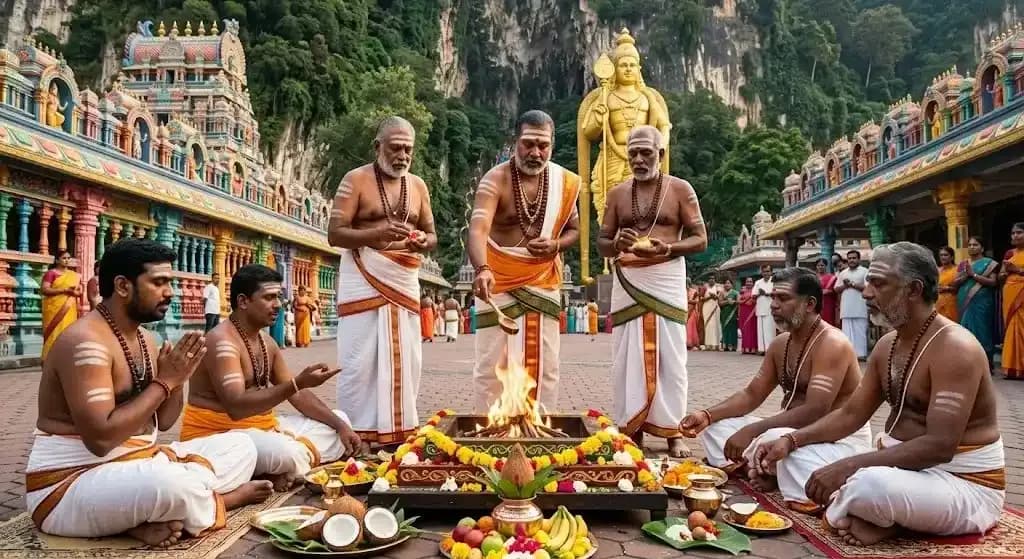
Complete List of Hindu Gotras: Meaning, Significance, and Origins
In Hindu tradition, Gotra is a fundamental concept that signifies lineage or clan, tracing back to ancient sages or Rishis who are considered the spiritual and…
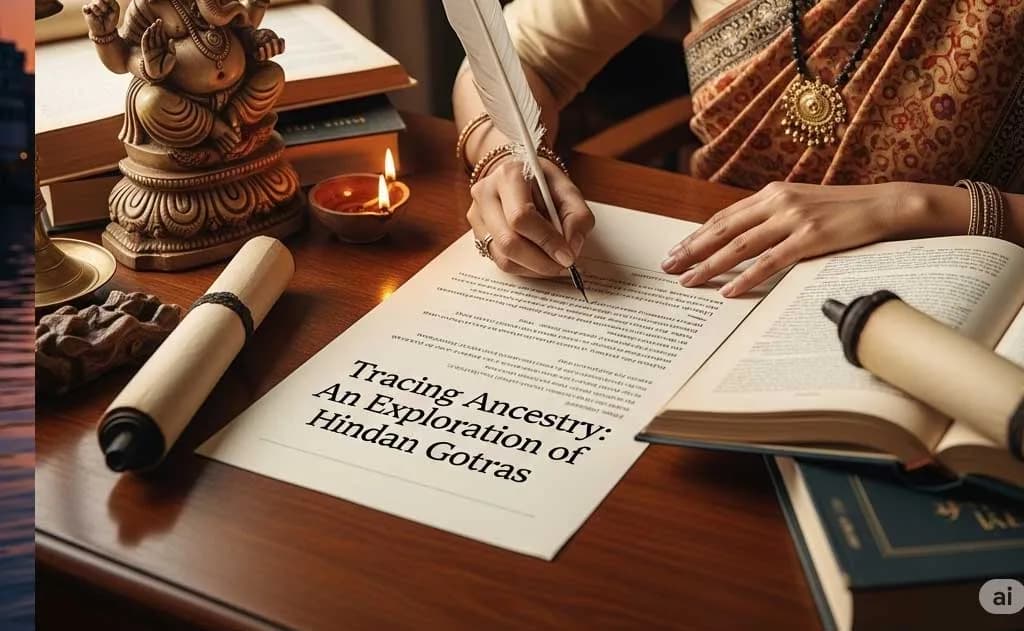
In Hindu tradition, Gotra is a fundamental concept that signifies lineage or clan, tracing back to ancient sages or Rishis who are considered the spiritual and…
In Hindu tradition, Gotra is a fundamental concept that signifies lineage or clan, tracing back to ancient sages or Rishis who are considered the spiritual and intellectual ancestors of various Hindu communities. Gotras play a crucial role in Hindu marriages, religious rituals, and cultural identity. This SEO-optimized article provides a comprehensive guide to Hindu Gotras, their origins, significance, and a detailed list of all major Gotras, ensuring you have all the information you need to understand this vital aspect of Hindu heritage.
What is a Gotra in Hinduism?
The term Gotra (Sanskrit: गोत्र) translates to "lineage" or "clan" and refers to an unbroken male line of descent from a common ancestor, typically a revered sage or Rishi. According to Vedic texts, Gotras originated from the Saptarishis (seven great sages) and Agastya, who are believed to be the mind-born sons of Lord Brahma, the creator of the universe. The word "Gotra" historically meant "cow pen" or "herd of cows," symbolizing a shared identity within a family group, but it evolved to denote familial lineage.https://en.wikipedia.org/wiki/Gotra
Gotras are primarily associated with Brahmin, Kshatriya, and Vaishya communities, though many other castes have adopted the system over time. They are essential in maintaining exogamy (marrying outside the Gotra) to avoid genetic issues and preserve social order. During rituals like Poojas, Samskaras, and Shraddha Karma, the Gotra is invoked to honor ancestors and seek their blessings.https://bookmypoojaonline.com/blogs/gotra-list-with-surnames
Significance of Gotras in Hindu Culture
- Marriage Restrictions: Marriages within the same Gotra (sagotra marriages) are traditionally prohibited, as members are considered siblings descended from the same ancestor. This practice promotes genetic diversity and is rooted in the belief that sagotra unions could lead to hereditary health issues.https://www.britannica.com/topic/gotrahttps://encyclopedia.pub/entry/37218
- Ritual Importance: Gotras are chanted during religious ceremonies to connect with ancestral sages and invoke their blessings.https://bookmypoojaonline.com/blogs/gotra-list-with-surnames
- Cultural Identity: Gotras link individuals to their Vedic roots, preserving the wisdom and legacy of ancient Rishis.https://blog.mangalbhawan.com/mangal-bhavan-article/all-gotras-in-hinduism/
- Totemic Origins: Many Gotras are named after plants, animals, or natural objects, reflecting a deep connection to nature. For example, Bharadwaja means "lark," and Kashyapa is associated with "turtle."https://gotras.com/what-are-gotras/
Origins of Hindu Gotras
According to Vedic tradition, the Gotra system is rooted in the Saptarishis—seven sages believed to be the mind-born sons of Brahma: Atri, Bharadwaja, Gautama Maharishi, Jamadagni, Kashyapa, Vasishta, and Vishvamitra. The sage Agastya is often included, making eight primary Gotrakarins (founders of Gotras). From these, 49 primary Gotras emerged, which further branched into numerous sub-lineages or Pravaras.https://en.wikipedia.org/wiki/Gotrahttps://amchipedia.fandom.com/wiki/Gotras_and_Kuladevatas
The Pravaras are sub-lineages within a Gotra, often associated with multiple Rishis. For example, the Kashyapa Gotra may include the Tryarsheya Pravara (three Rishis: Kashyapa, Avatsara, Naidhruvi). Over time, Gotras expanded beyond Brahmins to include Kshatriyas, Vaishyas, and other communities like Jats, Rajputs, and Mudirajas, with some groups claiming thousands of Gotras.https://www.indiafacts.org.in/gotras-and-pravaras/https://encyclopedia.pub/entry/37218
Complete List of Hindu Gotras
While a definitive list of all Gotras is challenging due to regional variations and community-specific lineages, below is a comprehensive compilation of major Gotras, including those derived from the Saptarishis and other prominent lineages. Note that the total number of Gotras is often cited as 49, but many communities have additional Gotras based on local traditions.https://www.karma99.com/2013/01/list-of-gotra-and-thari_5.html
Primary Gotras (Derived from the Eight Gotrakarins)
- Atri Gotra
- Sub-lineages/Pravaras: Atreya, Gavisthiras
- Associated Communities: Brahmins, some Rajputs
- Totemic Origin: Named after sage Atri, known for hymns in the Rigveda.https://gotras.com/what-are-gotras/
- Bharadwaja Gotra
- Sub-lineages/Pravaras: Bharadwaja, Angirasa
- Associated Communities: Brahmins, Kshatriyas, Vaishyas
- Totemic Origin: Means "lark," symbolizing agility and wisdom.https://blog.mangalbhawan.com/mangal-bhavan-article/all-gotras-in-hinduism/
- Example Surnames: Sharma, Pandey, Trivedi
- Gautama Gotra
- Sub-lineages/Pravaras: Gautama, Angirasa
- Associated Communities: Brahmins, some Kshatriyas
- Totemic Origin: Linked to sage Gautama, known for philosophical contributions.https://www.indiafacts.org.in/gotras-and-pravaras/
- Example Surnames: Upadhyaya, Goswami
- Jamadagni Gotra
- Sub-lineages/Pravaras: Jamadagni, Bhargava, Chyavana
- Associated Communities: Brahmins
- Totemic Origin: Associated with sage Jamadagni, a warrior-priest.https://www.indiafacts.org.in/gotras-and-pravaras/
- Example Surnames: Vatsa, Mandavya
- Kashyapa Gotra
- Sub-lineages/Pravaras: Kashyapa, Avatsara, Naidhruvi
- Associated Communities: Brahmins, Kshatriyas, Vaishyas, default for those unaware of their Gotra
- Totemic Origin: Means "turtle," symbolizing longevity.https://www.reddit.com/r/hinduism/comments/12irfgr/gotras_and_their_significance/
- Example Surnames: Kashyap, Sharma, Singh
- Vasishta Gotra
- Sub-lineages/Pravaras: Vasishta, Kaundinya
- Associated Communities: Brahmins, some Kshatriyas
- Totemic Origin: Linked to sage Vasishta, a revered Vedic scholar.https://en.wikipedia.org/wiki/Gotra
- Example Surnames: Mishra, Shukla
- Vishvamitra Gotra
- Sub-lineages/Pravaras: Vishvamitra, Kaushika
- Associated Communities: Brahmins, Kshatriyas
- Totemic Origin: Associated with sage Vishvamitra, known for his spiritual journey.https://gotras.com/what-are-gotras/
- Example Surnames: Kaushik, Agnihotri
- Agastya Gotra
- Sub-lineages/Pravaras: Agastya, Dhrishti
- Associated Communities: Brahmins, some South Indian communities
- Totemic Origin: Named after sage Agastya, linked to the Agasti flower.https://gotras.com/what-are-gotras/
- Example Surnames: Agasti, Sastri
Additional Gotras and Sub-Lineages
The following are additional Gotras and sub-lineages (Pravaras) found across various communities, especially Brahmins, Rajputs, Jats, and others. These are derived from the primary Gotrakarins or other Rishis and are prevalent in specific regions.https://www.indiafacts.org.in/gotras-and-pravaras/https://www.scribd.com/document/390944742/GotraList
- Bhargava Gotra: Sub-lineages include Chyavana, Apnuvana, Arshtishena. Common among Brahmins.
- Kaundinya Gotra: Sub-lineage Ringe, linked to sage Kaundinya, famous in India and Cambodia.https://amchipedia.fandom.com/wiki/Gotras_and_Kuladevatas
- Angirasa Gotra: Sub-lineages include Gautama, Bharadwaja, Harita. Common in North India.https://www.indiafacts.org.in/gotras-and-pravaras/
- Mudgala Gotra: Sub-lineages include Trivedi, Bharmashyva. Prevalent among Brahmins.https://www.indiafacts.org.in/gotras-and-pravaras/
- Harita Gotra: Sub-lineages include Ambarisha, Yuvanashva. Found in Brahmin and Kshatriya communities.https://www.indiafacts.org.in/gotras-and-pravaras/
- Sandilya Gotra: Sub-lineages include Dutia, Purecha. Common in Marwari and Gujarati communities.http://hindugod99.blogspot.com/2015/04/list-of-gotras.html
- Markandeya Gotra: Associated with weavers and other communities, named after sage Markandeya.https://www.lonweb.org/links/hindi/cult/001.htm
- Vishnuvruddha Gotra: Sub-lineages include Shata, Mata. Found in South India.https://www.indiafacts.org.in/gotras-and-pravaras/
- Vadrayana Gotra: Sub-lineage Bharbhare, common in specific castes.http://hindugod99.blogspot.com/2015/04/list-of-gotras.html
- Lohitaksh Gotra: Sub-lineage Ojhe, found in select communities.http://hindugod99.blogspot.com/2015/04/list-of-gotras.html
Community-Specific Gotras
- Suthar Caste: As per Shree Vishwakarma Gyankosh, the Suthar caste has 126 Gotras, derived from sage Angirasa. Examples include Vishwakarma, Rathore, and others.https://sutharsamaj.net/vishwakarma-dharma/suthar-caste-gotra/
- Agrawal Community: Known for 18 Gotras, such as Airan, Bansal, Bindal, and Goyal, often used as surnames.https://www.karma99.com/2014/06/list-of-indian-gotra.html
- Gujjar Community: Claims 84 main Gotras with over 1,000 offshoots, including Chauhan and Rathore.https://www.karma99.com/2014/06/list-of-indian-gotra.html
- Jat and Rajput Communities: Have around 3,000 Gotras, including Rathore, Chauhan, and Sisodiya.https://encyclopedia.pub/entry/37218
- Mudiraja Community: In Andhra Pradesh and Tamil Nadu, claims 2,600 Gotras.https://encyclopedia.pub/entry/37218
Totemic Gotras
Many Gotras are named after animals, plants, or natural objects, reflecting a totemic connection to nature. Examples include:
- Bagh/Nahar: Tiger
- Bachhas: Calf
- Murkuria: Peacock
- Kachhua: Tortoise
- Nagas: Cobrahttps://gotras.com/what-are-gotras/
How to Find Your Gotra
If you’re unsure of your Gotra, here are steps to identify it:
- Family Records: Consult elders or family priests who maintain genealogical records.
- Surnames: Some surnames align with Gotras (e.g., Sharma for Kashyapa).https://www.scribd.com/document/390944742/GotraList
- Community Resources: Websites like sutharsamaj.net or bookmypoojaonline.com provide Gotra lists for specific castes.https://sutharsamaj.net/vishwakarma-dharma/suthar-caste-gotra/https://bookmypoojaonline.com/blogs/gotra-list-with-surnames
- Default Gotra: If unknown, Kashyapa Gotra is often used, as sage Kashyapa is considered the progenitor of humanity.https://www.reddit.com/r/hinduism/comments/12irfgr/gotras_and_their_significance/
- Pandit Consultation: During rituals, priests can help trace your Gotra based on family history.https://bookmypoojaonline.com/blogs/gotra-list-with-surnames
Gotra and Modern Context
In modern times, the strict prohibition of sagotra marriages is debated, with some questioning its relevance due to love marriages and changing social norms. However, Gotras remain significant in religious ceremonies and cultural identity. The system’s flexibility is evident in cases like the Chitrapur Saraswats, who allow sagotra marriages, and in adoption practices (Dathu) to bypass marriage restrictions.https://amchipedia.fandom.com/wiki/Gotras_and_Kuladevatashttps://www.lonweb.org/links/hindi/cult/001.htm
Conclusion
The Gotra system is a cornerstone of Hindu tradition, connecting individuals to their Vedic ancestors and guiding marriage and ritual practices. From the eight primary Gotrakarins to thousands of community-specific Gotras, this lineage system reflects India’s rich cultural heritage. Whether you belong to the Kashyapa, Bharadwaja, or a regional Gotra like Chauhan, understanding your Gotra strengthens your spiritual and cultural identity.
For more information or to trace your Gotra, consult family elders, community records, or trusted platforms like bookmypoojaonline.com or sutharsamaj.net. Stay connected to your roots and honor the legacy of the Rishis who shaped Hindu civilization.
Explore more about Hindu traditions and book pandits for rituals at bookmypoojaonline.com.
Frequently Asked Questions
What is Complete List of Hindu Gotras?
In Hindu tradition, Gotra is a fundamental concept that signifies lineage or clan, tracing back to ancient sages or Rishis who are considered the spiritual and intellectual ancestors of various Hindu communities. Gotras play a crucial role in Hindu marriages, religious rituals, and cultural identity.
What are the key points about Complete List of Hindu Gotras?
This SEO-optimized article provides a comprehensive guide to Hindu Gotras, their origins, significance, and a detailed list of all major Gotras, ensuring you have all the information you need to understand this vital aspect of Hindu heritage. What is a Gotra in Hinduism?
Why does Complete List of Hindu Gotras matter in Hinduism?
It reflects core values of Sanatana Dharma and offers practical and spiritual guidance that remains relevant across generations.
How can devotees apply Complete List of Hindu Gotras in daily life?
By reflecting on its teaching, incorporating the related practices or observances into daily routine, and approaching it with sincere devotion and understanding.
You might also like

Purushottam Maas 2026: Lord Vishnu's Sacred Gift of Spiritual Multiplication & Divine Grace
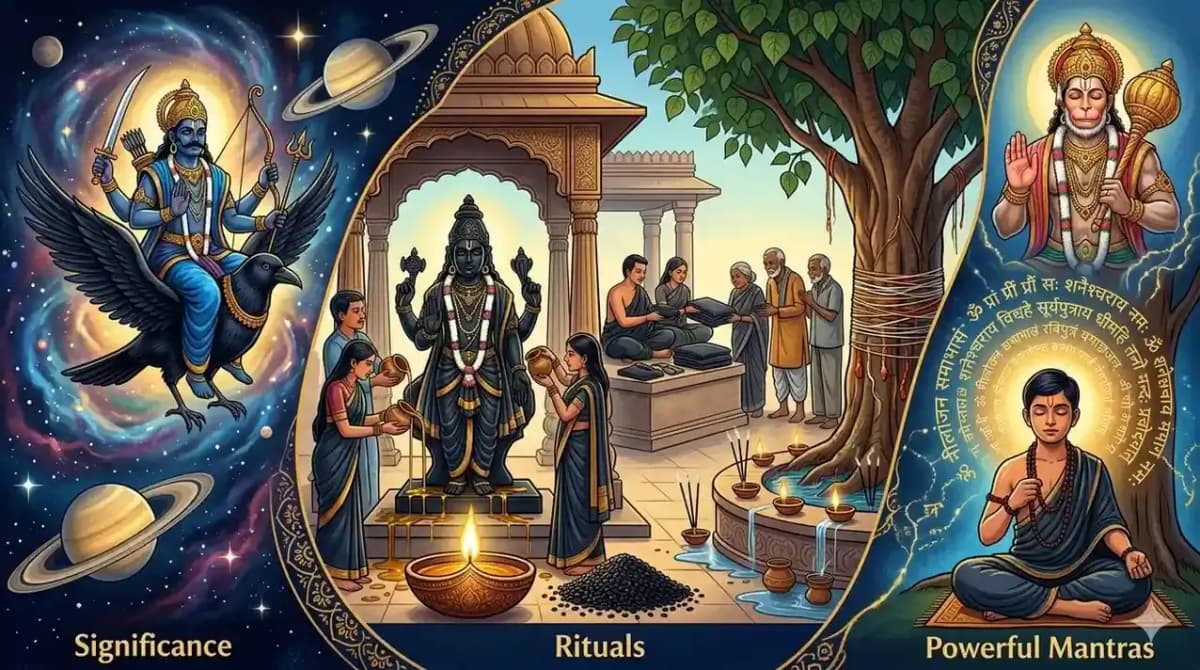
Shani Jayanti 2026: Date, Significance, Rituals & Powerful Mantras
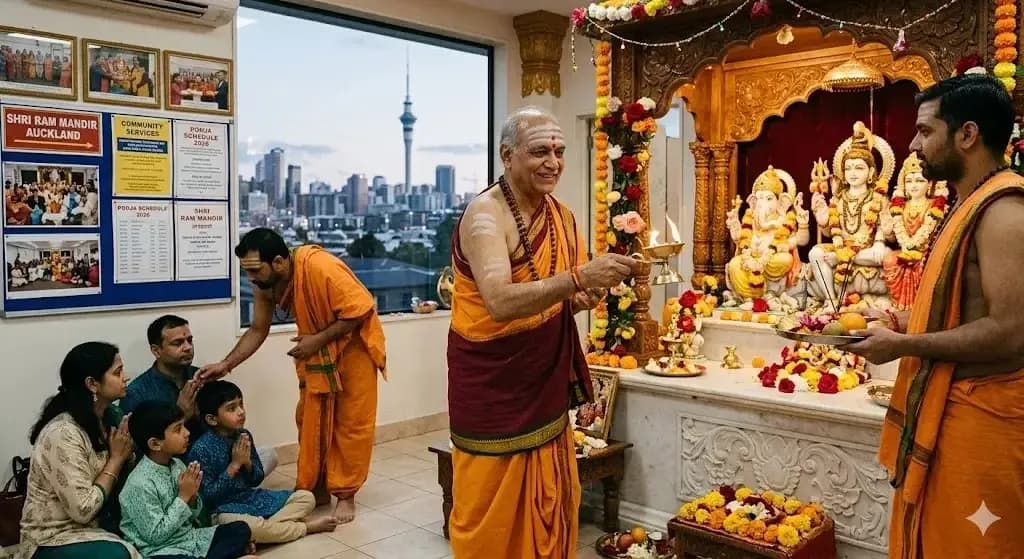
Hindu Priest Jobs New Zealand 2026 — Auckland, Wellington, Christchurch Vacancies & NZ Religious Worker Visa Guide