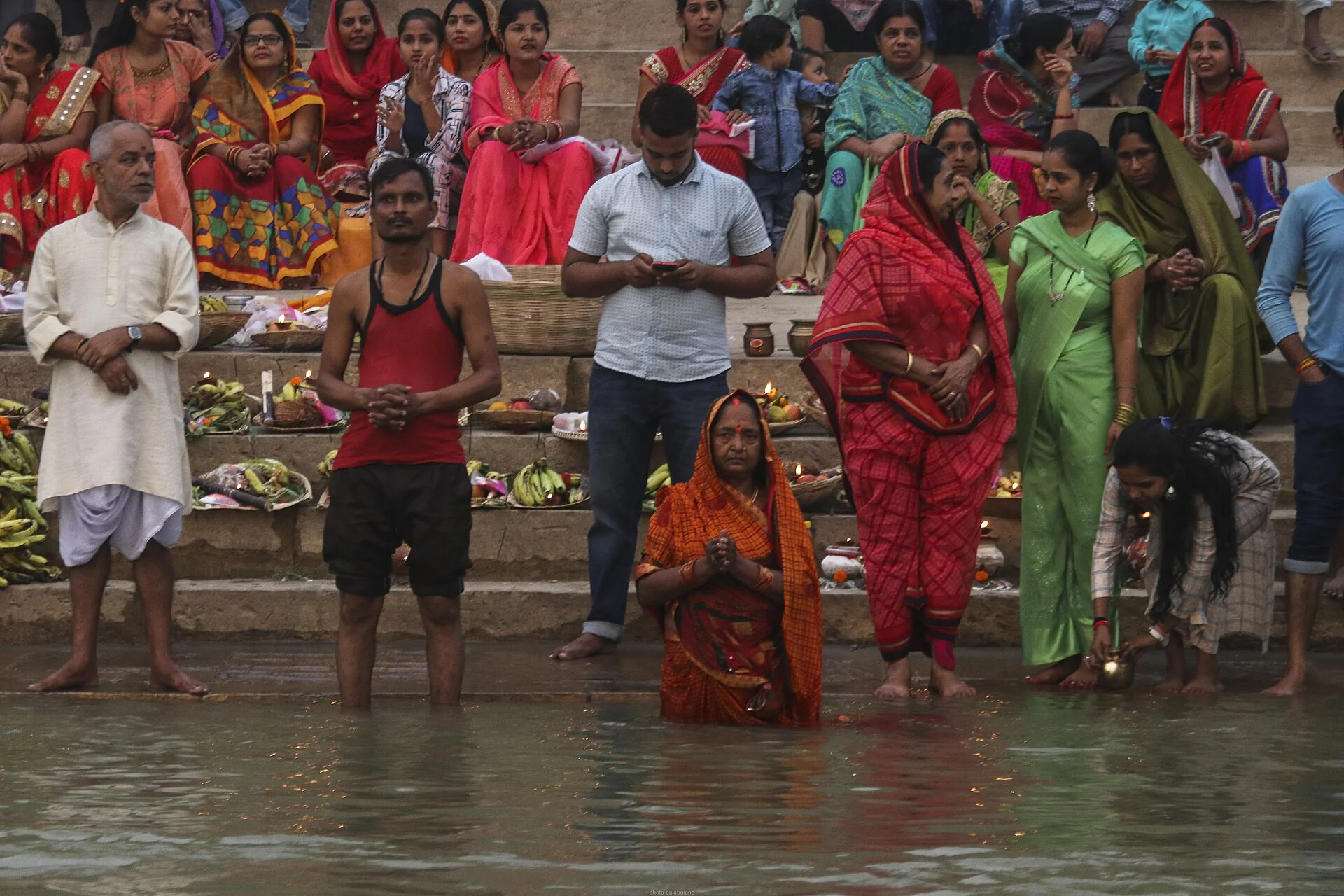
Karthika Pournami Celebrations in Japan 2025: Complete City-Wise Guide to Events, Rituals & Temple Celebrations
Introduction: The Divine Festival of Lights Karthika Pournami, also known as Kartika Purnima or Karthigai Deepam, is one of the most sacred celebrations in the…
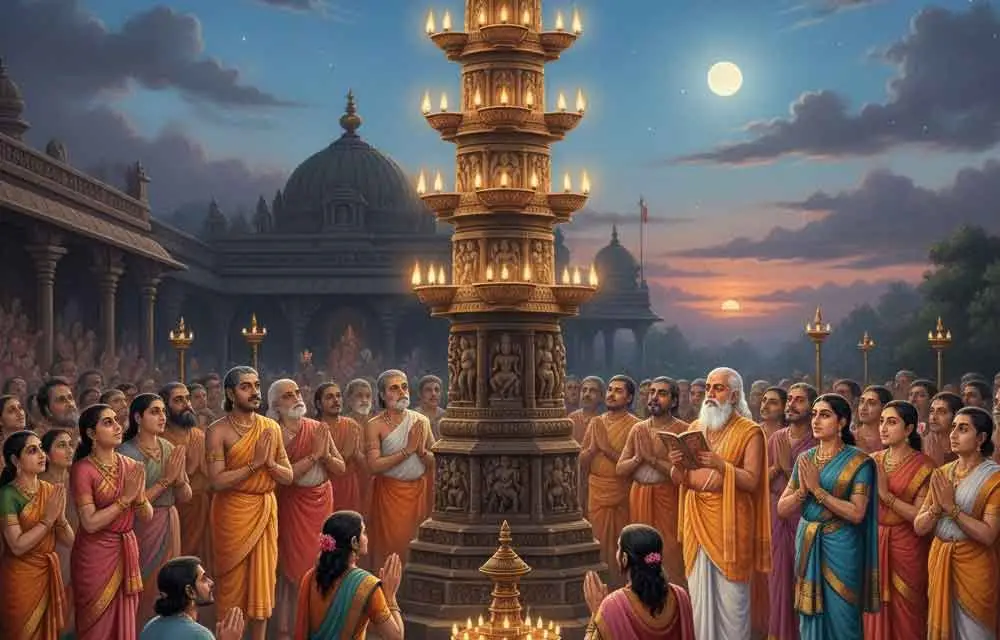
Introduction: The Divine Festival of Lights Karthika Pournami, also known as Kartika Purnima or Karthigai Deepam, is one of the most sacred celebrations in the…
Introduction: The Divine Festival of Lights
Karthika Pournami, also known as Kartika Purnima or Karthigai Deepam, is one of the most sacred celebrations in the Hindu calendar. Celebrated on the full moon day of the Hindu month of Kartika, this festival falls in November and is also known as Tripurari Purnima or Deva-Deepavali, the gods' festival of lights. In 2025, Karthika Pournami will be observed on November 5, 2025, marking a time of profound spiritual significance for Hindu communities across Japan.
For Hindu residents and expatriates in Japan, this sacred day represents more than just a religious observance—it's a connection to cultural heritage, a celebration of divine light, and an opportunity to gather as a community in devotion and unity.
What is Karthika Pournami? Understanding the Significance
Historical and Mythological Importance
Hindus consider Karthika Purnima to be especially important because it's the sole day of the year that is specifically dedicated to the worship of both Shiva and Vishnu. This unique characteristic makes it one of the most auspicious days in the Hindu calendar.
Key Legends Associated with Karthika Pournami:
- Lord Shiva's Victory Kartika Purnima, also known as Tripuri Purnima or Tripurari Purnima in Shaivism, commemorates the victory of Lord Shiva over Tripurasura, the demon. According to this legend, Shiva took the form of Tripurantaka to destroy three celestial cities called Tripura with just a single arrow.
- Lord Vishnu's Matsya Avatar Legend has it that Vishnu was incarnated to become Matsya on this day and that this was the first of his 10 incarnations in different forms.
- Radha-Krishna's Divine Dance In Vaishnavite tradition, this day is considered significant and special for the worship of both Radha and Krishna. It is believed that on this day, Radha-Krishna performed rasalila with their gopis.
- Birth of Lord Kartikeya In Southern India, Kartika Purnima is also celebrated as the birthday of Kartikeya, the god of war and younger son of Shiva.
Spiritual Benefits of Observing Karthika Pournami
Celebrating Karthika Pournami with devotion is believed to bring:
- Spiritual growth equivalent to performing numerous sacred rituals
- Cleansing of karma through purification from past negativities
- Divine grace with blessings of Lord Shiva, Vishnu, and Kartikeya
Any philanthropic act on this day is supposed to bring benefits and blessings equal to the performing of ten yajnas.
Karthika Pournami 2025 Date & Timing for Japan
Date: Wednesday, November 5, 2025
Purnima Tithi Begins: 10:36 PM on November 4, 2025 (UTC) Purnima Tithi Ends: 6:48 PM on November 5, 2025 (UTC)
Since the Udayatithi (sunrise time) is considered in Hinduism for festival observance, Karthika Pournami will be celebrated on November 5, 2025, across Japan (Japan Standard Time, UTC+9).
Time Zone Adjustments for Major Japanese Cities
Essential Rituals and Traditions
- Lighting of Diyas (Deepam) The most iconic ritual involves lighting oil lamps. Devotees light ghee or sesame oil lamps at dawn and dusk. Traditional Practice:
- Light 365 wicks (South Indian tradition)
- Use eco-friendly clay diyas
- Place lamps at entrance, tulasi plant, and home altar
- Holy Bath (Snana) Early morning shower before sunrise with Ganga jal or holy water.
- Fasting (Vrata)
- Complete fast: Sunrise to moonrise
- Partial fast: Fruits, milk, water only
- Temple Visits and PujaPuja Items:
- Bilva leaves (Shiva)
- Tulasi leaves (Vishnu)
- Flowers, fruits, coconuts, incense
- Charity and Annadanam Food distribution to the needy, temple donations, and educational support.
City-Wise Karthika Pournami Celebrations Across Japan
Japan’s Hindu population (~50,000) is concentrated in major cities. Celebrations are community-driven, often held in temples, cultural centers, or private homes. Note: A major event at Shri Ram Mandir, Bando runs from November 2–12, 2025, combining Diwali Mahotsav & Kartik Purnima with pujas, lamp lighting, and annadanam.
Tokyo & Greater Kanto
Sri Ganesh Temple, Asakusa (ISKCON Tokyo) The only full-fledged Hindu temple in Tokyo, located near Senso-ji.
2025 Events:
- 5:30 AM – Mangala Arati & Abhishekam
- 11:00 AM – Satyanarayana Puja
- 6:30 PM – 108-lamp lighting ceremony
- 7:30 PM – Bhajan & Kirtan
- Prasadam: South Indian pongal & payasam
ISKCON Yokohama Center Evening program with Vishnu Sahasranama & lamp lighting.
Tokyo Indian Community Hall (Nerima) Hosts Telugu & Tamil community events:
- 365-diya lighting
- Cultural dance (Bharatanatyam)
- Annadanam for 300+ people
Tokyo Community Features:
- Indian IT professionals dominate
- Live streaming on YouTube
- Free shuttle from Shinjuku Station
Osaka & Kansai Region
Sri Krishna Temple, Osaka (ISKCON) Located in Namba area.
2025 Events:
- 6:00 AM – Morning puja
- 7:00 PM – Maha Deepotsav (1008 lamps)
- Krishna leela drama by children
- Vegan prasadam dinner
Osaka Indian Association Hall Hosts South Indian Karthigai Deepam:
- Thiruvilakku puja by women
- Kolam competition
- Carnatic music recital
Kansai Community Features:
- Strong Tamil & Telugu presence
- Collaboration with Kyoto University Indian students
Yokohama
Sri Lakshmi Narayan Mandir, Yokohama Community-run temple in Minato Mirai area.
Events:
- Rudrabhishekam at dawn
- Evening arti with 365 diyas
- Charity drive for local orphanages
Nagoya
Sri Venkateswara Temple, Nagoya (Community Center)
Events:
- All-day Satyanarayana Vratham
- Lamp lighting on rooftop (weather permitting)
- Annadanam with South Indian meals
Fukuoka
ISKCON Fukuoka Center Evening bhajan & lamp lighting in Tenjin area.
Sapporo (Hokkaido)
Hokkaido Indian Association Indoor celebration due to cold:
- LED lamp lighting
- Virtual puja via Zoom
- Hot payasam & vada prasadam
Other Areas
How Japanese Hindu Communities Celebrate: Adaptation & Innovation
Community-Centric Celebrations
Small but tightly knit groups of Indian expats (IT, automotive, academia) organize events with temple committees, Indian associations, and student groups.
Modern Adaptations for Japanese Life
Eco-Friendly Initiatives:
- Reusable brass lamps
- Coconut oil instead of ghee
- Digital donations via PayPay
Cultural Integration:
- Japanese subtitles during discourses
- Inviting local friends to prasadam
- Explaining rituals in English & Japanese
Celebrating Karthika Pournami at Home in Japan
For Apartment Dwellers (Mansion/Apato)
Safety-First Lamp Lighting:
- LED lotus lamps on balcony
- Electric diya sets (Amazon Japan)
- Small brass lamp on heat-proof tray
Space-Saving Puja Setup:
- Foldable wooden mandir
- Portable puja kit (from India Mart Japan)
- Digital bhajan via Spotify
Creating Sacred Atmosphere
Morning Routine:
- Wake before sunrise (~6:30 AM)
- Holy bath with Ganga jal
- Light first LED lamp
- Chant Shiva Tandava Stotram
Evening Observance:
- Prepare 108 small diyas (or LED equivalents)
- Light at sunset (~5:00 PM in November)
- Perform arti with family
- Share prasadam via video call with relatives in India
Traditional Recipes for Karthika Pournami
Prasadam Items:
- Sweet Pongal (made with Japanese rice)
- Vada (using local urad dal)
- Payasam (with coconut milk)
- Panakam (jaggery drink)
Fasting Foods:
- Fruits, yogurt, nuts
- Sabudana khichdi (tapioca from Donki)
Special Programs by Regional Organizations
India Japan Chamber of Commerce & Industry (IJCCI)
- Sponsors lamp materials
- Coordinates annadanam
Panasonic India Japan Club
- Hosts cultural evening in Osaka
TCS Japan Tamil Sangam
- Organizes Thiruvilakku puja in Tokyo
Religious Observances Throughout Karthika Month
Key Dates in Karthika Masam 2025
Tulasi Vivah: November 2 Vaikuntha Chaturdashi: November 4 Karthika Pournami: November 5
Other Important Days:
- Somavara Vratas: Oct 27, Nov 3, 10, 17
- Masa Shivaratri: November 18
Tips for First-Time Celebrants
What to Expect
Dress Code: Traditional attire (kurta/saree) Etiquette: Remove shoes, silence phones Duration: 2–3 hours Language: Hindi, Tamil, Telugu, English
For Non-Indian Devotees
- All welcome
- English explanations provided
- Free prasadam for everyone
Spiritual Significance for Modern Life
The diya symbolizes:
- Overcoming ignorance with knowledge
- Unity in diversity (like Japan’s harmony culture)
- Inner light in a fast-paced life
Charitable Activities
Temple Initiatives:
- Donate to local children’s homes
- Food drive for international students
- Online crowdfunding for Indian charities
Frequently Asked Questions
Q1: Can I use LED lamps? A: Yes! Intention > medium.
Q2: Where to buy puja items in Japan? A:
- Tokyo: Sakuraya (Asakusa), India Mart (Nishi-Kasai)
- Osaka: Spice Magic (Namba)
- Online: Amazon Japan, Rakuten (search プージャー用品)
Q3: Can Japanese friends join? A: Absolutely! Many temples invite locals.
Q4: How to join online? A: Follow ISKCON Tokyo YouTube or join WhatsApp groups.
Conclusion: Embracing Light in the Land of the Rising Sun
Karthika Pournami in Japan is a beautiful blend of ancient Indian spirituality and Japanese precision. From the glowing lamps at Asakusa’s Ganesh Temple to the virtual deepotsav in Sapporo, every flame carries the warmth of home thousands of miles away.
Whether you're lighting a single LED diya in your Shibuya apartment, chanting with 200 devotees in Osaka, or sharing payasam with your Japanese neighbor, your devotion bridges cultures and illuminates hearts.
As the full moon rises over Mount Fuji, it reminds us that light transcends borders—just like the Hindu spirit thriving in the Land of the Rising Sun.
Om Namah Shivaya | Om Namo Narayanaya | Om Saravanabhavaya Namah
Connect with Your Local Community
- Search “Hindu temple Japan” or “インド寺院” on Google Maps
- Join “Indians in Tokyo” or “South Indians in Japan” Facebook groups
- Follow ISKCON Japan on Instagram
You might also like
Jyeshtha Masam 2026: Dates, Significance, Festivals, Mantras, and Danas – Complete Guide
Gita Jayanti 2026 Prasad Recipes — Tulsi-Honoring Sweets, Krishna's Favourites & December 10 Bhog Plate
Maha Shivratri 2026 Vrat Recipes — Sabudana Khichdi, Singhada Halwa, Phalahara Foods Complete Fasting Guide