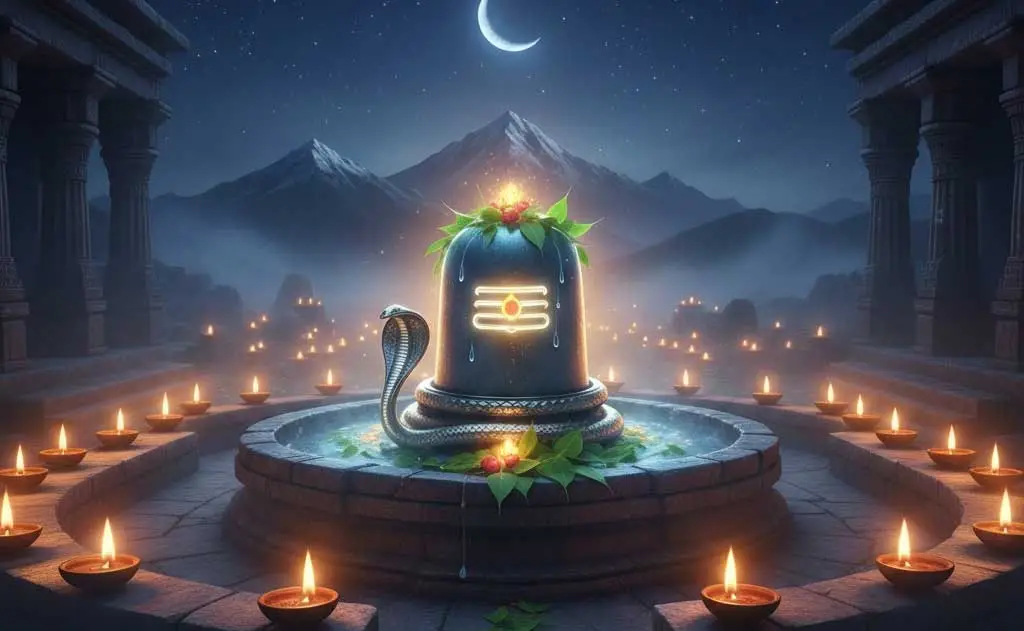
Varahi Navaratri 2025: Importance, Pooja, History & Powerful Mantras for Devi Sadhana
Varahi Navaratri 2025: History, Rituals, Importance & Mantras for Dasha Mahavidya Sadhana Introduction Varahi Navaratri, also known as Ashadha Gupta Navaratri,…
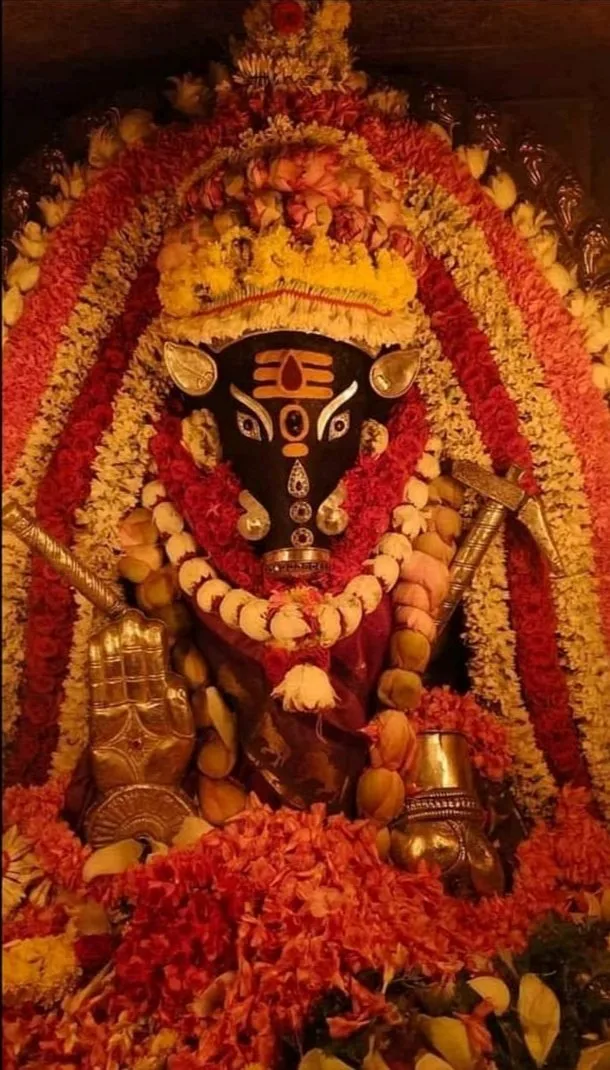
Varahi Navaratri 2025: History, Rituals, Importance & Mantras for Dasha Mahavidya Sadhana Introduction Varahi Navaratri, also known as Ashadha Gupta Navaratri,…
Varahi Navaratri 2025: History, Rituals, Importance & Mantras for Dasha Mahavidya Sadhana
Introduction
Varahi Navaratri, also known as Ashadha Gupta Navaratri, is a deeply sacred and esoteric festival for Devi upasakas (devotees of the Divine Feminine). Starting in the Hindu month of Ashadha (June–July), this nine-night observance is devoted to the worship of Goddess Varahi—one of the Sapta Matrikas and a fierce form of the Divine Mother.
Unlike the popular Sharadiya or Chaitra Navaratris, this Gupta (secret) Navaratri is primarily observed by spiritual seekers, tantrikas, and sadhakas aiming to attain inner awakening, divine blessings, and even realization of the Dasha Mahavidyas—the ten wisdom goddesses.
Historical and Spiritual Significance
Origins of Varahi Navaratri
Varahi Navaratri finds its roots in ancient Tantric texts and Agamas. Goddess Varahi, the boar-faced consort of Varaha (an avatar of Vishnu), represents the transformative and protective force of Shakti. Her worship is central in Tantric practices where secrecy, initiation, and inner alchemy play vital roles.
Why It’s Called "Gupta" Navaratri
"Gupta" means secret or hidden. Unlike public celebrations of other Navaratris, Varahi Navaratri is practiced in solitude and silence. This reflects the inner journey of the sadhaka, hidden from the world but vibrant with energy.
Importance of Varahi Navaratri for Devi Upasakas
Attainment of Dasha Mahavidyas
It is widely believed that sincere and disciplined worship during this Navaratri can lead to the darshan (spiritual vision) or blessings of the Dasha Mahavidyas—Kali, Tara, Tripura Sundari, Bhuvaneshwari, Bhairavi, Chhinnamasta, Dhumavati, Bagalamukhi, Matangi, and Kamala.
Spiritual Transformation
Each night of the Navaratri corresponds to a deeper level of inner purification and awakening. Devotees perform mantra japa, homa (fire rituals), and yantra puja to align with the vibrational frequency of Varahi and other goddesses.
Removal of Obstacles
Goddess Varahi is also known as Dandini, the one who wields a danda (staff) of justice. Her grace is invoked to remove black magic, evil eyes, legal issues, and hidden enemies.
Pooja Vidhi (Rituals)
Daily Schedule
- Morning: Sankalpam, Kalasha Sthapana, Ganapati Puja
- Noon: Recitation of Varahi Sahasranama, Kumari Puja
- Evening: Deepa Aradhana, Varahi Ashtottara Shatanamavali, Aarti
- Night: Chanting of Varahi Mantras and Dasha Mahavidya dhyana
Offerings
- Red hibiscus flowers
- Pomegranate and black sesame
- Clove, cardamom, and camphor for homa
Special Days
- Panchami (5th day): Dedicated to Bagalamukhi Sadhana
- Ashtami (8th day): Special homa for Varahi
- Navami (9th day): Culmination with Devi Mahabhishekam
Powerful Mantras for Varahi Navaratri
Varahi Moola Mantra
Om Aim Hreem Shreem Dandanayai Svaha
Dasha Mahavidya Invocation Mantra
Om Krim Kalikayai Namah
Om Hrim Tarayai Namah
Om Hrim Shrim Sundaryai Namah
... (and so on for each Mahavidya)
Protection Mantra
Om Varahi Sarvashatru Vinashinyai Namah
Conclusion
Varahi Navaratri is not just a festival but a sacred opportunity to align with the deepest forces of divine feminine energy. For true seekers, it opens doors to inner power, clarity, and the spiritual fulfillment that leads to the realization of the Supreme Shakti in all her ten forms.
Embrace this sacred time, follow the rituals with devotion, and chant the mantras with faith—Devi will reveal her blessings in mysterious and miraculous ways.
FAQs
1. What is the date of Varahi Navaratri in 2025?
It begins on June 26, 2025, and ends on July 4, 2025.
2. Can anyone observe Varahi Navaratri?
Yes, but it's especially beneficial for serious spiritual practitioners and those under guru guidance.
3. Is it necessary to perform homa during these days?
While not mandatory, homa enhances the energy of sadhana and invites faster blessings.
4. How is Varahi Navaratri different from regular Navaratri?
It’s more inward-focused, secretive, and aligned with Tantric methods of Devi worship.
5. Can chanting Varahi mantras help remove negativity?
Absolutely. Varahi is known for her fierce protection and ability to destroy hidden enemies and black magic.
Frequently Asked Questions
What is the Varahi Navaratri?
Varahi Navaratri 2025: History, Rituals, Importance & Mantras for Dasha Mahavidya Sadhana Introduction Varahi Navaratri, also known as Ashadha Gupta Navaratri, is a deeply sacred and esoteric festival for Devi upasakas (devotees of the Divine Feminine). Starting in the Hindu month of Ashadha (June–July), this nine-night observance is devoted to the worship o
How many times should the Varahi Navaratri be chanted?
It is traditionally chanted 108 times using a rudraksha or tulsi mala. Even 11 or 21 sincere repetitions daily are considered beneficial — steady, focused practice matters more than the count.
What is the best time to chant the Varahi Navaratri?
Dawn (Brahma Muhurta) after a bath is considered ideal, though it may be chanted any time with a calm, focused mind. Many devotees keep a fixed daily time to build consistency.
Who can chant the Varahi Navaratri?
Anyone may chant it with faith and a pure mind, regardless of age, gender or background. Beginners benefit from first hearing the correct pronunciation and understanding its meaning.
What are the benefits of chanting the Varahi Navaratri?
Devotees chant it to invoke Goddess Durga's grace — for inner peace, protection, focus and spiritual progress.
You might also like
Gita Jayanti 2026 Prasad Recipes — Tulsi-Honoring Sweets, Krishna's Favourites & December 10 Bhog Plate
Navratri 2026 — Sharad Navaratri Dates (October 2-11), 9 Goddess Forms, Garba Events & Complete NRI Celebration Guide
Nine Nights, Nine Forms: Navratri as the Diaspora's Most Sustainable Festival