




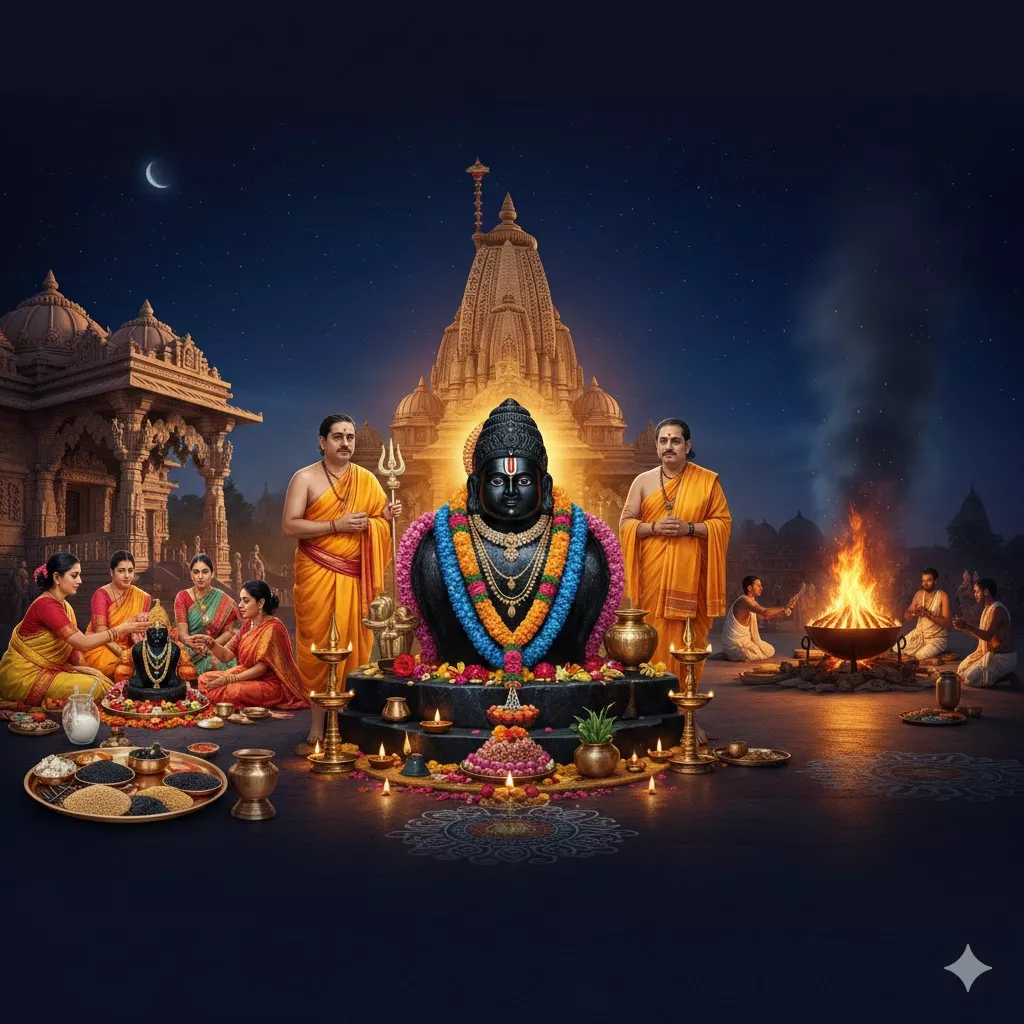
How Daily Puja Builds Inner Discipline and Mental Strength

In the quiet moments of dawn or evening, when the world slows and the mind seeks stillness, many turn to daily puja—a simple yet profound practice rooted in Hindu tradition. This daily act of worship, whether elaborate or minimal, becomes a gentle anchor for the soul. In today’s fast-paced life, filled with distractions and pressures, daily puja quietly cultivates inner discipline and mental strength, offering a path to greater clarity, resilience, and inner peace.
As described in ancient scriptures, such consistent devotion aligns the individual with higher principles, fostering not just spiritual growth but also practical strength for everyday challenges. Youth and adults alike are rediscovering this timeless routine as a source of empowerment and calm.
The Philosophical Foundation of Daily Puja
Hindu Dharma views daily worship as an essential expression of sadhana (spiritual practice), blending devotion (bhakti), selfless action (karma yoga), and focused awareness (dhyana). Puja is more than ritual; it is a disciplined offering that trains the mind to rise above fleeting impulses.
The practice encourages self-control and steadiness, teaching that true strength arises from aligning personal will with divine harmony. As ancient teachings emphasize, consistent engagement with the divine purifies thoughts, reduces ego-driven reactions, and builds a resilient inner core. This philosophical approach sees discipline not as restriction but as liberation—freeing the mind from chaos to embrace purposeful living.
Guidance from Sacred Scriptures
Scriptures like the Bhagavad Gita illuminate how disciplined devotion strengthens the mind. In Chapter 6, Lord Krishna describes the yogi who, through steady practice, attains perfect happiness and freedom from disturbances. He teaches that regulated devotion—performed with sincerity—leads to mastery over the mind, transforming it from a restless force into a calm ally.
The Gita stresses equanimity and detachment, qualities nurtured through daily acts of worship. By offering actions and thoughts to the Divine without attachment to results, one develops mental fortitude, facing life’s uncertainties with grace.
The Vedas and associated texts outline rituals (karmakanda) as acts of devotion that harmonize energies and promote purification. The structured steps of puja—lighting the lamp, offering flowers, chanting mantras—serve as tools for introspection and focus. As described in ancient scriptures, these practices attune the practitioner to cosmic rhythms, fostering discipline and inner balance.
The Upanishads further highlight self-inquiry and awareness, which puja supports by creating space for reflection amid daily life.
Modern Relevance: Building Discipline and Mental Strength Through Daily Puja
In 2026, daily puja resonates deeply as a counterbalance to digital overload, stress, and uncertainty. Scientific insights align with spiritual wisdom: consistent rituals activate relaxation responses, lower stress hormones like cortisol, and enhance focus—much like mindfulness practices.
Key ways daily puja builds inner discipline and mental strength include:
- Consistency and Routine — Performing puja at the same time each day (often morning or evening) trains the mind in punctuality and commitment. This habit extends to other areas—work, studies, health—creating a foundation of reliability and self-mastery.
- Focus and Concentration — Chanting mantras, lighting the diya, and offering items demand present-moment awareness. Over time, this sharpens attention, reduces mental wandering, and builds resilience against distractions.
- Emotional Resilience — Puja cultivates gratitude, humility, and surrender. Offering naivedya or flowers shifts focus from scarcity to abundance, fostering positivity. Devotees often report reduced anxiety, greater emotional stability, and a sense of inner strength during challenges.
- Purification and Clarity — Rituals symbolically cleanse negativity, promoting mental clarity. Regular practice quiets overactive thoughts, enhances intuition, and aligns actions with dharma, leading to confident decision-making.
- Holistic Well-Being — By integrating body (postures/offering), mind (chanting/focus), and spirit (devotion), puja supports overall balance. Many experience improved sleep, reduced rumination, and a deeper sense of purpose.
This practice is accessible—starting with 10-15 minutes of lighting a lamp, offering water, and simple prayers. Over time, it becomes a sacred pause that recharges the inner self.
For related insights, explore our articles on the Importance of rituals in Hinduism and Spiritual discipline practices.
FAQs
What is daily puja, and how long should it take? Daily puja is a personal worship ritual involving offerings, mantras, and devotion to one’s chosen deity (Ishta Devata). Beginners can start with 10-20 minutes; it grows naturally with sincerity.
How does daily puja build discipline? The commitment to a fixed time and sequence trains the mind in consistency, focus, and self-control, extending these qualities to daily responsibilities.
Can daily puja improve mental strength in stressful times? Yes—through calming mantras, gratitude practices, and surrender, it reduces anxiety, builds emotional resilience, and fosters inner calm and clarity.
Do scriptures recommend daily puja for everyone? Ancient texts like the Vedas and Bhagavad Gita emphasize regular devotion as a path to spiritual growth, mental steadiness, and connection with the Divine, adaptable to individual capacity.
Is scientific evidence supporting these benefits? Modern studies on rituals show reduced stress, better focus, and emotional balance—echoing the timeless wisdom of consistent spiritual practice.
Embracing daily puja is an invitation to nurture the soul amid life’s demands. With gentle persistence, it quietly transforms routine moments into sources of profound strength, discipline, and peace—guiding one toward a more centered, purposeful existence.
Related posts:
 Powerful Mantras to Help Conceive and Bring Positive Energy for Parenthood
 Powerful Hindu Mantras and Pariharas for Job Success in the USA
 The Scientific Benefits of Chanting Hindu Mantras
 Mantra Neuroplasticity in Hinduism: 21-Day Reset for Modern Life
Powerful Hindu Mantras for Job Survival During Recession & Career Promotions
Mantra Neuroplasticity in Hinduism: 21-Day Reset for Modern Life
Powerful Hindu Mantras for Job Survival During Recession & Career Promotions
 Bhaje Samiranandanam: The Powerful Hanuman Stotra for Devotees




 ︎
︎

