Mantra Neuroplasticity in Hinduism: 21-Day Reset for Modern Life
Introduction: Ancient Wisdom Meets Brain Science In today’s noisy, fast-paced, and mentally exhausting world, ancient Hindu wisdom offers a timeless remedy:…
Introduction: Ancient Wisdom Meets Brain Science In today’s noisy, fast-paced, and mentally exhausting world, ancient Hindu wisdom offers a timeless remedy:…
Introduction: Ancient Wisdom Meets Brain Science
In today’s noisy, fast-paced, and mentally exhausting world, ancient Hindu wisdom offers a timeless remedy: mantra chanting.
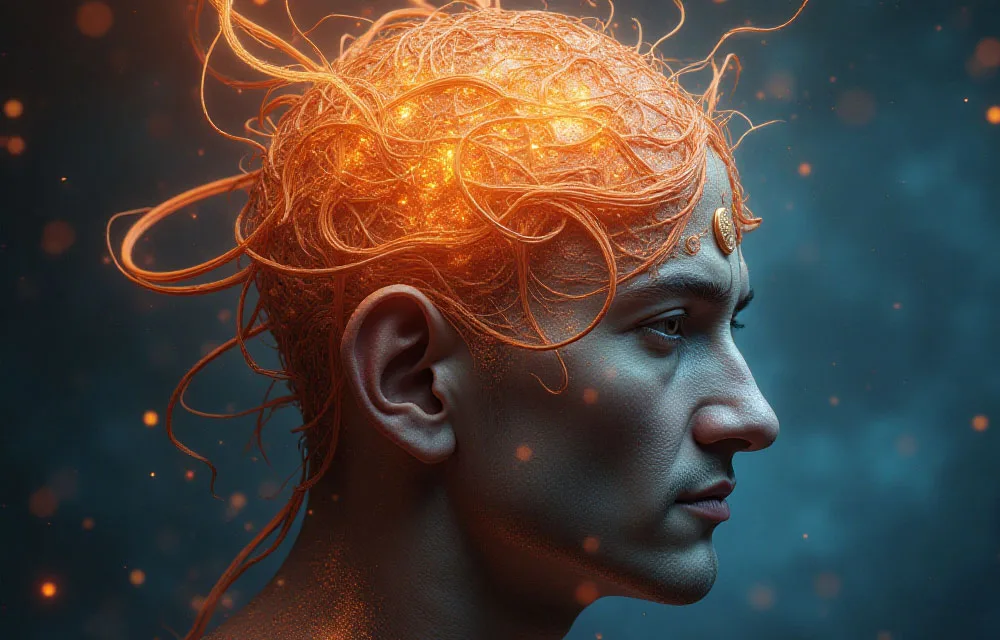
More than just spiritual poetry, mantras are vibrational tools scientifically proven to influence neuroplasticity—the brain’s natural ability to rewire itself.
In this article, we explore how sacred sounds from Hindu scriptures can shape a calmer, more focused mind in just 21 days.
What Is Neuroplasticity?
Neuroplasticity refers to the brain’s incredible capacity to change, adapt, and form new neural connections.
Repetitive mental and emotional stimuli—like chanting mantras—can reprogram habits, emotional responses, and mental resilience.
Mantra Neuroplasticity in Hinduism
Long before modern neuroscience, Hindu sages understood that sound could alter consciousness.
Both Vedic and Tantric traditions view mantras as sonic codes capable of accessing divine consciousness and resetting the mind-body system.
Scientific Evidence of Mantra Impact
Modern research has shown that:
- Chanting OM activates the parasympathetic nervous system, promoting relaxation.
- Repetitive sound lowers cortisol levels and reduces anxiety.
- Mantra recitation increases gray matter in brain regions linked to memory, empathy, and emotional regulation.
Why 21 Days?
Both neuroscience and yogic psychology agree: 21 days is the minimum period required to form new neural habits.
A 21-day mantra reset offers:
- Repetition to strengthen neural pathways
- Gradual transformation of thought patterns
- Sustainable integration of positive mental routines
Choosing the Right Mantra
For mental clarity and brain rewiring, traditional Hindu mantras recommended include:
- Gayatri Mantra – for spiritual awakening and intellect
- Om Namah Shivaya – for release, transformation, and inner purification
- So Hum – for breath awareness and inner peace
- Maha Mrityunjaya Mantra – for fearlessness, healing, and rejuvenation
The 21-Day Mantra Neuroplasticity Plan
Week 1: Calming the Mind
- Focus Mantra: So Hum
- Goal: Anchor attention to breath; build focus
- Duration: 10 minutes, morning and night
Week 2: Clearing Emotional Baggage
- Focus Mantra: Om Namah Shivaya
- Goal: Release mental clutter and emotional residue
- Duration: 15 minutes, with reflective journaling afterward
Week 3: Strengthening Intent and Insight
- Focus Mantra: Gayatri Mantra or Maha Mrityunjaya Mantra
- Goal: Cultivate clarity, resilience, and divine connection
- Duration: 20 minutes with visualization practice
Daily Routine Tips
- Chant at the same time each day
- Use mala beads for rhythm and grounding
- Combine chanting with light pranayama or meditation
- Track your mental state in a journal to notice subtle shifts
Mantra, Breath, and Brainwaves
Chanting synchronizes breath with sound, inducing alpha and theta brainwaves—states associated with meditation, creativity, and deep relaxation.
This enhances cognitive function, emotional regulation, and memory.
The Role of Intention
Neuroplastic change is amplified when mantras are chanted with clear intention.
Devotion, focus, and heartfelt belief activate deeper brain circuits, reinforcing new neural pathways more powerfully.
Mantras and Emotional Rewiring
Through regular practice, mantras can:
- Weaken fear-based thought loops
- Replace stress responses with calm, confident triggers
- Build resilient mental habits rooted in compassion and inner strength
Integrating Mantras Into a Busy Life
Even amid daily chaos, mantras offer:
- Micro-moments of mindfulness (just 2–3 minutes of chanting)
- Portable mental resets during commutes or breaks
- Evening wind-down rituals for improved sleep and relaxation
Conclusion: Rewire Your Life with Sacred Sound
By combining the neuroscience of neuroplasticity with the spiritual potency of Hindu mantras, you create a powerful formula for transformation.
In just 21 days, you can recondition your mind, open your heart, and realign your life—one sacred syllable at a time.
FAQs
1. Do I need to understand Sanskrit to benefit from mantras?
No. The vibrational quality of sound influences the brain regardless of linguistic comprehension.
2. Can I do this challenge if I’m not religious?
Yes. The practice is spiritual, not dogmatic—it welcomes anyone seeking inner transformation.
3. What happens if I miss a day?
Simply resume the next day. Consistency matters more than perfection.
4. Can I combine mantras with other mindfulness tools?
Absolutely. Mantras beautifully complement breathwork, meditation, journaling, and yoga.
5. How do I know it’s working?
Look for subtle shifts: improved focus, emotional resilience, a deeper sense of peace, and greater clarity.
Frequently Asked Questions
What is the Mantra Neuroplasticity in Hinduism?
Introduction: Ancient Wisdom Meets Brain Science In today’s noisy, fast-paced, and mentally exhausting world, ancient Hindu wisdom offers a timeless remedy: mantra chanting. More than just spiritual poetry, mantras are vibrational tools scientifically proven to influence neuroplasticity —the brain’s natural ability to rewire itself.
How many times should the Mantra Neuroplasticity in Hinduism be chanted?
It is traditionally chanted 108 times using a rudraksha or tulsi mala. Even 11 or 21 sincere repetitions daily are considered beneficial — steady, focused practice matters more than the count.
What is the best time to chant the Mantra Neuroplasticity in Hinduism?
Dawn (Brahma Muhurta) after a bath is considered ideal, though it may be chanted any time with a calm, focused mind. Many devotees keep a fixed daily time to build consistency.
Who can chant the Mantra Neuroplasticity in Hinduism?
Anyone may chant it with faith and a pure mind, regardless of age, gender or background. Beginners benefit from first hearing the correct pronunciation and understanding its meaning.
What are the benefits of chanting the Mantra Neuroplasticity in Hinduism?
It is believed to calm the mind, dissolve negativity, and draw divine grace, protection and clarity to the devotee.
You might also like
Powerful Mantras for Students & Parents Before Joining School

Powerful Hindu Mantras for Purushottam Maas 2026: Vishnu Bhakti, Chanting Guide & Global Devotion
Shani Deva Temples Worldwide & Must-Performed Rituals — Complete Devotee's Guide