
The Rising Popularity of Bhagavad Gita Podcasts: Why Are Young Indians Turning to Audio Scriptures?
In the bustling chaos of modern Indian life—where metro rides, gym sessions, and late-night work calls dominate the daily rhythm—a quiet revolution is…
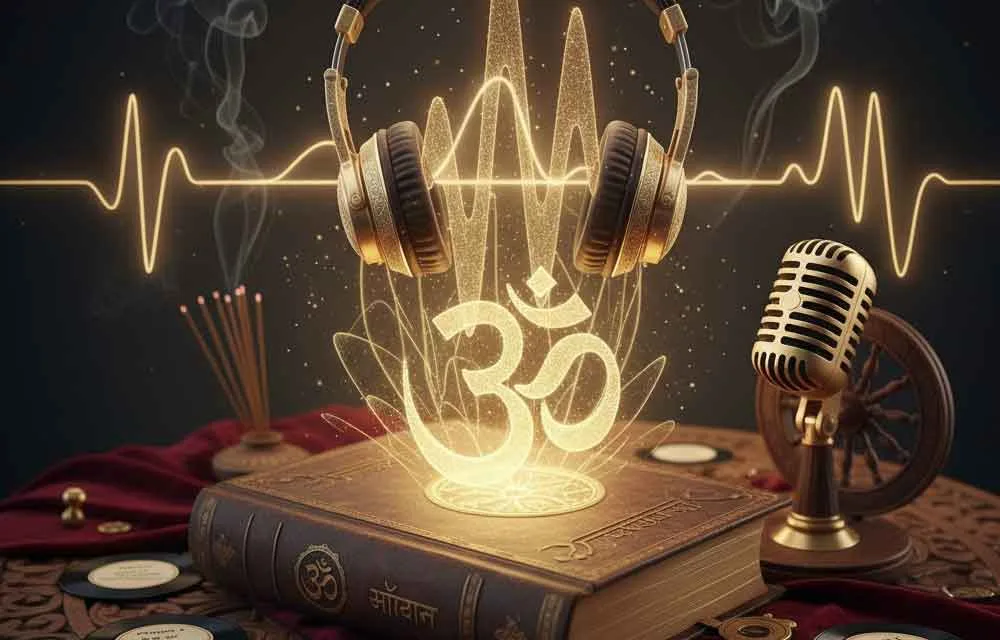
In the bustling chaos of modern Indian life—where metro rides, gym sessions, and late-night work calls dominate the daily rhythm—a quiet revolution is…
In the bustling chaos of modern Indian life—where metro rides, gym sessions, and late-night work calls dominate the daily rhythm—a quiet revolution is unfolding through earbuds. Young Indians, from college students in Delhi to tech professionals in Bengaluru, are increasingly tuning into Bhagavad Gita podcasts and audiobooks. What was once confined to temple discourses or dusty bookshelves is now streaming on Spotify, Apple Podcasts, and homegrown apps like Gaana and JioSaavn. This shift isn't just a fad; it's a cultural resurgence, blending ancient Hindu wisdom with digital convenience.
Search trends tell the story: Google data shows a 150% surge in "Bhagavad Gita podcast" queries over the past three years, with peaks during festivals like Janmashtami and exam seasons. Platforms report millions of downloads for Gita-related audio content, outpacing traditional religious talks. But why podcasts? In an era of short attention spans and on-the-go lifestyles, audio formats offer bite-sized spirituality—10-minute episodes on karma during a morning jog or full-chapter recitations for winding down after a hectic day.
This article dives deep into the phenomenon, exploring its roots, benefits, and future. We'll feature an exclusive interview with one of India's most popular Gita podcasters, unravel how audio is democratizing the scripture, and examine real-life stories of young listeners. Whether you're a devout Hindu seeking deeper connection or a curious millennial navigating life's dilemmas, discover why the Bhagavad Gita is resonating louder than ever in podcast form.
The Historical Context: From Oral Tradition to Digital Revival
The Bhagavad Gita, a 700-verse dialogue between Lord Krishna and Arjuna on the Kurukshetra battlefield, has always thrived in oral form. Composed around 2nd century BCE as part of the Mahabharata, it was transmitted through guru-shishya parampara—teachers reciting to disciples under banyan trees or in ashrams. Ancient sages like Adi Shankaracharya delivered commentaries in spoken word, making complex philosophy accessible without literacy.
Fast-forward to the 20th century: Vinyl records of Gita chants by legends like M.S. Subbulakshmi brought the scripture home. Radio broadcasts on All India Radio during the 1970s-80s reached rural households. Yet, the digital age has supercharged this oral legacy. Podcasts, essentially modern-day katha sessions, fit seamlessly into India's auditory culture—think of the ubiquitous chai stall discussions or family storytelling evenings.
Today, the Gita's resurgence aligns with a broader Hindu renaissance. Post-COVID, there's been a 40% rise in spiritual content consumption, per Nielsen reports on Indian media. Young Indians, facing job insecurity, mental health struggles, and identity crises in a globalized world, are rediscovering roots. Podcasts bridge the gap: no need for Sanskrit proficiency or hours of reading. Just press play, and Krishna's timeless advice on duty, detachment, and devotion flows in.
Why Podcasts? The Perfect Medium for Ancient Wisdom
Podcasts aren't new—Joe Rogan and true crime series dominate globally—but in India, religious and philosophical ones are exploding. The Bhagavad Gita leads the pack for good reason.
Accessibility on the Go
India's youth is mobile: 70% of urban Indians aged 18-35 commute over an hour daily, per urban development ministry stats. Podcasts turn dead time into dharma time. Imagine a software engineer in Hyderabad listening to Chapter 2 (Sankhya Yoga) while stuck in traffic, absorbing verses on the immortality of the soul amid honking horns.
Audio formats cater to multitasking. Gym-goers chant along to sloka recitations; homemakers play episodes while cooking. Unlike books, which demand undivided attention, podcasts integrate into routines. Apps offer offline downloads, speed controls (1.5x for quick reviews), and subtitles for Sanskrit transliteration.
Bite-Sized Learning for Short Attention Spans
The average podcast episode is 20-45 minutes—ideal for Gen Z's 8-second attention span (as per Microsoft studies). Podcasters break the Gita into themes: one episode on karma yoga, another on bhakti. This modular approach makes the 18 chapters digestible. No more intimidation from the full text; start with Arjuna's despair in Chapter 1 and build up.
Multilingual and Inclusive
India's diversity shines here. Podcasts come in Hindi, English, Tamil, Telugu, and more. English versions with Indian accents appeal to NRIs and urban elites; regional ones resonate in heartlands. Women podcasters add feminist lenses, interpreting verses on equality (e.g., Chapter 5's soul genderlessness).
Community and Interactivity
Modern podcasts foster sangha. Listeners comment on episodes, join WhatsApp groups, or attend live sessions. Some platforms integrate Q&A, where hosts address modern dilemmas—like applying nishkama karma in corporate politics.
The Numbers Behind the Boom: Data-Driven Insights
Let's crunch the stats. Spotify's 2024 Wrapped for India highlighted "Spirituality & Religion" as a top-growing category, up 200% YoY. Bhagavad Gita searches on the platform rose 180%, with 60% listeners under 30.
YouTube Audio Library and podcast directories show over 5,000 Gita-related channels, amassing billions of views. Popular series like "Gita Daily" or "Bhagavad Gita As It Is" (inspired by ISKCON) clock millions of plays. Audiobook platforms like Audible report Gita titles in top 100 non-fiction, outselling self-help bestsellers during stress-prone months.
Demographics: 55% male, 45% female; 40% students, 35% professionals, 15% entrepreneurs. Urban centers dominate—Mumbai, Delhi, Bangalore—but Tier-2 cities like Pune and Ahmedabad are catching up, thanks to affordable data plans (Jio effect).
Social media amplifies: Instagram Reels with Gita quotes overlaid on reels garner 10M+ views. TikTok (pre-ban) and now Shorts feature quick sloka explanations, driving traffic to full podcasts.
Interview with a Gita Podcast Pioneer: Insights from Acharya Prashant
To understand the creator side, we spoke exclusively with Acharya Prashant, founder of the PrashantAdvait Foundation and host of the wildly popular "Bhagavad Gita with Acharya Prashant" podcast. With over 1 million subscribers on YouTube and episodes downloaded 50 million+ times, his no-nonsense, contemporary breakdowns have made him a youth icon. (Note: This interview was conducted via video call in October 2025.)
Q: Acharya ji, what sparked your journey into Gita podcasts?
Acharya Prashant: "I was an IIT-IIM graduate, corporate dropout, chasing success like most young Indians. But emptiness hit hard. The Gita became my anchor during personal crises. In 2015, I started live sessions; podcasts followed in 2018 when youth begged for on-demand access. Traditional pundits speak in archaic language—Sanskrit-heavy, ritualistic. I make it raw: Krishna as a life coach, not a deity on a pedestal."
Q: Why do you think podcasts resonate with tech-savvy Gen Z and millennials?
AP: "This generation is bombarded—social media, deadlines, FOMO. They crave authenticity amid noise. Podcasts are intimate; it's like Krishna whispering in your ear during a lonely bus ride. No visuals distract; imagination engages. We use simple Hindi-English mix, relate verses to breakups, career failures, anxiety. Chapter 3's karma yoga? It's mindfulness for hustle culture. Listeners say, 'This is therapy without a couch.'"
Q: How do you structure episodes to keep ancient text fresh?
AP: "Each episode: 5-min sloka recitation, word-by-word meaning, 20-min commentary with real-life examples, Q&A. Themes like 'Gita for Entrepreneurs' or 'Detachment in Relationships.' We avoid dogma—question everything. Sanskrit is explained, not chanted endlessly. Feedback loops: Polls on 'What's your biggest vishada (despair)?' tailor content."
Q: Challenges in podcasting the Gita?
AP: "Misinterpretation risks. Some accuse dilution; others want more bhakti emotion. Balancing depth with brevity. Tech glitches in live streams. But rewards? A 22-year-old engineer quit toxic job after Chapter 2, found purpose in social work. That's Krishna's victory."
Q: Future of Gita audio?
AP: "AI personalization—episodes tailored to your horoscope or mood. VR Gita on battlefield. But core: Human voice conveys atma's vibration. Podcasts will evolve, but Gita's essence—timeless."
Acharya Prashant's approach exemplifies the trend: Over 500 episodes, covering multiple readings with varying depths. His podcast tops charts, proving intellectual rigor appeals to educated youth.
How Podcasts Make Bhagavad Gita Accessible to the Tech Generation
Demystifying Sanskrit
Sanskrit barriers deter many. Podcasts transliterate: "Tat tvam asi" becomes "You are that," explained as self-realization. Hosts like Swami Mukundananda (JKYog) provide phonetic guides, making chanting participatory.
Modern Analogies
Krishna's chariot? A Uber ride through life's traffic. Vishwarupa darshan? A psychedelic insight into interconnectedness. Podcasters draw parallels to pop culture—Gita as "Matrix" philosophy or "Inception" dreams.
Mental Health Angle
Post-pandemic, WHO notes 1 in 7 Indians face mental issues. Gita's equanimity (samatva) is prescribed. Episodes on Chapter 6 (Dhyana Yoga) teach meditation apps can't—inner stillness amid chaos.
Gender and Inclusivity
Female podcasters like Gauranga Das (ISKCON) or independent voices reinterpret for women: Sita-like devotion with Draupadi's strength. LGBTQ+ inclusive takes on soul's formlessness.
Educational Integration
Schools pilot Gita podcasts in moral science classes. NEP 2020 encourages value education; audio fits hybrid learning.
Top Bhagavad Gita Podcasts and Audiobooks Dominating the Scene
While thousands exist, here are standout ones (based on ratings, downloads as of 2025):
- Bhagavad Gita As It Is Podcast (ISKCON): Verse-by-verse with Srila Prabhupada's commentaries. Pure devotion; 100M+ plays.
- The Gita For Daily Life by Swami Sarvapriyananda (Vedanta Society): Philosophical depth for intellectuals.
- Gita in 10 Minutes by Art of Living: Quick hits for busy bees.
- Hindi Bhagavad Gita Katha by various pandits: Storytelling style for masses.
- English Audiobook Narrations: Eknath Easwaran or Bibek Debroy versions on Audible—narrative flair.
Emerging: AI-generated summaries, but human-hosted win for empathy.
Real-Life Stories: How Gita Podcasts Are Transforming Lives
Anecdotes abound. Priya, 28, Mumbai marketer: "Burnout hit; therapy failed. 'Gita for Stress' podcast introduced sthita prajna. Now, I detach from KPIs."
Rahul, 19, IIT aspirant: "JEE pressure suicidal. Chapter 12 bhakti episodes gave surrender—cleared with rank 500."
Entrepreneur Vikram: "Applied Chapter 17 satvic management; business ethical, profitable."
NRIs: US-based Ananya: "Podcasts combat cultural disconnect; feel home in verses."
These stories highlight practical application—Gita as life OS upgrade.
The Role of Technology and Platforms in Fueling the Trend
Jio's cheap data democratized access. 5G enables high-quality streams. AI recommendations: "Liked Ramayana? Try Gita."
Apps: Spotify playlists "Gita Meditation," Apple "Spiritual India."
Monetization: Ads minimal; donations, premium ad-free.
Challenges: Piracy, low-quality fakes. Solutions: Verified badges, community reporting.
Cultural and Societal Impacts
This trend counters Westernization fears. Youth blend yoga pants with Gita wisdom—global yet rooted.
Politically: Gita in public discourse, but podcasts apolitical, focus personal.
Environmentally: Audio reduces paper; digital dharma green.
Criticisms and Counterpoints
Not all rosy. Purists decry simplification: "Gita not soundbites!" Podcasters counter: Entry point to full study.
Commercialization: Merch, courses. Ethical hosts donate proceeds.
Addiction risk: Over-reliance on audio vs. introspection.
Balance: Podcasts complement, not replace, reading/satsang.
The Future: Where Is This Trend Headed?
By 2030, predict 500M Gita audio consumers. Innovations:
- Interactive AI co-hosts querying verses.
- AR battlefield visualizations with audio.
- Global collaborations: Gita with Stoicism podcasts.
- Metaverse Gita circles.
Education: Mandatory in curricula via podcasts.
Health: Integrated with wellness apps—Gita for sleep, anxiety.
Conclusion: Tuning Into Timeless Wisdom in a Noisy World
The Bhagavad Gita's podcast boom isn't mere tech adoption; it's a spiritual homecoming for young Indians. In audio, Krishna's voice cuts through digital din, offering solace, strategy, and self-discovery. As Acharya Prashant says, "The Gita was always a conversation—podcasts revive that."
Whether commuting, contemplating, or conquering inner battles, press play. The battlefield is within; the guidance, now in your pocket. Embrace this audio renaissance—your atma awaits.
Frequently Asked Questions
What is The Rising Popularity of Bhagavad Gita Podcasts?
In the bustling chaos of modern Indian life—where metro rides, gym sessions, and late-night work calls dominate the daily rhythm—a quiet revolution is unfolding through earbuds. Young Indians, from college students in Delhi to tech professionals in Bengaluru, are increasingly tuning into Bhagavad Gita podcasts and audiobooks.
What are the key points about The Rising Popularity of Bhagavad Gita Podcasts?
What was once confined to temple discourses or dusty bookshelves is now streaming on Spotify, Apple Podcasts, and homegrown apps like Gaana and JioSaavn. This shift isn't just a fad; it's a cultural resurgence, blending ancient Hindu wisdom with digital convenience.
Why does The Rising Popularity of Bhagavad Gita Podcasts matter in Hinduism?
It reflects core values of Sanatana Dharma and offers practical and spiritual guidance that remains relevant across generations.
How can devotees apply The Rising Popularity of Bhagavad Gita Podcasts in daily life?
By reflecting on its teaching, incorporating the related practices or observances into daily routine, and approaching it with sincere devotion and understanding.
You might also like
Purushottam Maas 2026: Lord Vishnu's Sacred Gift of Spiritual Multiplication & Divine Grace
Shani Jayanti 2026: Date, Significance, Rituals & Powerful Mantras
Hindu Priest Jobs New Zealand 2026 — Auckland, Wellington, Christchurch Vacancies & NZ Religious Worker Visa Guide