Amrita Sher-Gil: The Iconic Painter with Deep Hindu Cultural Influences
Amrita Sher-Gil, often referred to as India’s "Frida Kahlo," was one of the most influential painters of the 20th century, whose work left an indelible mark on…
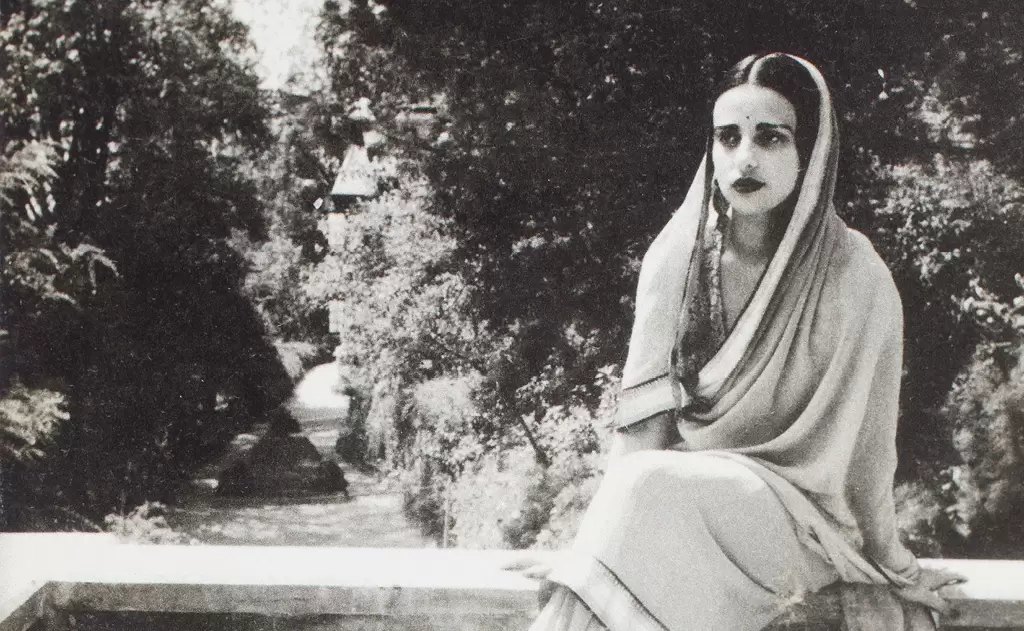
Amrita Sher-Gil, often referred to as India’s "Frida Kahlo," was one of the most influential painters of the 20th century, whose work left an indelible mark on modern Indian art. Born in 1913 to a Hungarian mother and a Sikh father, her diverse cultural background, combined with her exposure to European artistic traditions, shaped her into a trailblazing figure in both the Indian and international art scenes. Despite her European upbringing and education, Sher-Gil's art was deeply influenced by Indian culture, spirituality, and the themes of Hinduism, which she sought to bring to life through her paintings.
Early Life and Artistic Journey
Amrita Sher-Gil was born in Budapest, Hungary, and spent her early years in Hungary and later in Shimla, India. From a young age, she exhibited immense artistic talent, and by the age of nine, she was already painting seriously. Her family recognized her potential and sent her to Paris at the age of 16 to study at the prestigious École des Beaux-Arts. During her time in Paris, she was influenced by European masters such as Paul Cézanne and Paul Gauguin, whose styles shaped her early work.
However, despite her exposure to Western art, Sher-Gil felt a strong pull towards her Indian roots. In the early 1930s, she returned to India, where she immersed herself in the country’s rich cultural and religious traditions. She traveled extensively throughout India, studying the art and life of ordinary people, which eventually became the subject matter of her most iconic works. Her time in India rekindled her connection with Hindu culture, and this influence can be seen in many of her paintings.
Hindu Influences in Her Art
Amrita Sher-Gil’s art was deeply infused with Hindu cultural motifs and spiritual themes. While her early works were more influenced by Western techniques, her later works reflect a transition towards the portrayal of Indian life and spirituality. Her understanding of Hinduism was not merely religious but also cultural and aesthetic. Through her art, she celebrated the vibrancy of Hindu life, the spirituality of its people, and the complexities of Indian society.
Portrayal of Indian Women: One of the central themes of Sher-Gil’s work was the depiction of Indian women. Her paintings often feature women in traditional Indian settings, highlighting their grace, beauty, and struggles. These women were often shown in domestic environments, dressed in traditional Hindu attire, and engaged in activities that reflect the rhythms of Indian life. Works like Three Girls (1935) and Bride’s Toilet (1937) showcase this focus on Indian women, offering a compassionate and dignified portrayal of their lives. Through these works, Sher-Gil highlighted the quiet strength and resilience of Indian women, often presenting them in contemplative or introspective poses.
Vibrant Indian Colors and Forms: Sher-Gil was deeply influenced by the colors and textures of India, and many of her paintings reflect the vivid palette of traditional Indian art. She used rich, earthy tones like ochre, red, and green, which are commonly found in Hindu paintings and temple art. The use of these colors in works such as Village Scene (1938) and The South Indian Villagers (1937) show her deep appreciation for India’s natural and cultural landscape, echoing the vibrancy of Hindu festivals, rituals, and everyday life.
Spiritual Themes: While Sher-Gil did not explicitly depict religious iconography in her work, the spiritual essence of Hinduism is present in many of her paintings. Her works convey a sense of reverence for the simplicity and spirituality of rural Indian life. Her depictions of Indian villagers, ascetics, and women reflect a deep connection to the spiritual and cultural ethos of India, much of which is rooted in Hindu philosophy.
Contributions to Indian Art
Amrita Sher-Gil's return to India marked a pivotal moment not only in her career but also in the evolution of modern Indian art. She was one of the first artists to fuse Western and Indian artistic traditions, creating a new visual language that resonated with both Indian and international audiences. Her unique style, which blended European modernism with Indian themes, set her apart as a pioneering figure in Indian art.
Sher-Gil was one of the key figures who helped shape the modern Indian art movement. Her work marked a shift away from the traditional academic realism that was prevalent in India during the colonial period. She sought to capture the essence of India, not through exoticized depictions that appealed to Western sensibilities, but through an authentic portrayal of Indian life and spirituality. She believed that Indian art needed to break free from its colonial influences and find its own voice, and her work played a crucial role in this process.
Her paintings, which often depicted the lives of the rural poor, village life, and the struggles of Indian women, were groundbreaking in their subject matter. Sher-Gil’s works highlighted the beauty and dignity of the Indian people, especially those who were marginalized in society. Her art offered a new perspective on Indian culture, one that was rooted in empathy, spirituality, and a deep understanding of the country’s social and cultural complexities.
Legacy and Impact
Amrita Sher-Gil's life was tragically cut short when she passed away in 1941 at the young age of 28, but her influence on Indian art has endured. She is regarded as one of the most important Indian artists of the 20th century, and her work continues to inspire generations of artists in India and beyond. Her pioneering role in blending Western and Indian artistic traditions paved the way for future Indian artists to explore their own cultural identities while engaging with global artistic movements.
Sher-Gil’s work also opened up new avenues for women in the Indian art world. As one of the first prominent female artists in India, she broke gender barriers and challenged traditional norms, both in her life and through her art. Her bold, unconventional lifestyle and her unapologetic approach to expressing her artistic vision continue to inspire women artists today.
Conclusion: A Bridge Between Cultures
Amrita Sher-Gil’s life and work represent a unique fusion of cultures, traditions, and spiritual influences. Her deep engagement with Indian culture, particularly Hinduism, shaped her artistic vision and allowed her to create works that resonate with the spiritual and cultural richness of India. Her paintings, which celebrated the beauty and complexity of Indian life, remain timeless masterpieces that continue to influence the world of art.
Through her depictions of Indian women, her use of vibrant Indian colors, and her focus on the spiritual essence of Hindu life, Sher-Gil captured the soul of India in her art. Her legacy as a visionary artist and a pioneer of modern Indian art endures, and her works remain a testament to the power of art to transcend cultural boundaries and connect with the human spirit.
For more stories on Hindu culture and its influence on art, visit www.hindutone.com.
Frequently Asked Questions
When and where was Amrita Sher-Gil born?
She was born in 1913 in Budapest, Hungary, to a Hungarian mother and a Sikh father. She spent her early years in Hungary and later in Shimla, India.
Where did Amrita Sher-Gil study art?
At the age of 16 she was sent to Paris to study at the École des Beaux-Arts. There she was influenced by European masters such as Paul Cézanne and Paul Gauguin.
How did Hinduism influence Amrita Sher-Gil's paintings?
She did not explicitly depict religious iconography, but the spiritual essence of Hinduism runs through her work. Her art shows reverence for rural Indian life, with villagers, ascetics and women reflecting Hindu philosophy and culture.
Which are Amrita Sher-Gil's famous paintings?
Works named include Three Girls (1935), Bride's Toilet (1937), The South Indian Villagers (1937) and Village Scene (1938). Several focus on Indian women and village life.
Why is Amrita Sher-Gil important to modern Indian art?
She was one of the first artists to fuse Western and Indian traditions, moving away from the academic realism of the colonial period. She also broke gender barriers as one of India's first prominent female artists.
When did Amrita Sher-Gil die?
She died in 1941 at the age of 28. Her influence on Indian art has endured and continues to inspire artists in India and beyond.
Share this with family and friends
Send it on WhatsApp, post it, or copy the link.
More from Famous Hindus
- Hindu Spiritual Leaders and Temple Founders Abroad: The Swamis, Priests and Sabha Leaders Who Built the Diaspora
- Hindu Scientists, Astronauts and Business Leaders Abroad: 14 People Who Carried Their Faith Into Labs, Orbit and Boardrooms
- Sworn In on the Bhagavad Gita: 17 Leaders Outside India Who Took Their Oath on the Gita
- Famous Hindus Living Outside India in 2026: 42 Leaders, Scientists, Artists and Teachers Across the Diaspora
- Famous Hindus in Singapore, Malaysia, Bali and the UAE: Hindu Board Leaders, Kavadi-Carrying Ministers, a Balinese Governor and the Builders of Gulf Temples