Sri Jayendra Saraswati
Sri Jayendra Saraswati life history | Adi Shankaracharya traditions followed by Sri Jayendra Saraswati Let us understand the life led by Sri Jayendra Saraswati…
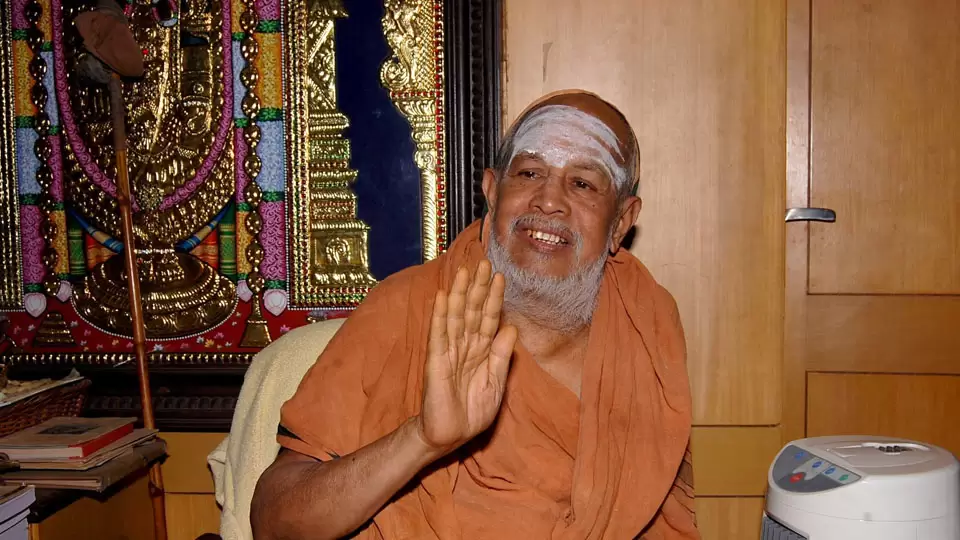
Sri Jayendra Saraswati life history | Adi Shankaracharya traditions followed by Sri Jayendra Saraswati
Let us understand the life led by Sri Jayendra Saraswati and the general Adi Shankaracharya tradition that is followed.
Sri Jayendra Saraswati, a spiritual leader, and religious scholar was born as Subramanyam Mahadeva Iyer on July 18, 1935, in Irulneeki, a small village in Tiruvarur district. He became a cardinal of the Kanchi Kamakoti Peetam which was officially founded by Adi Shankaracharya in the late 8th century.
Adi Shankaracharya was also the prominent propagator of Advaita Vedanta, religious scripts which caused a standard shift within Hinduism. He has been a great philosopher who had spread the information about the importance of Hinduism traditions and cultures that are to be followed and known by everyone.
Jayendra Saraswati appropriated charge as the “Peetathipathi” of the Hindu cloister in 1994 on March 22 after the death of the Peethathipathi, Sri Chandrasekharendra Saraswati Swamigal at that time.
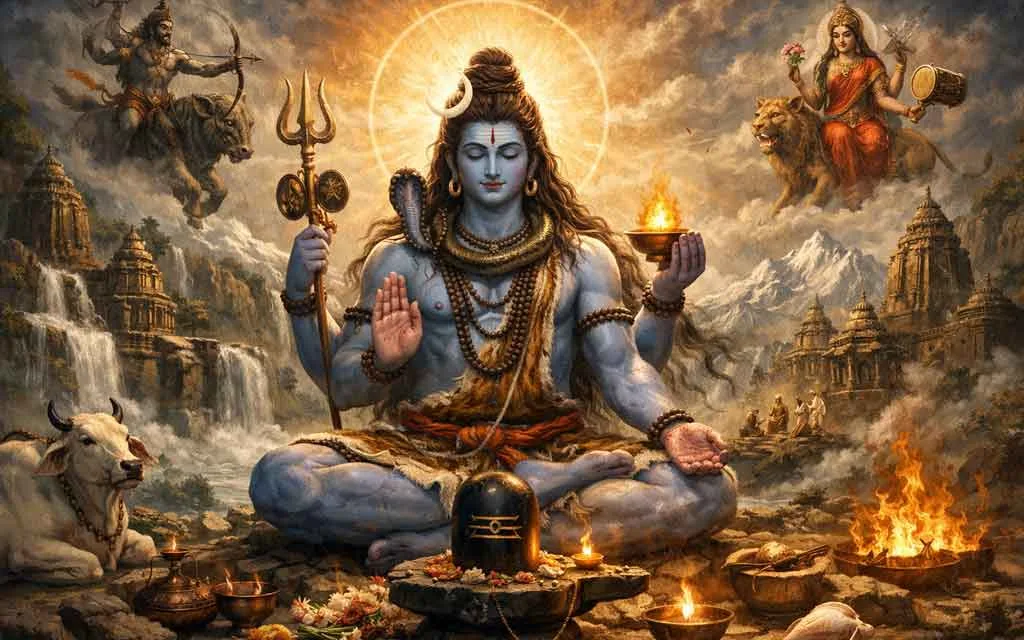
As Adi Shankaracharya, he was also seen as an avatar of Lord Shiva and declared the concept of “Sanatana dharma”.
Jayendra led a high-profile life compared to his ancestor and is widely believed to have enjoyed a good harmony with many high-level politicians across the nation.
During Jayendra’s tenure as head of the Kanchi mutt, the institution expanded its boundaries by setting up several schools for poor people, eye clinics, and hospitals.
Much of the conversation surrounding him revolved around the murder of Sankararaman who was a manager of Varadaraja Perumal temple, for which he was got arrested in the year 2004 and faced a continued legal trial. He was cleared by the Puducherry court in the year 2013.
The case imposed on him took twists and turns with four judges hearing the
case as also allegations that the senior cardinal was trying to convince the judgment. Over 180 prosecution witnesses were examined during this time in the court, less than half turned unfriendly. Many others got failed to back the prosecution.
In the year 1987, Jayendra had suddenly gone missing from the mutt.
After three days later, he was traced from Karnataka in Talacauvery.
Meanwhile, Vijayendra Saraswati, who had been chosen as his
follower, was anointed as the 70th head of the mutt while
Jayendra was away or gone missing, in order to manage the daily rituals and traditions of the mutt that are to be followed at no cost.
This was all about the life led by Sri Jayendra Saraswati and the traditions he followed from the great Adi Shankaracharya.
Early Life and Initiation into Monastic Order
Born Subramanyam Mahadeva Iyer on July 18, 1935, in the small village of Irulneeki in the Tiruvarur district of Tamil Nadu, the young boy showed signs of deep spiritual inclination from an early age. His family belonged to a devout Shaivite tradition, and the environment of the village, steeped in temple culture and Vedic recitation, shaped his inner orientation profoundly.
At the age of thirteen, he came to the attention of the then Shankaracharya of Kanchi Kamakoti Peetam, Sri Chandrasekharendra Saraswati Swamigal — reverently known as the Mahaswami or the Sage of Kanchi. Recognising the spiritual potential in the boy, the Mahaswami initiated him into sannyasa, the formal renunciation of worldly life as prescribed in the Advaita Vedanta tradition. He was given the monastic name Jayendra Saraswati, in keeping with the lineage of names at the Kanchi Peetam. This diksha (initiation) followed the ancient Dashanami monastic order established by Adi Shankaracharya, wherein the initiate renounces family ties, undergoes Vedic study, and commits fully to the propagation of dharma.
The Kanchi Kamakoti Peetam and Its Place in the Advaita Tradition
The Kanchi Kamakoti Peetam, headquartered in Kanchipuram — one of the seven sacred moksha-giving cities (Sapta Moksha Puris) of Hinduism — holds a distinguished place among the Shankaracharya mutts of India. The Peetam traces its founding to Adi Shankaracharya himself, the 8th-century Advaita philosopher who consolidated the Smarta tradition through his commentaries on the Brahmasutras, the principal Upanishads, and the Bhagavad Gita. Through these texts, Shankaracharya articulated the doctrine of non-dualism (Advaita), the teaching that the individual self (Atman) and ultimate reality (Brahman) are one and the same.
The Peetam at Kanchipuram is closely associated with the worship of Sri Kamakshi Amman, the presiding goddess of the city. According to tradition, Adi Shankaracharya installed the Sri Chakra — the sacred geometric yantra associated with Devi worship — at the Kamakshi Amman temple, integrating Shakta and Advaita threads of practice. Sri Jayendra Saraswati continued this tradition of honouring both Shaiva and Shakta forms of worship alongside the philosophical Advaitic framework, reflecting the inclusive Smarta approach that the Peetam has always championed.
Social and Humanitarian Contributions During His Tenure
During Sri Jayendra Saraswati's leadership of the Kanchi Kamakoti Peetam, the institution significantly expanded its social outreach. Under his direction, the Peetam established numerous Veda Pathashalas — traditional schools where young students receive free residential training in Vedic recitation and ancillary subjects — ensuring the preservation of an oral tradition that dates back thousands of years and is recognised by UNESCO as an intangible cultural heritage.
Beyond Vedic education, Jayendra Saraswati championed free or subsidised medical care for rural and economically disadvantaged communities. The Peetam-supported eye clinics conducted thousands of cataract surgeries annually across Tamil Nadu and neighbouring states, restoring vision for those who could not afford private healthcare. Hospitals established under his patronage served patients from a range of economic backgrounds, embodying the Hindu principle of seva (selfless service) as articulated in texts such as the Taittiriya Upanishad's injunction: 'Atithi devo bhava' — treat the guest as God.
He also worked toward Hindu social unity, making notable efforts to bridge caste divisions within temple worship and to bring communities historically excluded from certain religious spaces into fuller participation in Sanatana Dharma. This aspect of his work drew both admiration and controversy, as it challenged entrenched local customs even while staying within the broader framework of Vedic tradition.
Role as 69th Pontiff and Relationship with the Mahaswami
Sri Jayendra Saraswati served as the 69th Shankaracharya in the continuous lineage of the Kanchi Kamakoti Peetam. For several decades before formally assuming the title of Peetathipathi in 1994, he functioned alongside his guru Sri Chandrasekharendra Saraswati — one of the most venerated saints of modern India — who lived to the remarkable age of 100. During this long co-existence, Jayendra carried out extensive travel and public engagement on behalf of the Peetam while the Mahaswami maintained a life of deep silence and austerity at Kanchipuram.
This relationship between guru and shishya (disciple) itself became a living example of the Guru-Parampara (lineage transmission) that underpins all four Shankaracharya Mutts. Jayendra Saraswati later designated Sri Shankara Vijayendra Saraswati as the junior pontiff and his eventual successor, ensuring the continuation of the lineage. This act of deliberate succession reflects the structured approach to monastic transmission found in the Brihadaranyaka Upanishad, which describes the passing of spiritual knowledge through an unbroken chain of teachers and students.
Interfaith Dialogue and National Integration Efforts
Sri Jayendra Saraswati was notable among Hindu religious leaders for his willingness to engage in dialogue with leaders of other faiths. He participated in forums aimed at communal harmony and met with heads of various religious communities, operating from the conviction found in the Rigveda's well-known verse 'Ekam sat vipra bahudha vadanti' — Truth is one; the wise call it by many names. His interactions with political leaders across party lines were aimed at using religious authority as a stabilising force in public life.
He undertook extensive padayatras (walking pilgrimages) and temple visits across South India, particularly in Tamil Nadu, Andhra Pradesh, and Karnataka, strengthening the connection between the Peetam and regional Hindu communities. These tours were not merely ceremonial; they typically included the performance of homas (fire rituals), discourses on Advaita philosophy, and the blessing of local educational or charitable initiatives. Such grassroots engagement distinguished his tenure as one marked by active public presence rather than purely monastic withdrawal.
Later Years, Legacy, and Passing
After his acquittal by the Puducherry court in 2013, Sri Jayendra Saraswati continued his religious and social duties, though the legal episode had taken a visible toll. He passed away on February 28, 2018, at Kanchipuram. His mortal remains were interred in the traditional manner befitting a sannyasi of the Dashanami order — without cremation, as the body of a renunciant is considered already consumed by the inner fire of jnana (knowledge) kindled at the time of monastic initiation.
His legacy rests on three broad pillars: the institutional expansion of the Kanchi Kamakoti Peetam's charitable and educational activities, the defence and propagation of Advaita Vedanta as a living philosophical tradition, and his role in making the ancient Peetam more visible and accessible to ordinary Hindus across modern India. Scholars of Indian religious history regard him as a figure who navigated the intersection of tradition and modernity with a distinctly activist approach, keeping the spirit of the Mahaswami's teaching alive while adapting the Peetam's methods to contemporary circumstances.
Frequently Asked Questions
Who was Sri Jayendra Saraswati?
He was born Subramanyam Mahadeva Iyer on July 18, 1935, in Irulneeki village, Tiruvarur district, and became the head of the Kanchi Kamakoti Peetam. He served as its 69th Shankaracharya.
When did Jayendra Saraswati become Peetathipathi of the Kanchi Kamakoti Peetam?
He assumed charge as Peetathipathi on March 22, 1994, after the passing of Sri Chandrasekharendra Saraswati Swamigal, his guru, who lived to the age of 100.
Who initiated Jayendra Saraswati into sannyasa?
At the age of thirteen, he was initiated by Sri Chandrasekharendra Saraswati Swamigal, known as the Mahaswami. He received the monastic name Jayendra Saraswati under the Dashanami order established by Adi Shankaracharya.
What social work did the Kanchi Peetam do under Jayendra Saraswati?
The Peetam set up Veda Pathashalas offering free residential Vedic training, eye clinics that ran cataract surgeries for those who could not afford private care, hospitals, and schools for poor people.
What was the Sankararaman case involving Jayendra Saraswati?
He was arrested in 2004 in connection with the murder of Sankararaman, manager of the Varadaraja Perumal temple, and faced a long trial. The Puducherry court cleared him in 2013.
Who succeeded Jayendra Saraswati at the Kanchi Peetam?
He designated Sri Shankara Vijayendra Saraswati as junior pontiff and eventual successor, continuing the Guru-Parampara of the Peetam.
Share this with family and friends
Send it on WhatsApp, post it, or copy the link.
More from Famous Hindus
- Hindu Spiritual Leaders and Temple Founders Abroad: The Swamis, Priests and Sabha Leaders Who Built the Diaspora
- Hindu Scientists, Astronauts and Business Leaders Abroad: 14 People Who Carried Their Faith Into Labs, Orbit and Boardrooms
- Sworn In on the Bhagavad Gita: 17 Leaders Outside India Who Took Their Oath on the Gita
- Famous Hindus Living Outside India in 2026: 42 Leaders, Scientists, Artists and Teachers Across the Diaspora
- Famous Hindus in Singapore, Malaysia, Bali and the UAE: Hindu Board Leaders, Kavadi-Carrying Ministers, a Balinese Governor and the Builders of Gulf Temples
You might also like
Ganapati Atharvashirsha: Full Sanskrit Text with IAST, Meaning and How to Recite
Lord Rama: The Ideal Man, King & Avatar — Complete Spiritual Biography
Rudram Chamakam: The Complete Guide to the Supreme Shiva Hymn