
Hindu Mythology Stories
121 articles
Hindu tradition has passed on its wisdom through stories for thousands of years. Tales of gods and goddesses, sages and kings, devotees and demons have been told by grandparents at bedtime, performed in temple courtyards and sung in village squares, carrying values such as truthfulness, courage, humility and devotion from one generation to the next.
These stories come from many sources: the great epics, the Ramayana and the Mahabharata; the Puranas, with their accounts of creation, avatars and divine play; regional temple legends; and the lives of saints. Devotees often see them as more than entertainment, finding in each episode a lesson about dharma or the nature of the Divine, and each festival brings its own story to remember.
On this page you will find retellings of well-known and lesser-known stories, explanations of their symbolism, the stories behind festivals and temples, and gentle versions suited to children in our Moral Stories for Kids collection, written so families in India and abroad can share them at home.
Start Here
Ten Heads of Ravana: Meaning, Stories and Interpretations Explained
Ravana is called Dashanana, the ten-faced one. Here is what the Valmiki Ramayana tradition says, the popular explanations (a boon, the Vedas and Shastras), the Jain retelling with a necklace of nine gems, the modern…
 Andal Ammawari Story: From Devotee to Goddess – The Hidden Story Behind Dhanurmasam
 The Vamana-Bali Legend: Ancient India's Most Paradoxical Victory Story
 The Story of Goddess Durga and Mahishasura: The Battle of Good Over Evil
 Uttara Kanda Summary: The Last Book of the Ramayana and the Debate Over Its Authorship
Latest Articles

Ghatotkacha in the Mahabharata: Birth, Battles and Death
Quick answer: Ghatotkacha is the son of the Pandava Bhima and the rakshasi Hidimbi. Born in the forest after Bhima…

Shabari in the Ramayana: Her Story and the Berries
Quick answer: Shabari is an aged woman ascetic who served the sages of Matanga's hermitage on the western shore of…
Makar Sankranti and Pongal Stories, With Their Sources
Quick answer: The best-known Makar Sankranti story is the descent of the Ganga, told in the Valmiki Ramayana and the…

Lava and Kusha: The Twin Sons of Rama and Sita
Quick answer: Lava and Kusha are the twin sons of Rama and Sita. Their story is told in the Uttara Kanda, the last…

Sita's Agni Pariksha: What Valmiki, the Adhyatma Ramayana and Tulsidas Say
Quick answer: The Agni Pariksha is the scene after the war in Lanka in which Sita enters a fire and the fire god Agni…
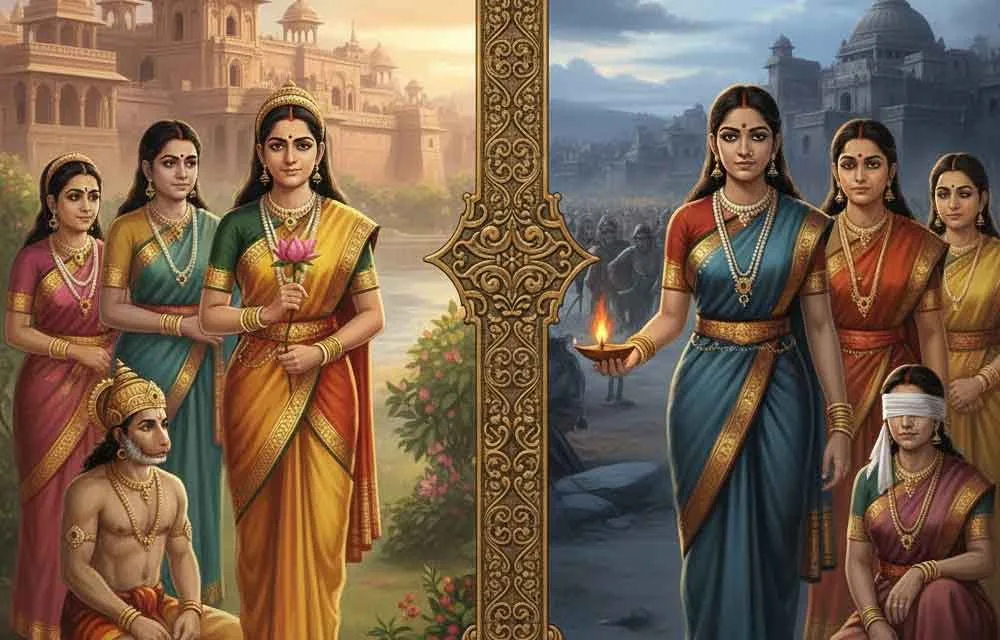
Amba and Shikhandi in the Mahabharata
Quick answer: Amba is the eldest daughter of the king of Kashi. Bhishma carries her off with her sisters from their…
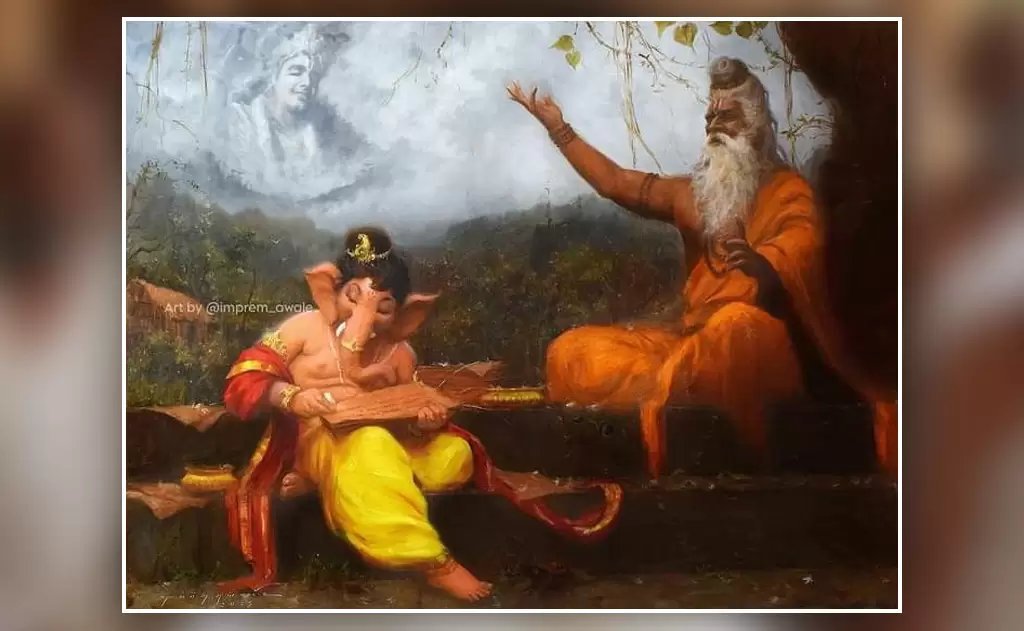
The Mahabharata for Children in Twelve Short Chapters
Quick answer: This is the Mahabharata told for children aged about seven to twelve, in twelve short chapters that a…
Which Mahabharata to Read: Editions and Translations Compared
Quick answer: For the complete epic in English, the two main choices are Bibek Debroy's ten-volume translation…
Regional Mahabharatas: Tamil, Kannada, Odia, Bengali and More
Quick answer: Most Indian languages have their own classic Mahabharata. Among the best known are Pampa's Vikramarjuna…
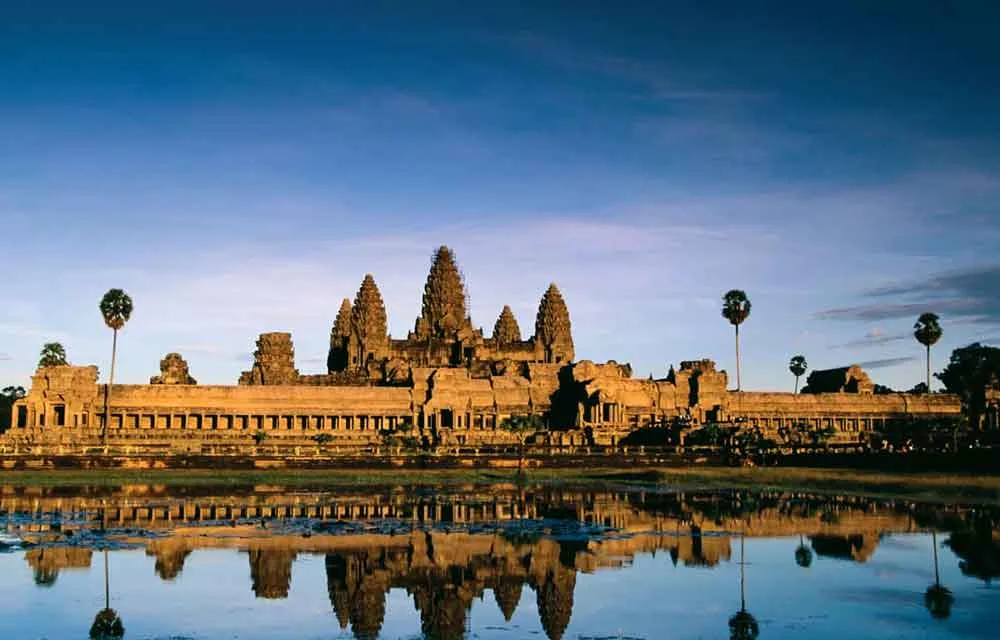
The Ramayana Beyond India: Ramakien, Reamker, Kakawin and More
Quick answer: The Ramayana travelled across Southeast Asia and became a national epic in several countries. The main…

Adhyatma Ramayana and Kerala's Ramayana Month
Quick answer: The Adhyatma Ramayana ("the spiritual Ramayana") is a Sanskrit retelling in which Rama is the Supreme…
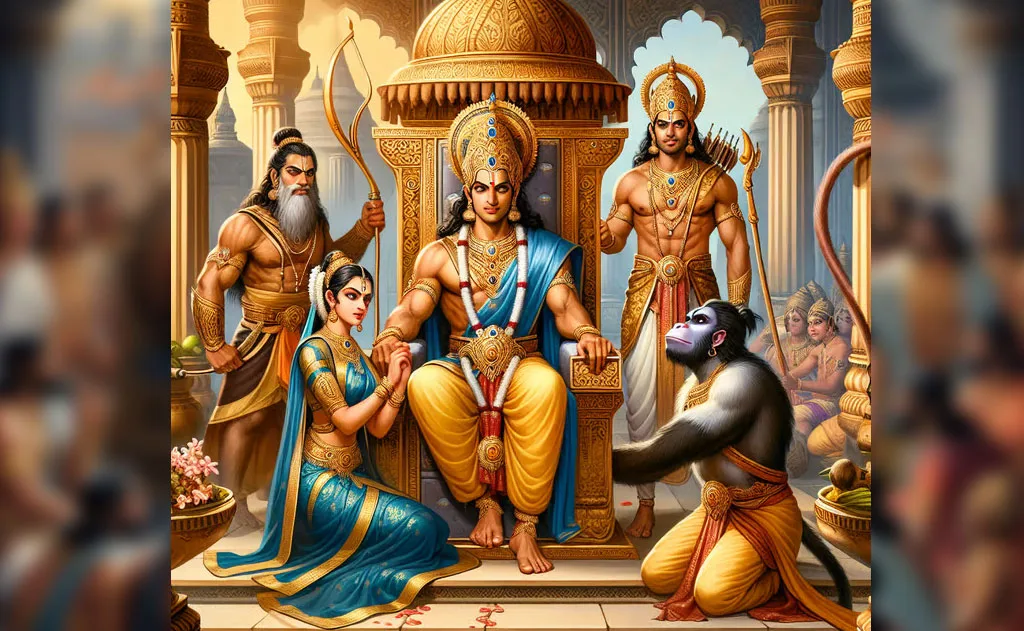
Telugu Ramayanas: Ranganatha Ramayanam, Bhaskara Ramayanam and Molla Ramayanam
Quick answer: Telugu has several classic Ramayanas. Ranganatha Ramayanam, by Gona Budda Reddy (13th to 14th century)…
Kamba Ramayanam: Kambar's Tamil Ramayana
Quick answer: The Kamba Ramayanam, called Iramavataram ("the descent of Rama") by its author, is the Tamil Ramayana of…
Mahabharata Quotes with Source and Meaning
Quick answer: The most quoted lines of the Mahabharata include yato dharmas tato jayah, "where there is dharma, there…
Ramayana Quotes with Source and Meaning
Quick answer: The best-known lines of Valmiki's Ramayana include the first shloka, ma nishada (1.2.15); Rama's promise…
Valmiki Ramayana and Ramcharitmanas: How They Differ
Quick answer: The Valmiki Ramayana is the ancient Sanskrit epic, traditionally the first poem, in which Rama is an…

The Kurukshetra War Day by Day
Quick answer: The Kurukshetra war lasted eighteen days. Bhishma commanded the Kaurava army for the first ten, Drona…
Ramayana Family Tree: Rama's Ikshvaku Lineage
Quick answer: In Valmiki's Ramayana, Rama belongs to the Ikshvaku dynasty, the solar line of the kings of Ayodhya. At…

Mahabharata Family Tree: The Kuru Dynasty Explained
Quick answer: The Mahabharata family tree runs from King Shantanu of the Kuru dynasty. His son by the river goddess…
The Last Five Parvas of the Mahabharata
Quick answer: The last five books of the Mahabharata are the Ashvamedhika, Ashramavasika, Mausala, Mahaprasthanika and…
Shanti and Anushasana Parva: Bhishma's Teachings
Quick answer: The Shanti Parva and the Anushasana Parva are the twelfth and thirteenth books of the Mahabharata.…
Sauptika and Stri Parva Summary: After the War
Quick answer: The Sauptika Parva and the Stri Parva are the tenth and eleventh books of the Mahabharata. In the…

FAQs
What are the most famous Hindu mythology stories?
The best-known stories come from the Ramayana and Mahabharata, along with Puranic tales such as Prahlada and Narasimha, Dhruva, Gajendra Moksha, Markandeya, Savitri and Satyavan, the churning of the ocean, and Krishna's childhood in Vrindavan. Each carries lessons about devotion, courage, duty and humility.
Which Hindu stories are good for children?
Children usually enjoy Ganesha and the race around the world, Hanuman's leap to Lanka, young Krishna and the Govardhan hill, Prahlada's faith, Dhruva's determination and Shravan Kumar's devotion to his parents. Panchatantra and Hitopadesha fables also teach practical wisdom. Our story pages are written in simple language for families.
Where do Hindu mythology stories come from?
Most come from the two great epics, the Ramayana and Mahabharata, and the eighteen major Puranas such as the Bhagavata, Vishnu, Shiva and Skanda Puranas. Many versions have been retold in regional languages, folk songs and temple legends (sthala puranas), so details often differ from region to region.