
Puranas
The Puranas are the great storehouse of Hindu sacred narrative, telling of the creation of the universe, the deeds of the gods and goddesses, the genealogies of ancient kings and the origins of festivals, vratas and pilgrimage sites. Traditionally attributed to the sage Vyasa, they include the Bhagavata, Vishnu, Shiva, Skanda, Padma, Markandeya and Garuda Puranas, along with many Upa-Puranas and regional Mahatmyas.
For most Hindu families the Puranas are the source of the stories heard in childhood, from Prahlada and Dhruva to Markandeya and the churning of the ocean. Many households read specific Puranas at particular times of year, such as the Karthika Puranam in Karthika Masam or the Magha Puranam in Magha Masam, and pandits often give extended discourses on the Bhagavata.
On this page you will find accessible summaries of individual Puranas in English, retellings of their best-loved stories, day-by-day reading guides for seasonal Puranas, and explanations of how they relate to the Vedas. Related reading covers the Garuda Puranam, Karthika Puranam, Bhagavata Purana and Magha Puranam.
Latest Articles

Puran Poli Recipe (Maharashtrian Chana Dal and Jaggery Flatbread)

Shiva Purana: Structure and Main Stories
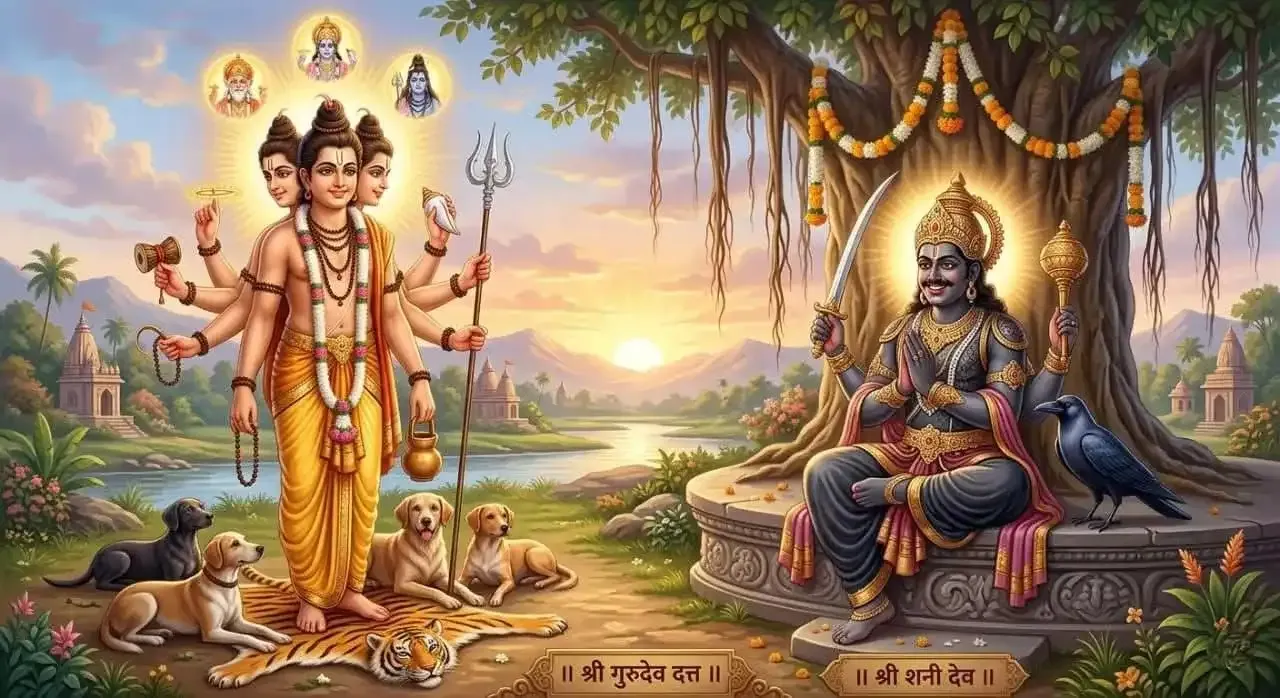
Dattatreya's 24 Gurus: Spiritual Lessons from Nature, from the Bhagavata Purana
The Birth of Dattatreya: Atri, Anasuya and the Trimurti, in the Puranas and in Popular Tradition

Karthika Vratam Udyapana 2026: How to Conclude the Karthika Vow, Dates and the Skanda Purana Procedure
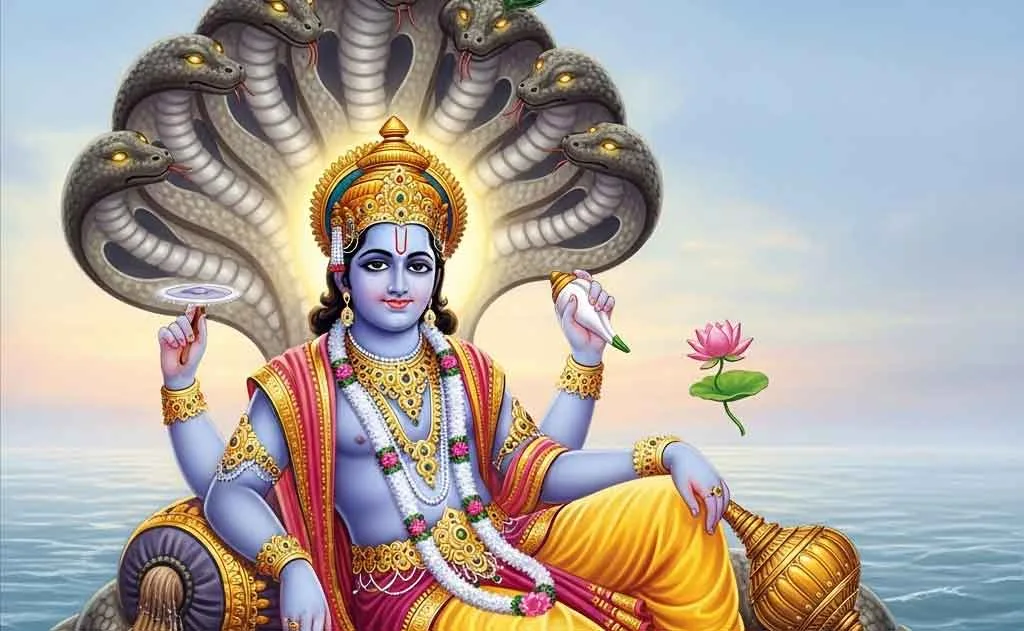
Kaisika Ekadashi 2026: Date, Nampaduvan Story, Thirukkurungudi Kaisika Natakam and Kaisika Puranam
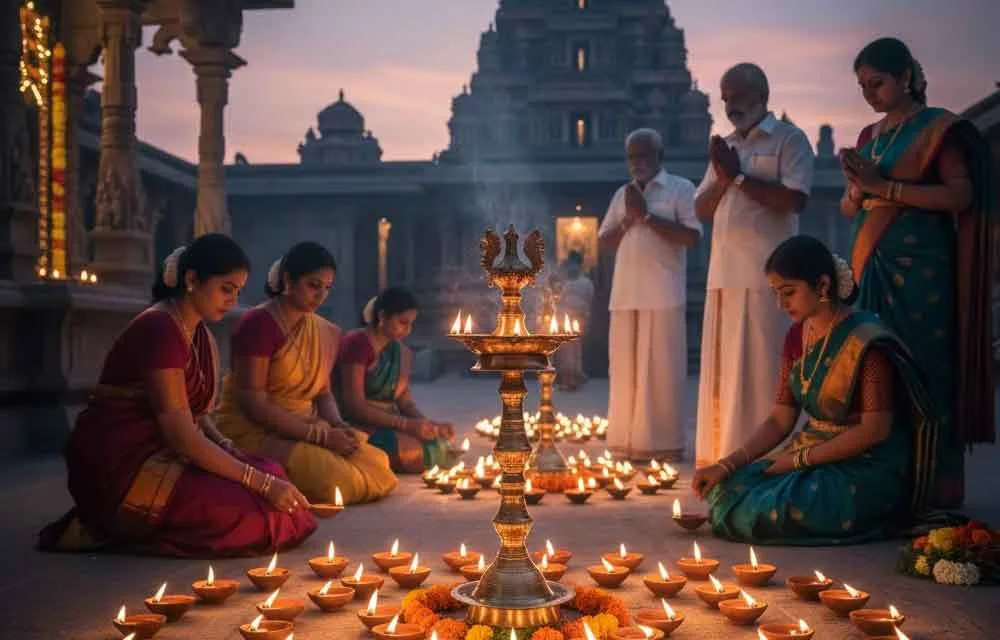
Karthika Puranam Chapter 30 (Adhyaya 30) in English: Story, Meaning and Lesson | Karthika Amavasya 2026
Karthika Puranam Chapter 15 (Adhyaya 15) in English: Story, Meaning and Lesson | Karthika Masam 2026 Day 15
Karthika Puranam Chapter 14 (Adhyaya 14) in English: Story, Meaning and Lesson | Karthika Masam 2026 Day 14
Karthika Puranam Chapter 12 (Adhyaya 12) in English: Story, Meaning and Lesson | Karthika Masam 2026 Day 12
Karthika Puranam Chapter 11 (Adhyaya 11) in English: Story, Meaning and Lesson | Karthika Masam 2026 Day 11
Karthika Puranam Chapter 5 (Adhyaya 5) in English: Story, Meaning and Lesson | Karthika Masam 2026 Day 5
Karthika Puranam Chapter 2 (Adhyaya 2) in English: Story, Meaning and Lesson | Karthika Masam 2026 Day 2
Karthika Puranam Chapter 1 (Adhyaya 1) in English: Story, Meaning and Lesson | Karthika Masam 2026 Day 1
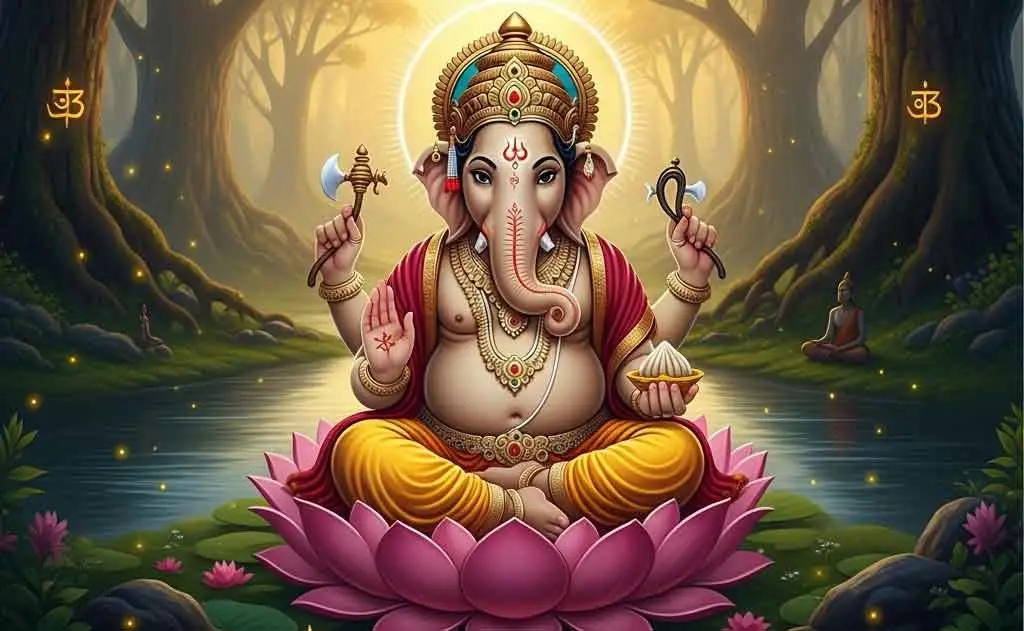
Ganeshashtakam (Yato Anantashakteh) from the Ganesha Purana: Full Text with Meaning
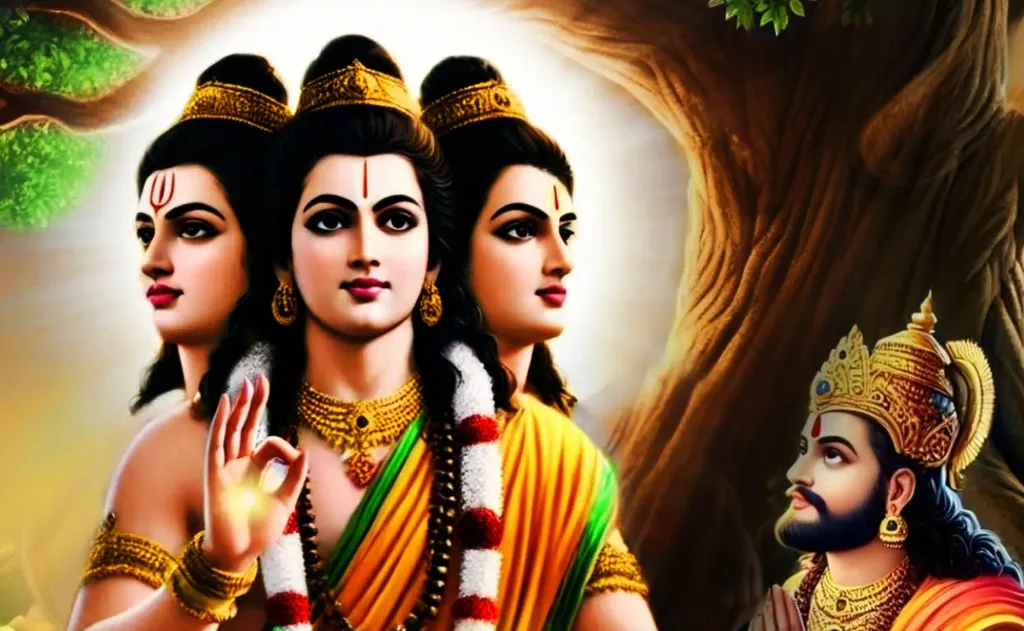
Dattatreya Stotram (Jatadharam Pandurangam), Narada Purana: Full Text with Meaning
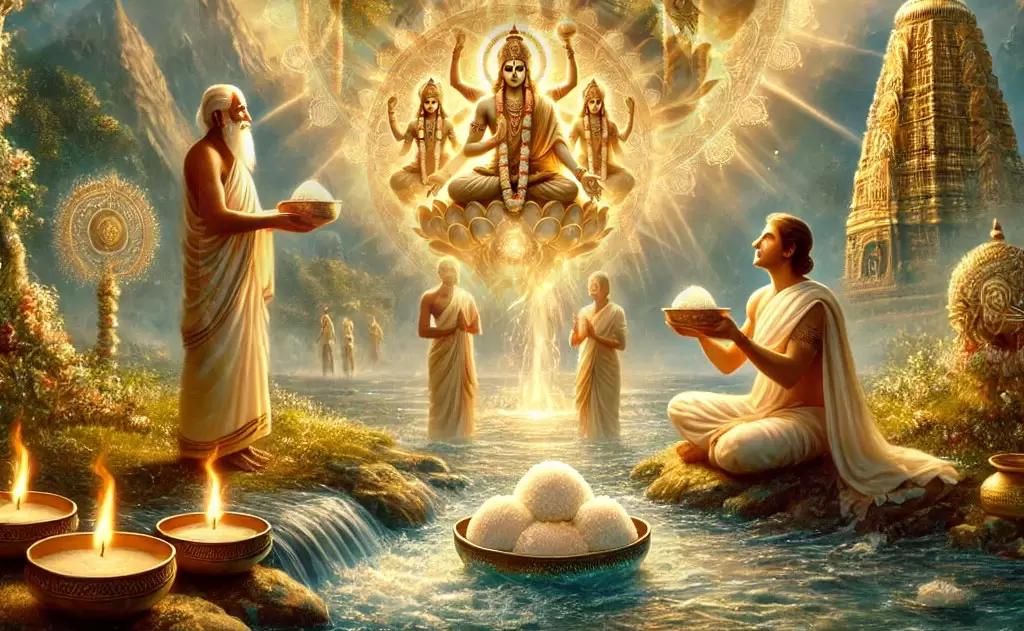
Garuda Purana Afterlife Guide 2026 — What Happens After Death, NRI Grieving Abroad & 13-Day Rituals From Anywhere
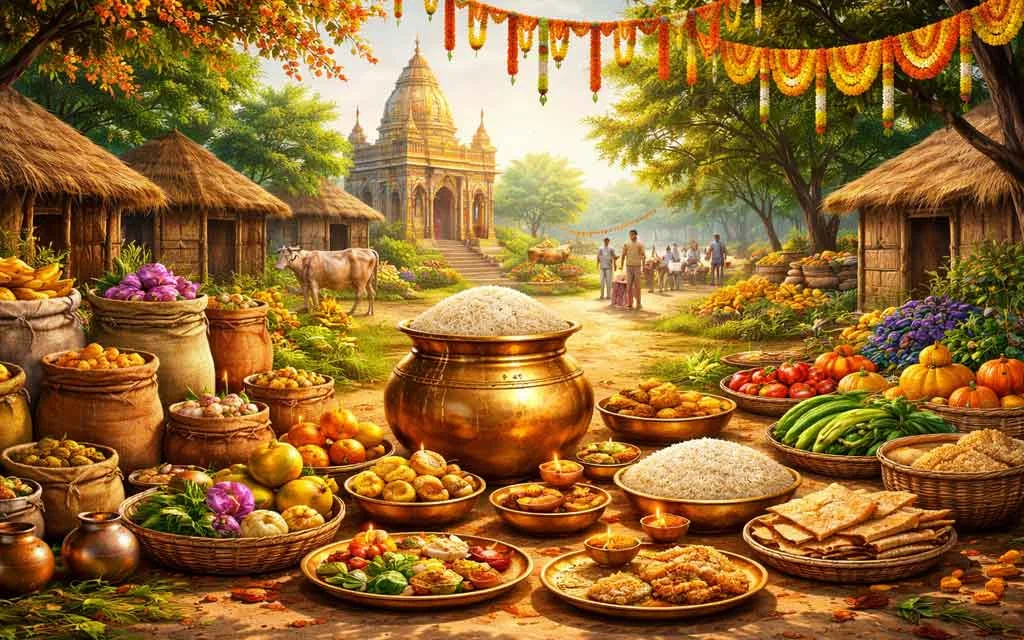
Charity (Daan) During Vaishaka Masam: Importance, Popular Donations & Complete Mythological Story from Skanda Purana | HinduTone
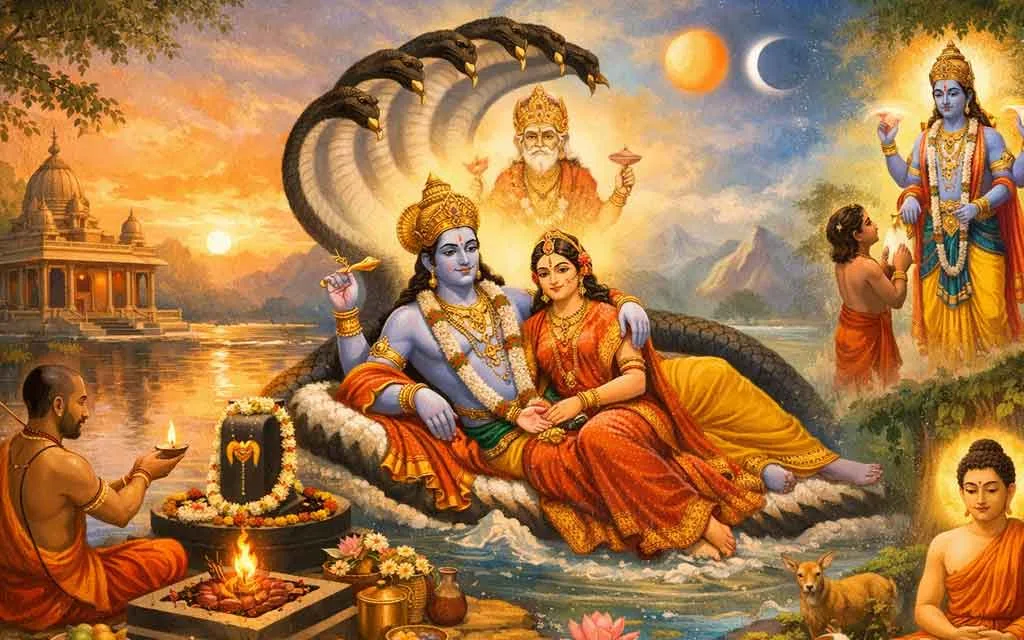
Vaishaka Masam Rituals: Complete Devotional Guide with Mythological Stories from Puranas | HinduTone

Vaishakha Masa 2026: Complete Significance, Story from Skanda Purana & Vishnu Worship Guide

Role of Tithi in Ancestor Rites – Garuda Purana Spiritual Guide
Vaikuntha Ekadashi Stories from Vishnu Purana & Padma Purana

The Puranas: Complete Guide to Hinduism's Ancient Texts
Karthika Puranam 2026: 30 Adhyayas Day by Day, Today's Adhyaya and How to Read It at Home (10 November to 8 December)
FAQs
What are the Puranas?
The Puranas are a large body of Sanskrit texts that retell creation, the genealogies of gods, sages and kings, and the stories of deities and avatars. Tradition attributes them to sage Vyasa. They made Vedic ideas accessible through stories and remain the source of many festival legends and temple traditions.
How many Puranas are there?
Tradition lists eighteen Mahapuranas, such as the Vishnu, Bhagavata, Shiva, Markandeya, Garuda and Padma Puranas, along with many Upapuranas and local Sthala Puranas about individual temples. Lists vary slightly between sources.
Which Purana should a beginner read?
Many people begin with the Bhagavata Purana, especially its stories of Krishna, or with simple retellings of the Shiva and Devi Puranas. Reading a reliable translation with commentary, or listening to discourses by traditional scholars, makes the symbolism easier to follow.