Shiva Purana: Structure and Main Stories
Quick answer: The Shiva Purana is the great Purana of Shiva devotion. In its most widely printed form it has seven samhitas (sections) and, by its own account, 24,000 verses. It tells of the endless pillar of fire, the lives of Sati and Parvati, the births of Kartikeya and Ganesha, Shiva's avatars a
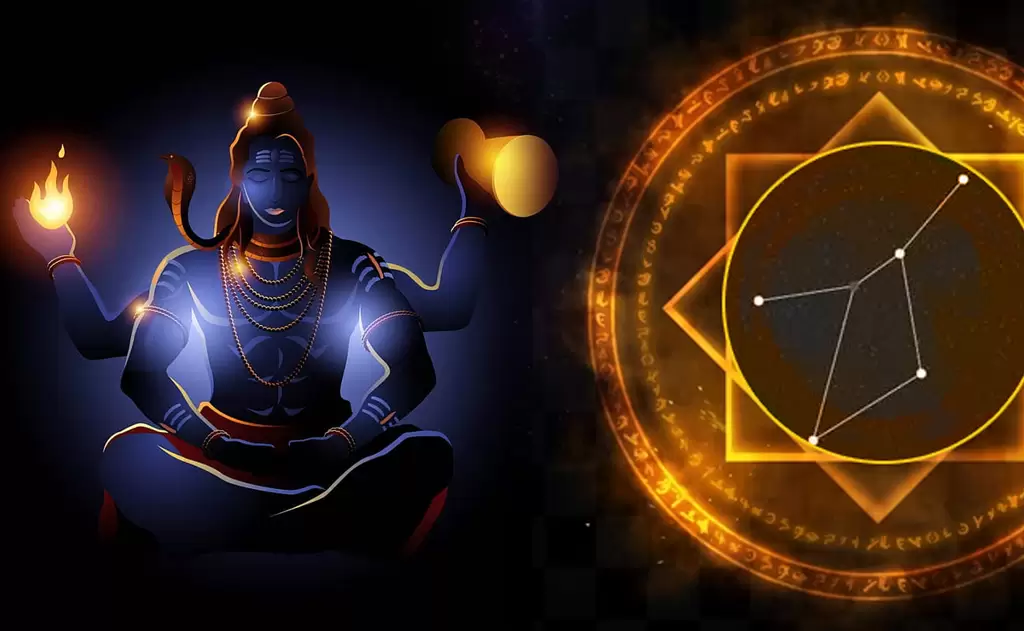
Quick answer: The Shiva Purana is the great Purana of Shiva devotion. In its most widely printed form it has seven samhitas (sections) and, by its own account, 24,000 verses. It tells of the endless pillar of fire, the lives of Sati and Parvati, the births of Kartikeya and Ganesha, Shiva's avatars and the twelve Jyotirlingas, and it teaches the worship of the linga, the five-syllable mantra and Shivaratri.
For Shaiva families, the Shiva Purana is the source of most of the stories told at Maha Shivaratri, in Shravana and Karthika, and in Shiva temples. This guide gives a map of the text: how it is arranged, what each section contains and what it teaches.
The Shiva Purana at a Glance
| Feature | Details |
|---|---|
| Type | Purana; Shaiva (centred on Shiva) |
| Language | Sanskrit |
| Structure | Seven samhitas in the common printed recension: Vidyeshvara, Rudra, Shatarudra, Kotirudra, Uma, Kailasa and Vayaviya |
| Stated length | 24,000 verses; the text says it was condensed from a much larger original |
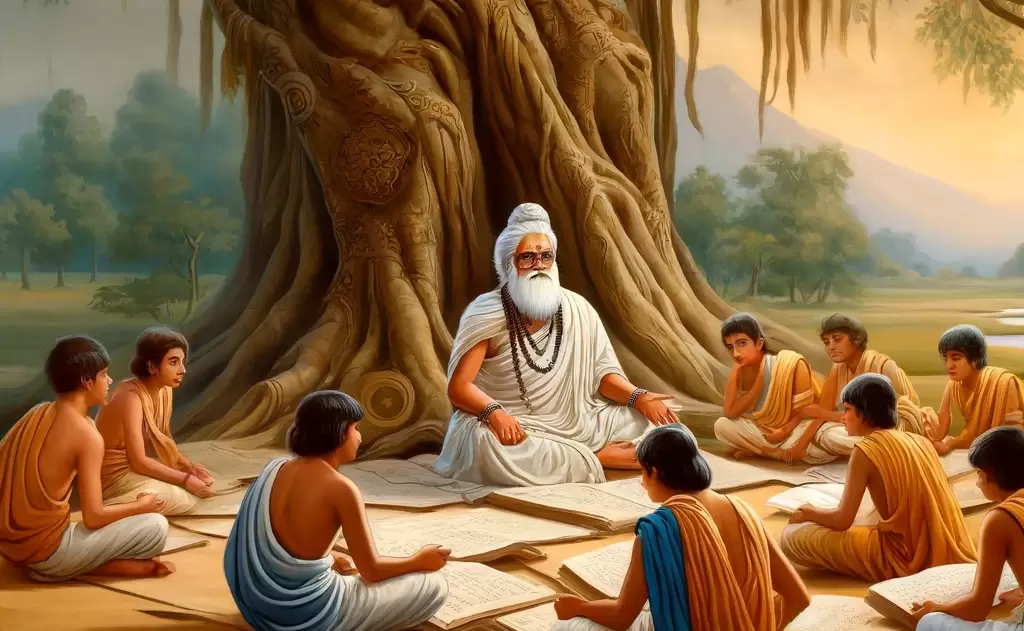
| Narrator | The bard Suta, to the sages led by Shaunaka at Naimisharanya |
| Traditional author | Veda Vyasa |
| Place among Puranas | Counted among the 18 Mahapuranas in some lists; other lists name the Vayu Purana in its place |
| Dating | Tradition: composed by Vyasa. Historians: compiled over a long period, with its present form generally dated to the medieval centuries; estimates vary |
Other manuscript traditions arrange the text differently, so chapter numbers depend on the edition. The outline below follows the seven-samhita version found in the common printed editions.
The Seven Samhitas
| Samhita | Main contents |
|---|---|
| 1. Vidyeshvara | Why the Shiva Purana should be heard; the origin of the linga as an endless pillar of fire; worship of the linga; the glory of Shivaratri, sacred ash (vibhuti), rudraksha and the five-syllable mantra |
| 2. Rudra (in five khandas) | Creation; Sati's life, Daksha's sacrifice and Sati's self-immolation; Parvati's birth, penance and marriage to Shiva; the births of Kartikeya and Ganesha; the destruction of Tripura and other battles |
| 3. Shatarudra | Shiva's many avatars and forms, such as Bhairava, Virabhadra, the Kirata who tested Arjuna, and Hanuman as Shiva's avatar |
| 4. Kotirudra | The twelve Jyotirlingas and the stories behind them; the Shivaratri vow and the story of the hunter |
| 5. Uma | Stories of the goddess; teachings on dharma, charity, sin and its consequences |
| 6. Kailasa | Om, the Shaiva understanding of the Self, and teachings for renunciants |
| 7. Vayaviya (in two parts) | Shaiva philosophy and practice: the Lord (pati), the soul (pashu) and its bonds (pasha); worship, yoga and initiation |
Main Stories of the Shiva Purana
The pillar of fire (Lingodbhava)
Brahma and Vishnu argue over which of them is greater. An endless column of fire appears between them. Brahma flies upward as a swan and Vishnu digs downward as a boar, but neither can find its end. Shiva then appears from the pillar. This is told as the origin of linga worship and is linked with Shivaratri. Brahma's false claim to have seen the top is told as the reason he is rarely worshipped in temples.
Sati and Daksha's sacrifice
Sati, daughter of Daksha, marries Shiva against her father's wishes. When Daksha holds a great sacrifice and insults Shiva, Sati gives up her body in the sacrificial fire. Shiva's fury takes form as Virabhadra, who destroys the sacrifice. Many traditions link the Shakti Peethas with the places where parts of Sati's body fell, a story told more fully in the Shakta texts.
Parvati's penance and marriage
Sati is reborn as Parvati, daughter of Himavan. Through intense penance she wins Shiva as her husband. Kama, the god of desire, who tries to break Shiva's meditation, is burned to ashes by his third eye. The wedding of Shiva and Parvati is one of the best-loved scenes in Hindu art and storytelling.
Kartikeya and Ganesha
Kartikeya (Skanda) is born to defeat the demon Taraka. Parvati creates Ganesha from the unguent of her own body to guard her door (popular retellings often say turmeric paste). When Shiva, not knowing him, cuts off the boy's head, he restores him with an elephant's head and makes him the first to be worshipped before all others.
The Jyotirlingas
The Kotirudra Samhita tells the stories of the twelve Jyotirlingas, among them Somnath, Mallikarjuna, Mahakaleshwar, Omkareshwar, Kedarnath, Bhimashankar, Kashi Vishwanath, Trimbakeshwar, Vaidyanath, Nageshwar, Rameshwaram and Grishneshwar. See Dwadasa Jyotirlinga Stotram, Mahakaleshwar Jyotirlinga and Omkareshwar Jyotirlinga.
The hunter and Shivaratri
A hunter spends a night in a bilva tree waiting for prey. Without knowing it, he drops bilva leaves and water onto a linga below and keeps awake all night: he has kept the Shivaratri vow. By Shiva's grace he is freed. The story is told every year at Maha Shivaratri.
What the Shiva Purana Teaches
- Shiva as the supreme Lord, both beyond form and present in the linga and in his many forms.
- Devotion through simple acts: water and bilva leaves on the linga, sacred ash, rudraksha and repetition of the five-syllable mantra Namah Shivaya.
- Shivaratri: fasting and keeping awake in worship on the night of Shiva.
- Grace for all: many stories show Shiva's grace reaching sinners, hunters and outcasts who turn to him.
- Shaiva philosophy: the Vayaviya Samhita sets out the relation of the Lord, the soul and the bonds that tie it.
How to Read the Shiva Purana
- Start with the stories you hear at festivals: the pillar of fire, Sati, Parvati, Ganesha and the hunter.
- Read a complete translation with notes; English translations are available in multi-volume editions.
- Hear a katha: temples often hold Shiva Purana recitals and discourses, especially in Shravana and Karthika.
- Treat its numbers and lists with care: chapter numbers and some details differ by edition.
Frequently Asked Questions
How many samhitas does the Shiva Purana have?
Seven in the common printed recension: Vidyeshvara, Rudra, Shatarudra, Kotirudra, Uma, Kailasa and Vayaviya. Some manuscript traditions arrange it differently.
How many verses are in the Shiva Purana?
The text gives its own length as 24,000 verses, condensed, it says, from a much larger original. Actual counts vary by edition.
Is the Shiva Purana one of the 18 Mahapuranas?
In some traditional lists, yes. Other lists name the Vayu Purana in its place. Both are honoured as Shaiva Puranas.
Who narrates the Shiva Purana?
The bard Suta narrates it to the sages led by Shaunaka at the Naimisha forest. Tradition attributes its composition to Veda Vyasa.
Which Shiva Purana story is linked with Maha Shivaratri?
Two above all: the appearance of the endless pillar of fire (the linga) and the story of the hunter who unknowingly kept the Shivaratri vigil.
Related Reading on HinduTone
- The Puranas: Complete Guide
- The Paths of Worship in the Shiva Purana
- Maha Shivaratri and the Shiva Lingam
- Shaiva, Vaishnava, Shakta and Smarta: The Main Traditions
- Srimad Bhagavatam: The 12 Skandhas
Sources
- J. L. Shastri (ed.), The Siva Purana, 4 vols, Ancient Indian Tradition and Mythology series, Motilal Banarsidass, Delhi, 1970 (seven-samhita structure and contents).
- Gavin Flood, An Introduction to Hinduism, Cambridge University Press, 1996 (the Puranas and Shaiva traditions).
- Vedic Heritage Portal (Government of India), Introduction: vedicheritage.gov.in/introduction/
Last reviewed: 12 November 2026.
Share this with family and friends
Send it on WhatsApp, post it, or copy the link.
More from Hinduism
- Samkhya Philosophy Explained: Purusha, Prakriti and the 25 Tattvas
- Hinduism for Kids: A Simple Guide to What Hindus Believe
- A Hindu Day: Daily Practices from Waking to Sleep
- Dvaita Philosophy Explained: Madhvacharya's Vedanta of Difference
- Vishishtadvaita Explained: Ramanuja's Philosophy of Qualified Non-Dualism