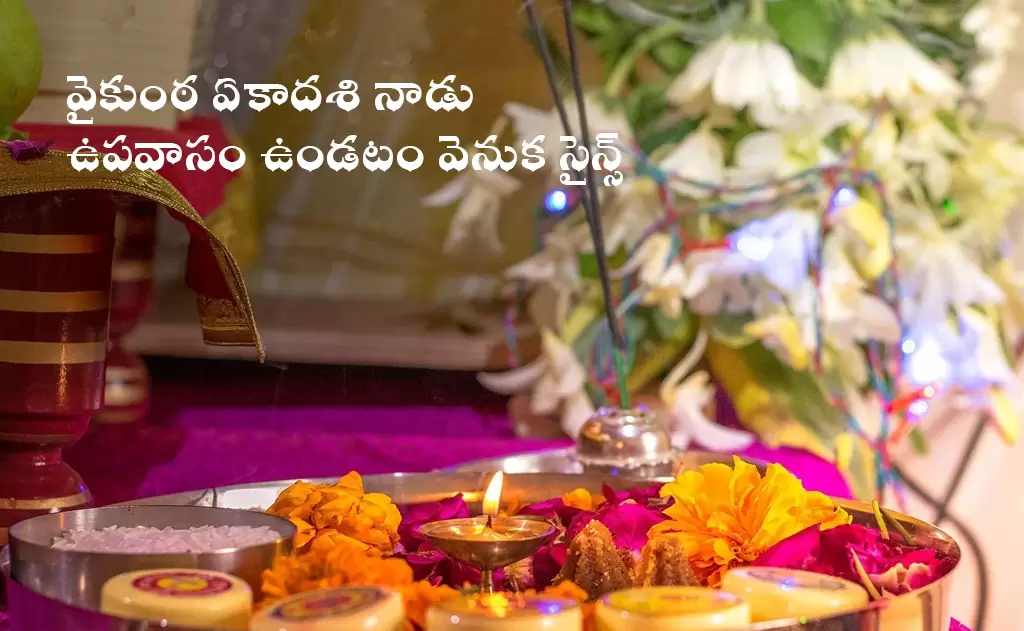
Vaikuntha Ekadashi Stories from Vishnu Purana & Padma Purana
Sacred Ekadashi Katha of Lord Vishnu for Families, Children & Global Hindus Introduction: Why Vaikuntha Ekadashi Is More Than a Festival Among the 24 Ekadashis…
Sacred Ekadashi Katha of Lord Vishnu for Families, Children & Global Hindus Introduction: Why Vaikuntha Ekadashi Is More Than a Festival Among the 24 Ekadashis…
Update (October 2026): Vaikuntha Ekadashi 2026 falls on Sunday, 20 December (Saturday, 19 December for Smarta households in the USA and Canada). This article describes an earlier observance — for current dates and guidance, see our Vaikuntha Ekadashi 2026 guide.
Sacred Ekadashi Katha of Lord Vishnu for Families, Children & Global Hindus
Introduction: Why Vaikuntha Ekadashi Is More Than a Festival
Among the 24 Ekadashis observed each year, Vaikuntha Ekadashi stands supreme. For millions of Hindus across India, the USA, Canada, UK, Australia, and beyond, this sacred day represents hope, liberation, and divine grace.
Vaikuntha Ekadashi is not just about fasting or rituals—it is about listening to sacred stories (Ekadashi Katha) that cleanse the mind and awaken devotion. Ancient scriptures like the Vishnu Purana and Padma Purana clearly state:
“Even listening to the Vaikuntha Ekadashi story with devotion grants punya equal to performing great yajnas.”
For Hindu families living abroad, these stories play a vital role in:
- Teaching children Sanatana Dharma values
- Preserving cultural roots
- Creating spiritual family bonding
- Passing on oral traditions once shared by grandparents
This article presents authentic Vaikuntha Ekadashi stories in a storytelling format, perfect for home reading, temple gatherings, Sunday schools, and bedtime storytelling.
What Is Vaikuntha Ekadashi? (Scriptural Meaning)
The word Vaikuntha refers to the divine abode of Lord Vishnu, a realm free from sorrow, fear, ego, and rebirth.
Ekadashi is the 11th lunar day, considered spiritually powerful for mind control and devotion.
According to the Vishnu Purana:
Vaikuntha Ekadashi is the day when the gates of Vaikuntha open, allowing sincere devotees to receive Lord Vishnu’s direct blessings.
This Ekadashi falls in the Dhanurmasa / Margashirsha month, a period dear to Vishnu.
Why Listening to Ekadashi Katha Is Important
The Padma Purana emphasizes that listening to Ekadashi Katha is equally powerful as observing the fast.
Benefits of Ekadashi Katha:
- Purifies negative karma
- Instills dharmic values in children
- Strengthens bhakti (devotion)
- Removes fear and anxiety
- Creates spiritual discipline
Vaikuntha Ekadashi Story from Vishnu Purana
The Divine Battle That Opened the Gates of Vaikuntha
The Cosmic Crisis
Long ago, when the universe trembled under the rule of darkness, two powerful demons—Mura and Bhasmasura—rose to power. Blessed with immense strength due to severe tapasya, they disrupted yajnas, attacked sages, and challenged even the Devas.
Unable to bear the suffering of the universe, Indra and the Devas approached Lord Vishnu for protection.
Lord Vishnu assured them:
“Dharma shall never perish. I shall intervene at the right time.”
The Battle with Demon Mura
A fierce war erupted between Lord Vishnu and Demon Mura. The battle raged for thousands of divine years. Vishnu’s arrows lit the skies, yet Mura continued to rise again and again.
Finally, Vishnu retreated to a mystical cave called Simhavati, to rest momentarily.
The Birth of Goddess Ekadashi
As Demon Mura followed Vishnu into the cave to strike Him during rest, something miraculous occurred.
From the divine energy of Vishnu emerged a radiant goddess, glowing with spiritual brilliance. She wielded divine weapons and destroyed Demon Mura instantly.
Lord Vishnu awakened and witnessed the demon slain.
Pleased, Vishnu asked the goddess to choose a boon.
She humbly replied:
“Let those who observe fasting on this day attain liberation from sins and reach Vaikuntha.”
Lord Vishnu named her Ekadashi and declared:
“This day shall be known as Vaikuntha Ekadashi. My devotees who observe it with faith shall reach My abode.”
Spiritual Lesson for Children
- Evil never wins over dharma
- Divine help comes when faith is pure
- Self-discipline leads to freedom
Vaikuntha Ekadashi Story from Padma Purana
King Ambarisha and the Power of Ekadashi
The Devoted King
King Ambarisha ruled Ayodhya with justice and compassion. Despite immense wealth, he lived simply, dedicating every action to Lord Vishnu.
He observed Ekadashi vrata strictly, breaking his fast only after offering prayers.
The Arrival of Sage Durvasa
One Vaikuntha Ekadashi, Sage Durvasa, known for his fiery temper, visited the king. Ambarisha welcomed him warmly.
Durvasa went to the river for a ritual bath but failed to return before the prescribed time for breaking the fast.
As per scripture, failing to break the fast at the right time is sinful.
After consulting priests, Ambarisha took a sip of water—symbolically breaking the fast without eating.
Durvasa’s Anger
Durvasa returned and became furious, accusing the king of disrespect. In rage, he created a demon to kill Ambarisha.
Instantly, Sudarshana Chakra, Vishnu’s divine weapon, appeared and destroyed the demon.
Terrified, Durvasa fled across worlds.
The Ultimate Teaching
Durvasa finally reached Lord Vishnu, seeking refuge. Vishnu said:
“I am bound by My devotees. Only Ambarisha can forgive you.”
Humbled, Durvasa returned and begged forgiveness. Ambarisha forgave him with folded hands.
The Chakra withdrew.
Message for Families
- Devotion protects more than power
- Humility is greater than knowledge
- Forgiveness is the highest virtue
The Sacred Meaning of Vaikuntha Dwaram
On Vaikuntha Ekadashi, Vishnu temples open the Vaikuntha Dwaram (Gateway to Liberation).
Symbolism:
- Leaving ego behind
- Entering higher consciousness
- Choosing dharma over desire
For children, explain it as:
“Walking through Vaikuntha Dwaram means becoming a better human being.”
Why Vaikuntha Ekadashi Is Important for US Hindus
In the USA and other Western countries:
- Hindu children face cultural disconnect
- Festivals become limited to rituals only
- Storytelling keeps faith alive
Vaikuntha Ekadashi helps:
- Teach Hindu values at home
- Build identity with pride
- Encourage vegetarianism and discipline
- Strengthen temple community bonds
How Families Can Celebrate Vaikuntha Ekadashi at Home
Morning:
- Light a lamp
- Chant “Om Namo Narayanaya”
- Read Ekadashi Katha together
Afternoon:
- Watch Ramayana or Vishnu stories
- Teach children the meaning of fasting
Evening:
- Simple bhajans
- Discussion: “What did we learn today?”
Simple Vaikuntha Ekadashi Explanation for Children
- Lord Vishnu loves kindness
- Ekadashi helps us control anger and greed
- Good actions take us closer to God
Frequently Asked Questions (SEO)
What is the story behind Vaikuntha Ekadashi?
The Vishnu Purana narrates how Goddess Ekadashi was born from Lord Vishnu to destroy demon Mura, granting liberation to devotees.
Which Purana mentions Vaikuntha Ekadashi?
Both Vishnu Purana and Padma Purana describe its significance in detail.
Can children listen to Ekadashi Katha?
Yes. Scriptures say listening itself gives punya and builds dharmic values.
Is fasting compulsory?
No. Bhakti, discipline, and good conduct matter more.
Conclusion: Passing the Eternal Flame Forward
Vaikuntha Ekadashi is not just a date—it is a bridge between generations.
When parents tell these stories:
- Children learn values naturally
- Culture survives migration
- Dharma becomes living wisdom
As the Padma Purana says:
“A home where Vishnu Katha is heard becomes Vaikuntha itself.”
[image: 🙏] May Lord Vishnu open the Vaikuntha Dwaram of wisdom, peace, and devotion for you and your family.
You might also like
Vishnu's Ten Avatars and the One Question Every NRI Child Eventually Asks
Devshayani Ekadashi 2026: Chaturmas Begins — Date & Significance (July 25)
Yogini Ekadashi 2026: Date, Vrat Katha, Rules & Benefits (July 10)