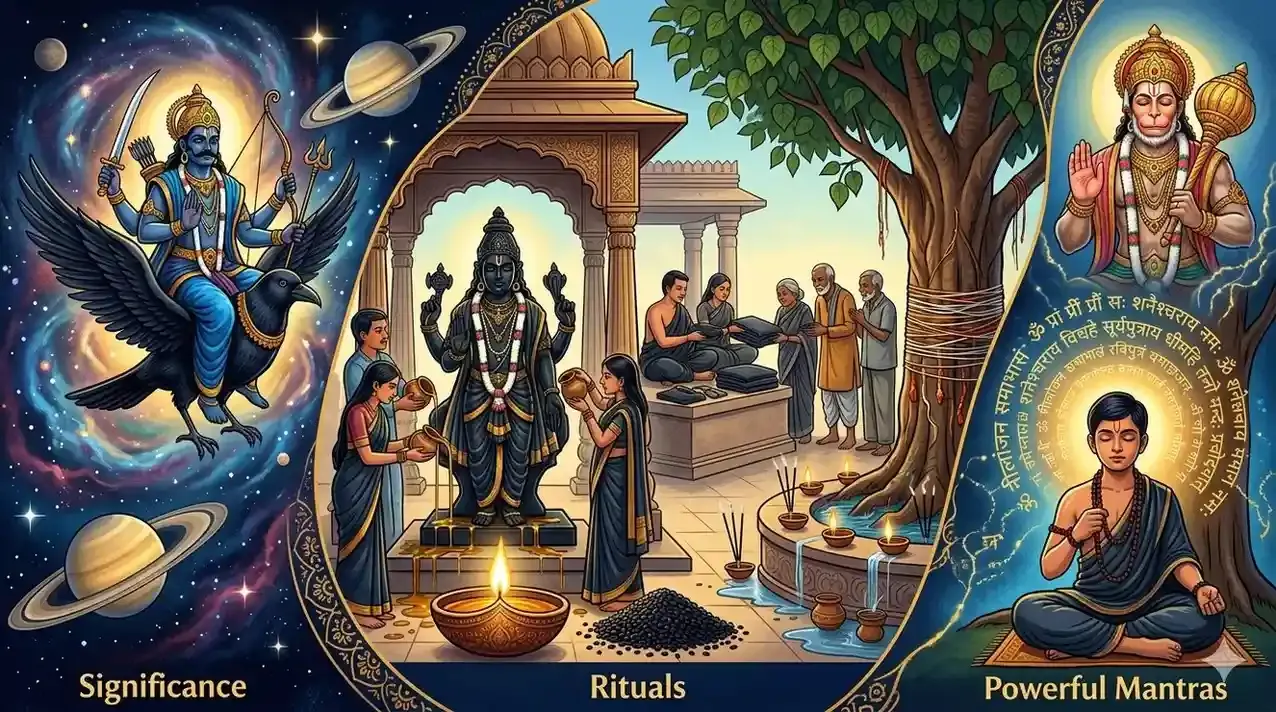
Divya Desams & Vaikuntha Ekadashi: Why These 108 Temples Are Special
Divya Desams & Vaikuntha Ekadashi: Why These 108 Temples Are Special Exploring the Sacred 108 Divya Desams, the Alwar Saints, Temple Symbolism, and the Path to…

Divya Desams & Vaikuntha Ekadashi: Why These 108 Temples Are Special Exploring the Sacred 108 Divya Desams, the Alwar Saints, Temple Symbolism, and the Path to…
Update (October 2026): Vaikuntha Ekadashi 2026 falls on Sunday, 20 December (Saturday, 19 December for Smarta households in the USA and Canada). This article describes an earlier observance — for current dates and guidance, see our Vaikuntha Ekadashi 2026 guide.
Divya Desams & Vaikuntha Ekadashi: Why These 108 Temples Are Special
Exploring the Sacred 108 Divya Desams, the Alwar Saints, Temple Symbolism, and the Path to Moksha on Vaikuntha Ekadashi
The 108 Divya Desams stand as the most revered sacred abodes of Lord Vishnu in the Sri Vaishnava tradition. These divine temples, glorified in the timeless hymns of the 12 Alwar saints, are considered earthly reflections of Vaikuntha, Lord Vishnu's eternal abode. As we approach the final weeks of 2025, with Vaikuntha Ekadashi preparations intensifying just days after Christmas, devotees worldwide turn their hearts toward these holy sites. The 108 Divya Desams offer not just pilgrimage destinations but profound spiritual gateways, where devotion, architecture, and the promise of moksha converge.
In Sri Vaishnavism, the Divya Desams are celebrated as Bhuloka Vaikuntham—heavens on earth. The Alwars, mystic poet-saints from the 5th to 8th centuries CE, sang praises of these temples in the Naalayira Divya Prabandham, a collection of 4,000 Tamil verses regarded as the Dravida Veda or Tamil equivalent of the Vedas. Their passionate outpourings of bhakti (devotion) transformed Vaishnavism, emphasizing surrender to Lord Vishnu (Narayana) and His consort Lakshmi. Visiting these temples, chanting the Alwar pasurams (hymns), and observing festivals like Vaikuntha Ekadashi are believed to dissolve sins and lead to liberation.
The Alwar Saints: Pioneers of Devotion in Sri Vaishnavism
The 12 Alwars (also spelled Azhwars) were extraordinary devotees from diverse backgrounds, considered incarnations of Vishnu's divine attributes or weapons. Their lives and works form the cornerstone of Sri Vaishnava bhakti.
- Poigai Alwar, Bhuthath Alwar, and Pey Alwar (the Mudhal Alwars) composed the earliest hymns, discovering Vishnu through divine light in a storm.
- Thirumalisai Alwar emphasized philosophical depth.
- Nammalwar, the most prominent, authored the Thiruvaimozhi (1,102 verses), often equated to the essence of the Vedas.
- Madhurakavi Alwar devoted his life to Nammalwar.
- Nammalwar's disciple and others like Periyalwar (father of Andal), Kulasekhara Alwar (a king), Thondaradipodi Alwar, Tiruppan Alwar, and Thirumangai Alwar completed the lineage.
Their hymns, compiled as the Naalayira Divya Prabandham, are recited daily in Vishnu temples. Nammalwar's Thiruvaimozhi, in particular, captures intense longing for Vishnu, portraying the soul's journey toward union with the divine. The Alwars' devotion popularized emotional bhakti, influencing later Acharyas like Ramanuja, who systematized Sri Vaishnavism.
The Alwars identified 108 temples where they performed mangalasasanam (auspicious praise), declaring them as Divya Desams. These sites, where Vishnu manifests with Lakshmi, embody the path of prapatti (total surrender) for moksha.
Temple Architecture Symbolism in Divya Desams: Sri Vaishnava Style
The architecture of the Divya Desams predominantly follows Dravidian style, rich with symbolism that reflects Vaishnava theology. Massive gopurams (towering gateways) symbolize the ascent of the soul toward divinity, adorned with intricate carvings of Vishnu's avatars, Lakshmi, and celestial beings.
- Sanctum Sanctorum (Garbhagriha): Houses the moolavar (main deity) in forms like standing (nindra), sitting (veetrirundha), or reclining (kidantha)—representing Vishnu's eternal vigilance, grace, and cosmic rest on Adisesha.
- Separate Shrine for Lakshmi: Emphasizes the inseparable bond between Vishnu and Sri, symbolizing that moksha requires the grace of both.
- Temple Tanks (Pushkarini) and Mandapams: Represent purity and meditation spaces, evoking the milky ocean (Thirupparkadal), one of the celestial Divya Desams.
- Rangamantapa and Processional Paths: Allow circumambulation, mirroring the soul's journey around the divine center.
Iconic examples include Srirangam Ranganathaswamy Temple (the largest functioning Hindu temple, with seven concentric enclosures symbolizing the seven worlds) and Tirupati Venkateswara Temple (gold-plated vimana signifying eternal prosperity). These structures are not mere buildings but living embodiments of Vishnu's presence, where every element—from sculptures to rituals—guides devotees toward moksha.
The Moksha Concept in Sri Vaishnavism Through Divya Desams and Alwar Devotion
In Sri Vaishnavism, moksha is liberation from samsara (cycle of birth and death), achieved through bhakti, prapatti, and divine grace. The soul (jivatma) attains eternal service (nitya kainkarya) in Vaikuntha, retaining individuality while experiencing perfect bliss in union with Vishnu.
The 108 Divya Desams serve as direct pathways to this liberation. The Alwars described them as fragments of Vaikuntha on earth; pilgrimage and devotion here dissolve karma. Ramanuja taught that total surrender (saranagati) to Vishnu, inspired by Alwar hymns, ensures moksha by grace alone.
Celestial Divya Desams like Thirupparkadal (Milky Ocean) and Paramapadam (Vaikuntha) represent the ultimate goal. Visiting earthly ones accumulates merit, while chanting Alwar pasurams invokes grace. Many legends, such as Gajendra Moksha at Thirukavithalam, illustrate Vishnu granting liberation to sincere devotees.
Vaikuntha Ekadashi amplifies this promise. The gates of Vaikuntha open, offering special darshan through symbolic doorways like Paramapada Vasal.
Vaikuntha Ekadashi 2025: Grand Celebrations in the Final Weeks of 2025
Vaikuntha Ekadashi, also known as Mukkoti Ekadashi or Mokshada Ekadashi, falls in late December or early January. In 2025, preparations are in full swing, with temples gearing up for massive crowds. At Srirangam, the 21-day festival peaks with the opening of the northern gate, symbolizing entry to Vaikuntha.
Devotees fast, chant Vishnu Sahasranamam and Divya Prabandham, and seek moksha-granting darshan. This auspicious occasion, occurring amid the festive close of 2025, reminds us of eternal grace.
State-Wise Guide to Vaikuntha Ekadashi Celebrations in Divya Desams (India & USA Focus for Hindutone Audience)
Tamil Nadu (84 Divya Desams): Epicenter of celebrations. Srirangam Ranganathaswamy Temple hosts the grandest 20–21-day festival with Paramapada Vasal opening, processions, and Divya Prabandham recitations. Other highlights include Tirupati (Tirumala Venkateswara), Kanchipuram Varadaraja Perumal, and Mannargudi Rajagopalaswamy. Ideal for South Indian pilgrims seeking authentic Sri Vaishnava experience.
Kerala (11 Divya Desams): Known as Swargavathil Ekadashi. Guruvayur and Thiruvananthapuram Padmanabhaswamy Temple feature elephant processions and melam music.
Andhra Pradesh (2 Divya Desams): Tirumala sees lakhs for Vaikuntha Dwar darshan; Bhadrachalam blends Rama-Vishnu traditions.
Northern India (Uttar Pradesh & Uttarakhand): Badrinath and Ayodhya host serene observances with special pujas.
USA (for Diaspora Audience): ISKCON temples in New York, California, and Texas celebrate Vaikuntha Ekadashi with fasting, kirtan, and discourses. Many Sri Vaishnava communities in states like California, New Jersey, and Illinois organize virtual recitations of Divya Prabandham and special darshan streams.
FAQ: People Also Ask About Divya Desams & Vaikuntha Ekadashi
- What are the 108 Divya Desams? The 108 sacred Vishnu temples glorified by the Alwar saints in their hymns.
- Who were the 12 Alwar saints? Tamil poet-saints devoted to Vishnu, whose 4,000 pasurams form the Naalayira Divya Prabandham.
- Why is Vaikuntha Ekadashi special? The gates of Vaikuntha open, granting moksha to devotees through fasting and worship.
- How many Divya Desams are in Tamil Nadu? 84, making it the hub of Sri Vaishnava pilgrimage.
- What is the significance of moksha in Sri Vaishnavism? Eternal service to Vishnu in Vaikuntha through devotion and surrender.
- When is Vaikuntha Ekadashi in 2025? Celebrations peak around late December 2025 to early January 2026 in major temples.
- Can non-South Indians visit Divya Desams? Yes, all are open; northern Divya Desams like Badrinath welcome everyone.
- How do Divya Desams lead to moksha? Through pilgrimage, Alwar hymns, and festivals like Vaikuntha Ekadashi, invoking divine grace.
- What is the architecture like in Divya Desams? Dravidian style with symbolic gopurams, shrines, and tanks representing spiritual ascent.
- Where to start a Divya Desam pilgrimage? Begin with Srirangam or Tirupati for profound experiences.
For More Devotional Journey, Follow
- Temples
/temples/ - Tirumala Updates
/tirumala/ - Sabarimala Yatra
/category/sabarimala-yatra/ - Pooja, Slokas & Mantras
/pooja-slokas-and-mantras/ - Hindu Gods
/hindu-gods/
The 108 Divya Desams and Vaikuntha Ekadashi embody the essence of Sri Vaishnavism: unwavering devotion leading to eternal bliss. As 2025 draws to a close, let these sacred sites inspire your spiritual journey toward moksha. Hari O
Frequently Asked Questions
Where is Divya Desams & Vaikuntha Ekadashi located?
Divya Desams & Vaikuntha Ekadashi: Why These 108 Temples Are Special Exploring the Sacred 108 Divya Desams, the Alwar Saints, Temple Symbolism, and the Path to Moksha on Vaikuntha Ekadashi The 108 Divya Desams stand as the most revered sacred abodes of Lord Vishnu in the Sri Vaishnava tradition. These divine temples, glorified in the timeless hymns of the 12
Who is the presiding deity of Divya Desams & Vaikuntha Ekadashi?
The temple's presiding deity and its significance are described in the guide above.
What are the timings and how do I reach Divya Desams & Vaikuntha Ekadashi?
Temples typically open early morning and evening; confirm current darshan timings before visiting. The nearest airport, railway station and road routes are covered in the guide above.
What is the best time to visit Divya Desams & Vaikuntha Ekadashi?
Major festival days and the cooler months are popular, though weekday mornings offer a calmer darshan. Plan around the temple's key festivals for the most vibrant experience.
You might also like
Karthika Masam First Day 2026: Must-Visit Hindu Temples in Australia
Gita Jayanti 2026 Prasad Recipes — Tulsi-Honoring Sweets, Krishna's Favourites & December 20 Bhog Plate
June 2026 Hindu Festival Calendar — Complete Dates, Vrat & Puja Guide for NRIs