
Ekadashi
101 articles
Ekadashi is the eleventh tithi of each lunar fortnight, occurring in both the waxing and waning halves of the month. In Vaishnava tradition it is the day most closely associated with Lord Vishnu, and Puranic stories describe Ekadashi as a goddess born from Vishnu himself. Each Ekadashi of the year carries its own name, such as Mokshada, Kamika or Devshayani, and its own story of devotion.
Because Ekadashi depends on the tithi at sunrise, its date can differ between cities and countries, and Smarta and Vaishnava calendars sometimes observe it on different days. This is a frequent source of questions for families abroad.
On this page HinduTone gathers Ekadashi lists by year and month, explanations of each named Ekadashi and its katha, notes on the Chaturmas period and articles on why dates vary by location. For fasting guidance see Ekadashi Vrat, and for the most important days see Vaikuntha Ekadashi and Nirjala Ekadashi.
Start Here

Saphala Ekadashi 2027: Date (Sunday 3 January), Parana Time by City, Tithi and Vrat Katha
Quick answer: Saphala Ekadashi falls on Sunday 3 January 2027 in India. Drik Panchang gives the Ekadashi tithi from 2:24 PM IST on Saturday 2 January to 4:08 PM IST on Sunday 3 January. In Delhi break the fast on…
 Ekadashi 2027 List: All 25 Ekadashi Dates, Smarta and Vaishnava Days, Tithi Times and Dates Abroad
 Jaya Ekadashi 2027: Date (Wednesday 17 February), Parana Time by City, Tithi and Vrat Katha
 Pausha Putrada Ekadashi 2027: Date (18 or 19 January), Parana Time by City, Tithi and Vrat Katha
 Shattila Ekadashi 2027: Date (Tuesday 2 February), Parana Time by City, Six Uses of Sesame and Vrat Katha
Latest Articles
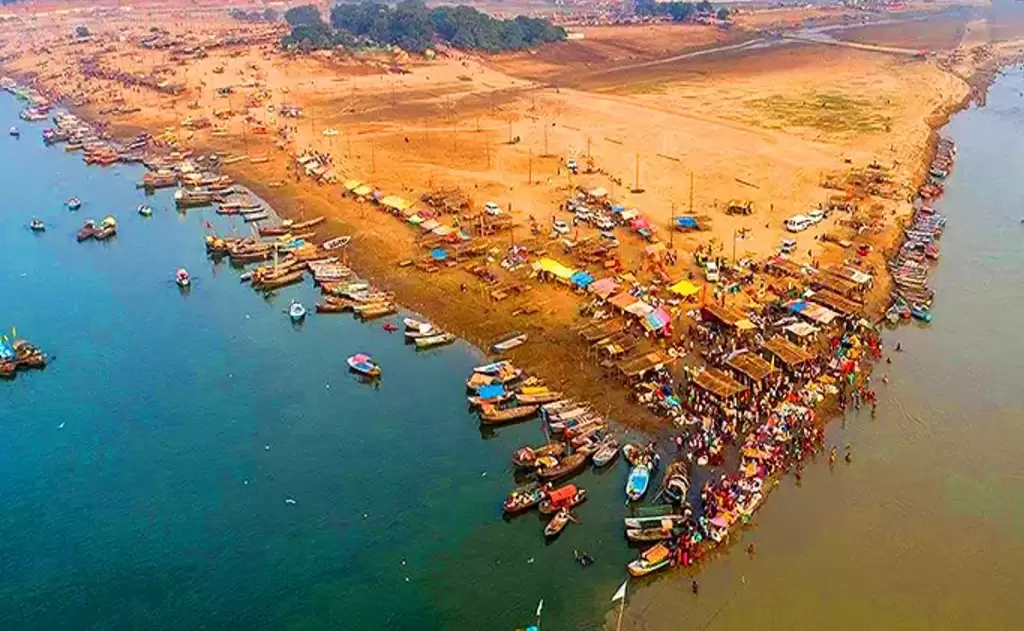
Dev Uthani Ekadashi 2026: Special Yamuna Aarti in Prayagraj with Deepdaan, Bhajans and Fireworks
The Yamuna ghats of Prayagraj glowed with lamps for Dev Uthani Ekadashi. According to a Free Press Journal report of…

Khatu Shyam Janmotsav 2026: Devotees Throng Khatu Dham, Sikar, on Dev Uthani Ekadashi
Khatu Shyamji in Rajasthan's Sikar district is celebrating Baba Shyam's Janmotsav (birth festival) on Friday, 20…
Kaisika Ekadashi 2026: Date, Nampaduvan Story, Thirukkurungudi Kaisika Natakam and Kaisika Puranam
Kaisika Ekadashi 2026 shares the tithi of Prabodhini Ekadashi (20-21 November). The Nampaduvan story, the…
Guruvayur Ekadashi 2026: Date, Temple Traditions, Vratham, Chembai Sangeetholsavam and Darshan Guide
Guruvayur Ekadashi 2026 falls on Saturday 21 November 2026, the Vrischika Ekadashi and greatest festival day of the…
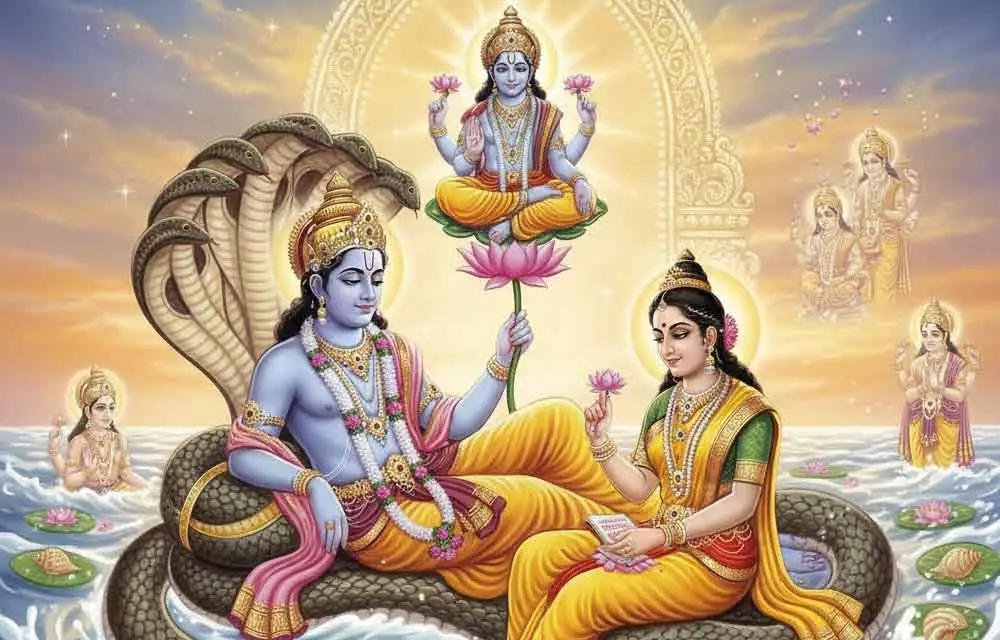
Rama Ekadashi 2026: Date (Thursday 5 November), Parana Time by City, Tithi, Vrat Katha and Diwali Week
Rama Ekadashi 2026 is on Thursday 5 November in India. Drik Panchang gives the Ekadashi tithi from 11:03 AM on 4…
Kartiki Ekadashi 2026 Pandharpur: Date, Parana Time, Samagri, Home Puja Vidhi, Kartiki Wari and Vitthal Mahapuja
Kartiki Ekadashi 2026, the Dev Uthani or Prabodhini Ekadashi, is listed by Drik Panchang on Friday 20 November 2026…
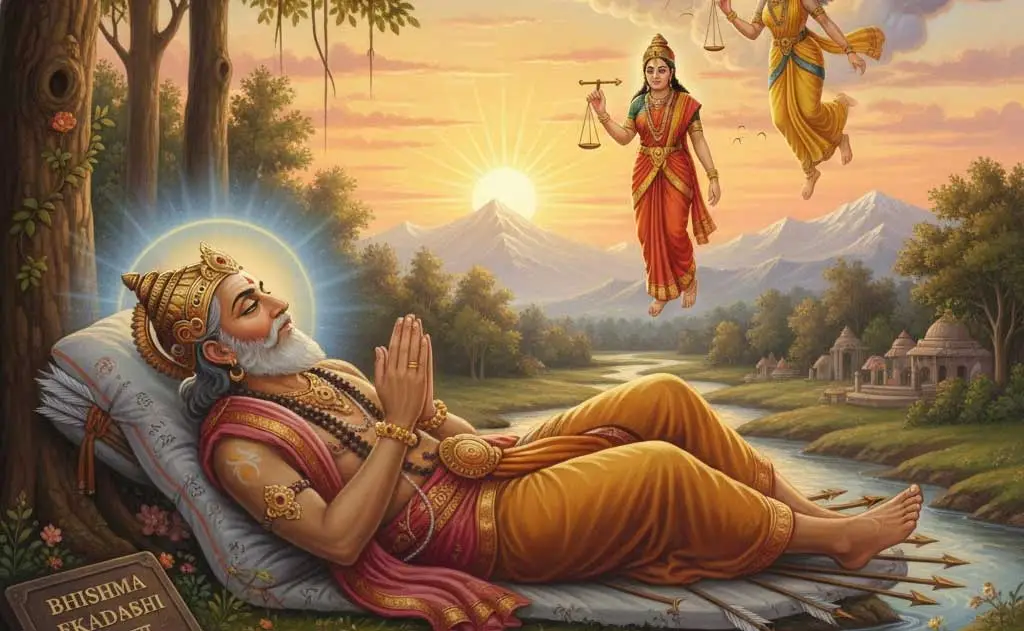
Gita Jayanti 2026 and Mokshada Ekadashi: Date (Sunday 20 December), Ekadashi Tithi, Parana, Dates Abroad, Katha and Gita Path
Gita Jayanti 2026 falls on Sunday 20 December, Margashirsha Shukla Ekadashi, which is also Mokshada Ekadashi and…
Papankusha Ekadashi 2026: Date (22 October), Tithi Timings, Parana, Vrat Katha and Fasting Rules
Papankusha Ekadashi 2026 falls on Thursday 22 October in India, two days after Dussehra. This guide gives the Ekadashi…
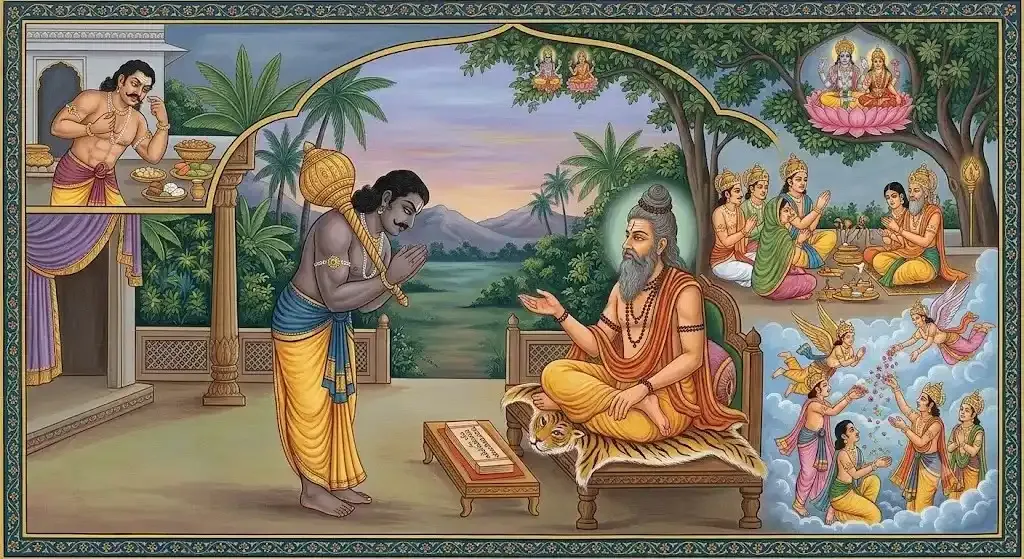
Nirjala Ekadashi Mahatmyam | Bhima–Vyasa Dialogue | Pandava Nirjala Ekadashi Story
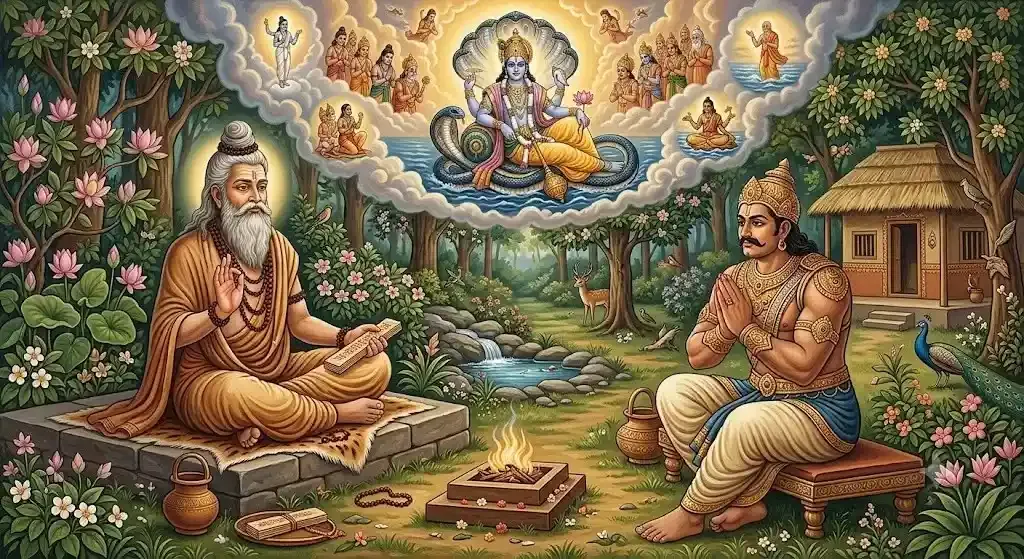
Nirjala Ekadashi Significance | Sage Vyasa's Teaching to Bhimasena | Ekadashi Vrat Story

Karthika Ekadashi 2026 (Dev Uthani, Prabodhini, Utthana Ekadashi) on 20 November: Parana Time for Indian Cities and Abroad, Vrat Vidhi and Tulsi Vivah
Drik Panchang lists Dev Uthani (Devutthana or Prabodhini) Ekadashi, the Karthika Ekadashi on which Lord Vishnu wakes…

Putrada Ekadashi 2026: Date, Pavitra Ekadashi, Vrat & Mantra
Shravana Putrada (Pavitra) Ekadashi 2026 (~23–24 August): Vishnu Ekadashi for children’s welfare — significance, the…
Ekadashi Dates and Parana Time by City: November 2026 to January 2027, with Vrat Rules and Significance
All six Ekadashis from November 2026 to January 2027 with the fasting date and parana (fast-breaking) window for 28…
Yogini Ekadashi 2026: Date, Vrat Katha, Rules & Benefits (July 10)
Yogini Ekadashi 2026 falls on July 10. Significance, the vrat katha of Hem Mali, fasting rules, Parana timing…

Nirjala Ekadashi June 25 2026 – The King of Ekadashis: Complete Guide with Bhima’s Story, Rituals, Mantras & Benefits
Observe the most powerful Nirjala Ekadashi on June 25, 2026 — the Pandava (Bhima) story, strict fasting rules, Vishnu…
Parama Ekadashi June 11 2026 – Complete Devotional Guide: Date, Story, Rituals, Mantras & Benefits
Observe Parama Ekadashi on June 11, 2026 during Adhik Maas — the Puranic story, step-by-step rituals, powerful Vishnu…
Utpanna Ekadashi 2026: Date (Friday 4 December), Tithi, Parana, Vrat Katha and Fasting Rules by Country
Utpanna Ekadashi 2026 falls on Friday 4 December. Drik Panchang gives the Ekadashi tithi from 11:03 PM IST on Thursday…
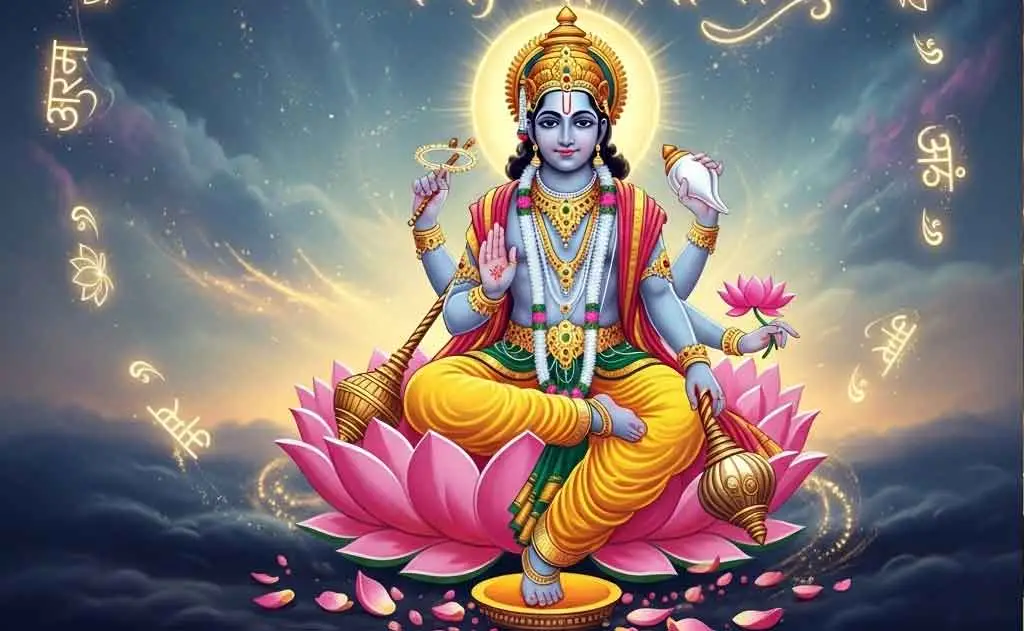
Mohini Ekadashi 2026: Date, Vrat Rules, Puja Vidhi, Story of Vishnu’s Mohini Avatar & Powerful Mantras
Mohini Ekadashi 2026 falls on Saturday, 9 May 2026 — Vaishakha Shukla Ekadashi. This is the most enchanting and…

FAQs
What is Ekadashi?
Ekadashi is the eleventh lunar day, or tithi, of each fortnight, so it occurs twice a month, once in the waxing and once in the waning phase. It is especially sacred to Lord Vishnu, and many devotees fast, chant and avoid grains on this day.
When is the next Ekadashi?
Ekadashi comes roughly every two weeks, but the exact day depends on when the eleventh tithi prevails at sunrise in your location, so it can differ between cities and countries. Check our panchang or Ekadashi list for your city to see the next date and parana time.
What are the most important Ekadashis?
Each Ekadashi has its own name and story. Among the most observed are Vaikuntha (Mukkoti) Ekadashi, Nirjala Ekadashi, Devshayani or Tholi Ekadashi which starts Chaturmas, and Prabodhini or Utthana Ekadashi which ends it. Many temples hold special darshan on these days.
Why do Vaishnavas sometimes observe Ekadashi on a different day?
Some traditions, such as ISKCON and other Vaishnava sampradayas, apply stricter rules about the previous tithi touching Ekadashi at dawn. When that happens, they fast on the next day instead. Follow the calendar of your own tradition or temple.