
Kartiki Ekadashi 2026 at Pandharpur: Date, Kartiki Wari, Vitthal Mahapuja and How It Differs from Ashadhi
Kartiki Ekadashi 2026 is listed by Drik Panchang on Friday 20 November 2026 (Smarta) and Saturday 21 November 2026 (Vaishnava). At Pandharpur, the observance follows the temple and Maharashtra calendar announcement. Learn about Vitthal and Rukmini, the warkari tradition, the government mahapuja, and how Kartiki compares with Ashadhi Ekadashi.
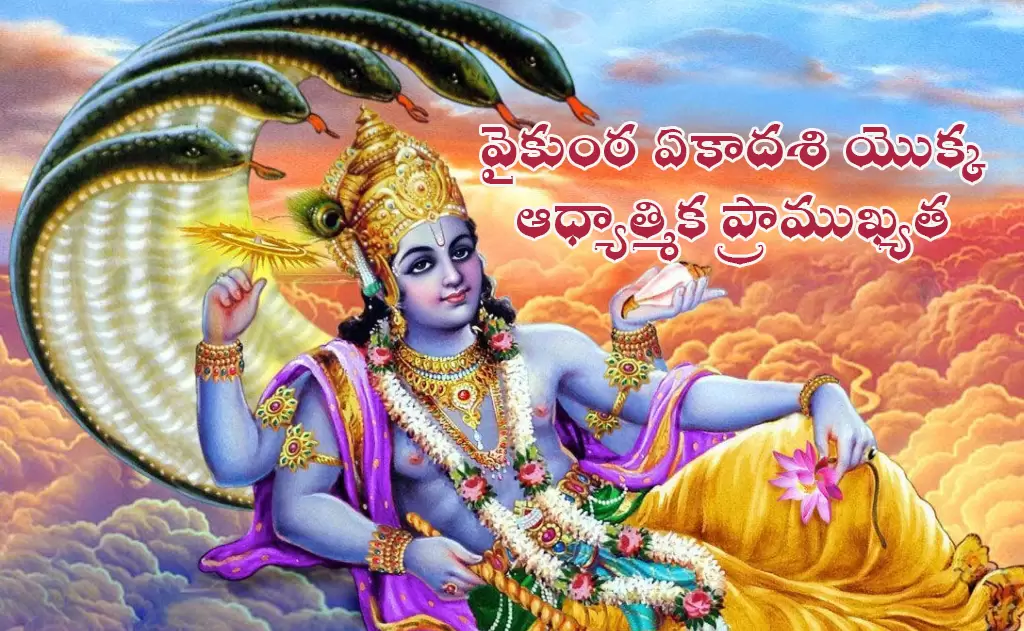
Kartiki Ekadashi 2026 is listed by Drik Panchang on Friday 20 November 2026 (Smarta) and Saturday 21 November 2026 (Vaishnava). At Pandharpur, the observance follows the temple and Maharashtra calendar announcement.
Quick answer: Kartiki Ekadashi 2026 is the Kartika Shukla Ekadashi, which Drik Panchang (New Delhi) lists on Friday 20 November 2026 for Smarta observance and on Saturday 21 November 2026 for Vaishnava observance. At Pandharpur in Maharashtra, the day is kept according to the date announced by the Vitthal-Rukmini temple and the Maharashtra calendar. It is the second great wari (pilgrimage) of the year to Lord Vitthal, after Ashadhi Ekadashi.
This guide has been restored at its original hindutone.com address. Dates are from Drik Panchang for New Delhi. Outside India the date can differ by a day, so check Drik Panchang for your own city.
Kartiki Ekadashi 2026 date
| Observance (Drik Panchang, New Delhi) | 2026 |
|---|---|
| Devutthana (Prabodhini) Ekadashi, Smarta | Friday 20 November 2026 |
| Vaishnava Devutthana Ekadashi | Saturday 21 November 2026 |
| Dashami tithi ends | 07:15 AM IST, 20 November |
| Sunrise / sunset, 20 November | 06:48 AM / 05:26 PM IST |
| Tulasi Vivah (per Drik) | Saturday 21 November 2026 |
| Kartika Purnima | Tuesday 24 November 2026 |
Source: Drik Panchang, New Delhi. Pandharpur's own observance follows the temple and Maharashtra calendar announcement, so please check that before you travel. We do not list puja or darshan clock times. For local timings, check Drik Panchang for your city.
What Kartiki Ekadashi means
The Ekadashi of the bright half of Kartika is known across India as Prabodhini or Devutthana Ekadashi. As commonly told, Lord Vishnu goes into his cosmic sleep on Ashadhi Ekadashi and wakes on this day, four months later. These four months are called Chaturmas. Drik Panchang marks 20 November 2026 as the last day of Chaturmas.
In Maharashtra this Ekadashi is called Kartiki Ekadashi. For the warkari community it is one of the two most important days of the year, because it is a day to meet Vitthal, also called Vithoba or Pandurang, at Pandharpur.
Vitthal and Rukmini of Pandharpur
Pandharpur is a temple town on the banks of the Bhima river, which is called the Chandrabhaga at Pandharpur because of its crescent shape. The main temple is dedicated to Lord Vitthal, a form of Krishna, and Rukmini, his consort.
As commonly told, a devoted son named Pundalik was serving his aged parents when Krishna came to visit him. Pundalik did not want to stop his service, so he threw a brick for the Lord to stand on and asked him to wait. Pleased by this devotion to parents, the Lord stood on the brick with his hands on his hips. That is how Vitthal is shown: standing on a brick, waiting for his devotees. The story teaches that serving one's parents is also worship.
The warkari tradition and the wari
Warkaris are devotees of Vitthal who make a regular pilgrimage, the wari, to Pandharpur. The tradition is closely linked with the great saint-poets of Maharashtra, such as Sant Dnyaneshwar, Sant Namdev, Sant Eknath and Sant Tukaram. Their abhangas (devotional songs) are sung on the way.
- Simple dress and the tulsi mala: Many warkaris wear a tulsi bead necklace and white clothes, and some carry a saffron flag.
- Singing and dancing together: Groups walk and sing with cymbals (taal) and the mridang drum, chanting 'Vitthal Vitthal' and 'Dnyanba Tukaram'.
- Equality: On the wari, people of every background walk and eat together. This spirit of equality is at the heart of the tradition.
- Chandrabhaga snan: Many pilgrims bathe in the Chandrabhaga before darshan, where it is safe and permitted.
- Darshan: Pilgrims seek darshan of Vitthal and Rukmini. On Ekadashi the queue is very long, and many devotees bow at the temple steps or the dome (kalas darshan) when they cannot enter.
The schedule for darshan, queues and arrangements during Kartiki is announced each year by the temple committee and the local authorities. Check the temple's official website or official notices for current timings.
The government mahapuja tradition
Pandharpur has a long-standing tradition of an official mahapuja of Vitthal and Rukmini on the major Ekadashis. By custom, a senior leader of the Maharashtra state government performs this puja early in the morning, on behalf of the people of the state. In many years an ordinary warkari couple, chosen from among the pilgrims in the queue, is invited to join the puja. This custom honours the common devotee, who is the heart of the wari.
We do not name the persons or give the time of the 2026 mahapuja. These are decided and announced each year by the temple and the state authorities.
Kartiki Ekadashi vs Ashadhi Ekadashi
| Ashadhi Ekadashi | Kartiki Ekadashi | |
|---|---|---|
| Month | Ashadha, bright half | Kartika, bright half |
| Meaning | Vishnu's cosmic sleep begins (Devshayani) | Vishnu wakes (Prabodhini, Devutthana) |
| Wari | The largest wari, with palkhi processions of the saints from Alandi and Dehu | The second great wari of the year |
| Season | Monsoon | After the monsoon, early winter |
| What follows | Start of Chaturmas | End of Chaturmas; Tulasi Vivah and Kartika Purnima |
Both Ekadashis bring huge crowds to Pandharpur. Ashadhi is the bigger event, famous for the long walk of the palkhis. Kartiki is a little quieter but deeply loved, and it marks the close of the sacred four months.
How to observe Kartiki Ekadashi at home
- Wake early, bathe and clean the prayer space.
- Place a picture of Vitthal and Rukmini, or of Vishnu or Krishna, and offer tulsi leaves, flowers, a lamp and incense.
- Sing abhangas of Sant Tukaram or Sant Dnyaneshwar, or chant 'Vitthal Vitthal Jay Hari Vitthal'.
- Read a chapter of the Dnyaneshwari or the Bhagavad Gita, or listen to a kirtan.
- If you fast, follow your family custom. Many people eat only fruit, milk or simple fasting foods. Break the fast on Dwadashi as per your local panchang.
- Give food to the hungry or help at a temple, in the spirit of the wari.
Health note: Fasting is a personal choice. If you are pregnant, elderly, diabetic, unwell or on regular medicine, please speak to your doctor before fasting. A light fast or simple prayer is also a sincere observance.
Kartiki Ekadashi for NRI families
- Check your local date: Use Drik Panchang for your city. Do not convert India's times.
- Temple visit: Some Hindu temples and Marathi associations abroad hold Ekadashi bhajans. Check their own websites or notice boards for events.
- Online darshan: If the temple offers an official live stream, you can join it. Use only the temple's official channels.
- Teach children: Tell them the story of Pundalik and the brick, and sing a simple abhanga together.
Frequently asked questions
When is Kartiki Ekadashi 2026?
Drik Panchang (New Delhi) lists Devutthana or Prabodhini Ekadashi on Friday 20 November 2026 for Smarta observance and on Saturday 21 November 2026 for Vaishnava observance. Kartiki Ekadashi is this same Ekadashi. For Pandharpur, follow the date announced by the temple and the Maharashtra calendar.
Why do the dates differ between 20 and 21 November?
Smarta and Vaishnava traditions use slightly different rules to decide which day is Ekadashi when the tithi spans two days. This is common and not an error. Follow the rule of your own family or temple.
What is the difference between Ashadhi and Kartiki Ekadashi?
Ashadhi Ekadashi, in the month of Ashadha, is when Vishnu is believed to begin his cosmic sleep, and it is Pandharpur's largest wari with the big palkhi processions. Kartiki Ekadashi, in Kartika, is when Vishnu is believed to wake. It is the second great wari of the year.
Who performs the official mahapuja at Pandharpur?
By long tradition, a senior leader of the Maharashtra government performs the official mahapuja of Vitthal and Rukmini on the major Ekadashis, often joined by an ordinary warkari couple. The exact persons and timings are announced each year by the temple and the authorities.
Is fasting on Kartiki Ekadashi compulsory?
No. Many warkaris and devotees fast, but customs vary. People who are unwell, pregnant, elderly, diabetic or on regular medicine should speak to a doctor first and can choose a simple, light form of observance.
Can NRIs observe Kartiki Ekadashi abroad?
Yes. Check Drik Panchang for your own city, because the date abroad can differ from India. You can sing abhangas, chant 'Vitthal Vitthal', visit a local temple and keep a simple fast if your health allows.
Editor's note
Editor's note (6 October 2026): This guide has been restored at its original address after the earlier version was lost. Dates and the Dashami end time are from Drik Panchang for New Delhi and are in IST only. Pandharpur's observance follows the temple and Maharashtra calendar announcement. We have not listed mahapuja names, darshan times, events or arrangements, which are announced by the temple and the authorities. Stories are presented as commonly told.
Related guides
You might also like
Govardhan Puja and Annakut 2026 in the UK: Monday 9 November, a Day Before India, with Annakut at Home and at the Mandir
Govardhan Puja and Annakut 2026 in the USA: Monday 9 November, a Day Before India, with a Home Annakut Guide
Lakshmi Puja Muhurat 2026 Europe, City-Wise: Diwali Timings for 21 Cities on Sunday 8 November