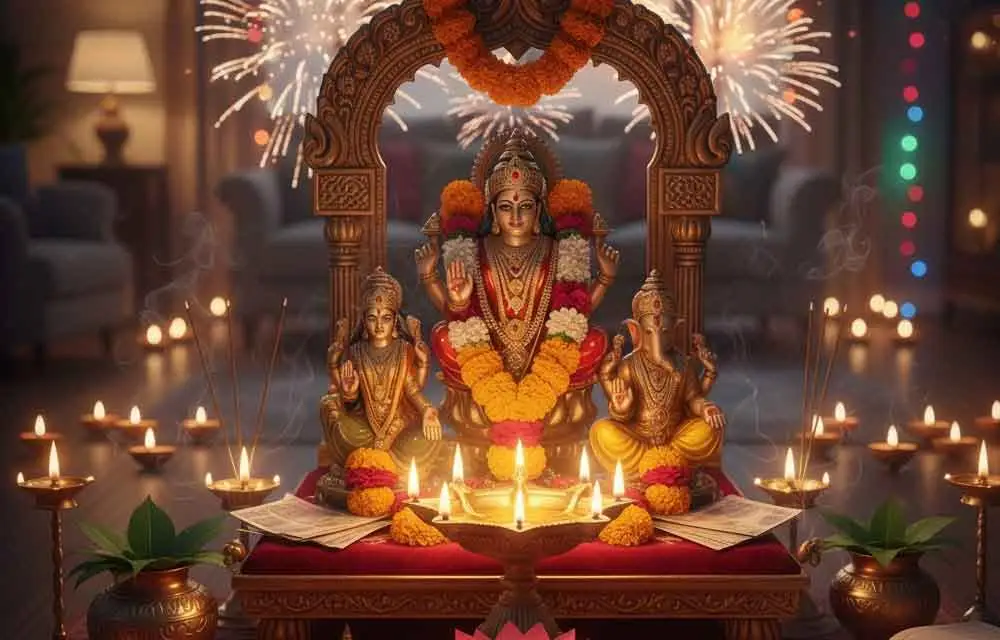
Bhishma Panchak 2026: Date (20-24 November), Story of Bhishma, Five-Day Vrat and Panchuka
Bhishma Panchak 2026 runs from Friday 20 November to Tuesday 24 November 2026, the last five days of Kartika, from Ekadashi to Purnima. Learn the dates, the story of Bhishma teaching Yudhishthira from his bed of arrows as commonly told, how the five-day vrat is kept, Panchuka in Odisha, and what devotees eat and avoid by custom.
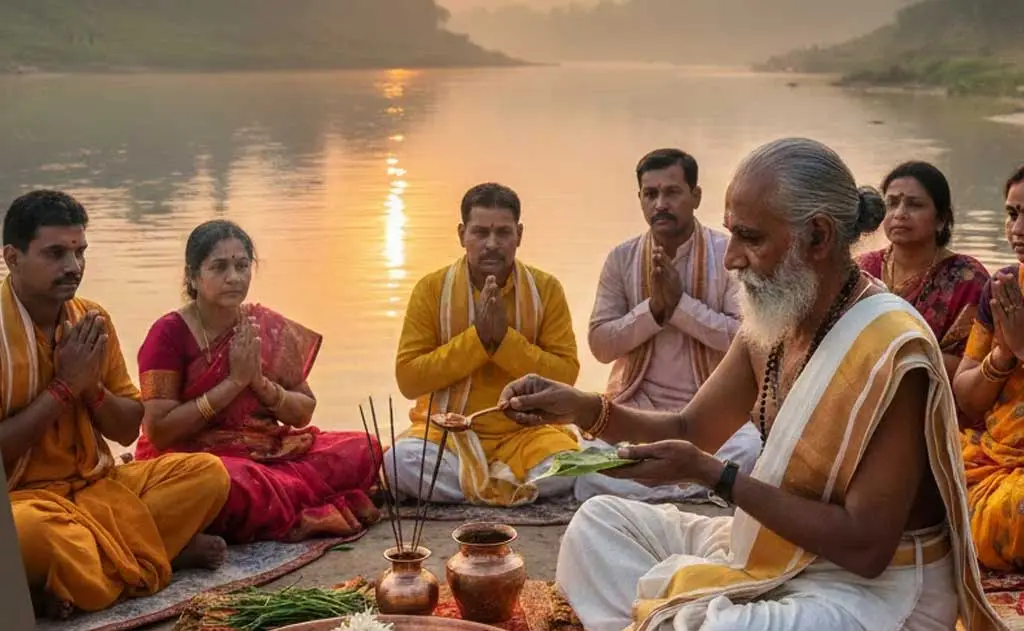
Bhishma Panchak 2026 runs from Friday 20 November to Tuesday 24 November 2026, the last five days of Kartika, from Ekadashi to Purnima. Learn the dates, the story of Bhishma teaching Yudhishthira from his bed of arrows as commonly told, how the five-day vrat is kept, Panchuka in Odisha, and what devotees eat and avoid by custom.
Quick answer: Bhishma Panchak 2026 runs from Friday 20 November to Tuesday 24 November 2026, per Drik Panchang for New Delhi. It is the last five days of the holy month of Kartika, from Shukla Ekadashi to Kartika Purnima. As commonly told, it honours Bhishma, who taught Yudhishthira about dharma from his bed of arrows. Many devotees keep a five-day vrat with simple food, prayer and charity. In Odisha the same period is called Panchuka.
This guide has been restored at its original hindutone.com address. Dates and times below are from Drik Panchang for New Delhi, in IST. Outside India the dates can differ by a day, so check Drik Panchang for your own city.
Bhishma Panchak 2026 dates
| Day | Date (Drik Panchang, New Delhi) | Also on this day |
|---|---|---|
| Day 1 (begins) | Friday 20 November 2026 | Devutthana Ekadashi (Smarta); last day of Chaturmas |
| Day 2 | Saturday 21 November 2026 | Vaishnava Devutthana Ekadashi; Tulasi Vivah |
| Day 3 | Sunday 22 November 2026 | Ravi Pradosh Vrat |
| Day 4 | Monday 23 November 2026 | Vaikuntha Chaturdashi |
| Day 5 (ends) | Tuesday 24 November 2026 | Kartika Purnima; Purnima tithi up to 08:23 PM IST |
Source: Drik Panchang, New Delhi. Some Vaishnava communities begin the five days with the Vaishnava Ekadashi on 21 November. Follow the calendar of your own temple or family. We do not list muhurat clock times. For local timings, check Drik Panchang for your city.
The story of Bhishma and the five days
Bhishma is one of the great figures of the Mahabharata. He was the son of King Shantanu and the river goddess Ganga. As a young man he took a vow never to marry or claim the throne, so that his father could marry again. Because of this terrible vow, he was called Bhishma. As commonly told, he was given the boon of choosing the time of his own death.
In the Kurukshetra war, Bhishma fought on the side of the Kauravas. He fell, pierced by so many arrows that he lay on a bed of arrows. He chose not to leave his body until the sun began its northward journey, Uttarayana.
After the war, Krishna took Yudhishthira, the new king, to Bhishma. Bhishma then taught him about the duties of a king, dharma, charity and liberation. These teachings form the Shanti Parva and Anushasana Parva of the Mahabharata. The Vishnu Sahasranama, the thousand names of Vishnu, is also said to have been given to Yudhishthira by Bhishma at this time.
As commonly told, Krishna was pleased and declared that the last five days of Kartika would be known by Bhishma's name. Those who keep a vrat in these days, with devotion and self-control, are believed to gain great merit. Details differ between tellings and regional texts.
How the five-day vrat is kept
There is no single rule for everyone. Families follow their own customs. A common pattern is:
- Wake before sunrise and take a bath, if possible in a river, tank or with holy water added at home.
- Worship Vishnu or Krishna with tulsi leaves, flowers, a ghee lamp and incense. Some also offer different flowers on each of the five days.
- Offer water (tarpan) in memory of Bhishma. As commonly told, Bhishma had no children, so devotees offer tarpan for him as a mark of gratitude.
- Recite or listen to the Vishnu Sahasranama, the Bhagavad Gita or stories from the Mahabharata.
- Light a lamp every evening, as is the custom through Kartika.
- Give food, clothes or other help to people in need.
- End the vrat on Kartika Purnima or on the next morning, as your family custom says.
What devotees eat and avoid by custom
Food customs during Bhishma Panchak differ a lot. These are common practices, not fixed rules:
- Vegetarian food: Most people who observe the period eat only vegetarian food. Fish, meat and eggs are avoided.
- No onion and garlic: Many families also avoid onion, garlic and some other foods, as during the rest of Kartika.
- Habisha: In Odisha, many keep habisha, a simple diet of rice, ghee, certain vegetables and lentils, cooked without onion, garlic or strong spices.
- Fruit and milk: Some devotees take only fruit, milk and water, or eat one meal a day.
- Stricter fasts: A few people keep a very strict fast. This should be done only with good health and, ideally, a doctor's advice.
Health note: Fasting is a personal choice. Five days of fasting can be hard on the body. If you are pregnant, breastfeeding, elderly, diabetic, unwell or on regular medicine, please talk to your doctor before you fast. Drink enough water. A light vegetarian diet, prayer and charity are also a sincere way to keep Bhishma Panchak.
Panchuka in Odisha
In Odisha, the whole month of Kartika is holy, and its last five days are called Panchuka. Many Odia families who usually eat fish and meat give them up completely during these five days. Temples, especially Jagannatha temples, draw many devotees. Families keep the house clean and eat simple habisha food.
Panchuka ends on Kartika Purnima, which is also the day of Boita Bandana and the start of Bali Jatra in Odisha. After this, families return to their usual food.
Bhishma Panchak for NRI families
- Check your local dates: Use Drik Panchang for your city. Do not convert India's times.
- Keep it simple: If a five-day fast is not practical with work or school, eat vegetarian food, light a lamp each evening and read a few names from the Vishnu Sahasranama.
- Family story time: Tell children the story of Bhishma's vow and his teaching to Yudhishthira. It is a good way to talk about duty, honesty and keeping promises.
- Charity: Give to a food bank or a temple kitchen in your city during these five days.
Frequently asked questions
When is Bhishma Panchak 2026?
Bhishma Panchak 2026 begins on Friday 20 November 2026 and ends on Tuesday 24 November 2026, per Drik Panchang (New Delhi). It covers the last five days of Kartika, from Ekadashi to Purnima.
Why is it called Bhishma Panchak?
Panchak means a group of five. As commonly told, Bhishma, lying on a bed of arrows after the Kurukshetra war, taught Yudhishthira about dharma during these days, and Krishna blessed this five-day period with Bhishma's name.
What is Panchuka in Odisha?
Panchuka is the Odia name for these last five days of Kartika. Many Odia families, even those who usually eat fish and meat, keep a vegetarian or habisha diet during Panchuka and visit temples.
What do people eat during Bhishma Panchak?
By custom, many eat simple vegetarian food without onion and garlic, or fruit and milk, or one meal a day. Some keep a stricter fast. Customs vary by family and region, so follow your own tradition.
Is the Bhishma Panchak fast safe for everyone?
No fast suits everyone. People who are pregnant, elderly, diabetic, unwell or on regular medicine should speak to a doctor before fasting and may choose a light diet, prayer and charity instead.
Is Bhishma Panchak the same as Bhishma Ashtami?
No. Bhishma Panchak is the last five days of Kartika. Bhishma Ashtami is a separate day in the month of Magha, remembered as the day Bhishma left his body.
Editor's note
Editor's note (6 October 2026): This guide has been restored at its original address after the earlier version was lost. The dates and the Purnima end time are from Drik Panchang for New Delhi and are in IST only. Food and fasting customs vary by family and region, and nothing here is medical advice. The story of Bhishma is presented as commonly told, and details differ between tellings.
Related guides
You might also like
Bhai Dooj 2026 in the UK: Tuesday 10 November, a Day Before India, with Tilak Vidhi, Story and Ideas for Siblings Apart
Govardhan Puja and Annakut 2026 in the UK: Monday 9 November, a Day Before India, with Annakut at Home and at the Mandir
Govardhan Puja and Annakut 2026 in the USA: Monday 9 November, a Day Before India, with a Home Annakut Guide