
Shraddha and Tarpanam
28 articles
Shraddha and tarpanam are the rites through which Hindu families honour their departed ancestors. Shraddha, from the word shraddha or faith, involves offering food, often in the form of pinda, and feeding Brahmins or the needy in the ancestor's name. Tarpanam is the offering of water mixed with sesame, made with prayers that devotees believe bring peace and satisfaction to the pitrus.
These rites are traditionally performed on the annual death anniversary by tithi, during Pitru Paksha, on Amavasya days and at sacred places such as Gaya, Kashi and river banks. Customs vary greatly between communities, and many families depend on a family priest for the exact procedure.
On this page HinduTone collects articles explaining the meaning of shraddha and tarpanam, how they are traditionally performed, samagri lists, how to find the right day and practical guidance for families abroad or without a priest nearby. Related pages cover Pitru Paksha, Amavasya, Mahalaya Amavasya and the Garuda Purana.
Start Here
Amavasya Dates and Tithi Times by City: November 2026 to January 2027, with Rituals and Tarpan Guide
When the next three Amavasyas begin and end in 28 cities (Kartika Amavasya 8–9 November, Margashirsha Amavasya 8 December 2026 and Pausha Amavasya 7 January 2027), the Darsha Amavasya day for fasting and tarpan, where…
 Pausha Amavasya 2027: Thursday 7 January, One New Moon with Two Month Names, and Snan, Daan and Tarpan Days by City
 Bhishma Panchak 2026: Date (20-24 November), Vrat Vidhi, Story of Bhishma, Tarpan and Panchuka
 Karthika Amavasya 2026: Tuesday 8 December, the Last Day of Karthika Masam, Amavasya Timings by City, Deepa Daanam, Pitru Tarpan and Poli Swargam on 9 December
 Pitru Tarpan Abroad: The Complete Amavasya Ritual Guide for NRI Hindus
Latest Articles
Panchangam 9 October 2026 (Friday): Chaturdashi Shraddha in Mahalaya Paksha, Tithi, Nakshatra and Puja Vidhi
Friday 9 October 2026 is Krishna Chaturdashi in Mahalaya Paksha, observed as Chaturdashi Shraddha. In Hyderabad…
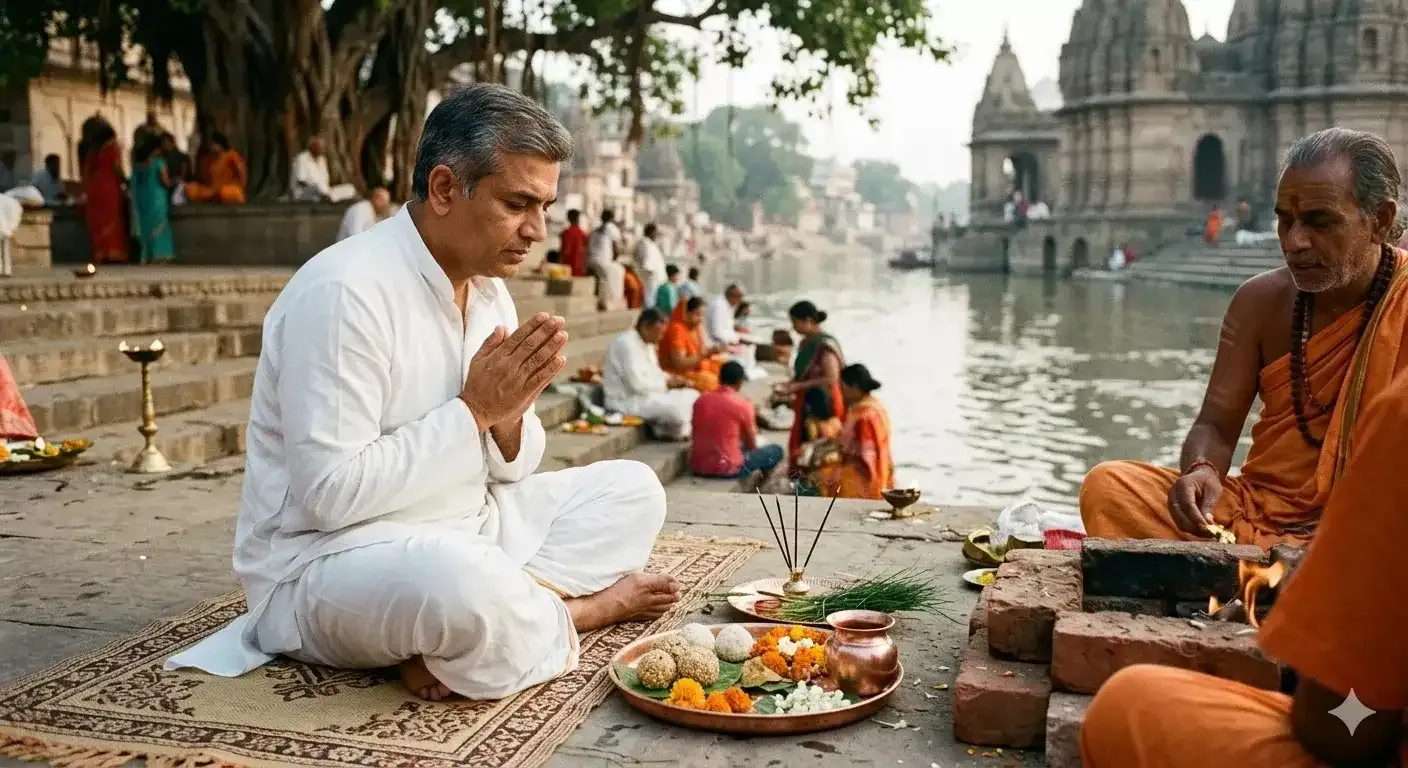
Mahalaya Amavasya 2026 — Date (October 10), Pitru Paksha Conclusion, Tarpan Vidhi & NRI Guide
Mahalaya Amavasya 2026 falls on Saturday, October 10 — the most powerful Shraddha day of the year. Complete guide to…
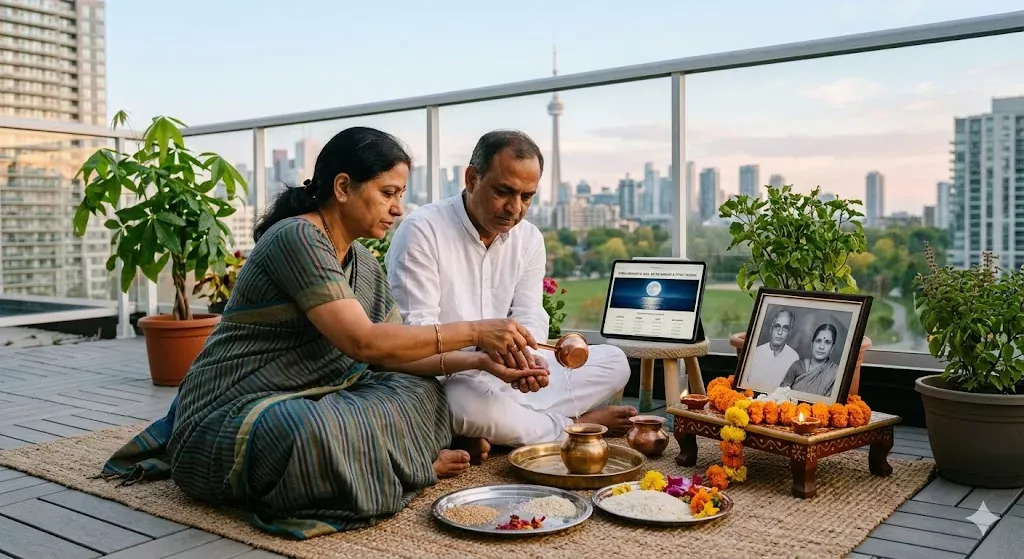
Soma Amavasya 2026 for NRIs: Dates Abroad, Pitru Tarpan & How to Observe
Soma (Somavati) Amavasya 2026 is Monday, June 15. NRI guide — worldwide tithi window by city, June 14 vs June 15…
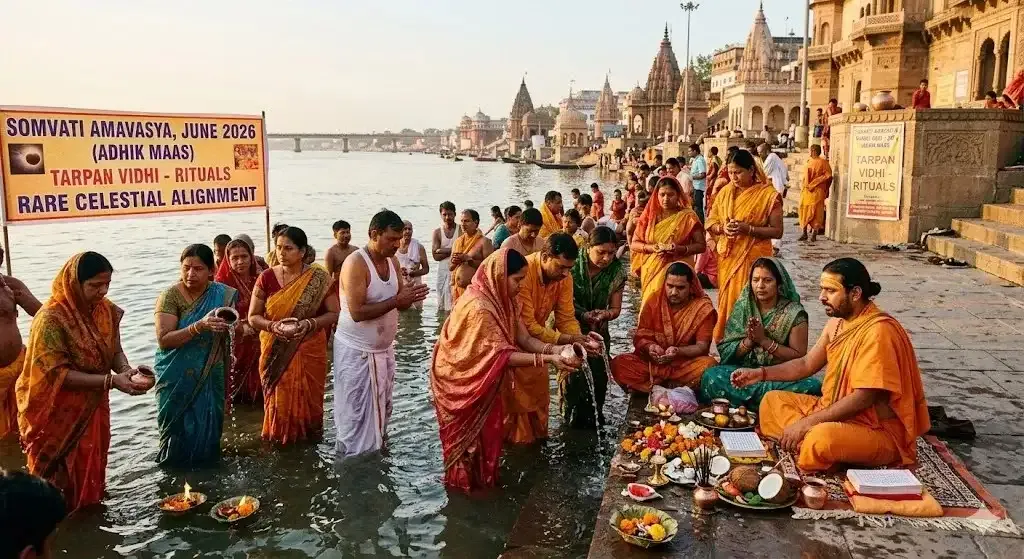
Somvati Amavasya June 2026: Rituals, Tarpan Vidhi & Why This Adhik Maas Amavasya Is Rare
Jyeshtha Adhika Somvati Amavasya falls on June 15, 2026. Tithi timings for India, USA, UK & Gulf, step-by-step Pitru…
Shraddha & Pitru Paksha 2026 — Honouring Ancestors (NRI Guide)
Shraddha & Pitru Paksha 2026 (26 Sep–10 Oct) — the meaning of honouring ancestors, tarpanam, and how NRIs can observe…

Ashada Amavasya 2026: Date, Bhimana, Pitru Tarpanam & Rituals
Ashada Amavasya 2026 (12 August): Bhimana Amavasya, Deepasta Gauri & Hariyali Amavasya — pitru tarpanam, regional…
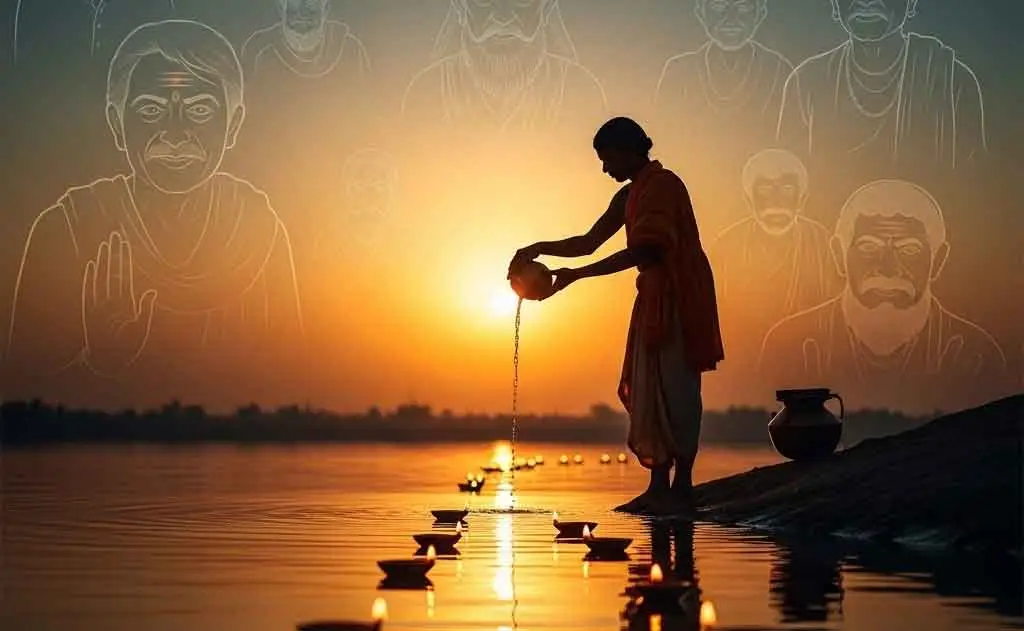
Pitru Paksha 2026 — 16 Days of Ancestor Worship (September 26 – October 10), Daily Rituals & Complete NRI Tarpan Guide for USA, UK, Canada
Pitru Paksha 2026 — September 26 to October 10. 16 days of ancestor worship, daily tarpan vidhi, Mahalaya Amavasya…
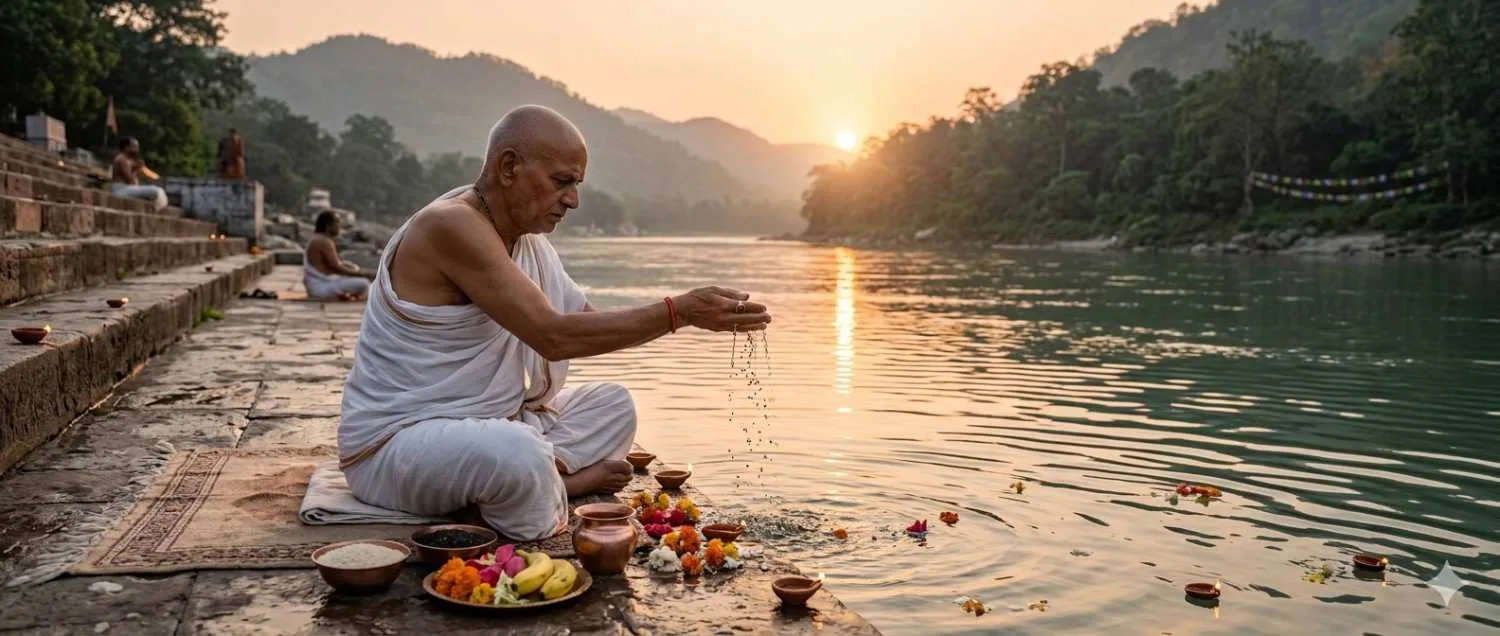
Pitru Tarpan Vidhi — Complete Ancestral Offering Guide
Introduction: Honoring Ancestors Through Sacred Water Offerings Pitru Tarpan (or Pitru Tarpanam) is a profound Hindu…
Phalguna Amavasya 2026: Importance, Pitra Puja Vidhi & Dos and Don’ts
Phālguna Amāvāsyā is not just a lunar date; it is a sacred bridge between generations, where the living express…
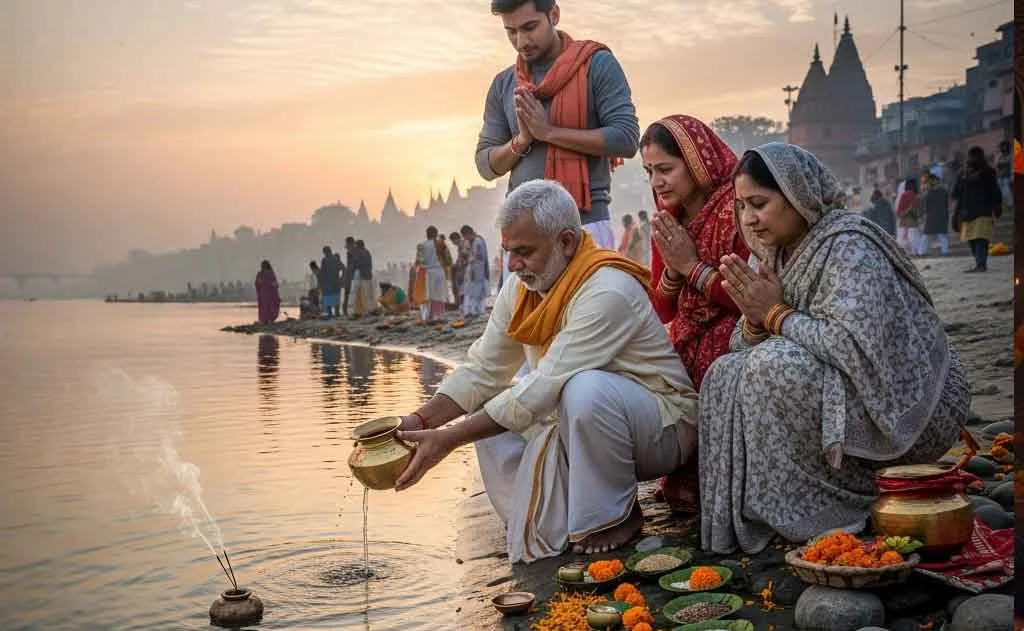
Avoid Shraddha Mistakes: Garuda Purana on Pitru Dosha
Avoid These Mistakes in Shraddha Karma – Garuda Purana Warnings on Wrong Tithi, Impure Offerings & Neglect Leading to…
Garuda Purana on Ekoddishta Shraddha: Special Rites for Recent Departed
Garuda Purana on Ekoddishta Shraddha: Special Rites for Recent Departed – How to Free Their Soul from Torment in One…
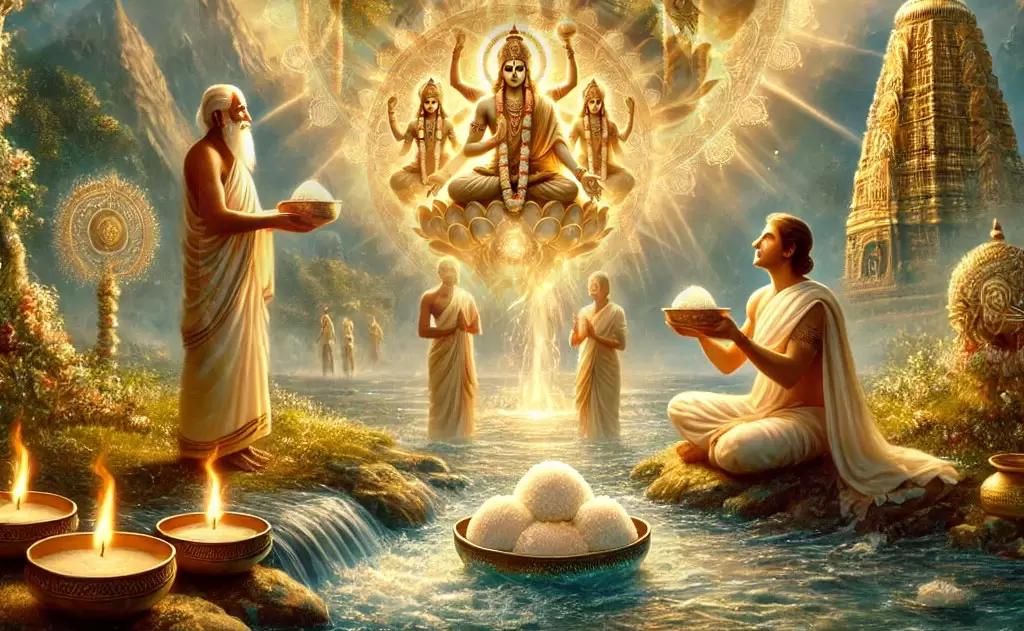
Invoke Ancestors with This Ancient Mantra During Pinda Pradanam
Invoke Ancestors with This Ancient Mantra During Pinda Pradanam – Garuda Purana’s Timeless Call for Blessings &…
Shraddha Karma for Daughters – Garuda Purana Validation & Guide
Women & Shraddha: Can Daughters Perform Tarpan & Pinda Daan? Yes – Garuda Purana Proves It (Empowering Truth)…
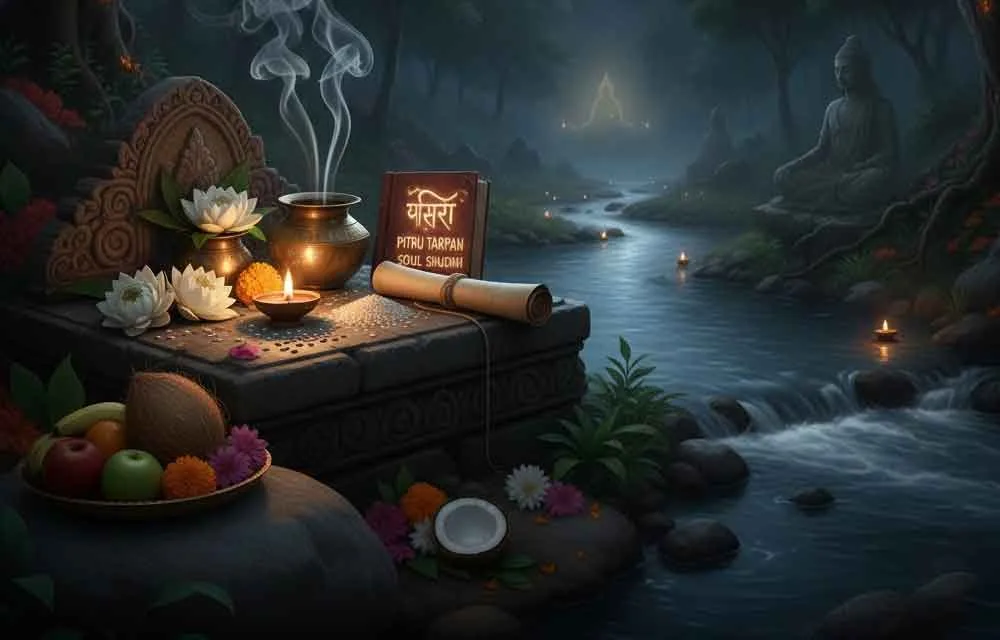
Pitru Paksha 2026 Spiritual Guide – Perform Shraddha & Pinda Daan at Home
Powerful Quote from Garuda Purana: “Satisfied Pitris Grant Long Life, Fame, Heaven & Moksha” – Perform Pinda Pradanam…
Avoid These Mistakes in Shraddha Karma – Garuda Purana Warnings
Avoid These Mistakes in Shraddha Karma – Garuda Purana Warnings on Wrong Tithi, Impure Offerings & Neglect Leading to…
Amavasya Shraddha vs Pitru Paksha – Ultimate Ancestor Ritual Guide
Amavasya Shraddha vs Pitru Paksha: Which Tithi Gives Maximum Punya?
Why Perform Shraddha on Exact Death Tithi? – Garuda Purana Secrets
Why Perform Shraddha on Exact Death Tithi? Garuda Purana Reveals How Proper Tithi Aligns Pitris to Bless You with…
Pitru Paksha 2026: Garuda Purana Secrets of Daily Pinda Pradanam
Pitru Paksha 2026: Garuda Purana Secrets of Daily Pinda Pradanam – Build Your Ancestor's Subtle Body in 10 Days for…
FAQs
What is the difference between shraddha and tarpanam?
Shraddha is the full ancestral rite, usually performed on the death anniversary tithi, with pinda offerings, mantras and feeding Brahmins or the needy. Tarpanam is the simpler offering of water mixed with sesame seeds to ancestors, which can be done on Amavasya, eclipses and during Pitru Paksha.
How is tarpanam done at home?
After a bath, the performer sits facing south, wears the sacred thread or a cloth in the prescribed way, and offers water with black sesame through darbha grass while naming ancestors. Procedures differ by community and Veda shakha, so it is best to learn the steps from a family priest.
Who should perform shraddha?
Traditionally the son or a male descendant performs shraddha, but customs vary, and in many families daughters, wives or other relatives perform it when needed. If you are unsure, follow your family tradition and consult a priest. Many priests guide families living abroad remotely.
When is the annual shraddha performed?
The annual shraddha, called abdikam or barsi, is performed on the lunar tithi of the person's death in the corresponding month each year, not the Gregorian date. Many families also offer tarpanam during Pitru Paksha. Use the panchang to find the matching tithi each year.