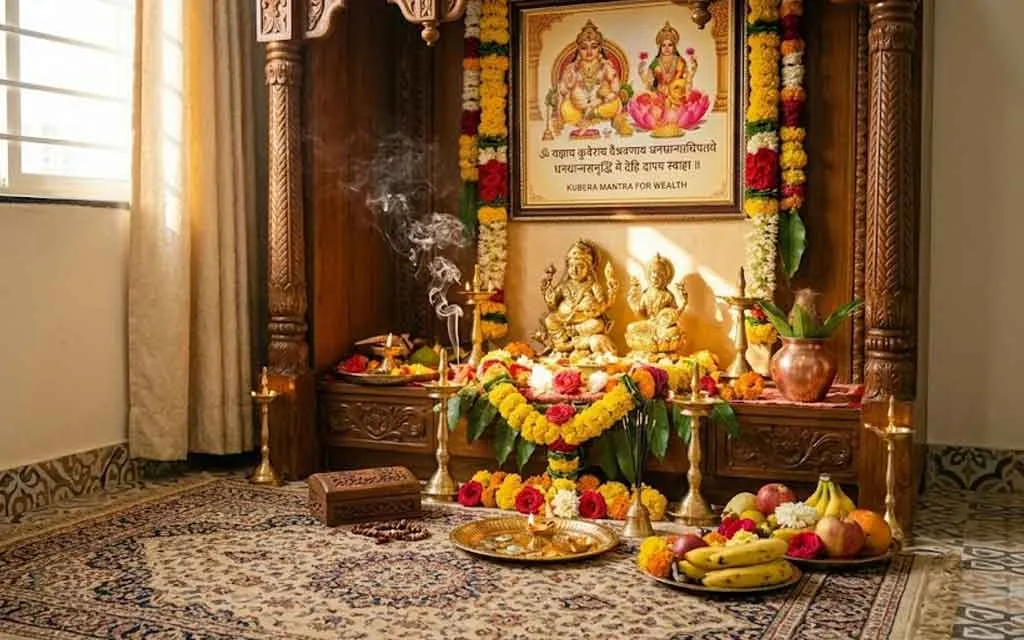
Invoke Ancestors with This Ancient Mantra During Pinda Pradanam
Invoke Ancestors with This Ancient Mantra During Pinda Pradanam – Garuda Purana’s Timeless Call for Blessings & Protection Unlock the Sacred Power of Ancestral…
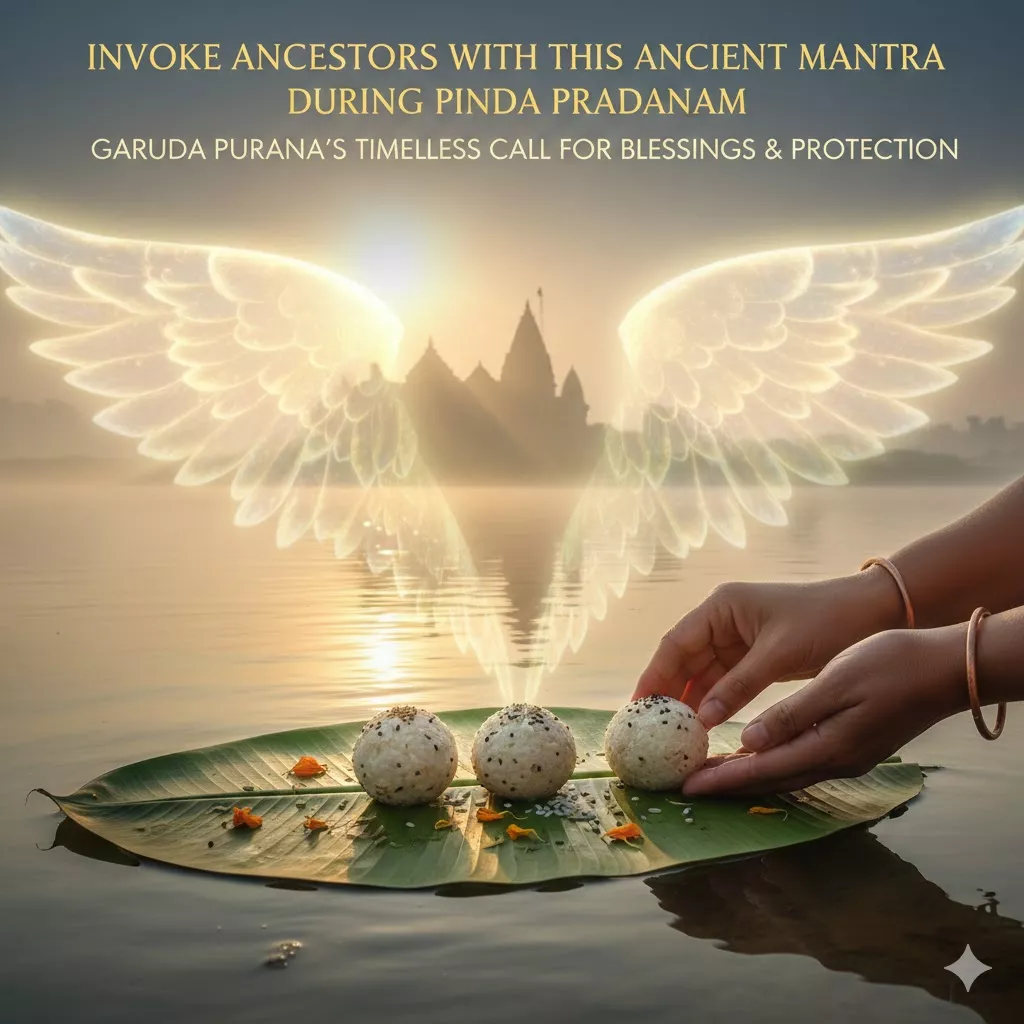
Invoke Ancestors with This Ancient Mantra During Pinda Pradanam – Garuda Purana’s Timeless Call for Blessings & Protection Unlock the Sacred Power of Ancestral…
Invoke Ancestors with This Ancient Mantra During Pinda Pradanam – Garuda Purana’s Timeless Call for Blessings & Protection
Unlock the Sacred Power of Ancestral Invocation Through Vedic Mantras
In the vast spiritual legacy of Sanatana Dharma, the Garuda Purana stands as the most authoritative scripture on death, afterlife, and Pitru (ancestor) worship. Within its revered Pretakhanda, the Purana reveals sacred mantras that act as a divine bridge between the living and the departed.
Among these, the “Ayantu Nah Pitarah” mantra and the powerful Swadha invocation are considered timeless spiritual technologies. When chanted during Pinda Pradanam, these mantras awaken ancestral consciousness, invite Pitru Devatas to the ritual space, and unlock blessings of protection, longevity, prosperity, and spiritual upliftment.
This complete guide explains the meaning, method, scriptural significance, and spiritual science behind these mantras, in a practical and devotional manner, aligned with Garuda Purana teachings.
What Is Pinda Pradanam? The Sacred Offering That Sustains Ancestors
Pinda Pradanam is a central ritual of the Shraddha tradition, in which descendants offer rice balls (pindas) mixed with black sesame, ghee, milk, and honey to their departed ancestors.
According to Garuda Purana:
- The departed soul depends on Pinda for nourishment in the subtle realm
- Without Pinda, the soul experiences hunger and restlessness
- Pinda Pradanam performed with mantra and Shraddha brings Pitru Shanti
This ritual is performed during:
- Pitru Paksha
- Mahalaya Amavasya
- Annual death tithi Shraddha
- Sapindikarana (12th/13th day rites)
- Gaya Shraddha
The Ayantu Nah Pitarah Mantra – Direct Invocation from Garuda Purana
Sanskrit Mantra
ॐ आयन्तु नः पितरः सोम्यासः पितामहाः प्रपितामहाः।
आ यन्तु नः पितरः सूर्यलोके यमलोके वा ये स्थितासः॥
Transliteration
Om Ayantu Nah Pitarah Somyāsah Pitāmahāḥ Prapitāmahāḥ
A Yantu Nah Pitarah Sūryaloke Yamaloke Vā Ye Sthitāsah
Meaning of the Mantra
“May our ancestors come to us – our fathers, grandfathers, and great-grandfathers. May those Pitris who reside in the realm of Surya or in the realm of Yama approach and accept our offerings.”
This mantra respectfully summons three generations of ancestors, acknowledging that Pitris may reside in different lokas depending on their karma.
Why This Mantra Is Spiritually Powerful
Garuda Purana explains that:
- Ancestors do not automatically receive offerings
- They must be invited through mantra
- Proper invocation ensures direct transmission of Pinda
The Ayantu Nah Pitarah mantra functions as a cosmic call, opening a sacred channel between the earthly and Pitru realms.
Swadha – The Sacred Sound That Activates Ancestral Offerings
What Is Swadha?
Swadha (स्वधा) is the exclusive vibrational formula used for ancestors.
- Swaha is used for Devas
- Swadha is used only for Pitris
Garuda Purana warns that using incorrect exclamations diverts offerings away from ancestors.
Swadha Invocation Mantra
पितृभ्यः स्वधायै नमः।
Pitribhyaḥ Swadhāyai Namaḥ
Meaning: “Salutations to the ancestors, offered with Swadha.”
Every utterance of Swadha energizes the offering and directs it precisely to the Pitru lineage.
Step-by-Step Pinda Pradanam Using These Mantras
1. Purification and Preparation
- Bathe before the ritual
- Wear clean, light-colored or traditional attire
- Maintain mental purity and silence
- Perform the ritual facing south (direction of Pitris)
2. Sankalpa (Sacred Intention)
Mentally or verbally state:
- Your gotra and lineage
- Names of ancestors (if known)
- Intention of Pitru Shanti and blessings
3. Invocation of Pitris
Chant the Ayantu Nah Pitarah mantra three times to invite ancestors into the ritual space.
4. Formation of Pindas
While shaping the rice balls, chant:
ॐ पितृभ्यो नमः स्वधा
Om Pitribhyo Namaḥ Swadhā
Visualize your ancestors receiving nourishment.
5. Offering the Pindas
As each Pinda is placed, say “Swadha” three times with devotion.
6. Tarpana (Water Offering)
Offer water mixed with black sesame while chanting:
ॐ पितृभ्यः तर्पयामि स्वधा
Om Pitribhyaḥ Tarpayāmi Swadhā
7. Closing Prayer
Seek forgiveness for any errors and request continued Pitru blessings and protection.
The Spiritual Science Behind These Mantras (Garuda Purana Insight)
Sound as Spiritual Technology
The Vedas describe mantra as Shabda Brahman – divine sound consciousness.
Garuda Purana teaches that:
- Each syllable carries vibrational intelligence
- Mantras penetrate subtle dimensions
- Swadha acts as a frequency key to Pitru Loka
Karmic Healing Through Ancestral Rites
By performing Pinda Pradanam with mantras, one:
- Repays Pitru Runa (ancestral debt)
- Heals unresolved ancestral karma
- Receives protection from Pitru dosha
- Strengthens lineage harmony
When to Chant These Mantras for Maximum Benefit
Most auspicious times include:
- Pitru Paksha
- Mahalaya Amavasya
- Amavasya every month
- Annual death tithi
- Sapindikarana ceremony
- Brahma Muhurta (4–6 AM)
Common Mistakes to Avoid During Ancestral Rituals
Garuda Purana cautions against:
- Using “Swaha” instead of “Swadha”
- Facing north or east during Pinda Pradanam
- Performing rituals mechanically without Shraddha
- Eating before completion of Shraddha
- Neglecting cleanliness and focus
Blessings Promised by Garuda Purana
Those who regularly honor Pitris with mantra and devotion receive:
- Protection from unseen obstacles
- Longevity and health
- Prosperity and family harmony
- Spiritual merit aiding Moksha
- Guidance during difficult phases of life
Modern Relevance of Pinda Pradanam Mantras
In today’s disconnected world, these rituals:
- Heal generational wounds
- Provide emotional grounding
- Preserve cultural identity
- Transform grief into gratitude
Garuda Purana emphasizes remembrance, not fear.
Simple Practice for Beginners
If full ritual is not possible:
- Offer water with sesame on Amavasya
- Chant Om Pitribhyo Namah Swadha daily
- Remember ancestors with gratitude
The Purana assures: Bhava (intent) completes the ritual.
Conclusion: A Living Bond Across Lifetimes
The Ayantu Nah Pitarah mantra and Swadha invocation are not relics of the past. They are living spiritual bridges connecting generations beyond time and death.
By chanting these Garuda Purana mantras during Pinda Pradanam, one honors ancestors, uplifts lineage karma, and receives unseen protection and blessings.
Death does not end relationships in Sanatana Dharma — Shraddha preserves them eternally.
May your Pitris be satisfied.
May their blessings protect your path.
Om Shanti Shanti Shanti.
Related Reads on Hindutone.com:
- Pinda Pradanam Vidhi Explained
- Pitru Paksha Complete Guide
- Mahalaya Amavasya Shraddha Significance
- Garuda Purana Pretakhanda Teachings
This article is written for devotional and educational purposes in alignment with Garuda Purana and Dharma Shastra traditions for www.hindutone.com.
Frequently Asked Questions
What is the Invoke Ancestors with This Ancient Mantra During?
Invoke Ancestors with This Ancient Mantra During Pinda Pradanam – Garuda Purana’s Timeless Call for Blessings & Protection Unlock the Sacred Power of Ancestral Invocation Through Vedic Mantras In the vast spiritual legacy of Sanatana Dharma, the Garuda Purana stands as the most authoritative scripture on death, afterlife, and Pitru (ancestor) worship . Withi
How many times should the Invoke Ancestors with This Ancient Mantra During be chanted?
It is traditionally chanted 108 times using a rudraksha or tulsi mala. Even 11 or 21 sincere repetitions daily are considered beneficial — steady, focused practice matters more than the count.
What is the best time to chant the Invoke Ancestors with This Ancient Mantra During?
Dawn (Brahma Muhurta) after a bath is considered ideal, though it may be chanted any time with a calm, focused mind. Many devotees keep a fixed daily time to build consistency.
Who can chant the Invoke Ancestors with This Ancient Mantra During?
Anyone may chant it with faith and a pure mind, regardless of age, gender or background. Beginners benefit from first hearing the correct pronunciation and understanding its meaning.
What are the benefits of chanting the Invoke Ancestors with This Ancient Mantra During?
It is believed to calm the mind, dissolve negativity, and draw divine grace, protection and clarity to the devotee.
You might also like
The Impact of Recent Conflicts on Hindus: Seeking Peace Through Ancient Mantras – A Spiritual Perspective
Money Myths and Mantras in Hinduism: Ancient Wisdom for Modern Prosperity
Mahishasura Mardini Stotra: Lyrics, English Meaning & Profound Spiritual Benefits