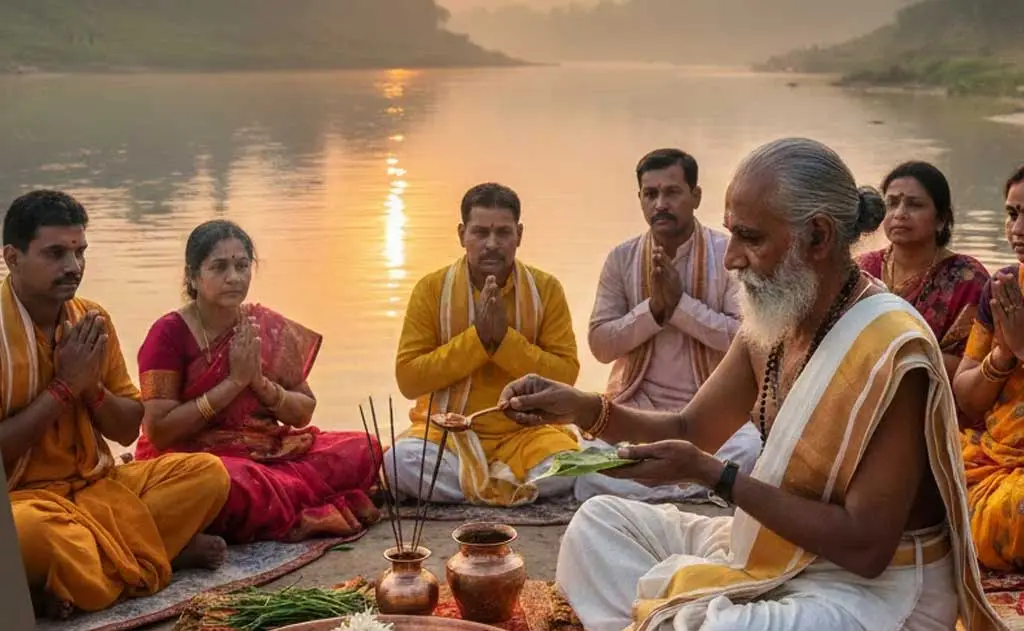
Garuda Purana on Ekoddishta Shraddha: Special Rites for Recent Departed
Garuda Purana on Ekoddishta Shraddha: Special Rites for Recent Departed – How to Free Their Soul from Torment in One Year Introduction: The Sacred Bridge…
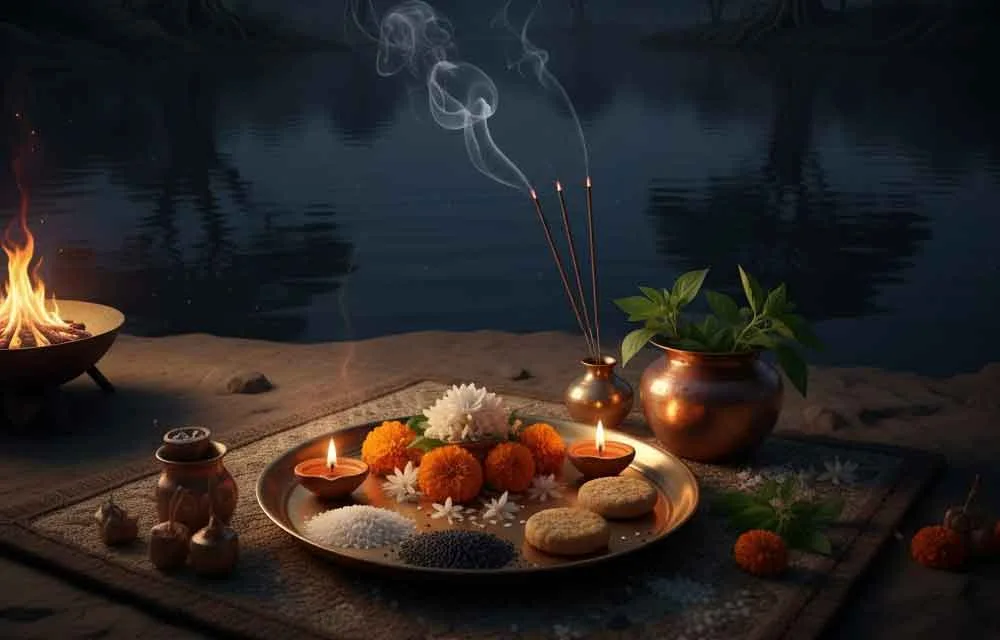
Garuda Purana on Ekoddishta Shraddha: Special Rites for Recent Departed – How to Free Their Soul from Torment in One Year
Introduction: The Sacred Bridge Between Life and Liberation
When a loved one departs from this world, Hindu scriptures offer a profound roadmap for their soul's journey. Among the most significant texts addressing this transition is the Garuda Purana, which details the Ekoddishta Shraddha - a special set of rituals performed during the critical first year after death.
Unlike the annual Parvana Shraddha performed for ancestors who have crossed over, Ekoddishta Shraddha serves as an urgent spiritual intervention. According to the Garuda Purana, this sacred rite possesses the power to alleviate the suffering of the departed soul as it navigates the challenging realms between death and its next destination.
What is Ekoddishta Shraddha? Understanding the Sacred Ritual
The Meaning Behind the Name
The term Ekoddishta is derived from Sanskrit:
- Eka = One, single
- Uddishta = Aimed at, designated for
Ekoddishta Shraddha literally means "a shraddha performed for one specific individual" - the recently departed soul. This distinguishes it from collective rituals performed for multiple ancestors.
The Purpose: A Lifeline for the Departed Soul
According to the Garuda Purana, when a person dies, their soul embarks on a perilous journey through various realms. During this transition period, the soul experiences intense suffering and disorientation. The Ekoddishta Shraddha serves multiple critical purposes:
- Nourishment for the subtle body - Providing sustenance to the preta (spirit form) of the deceased
- Protection during the journey - Shielding the soul from negative forces and torments
- Elevation of consciousness - Helping the soul progress toward higher realms
- Karmic resolution - Assisting in the neutralization of negative karmas
- Peace and comfort - Alleviating the confusion and suffering inherent in the death transition
The First Year: Why This Period is Critical
The Journey According to Garuda Purana
The Garuda Purana describes in vivid detail the soul's journey after death. During the first year, the departed soul exists in a transitional state called preta-avastha (spirit state). This period is marked by:
The Path of Yama: The soul travels through various stations on the way to Yamaloka (the realm of Lord Yama, the god of death and dharma). This journey traditionally takes one year.
Experiencing Past Karmas: The soul begins to experience the consequences of actions performed during life, which can involve considerable suffering.
Dependency on the Living: The departed soul is particularly dependent on the rituals and offerings made by descendants during this vulnerable period.
Formation of the New Body: The subtle body is being prepared for its next incarnation or elevation to higher realms.
The Window of Opportunity
The first year represents a unique window where the living can most effectively assist the departed. The Garuda Purana emphasizes that regular Ekoddishta Shraddha during this period can significantly alter the soul's trajectory, potentially:
- Reducing time spent in lower realms
- Minimizing suffering caused by unfulfilled desires
- Accelerating spiritual progress
- Ensuring a favorable rebirth or liberation
Ekoddishta Shraddha vs Parvana Shraddha: Key Differences
Understanding the distinction between these two forms of Shraddha is essential for proper ritual observance.
Ekoddishta Shraddha
Timing: Performed exclusively during the first year after death
Recipient: One specific recently departed individual
Purpose: Immediate relief and assistance during the transition period
Frequency: Can be performed monthly on the tithi (lunar death anniversary) or at other auspicious times during the first year
Ritual Focus: Urgent intervention to alleviate current suffering and guide the soul
Completion: Culminates in the Sapindikarana ceremony at the end of the first year
Offerings: Specific to the needs of a soul in preta state
Emotional Context: Performed during active grieving period with intense connection to the deceased
Parvana Shraddha
Timing: Performed after the first-year completion ceremony (Sapindikarana)
Recipients: Multiple ancestors collectively (father, grandfather, great-grandfather, etc.)
Purpose: Honoring, remembering, and maintaining connection with ancestors
Frequency: Annually on death anniversary and during Pitru Paksha
Ritual Focus: Regular maintenance of ancestral blessings and familial duty
Continuity: Continues indefinitely for generations
Offerings: Standardized for all ancestors
Emotional Context: Reverential remembrance rather than urgent intervention
The Transformation: From Preta to Pitr
The key theological difference lies in the status of the soul:
During Ekoddishta Shraddha, the soul is considered a preta (unsettled spirit) requiring urgent assistance.
After the Sapindikarana ceremony at the end of the first year, the soul is elevated to the status of pitr (ancestor) and joins the collective ancestral lineage. From this point forward, Parvana Shraddha is performed.
How to Perform Ekoddishta Shraddha: The Sacred Process
Preparation and Purification
Before beginning the ritual, proper preparation is essential:
- Physical Purification: The performer should bathe and wear clean, preferably white, clothes
- Mental Preparation: Approach with focused intention and devotion
- Sacred Space: Clean the ritual area and arrange necessary items
- Fasting: Many traditions recommend fasting or simple meals before the ritual
Essential Items Required
The Garuda Purana specifies various offerings needed:
- Pinda: Rice balls mixed with sesame seeds, milk, and honey
- Water: For tarpana (water offerings)
- Sesame Seeds: Black sesame is particularly important
- Kusha Grass: Sacred grass for purification
- Flowers: Fresh flowers for worship
- Incense and Lamp: For creating sacred atmosphere
- Food Offerings: Cooked rice, vegetables, sweets prepared without onion or garlic
- Dakshina: Donation for the Brahmin or priest
The Ritual Steps
While the complete ritual should ideally be performed under the guidance of a qualified priest, the basic structure includes:
1. Sankalpa (Sacred Intention) The performer declares the specific intention, naming the deceased person and the purpose of the ritual.
2. Prana Pratishtha (Invocation) The departed soul is invited to be present through mantras and offerings.
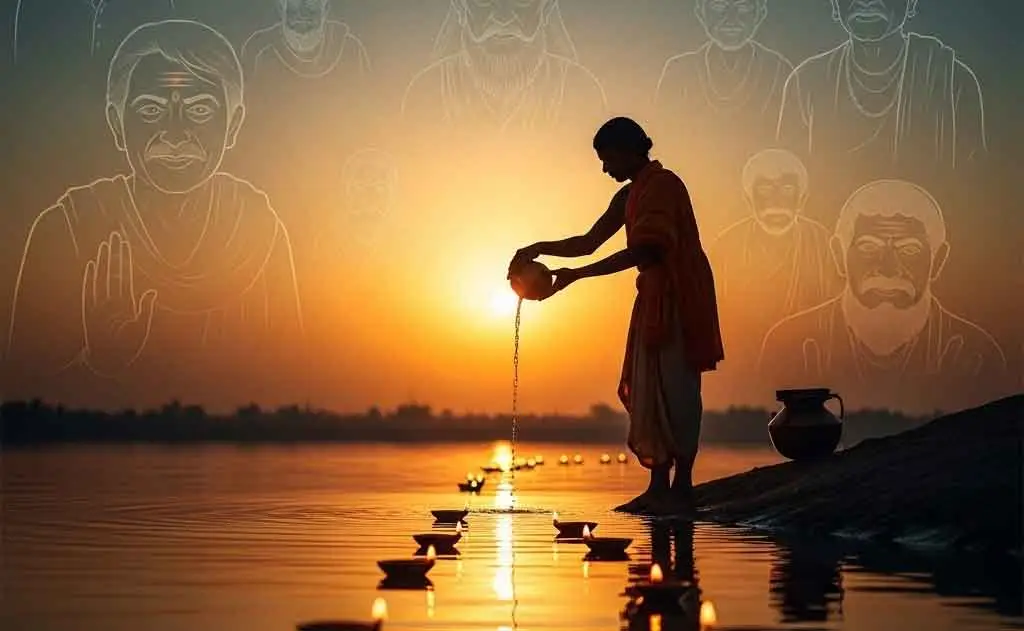
3. Tarpana (Water Offerings) Water mixed with sesame seeds is offered while reciting the names of the deceased and ancestors.
4. Pinda Dana (Offering Rice Balls) Rice balls representing the subtle body are offered at different stages, symbolizing nourishment for the departed soul.
5. Anna Dana (Food Offering) Cooked food is offered with prayers for the soul's nourishment and progression.
6. Brahmin Bhojana (Feeding the Priest) Feeding a Brahmin is considered equivalent to feeding the departed soul.
7. Dakshina and Donations Charity is given in the name of the deceased to generate positive karma.
8. Prayers and Mantras Specific mantras from Vedic texts are recited for the liberation of the soul.
The Monthly Practice: Masika Shraddha
During the first year, many families perform Ekoddishta Shraddha monthly on the tithi (lunar death date). This practice, called Masika Shraddha, involves:
- Performing simplified Ekoddishta rituals each month
- Maintaining regular spiritual connection with the departed
- Providing consistent support during their journey
- Accumulating merit that benefits the soul
The Garuda Purana suggests that regular monthly observance significantly enhances the effectiveness of the entire first-year process.
The Sapindikarana Ceremony: Transition from Preta to Pitr
At the completion of the first year, a special ceremony called Sapindikarana is performed. This crucial ritual marks:
Spiritual Graduation: The soul transitions from preta (unsettled spirit) to pitr (honored ancestor)
Joining the Lineage: The deceased is formally incorporated into the family's ancestral lineage
End of Ekoddishta: This ceremony concludes the period of Ekoddishta Shraddha
Beginning of Parvana: From this point, the deceased is included in collective Parvana Shraddha
The ceremony involves merging the pinda (rice ball) offered for the deceased with those offered for the three preceding generations, symbolizing their union with the ancestral collective.
Benefits of Ekoddishta Shraddha: What the Garuda Purana Promises
For the Departed Soul
The Garuda Purana describes numerous benefits for the soul when Ekoddishta Shraddha is performed with devotion:
- Relief from Suffering: Immediate alleviation of torments experienced in the preta state
- Nourishment: Satisfaction of hunger and thirst in the subtle realms
- Protection: Shielding from negative entities and forces
- Guidance: Clarity and direction during the confusing transition period
- Karmic Purification: Reduction of negative karmic burden
- Higher Realms: Elevation to more favorable spiritual planes
- Favorable Rebirth: If reincarnation occurs, a better situation in the next life
- Liberation: In the case of advanced souls, potential for moksha (liberation)
For the Living Family
The performance of these sacred rites also brings benefits to the living:
- Fulfillment of Duty: Completing one's dharmic obligation to parents and elders
- Peace of Mind: Knowing one has helped the departed loved one
- Ancestral Blessings: Receiving grace from satisfied ancestors
- Karmic Merit: Accumulating positive karma through selfless service
- Spiritual Growth: Deepening one's own spiritual practice and understanding
- Family Harmony: Strengthening family bonds through shared ritual
- Protection: Ancestral protection and guidance for descendants
Common Questions and Misconceptions
Can Women Perform Ekoddishta Shraddha?
Traditional texts specify the eldest son as the primary performer. However, modern interpretation and various sampradayas (traditions) allow for:
- Daughters to perform when no sons are present
- Wives to perform for husbands
- Women to participate in supporting roles
- Family members to collectively participate
What if the First Year is Missed?
If circumstances prevented proper observance during the first year, the Garuda Purana and later commentaries suggest:
- Performing Narayana Bali or other remedial rituals
- Conducting special prayaschita (atonement) ceremonies
- Seeking guidance from a qualified priest for specific remedies
- Moving forward with regular Parvana Shraddha while maintaining devotion
Is Professional Help Necessary?
While a qualified priest or purohit brings expertise and proper mantra pronunciation, the most important element is sincere devotion. Many families:
- Consult priests for major ceremonies like Sapindikarana
- Learn simplified rituals for monthly observances
- Balance traditional requirements with practical circumstances
- Focus on the spirit of devotion rather than perfect technical execution
Practical Guidance for Modern Families
Adapting Ancient Wisdom to Contemporary Life
In today's world, families often face challenges in performing elaborate rituals. Here are practical approaches:
Simplified Rituals: Learn abbreviated versions of the ritual that capture the essential elements while fitting modern schedules.
Virtual Participation: When family members are geographically separated, coordinated timing and video calls can maintain collective intention.
Professional Services: Many temples and organizations now offer Shraddha services for those unable to perform personally.
Educational Resources: Seek guidance from knowledgeable priests, books, or online resources to understand the core principles.
Intentional Practice: Remember that genuine devotion and pure intention matter more than elaborate external observance.
Balancing Tradition and Individual Circumstances
The ultimate purpose of Ekoddishta Shraddha is serving the departed soul's welfare. This can be honored through:
- Performing rituals to the best of one's ability
- Maintaining regular remembrance and prayer
- Living virtuously in honor of the deceased
- Making charitable donations in their name
- Studying spiritual texts and sharing merit with them
Beyond Ritual: The Deeper Spiritual Significance
Understanding the Philosophy
Ekoddishta Shraddha embodies profound spiritual principles:
Interconnection: It demonstrates that the living and dead remain spiritually connected and can assist one another.
Karma and Grace: While karma is individual, grace and merit can be shared through loving intention and ritual.
Time and Transition: Death is not an endpoint but a transition, with the first year being particularly significant.
Service and Love: These rituals are acts of love, showing that true affection transcends physical death.
Spiritual Ecology: Just as we care for the living, we have responsibility toward those who have departed.
The Power of Conscious Intention
The Garuda Purana emphasizes that the effectiveness of Shraddha depends greatly on the performer's consciousness:
- Shraddha (faith and devotion) is the essential ingredient
- Pure intention matters more than perfect execution
- Remembrance with love creates powerful spiritual connection
- Selfless service generates maximum benefit
- Consistency demonstrates genuine commitment
Conclusion: A Gift of Love Across the Veil
Ekoddishta Shraddha, as described in the Garuda Purana, represents one of Hinduism's most beautiful expressions of love, duty, and spiritual wisdom. By performing these sacred rites during the critical first year after death, we offer our departed loved ones a precious gift: assistance during their most vulnerable time, protection during their journey, and the accumulation of merit that can transform their spiritual trajectory.
Whether you approach these rituals as literal metaphysical assistance or as symbolic acts that bring comfort to both the living and honor the departed, the practice of Ekoddishta Shraddha maintains an ancient thread of love and remembrance that connects generations.
As you stand at the threshold between grief and healing, between loss and continuing connection, these sacred rites offer a path forward - one that honors both your loved one's journey and your own process of letting go while remaining spiritually connected.
May the performance of Ekoddishta Shraddha bring peace to the departed, comfort to the grieving, and merit to all who participate with sincere hearts.
Frequently Asked Questions
Q: How is Ekoddishta Shraddha different from the 13-day ceremonies after death?
The 13-day ceremonies (often called Kriya Karma or Antyesti) are immediate post-death rituals. Ekoddishta Shraddha refers specifically to monthly or periodic rituals performed throughout the first year, culminating in Sapindikarana.
Q: Can Ekoddishta Shraddha be performed for someone who died more than a year ago?
Generally, after the Sapindikarana ceremony at one year, the soul is considered to have joined the ancestors, and Parvana Shraddha is performed instead. However, special remedial rituals exist for unique circumstances.
Q: What happens if no one performs Ekoddishta Shraddha for the departed?
According to Garuda Purana, the soul's journey becomes more difficult without this support. However, the soul's own karma and spiritual development also play significant roles. Remedial measures can be taken later.
Q: Is there a specific time of day for performing Ekoddishta Shraddha?
Traditionally, Shraddha is performed during the afternoon (Aparahna kala), considered auspicious for ancestral rituals. However, sincere performance at any appropriate time is beneficial.
Q: Can multiple family members perform Ekoddishta Shraddha for the same person?
While typically one person (traditionally the eldest son) is the primary performer, family members can participate or support the ritual. Multiple sincere efforts are considered beneficial.
For more insights on Hindu traditions, rituals, and spiritual practices, visit www.hindutone.com
Share this with family and friends
Send it on WhatsApp, post it, or copy the link.
More from Traditions
- Must-Performed Rituals Every NRI Woman Should Do for Her Family's Wellbeing
- Friday Rituals in Hinduism — Shukravar Lakshmi Puja, Devi Worship & Complete NRI Guide for 2026
- Thursday Rituals in Hinduism — Guruvara Vishnu Puja, Guru Worship & Complete NRI Guide for 2026
- Monday Rituals in Hinduism — Somavar Shiva Puja, Vrat & Complete NRI Guide for 2026
- Thursday Rituals in Hinduism: Complete Guide to Guruvar Pooja, Temples & Sacred Foods
You might also like
Vidyarambha Muhurat 2026 — Best Day to Begin Education
Hindu Dietary Restrictions: A Complete Guide to Food Rules, Practices & TraditionsDietaryHindu Dietary Restrictions: A Complete Guide to Food Rules, Practices & Traditions
Preta to Pitru Transformation: Spiritual Power of Pinda Offerings Explained