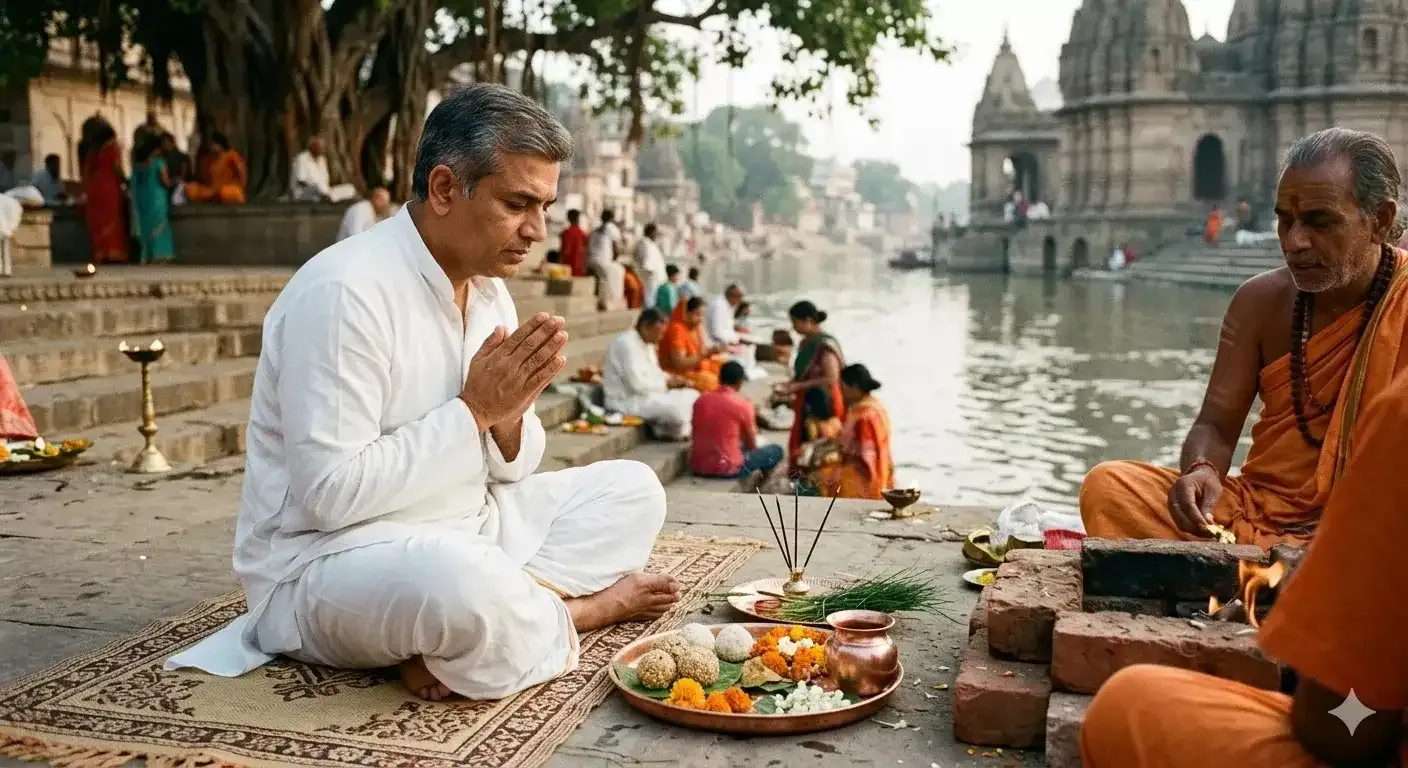
Pitru Paksha 2026 Spiritual Guide – Perform Shraddha & Pinda Daan at Home
Powerful Quote from Garuda Purana: “Satisfied Pitris Grant Long Life, Fame, Heaven & Moksha” – Perform Pinda Pradanam with This Devotion Introduction: A Single…
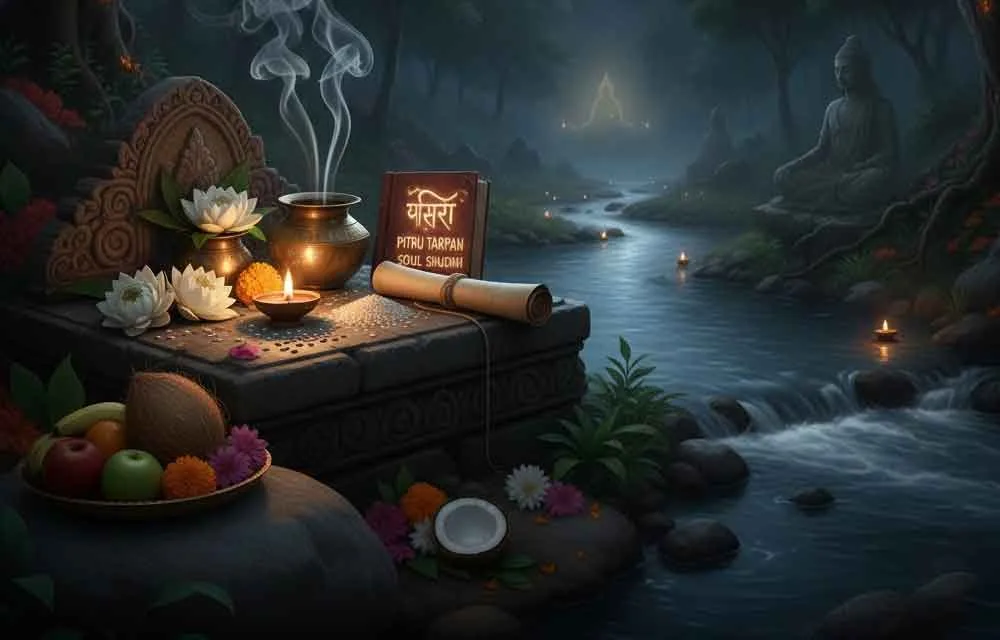
Powerful Quote from Garuda Purana: “Satisfied Pitris Grant Long Life, Fame, Heaven & Moksha” – Perform Pinda Pradanam with This Devotion
Introduction: A Single Garuda Purana Line That Governs Human Destiny
Among the vast ocean of Hindu scriptures, the Garuda Purana occupies a unique place. It does not merely speak about death; it speaks about continuity of life, lineage, and liberation. One profound statement from the Pretakhanda summarizes the entire philosophy of ancestor worship in Sanatana Dharma:
“तृप्ताः पितरः ददति आयुः कीर्तिं स्वर्गं च मोक्षकम्।”
“When the Pitris are satisfied, they grant long life, fame, heaven, and Moksha.”
This is not poetic exaggeration. The Garuda Purana presents this as a spiritual law, as real as karma itself. Through Shraddha and Pinda Pradanam, human beings maintain an invisible yet powerful bond with their ancestors—a bond that directly influences health, prosperity, peace, and spiritual progress.
This article explores the full depth, meaning, and living power of this quote, explaining how and why satisfied Pitris become the greatest protectors of a family.
Who Are the Pitris? (Not Ghosts, But Divine Ancestors)
The True Identity of Pitris
In Sanatana Dharma, Pitris are not wandering spirits or ghosts. Once the correct rites are performed—especially Sapindikarana—the departed soul attains the status of Pitru Devata.
According to Garuda Purana:
- Pitris reside in Pitru Loka, governed by Yama Dharma Raja
- They possess subtle bodies, free from earthly suffering
- They are empowered to bless or withhold blessings based on remembrance
Pitris form a sacred bridge between:
- The living descendants (Putras)
- The cosmic law of karma
- The grace of higher lokas
Understanding the Quote: Word-by-Word Spiritual Meaning
“Truptah” – Fully Satisfied
Pitris are said to be trupta only when offerings are made with:
- Shraddha (faith)
- Bhakti (devotion)
- Proper vidhi (scriptural method)
Mechanical rituals do not satisfy Pitris.
“Ayuh” – Long and Protected Life
Garuda Purana explains that ancestral dissatisfaction often manifests as:
- Repeated illnesses
- Short lifespan patterns in families
- Accidents without clear reason
When Pitris are satisfied, life force is protected across generations.
“Keerti” – Name, Fame, and Respect
A family blessed by Pitris gains:
- Social respect
- Stable reputation
- Ethical strength
This is why ancient kings performed Shraddha meticulously.
“Svarga” – Higher Lokas and Comfort
Pitris satisfied through Pinda Pradanam:
- Elevate the soul’s post-death journey
- Protect descendants from lower karmic births
“Moksha” – Liberation
Garuda Purana boldly states:
“Na Shraddhat param danam”
There is no donation greater than Shraddha.
Because Shraddha weakens ego, attachment, and ingratitude—the very chains that bind the soul.
Why Pinda Pradanam Is Central to Pitru Satisfaction
What Is Pinda?
Pinda is a symbolic food body made of:
- Cooked rice
- Black sesame (til)
- Ghee and honey
Garuda Purana explains that the departed soul uses pinda energy to build and strengthen its subtle body.
Why Rice?
Rice represents:
- Sustenance
- Continuity of life
- Human effort transformed into offering
Without pinda, the Pretakhanda states, the soul remains hungry and weak.
Shraddha: The Attitude That Activates the Ritual
The word Shraddha itself means:
“That which is done with faith and sincerity.”
Garuda Purana Warning
Rituals done without Shraddha give no fruit, even if performed perfectly.
Thus, even a simple offering made with devotion surpasses grand ceremonies performed mechanically.
When This Quote Becomes Reality: Sacred Times for Shraddha
1. Pitru Paksha
The most powerful period when:
- Pitris descend closer to Earth
- Even minimal offerings yield great punya
2. Amavasya
The moonless night strengthens Pitru connection.
3. Annual Tithi Shraddha
Performed on the death tithi of ancestors.
4. Sapindikarana (12th/13th Day)
The ritual that officially creates Pitru status.
5. Gaya Shraddha
Considered the highest Pitru kshetra by Garuda Purana.
Signs of Pitru Blessings in a Family
Garuda Purana describes subtle indicators:
- Harmony among family members
- Smooth continuation of lineage
- Mental peace without reason
- Protection during crises
These are not coincidences but ancestral grace.
Signs of Pitru Dissatisfaction (Pitru Dosha)
When Shraddha is neglected:
- Repeated obstacles despite effort
- Issues related to progeny
- Ancestral dreams and disturbances
- Chronic delays in life goals
The solution is not fear, but remembrance.
Shraddha as Gratitude, Not Fear
Garuda Purana never promotes fear-based rituals.
It teaches:
- Gratitude to ancestors
- Responsibility of descendants
- Continuity of dharma
Shraddha is thanksgiving across lifetimes.
Women and Shraddha: Garuda Purana Perspective
While traditionally men perform rites, the Purana emphasizes intention over gender.
Women supporting Shraddha through:
- Bhakti
- Dana
- Fasting
Also earn equal punya.
Shraddha and Modern Life: Is It Still Relevant?
Yes—perhaps more than ever.
In an age of disconnection:
- Shraddha restores roots
- Anchors identity
- Heals generational wounds
Garuda Purana is timeless because karma is timeless.
Devotional Reflection on the Quote
When you feed your ancestors, you feed your own future.
When you ignore them, destiny grows silent.
This is the deeper message behind the quote.
How to Perform Simple Pinda Pradanam at Home (With Shraddha)
- Cook rice simply
- Mix with til and ghee
- Offer with ancestor names
- Pray sincerely
Garuda Purana assures: bhava (feeling) completes the ritual.
Conclusion: One Quote That Sustains Generations
The Garuda Purana’s declaration—
“Satisfied Pitris grant long life, fame, heaven & Moksha”
—is not symbolic philosophy. It is a spiritual mechanism governing lineage prosperity and liberation.
Through Pinda Pradanam and Shraddha, humans repay the greatest debt: Pitru Runa.
When ancestors are remembered, life flows smoothly.
When forgotten, even effort struggles.
May every family honor their Pitris with devotion, and may the blessings of ancestors guide all toward peace and Moksha.
Recommended Reads on Hindutone.com:
- Sapindikarana Ritual Explained
- Pitru Paksha Significance
- Garuda Purana Pretakhanda Teachings
- Pitru Dosha Remedies
This article is written for devotional and educational purposes in alignment with Dharma Shastra principles for www.hindutone.com.
Frequently Asked Questions
Who are the Pitris in Hindu belief?
Pitris are divine ancestors, not ghosts. Once rites like Sapindikarana are done, the departed soul attains the status of Pitru Devata and resides in Pitru Loka, governed by Yama.
What is Pinda and what is it made of?
Pinda is a symbolic food body made of cooked rice, black sesame (til), ghee and honey. The Garuda Purana says the departed soul uses its energy to strengthen its subtle body.
How can I perform simple Pinda Pradanam at home?
Cook rice simply, mix it with til and ghee, offer it while saying the ancestors' names, and pray sincerely. The Garuda Purana holds that sincere feeling (bhava) completes the ritual.
When can Shraddha be performed?
Sacred times include Pitru Paksha, Amavasya, the annual death-tithi Shraddha, Sapindikarana on the 12th or 13th day, and Gaya Shraddha, considered the highest Pitru kshetra.
Can women take part in Shraddha?
Men traditionally perform the rites, but the Garuda Purana stresses intention over gender. Women who support Shraddha through bhakti, dana and fasting earn equal punya.
What are signs of Pitru Dosha, and should I fear it?
Signs include repeated obstacles, issues related to progeny, ancestral dreams and chronic delays. The remedy is remembrance and gratitude, not fear, since Shraddha is meant as thanksgiving.
Share this with family and friends
Send it on WhatsApp, post it, or copy the link.
More on Pitru Paksha
- Panchangam 9 October 2026 (Friday): Chaturdashi Shraddha in Mahalaya Paksha, Tithi, Nakshatra and Puja Vidhi
- Panchangam 10 October 2026 (Saturday): Mahalaya Amavasya, Sarva Pitru Amavasya, Tithi, Nakshatra and Puja Vidhi
- Mahalaya Amavasya 2026 — Date (October 10), Pitru Paksha Conclusion, Tarpan Vidhi & NRI Guide
- September 2026 Hindu Festival Calendar: Janmashtami, Ganesh Chaturthi, Anant Chaturdashi & Pitru Paksha Dates
- Tirumala Tirupati Calendar September 2026 — Ganesh Chaturthi, Pitru Paksha, Brahmotsavam Build-Up & Darshan Guide
- Phalguna Amavasya 2026: Importance, Pitra Puja Vidhi & Dos and Don’ts
More from Hindutone
- What Does Sarva Mangala Mean? | Significance and Spiritual Meaning in Lalita Sahasranama
- Vat Savitri Vrat & Snana Yatra June 29 2026 – Complete Devotional Guide: Savitri’s Story, Rituals & Jagannath Significance
- Nirjala Ekadashi June 25 2026 – The King of Ekadashis: Complete Guide with Bhima’s Story, Rituals, Mantras & Benefits
- Parama Ekadashi June 11 2026 – Complete Devotional Guide: Date, Story, Rituals, Mantras & Benefits
- June 2026 Hindu Festival Calendar — Complete Dates, Vrat & Puja Guide for NRIs
You might also like
Amavasya Shraddha vs Pitru Paksha – Ultimate Ancestor Ritual Guide
Pitru Paksha 2026: Garuda Purana Secrets of Daily Pinda Pradanam
Pitru Paksha 2026 — 16 Days of Ancestor Worship (September 26 – October 10), Daily Rituals & Complete NRI Tarpan Guide for USA, UK, Canada