Shraddha Karmas and Pitru Rina – Teachings from Garuda Purana
Shraddha Karmas: Repaying the Eternal Debt to Pitris – A Spiritual Guide from Garuda Purana In Hindu dharma, Shraddha is a sacred mahayajna (supreme sacrifice)…
Shraddha Karmas: Repaying the Eternal Debt to Pitris – A Spiritual Guide from Garuda Purana
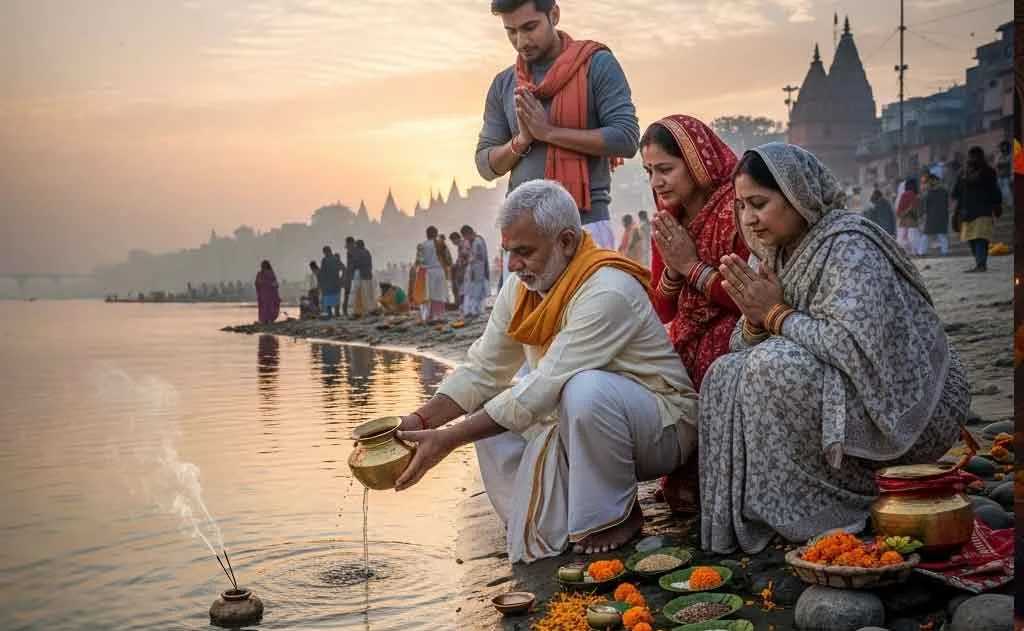
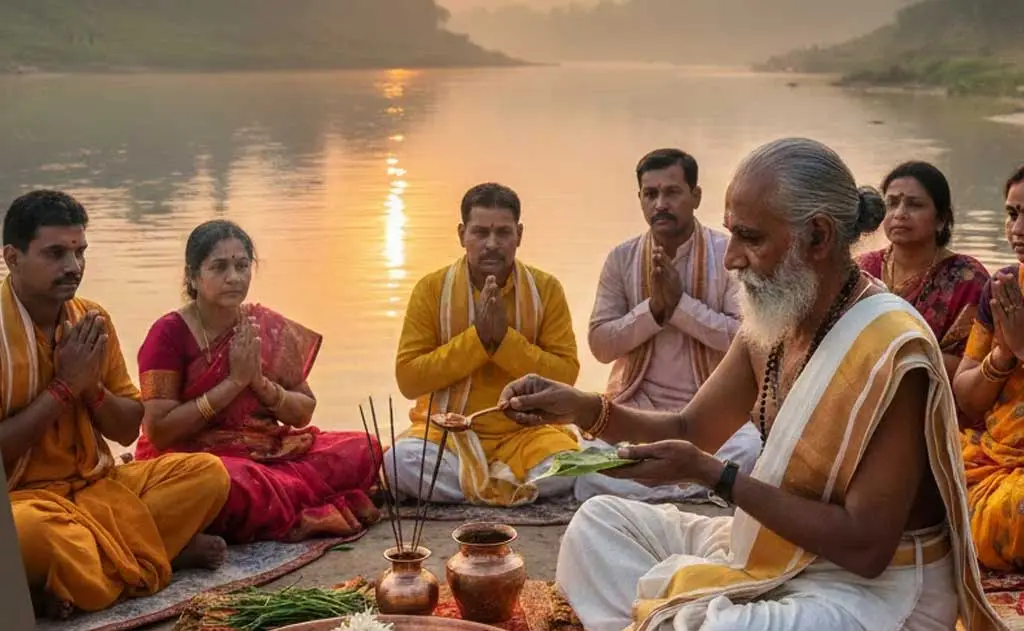
In Hindu dharma, Shraddha is a sacred mahayajna (supreme sacrifice) that honors and nourishes the Pitris (ancestors), repaying the Pitru Rina (debt to forefathers). The Garuda Purana (especially in the Pretakhanda) describes Shraddha as essential for purifying the departed soul's subtle body (preta), merging it with Pitru Loka, expiating sins, and granting immense punya (merit) to the performer. By offering food, water, and devotion, descendants ensure ancestors' peace while inviting blessings of longevity, health, wealth, progeny, valor, sovereignty, and ultimately moksha (liberation) for both.
Feeding Pitris through Shraddha equals vast spiritual merit—equivalent to feeding Brahmins and the needy—satisfying ancestors like a grand feast. Pure offerings nourish them for a year, while certain items (like specific foods) provide satisfaction for months.
Key Purposes of Shraddha as per Garuda Purana
- Purifies the preta form and unites the soul with Pitris in higher realms.
- Relieves ancestors from hunger, thirst, and suffering during their post-death journey to Yamapuri.
- Expiates sins of the departed and performer.
- Bestows worldly prosperity (health, wealth, fame, children) and spiritual elevation (heavenly residence or moksha).
- Prevents Pitru Dosha, which can cause family obstacles, unrest, or misfortunes if rites are neglected.
Main Types of Shraddha
The Garuda Purana and related texts outline several types, each suited to specific needs:
- Parvana Shraddha — The regular, full ritual performed for multiple Pitris (father, grandfather, great-grandfather, and maternal lines). It includes Vishwadeva invocation and is ideal for annual or special occasions like Pitru Paksha.
- Ekoddishta Shraddha — Focused on a single recently departed soul (e.g., during the first year after death or on the death anniversary). It omits some invocations like Vishwadeva and is simpler, often used for one person.
- Sapindikarana Shraddha — Performed on the 12th day (or end of first year, 45th day, or six months if delayed) to merge the preta into Pitru Loka. It involves mixed oblations (pindas) uniting the departed with ancestors, transitioning from preta to pitru status.
Other forms include Nitya (daily/emergency), Naimittika (occasional), and Vriddhi/Nandi (on auspicious family events like marriage).
Simplified Procedure for Performing Shraddha (from Garuda Purana)
- Preparation: Choose the auspicious Tithi (e.g., annual death anniversary or Pitru Paksha). Invite pure, learned Shrotriya Brahmins (Veda-versed). Maintain purity—observe continence, vegetarian diet.
- Setup: Seat Brahmins facing north/east. Invoke Vishwadeva (for Parvana) and Pitris with mantras like "Ayantu nah Pitara" (Come, O our fathers).
- Offerings:
- Arghya/Tarpana: Water with black sesame seeds.
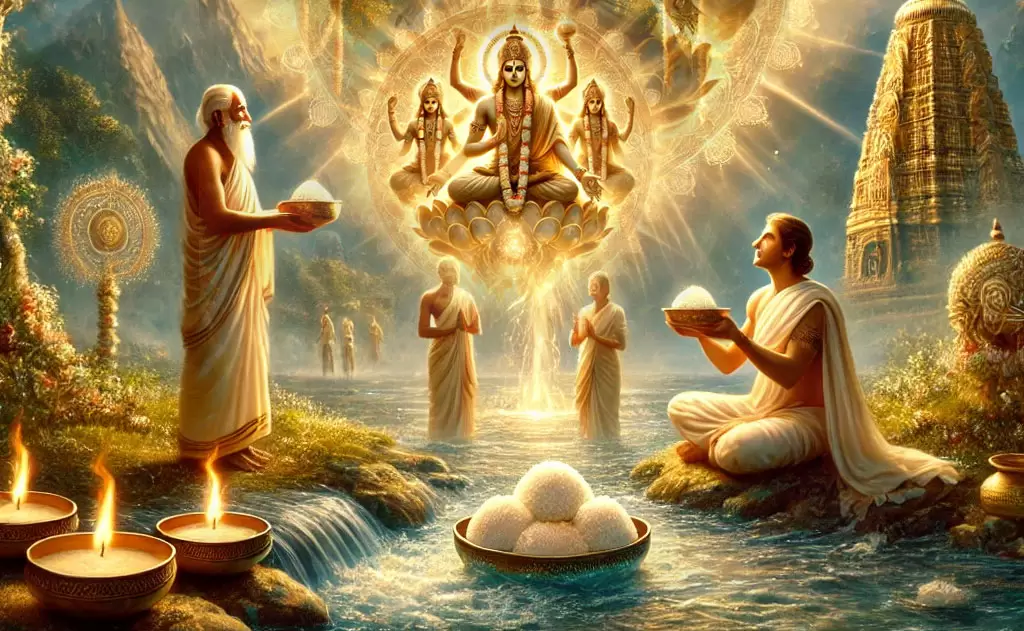
- Pinda Daan: Rice balls (pindas) mixed with ghee, sesame, etc.
- Homa: Fire offerings if possible.
- Feed Brahmins sumptuously and give dakshina (gifts).
- Mantras & Conclusion: Recite Svadha utterances, offer Achamaniya (water for sipping), and seek blessings. Conclude with circumambulation and residue consumption.
- Post-Ritual: Observe continence overnight.
Perform with full faith and devotion—Brahmins as representatives of Pitris accept offerings.
Ideal Timing for Shraddha
- Annually on the exact lunar Tithi of departure.
- During Pitru Paksha (dark fortnight of Bhadrapada/Ashvina)—daily Shraddha possible, especially vital for collective appeasement.
- At sacred tirthas like Gaya for enhanced liberation merits.
Benefits and Consequences
Proper Shraddha brings:
- Long life, good health, prosperity, progeny, and sovereignty.
- Ancestral peace and moksha path.
- Protection from doshas.
Neglect leads to Pitru suffering (preta unrest) and dosha for descendants—obstacles, family issues, or spiritual blocks.
By fulfilling Shraddha with sincerity, one honors the eternal bond with Pitris, clearing karmic debts and inviting divine grace.
For accurate dates, personalized rituals, or Pandit guidance in Hyderabad, check hindutone.com or consult local experts.
This guide is based on traditional interpretations of the Garuda Purana and allied scriptures for spiritual benefit.
Frequently Asked Questions
What is Pitru Rina and how does Shraddha repay it?
Pitru Rina is the debt to forefathers. Shraddha repays it by offering food, water and devotion to the Pitris, which nourishes them and brings their descendants blessings.
What are the main types of Shraddha?
The main types are Parvana (for several ancestors, with Vishwadeva invocation), Ekoddishta (for one recently departed soul) and Sapindikarana (merging the preta into Pitru Loka). Nitya, Naimittika and Vriddhi/Nandi forms also exist.
When should Shraddha be performed?
It is performed annually on the lunar Tithi of the person's death. It can also be done during Pitru Paksha, the dark fortnight of Bhadrapada/Ashvina, or at sacred tirthas like Gaya.
What offerings are made in Shraddha?
Devotees offer Arghya and Tarpana with water and black sesame seeds, and Pinda Daan with rice balls mixed with ghee and sesame. Homa fire offerings are added if possible, and Brahmins are fed and given dakshina.
What happens if Shraddha rites are neglected?
Neglect is said to cause Pitru suffering (preta unrest) and Pitru Dosha for descendants. This can show up as family obstacles, unrest or spiritual blocks.
Can families in Hyderabad get help performing Shraddha?
Yes. For accurate dates, personalised rituals or Pandit guidance in Hyderabad, devotees can check hindutone.com or consult local experts.
Share this with family and friends
Send it on WhatsApp, post it, or copy the link.
More from Hindutone
- What Does Sarva Mangala Mean? | Significance and Spiritual Meaning in Lalita Sahasranama
- Vat Savitri Vrat & Snana Yatra June 29 2026 – Complete Devotional Guide: Savitri’s Story, Rituals & Jagannath Significance
- Nirjala Ekadashi June 25 2026 – The King of Ekadashis: Complete Guide with Bhima’s Story, Rituals, Mantras & Benefits
- Parama Ekadashi June 11 2026 – Complete Devotional Guide: Date, Story, Rituals, Mantras & Benefits
- June 2026 Hindu Festival Calendar — Complete Dates, Vrat & Puja Guide for NRIs