Pinda Daan at Gaya: One Pinda Under Akshayavat Liberates Generations
Pinda Daan at Gaya: One Pinda Under Akshayavat Liberates Generations – The Most Powerful Ancestor Salvation Ritual According to Garuda Purana Pinda Daan in…
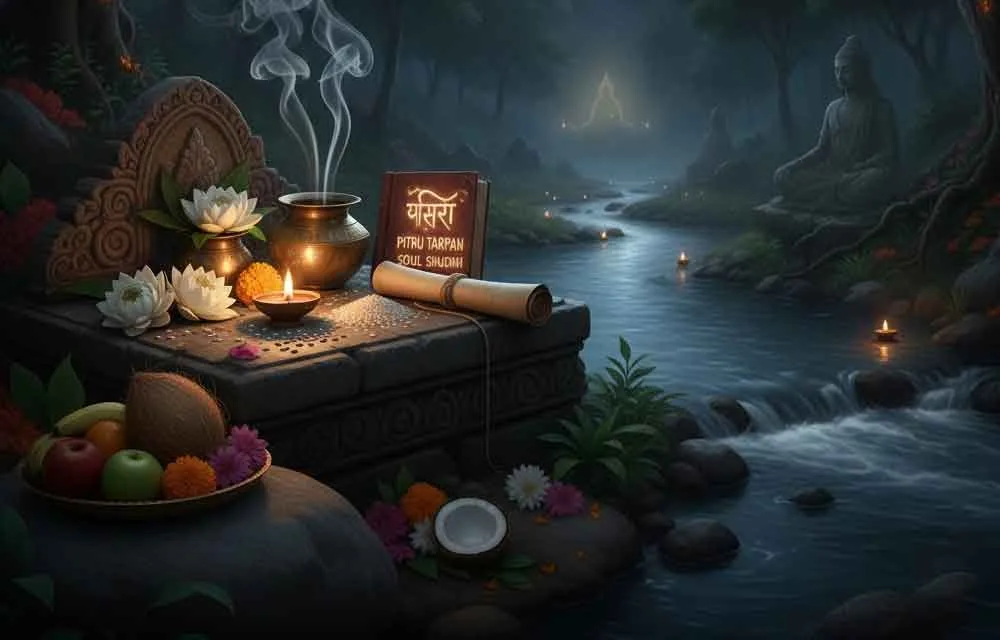
Pinda Daan at Gaya: One Pinda Under Akshayavat Liberates Generations – The Most Powerful Ancestor Salvation Ritual According to Garuda Purana
Pinda Daan in Gaya remains one of the most spiritually potent rituals in Sanatan Dharma. Among all sacred locations for ancestor worship, Gaya holds an unparalleled position as the ultimate destination for Pitru Moksha (liberation of ancestors). Within Gaya, the Akshayavat — the indestructible sacred banyan tree — is regarded as the most powerful site where even a single pinda offering can deliver liberation to multiple generations of ancestors.
In this comprehensive guide, we explore the scriptural authority, deep spiritual significance, exact procedure, ideal timings, and practical information for performing Pinda Daan at Gaya, with special emphasis on the extraordinary power of offerings made under the Akshayavat tree as described in the Garuda Purana and related texts.
Why Pinda Daan is Considered Essential in Hindu Tradition
According to the Garuda Purana, Vishnu Purana, and various Dharma Shastras, every human being is born with three primary debts (Rina):
- Pitru Rina – debt to ancestors
- Deva Rina – debt to the gods
- Rishi Rina – debt to the sages
Among these, Pitru Rina is considered the most binding and difficult to repay. Until this debt is discharged through proper Shraddha and Pinda Daan, the soul of the departed remains in the Preta state — neither fully liberated nor able to move to higher realms.
When Pinda Daan is performed correctly, especially at powerful tirthas, it:
- Nourishes the subtle body of the departed
- Helps the preta transform into a pitru (ancestor)
- Enables the ancestor to attain higher lokas or complete moksha
- Removes Pitru Dosha from the family lineage
- Brings blessings of health, wealth, progeny, harmony, and spiritual progress to descendants
The Garuda Purana repeatedly states that the merit obtained from Pinda Daan performed at sacred places far exceeds ordinary shraddha done at home.
Gaya – The Supreme Tirtha for Pitru Karya
Among all pilgrimage sites mentioned in the Puranas for ancestor rites, Gaya in Bihar is repeatedly declared the most efficacious. The city is also known as Gayasura Kshetra, named after the powerful demon Gayasura whose body was transformed into sacred spots after he was subdued by Lord Vishnu.
Important scriptural statements about Gaya:
- Garuda Purana states that performing Pinda Daan in Gaya grants moksha to ancestors up to the 14th generation.
- The Vishnu Purana declares that the entire city of Gaya is permeated with divine energy, making every offering here millions of times more powerful.
- Lord Vishnu himself is believed to reside in Gaya in the form of Vishnupada (the sacred footprint in the Vishnupad Temple).
- The Padma Purana and Agni Purana also glorify Gaya as the place where even the most sinful souls can attain liberation through proper shraddha.
Because of this extraordinary sanctity, millions of devotees visit Gaya every year, especially during Pitru Paksha, to perform Pinda Daan and other Pitru Karya.
The Legendary Power of Akshayavat – One Pinda for Generations
While Gaya has 54 sacred vedis (platforms/altars) where pinda offerings are made, the Akshayavat tree stands supreme among them all.
Scriptural & Traditional Significance of Akshayavat
- Akshaya literally means “indestructible” or “eternal.”
- The massive banyan tree is considered akshaya — never decaying, never dying, eternally alive.
- According to tradition, Mother Sita during her exile marked this tree as her witness (Sita Sakshi), blessing it with immortality.
- Many traditions hold that Lord Rama himself performed Pinda Daan for King Dasharatha under this very tree.
- The Garuda Purana (Pretakhanda) mentions that offerings made under the banyan tree on certain days of the ritual sequence carry exceptional potency.
- Local tradition and experienced Gayawal pandits assert that one single pinda offered with full faith under the Akshayavat can liberate seven, ten, or even multiple generations of ancestors.
This belief has made the Akshayavat the culminating point of almost every Pinda Daan yatra in Gaya. Devotees typically perform offerings at various vedis and temples throughout the day and conclude the most important pinda at Akshayavat.
Types of Pinda Daan Performed in Gaya
Pilgrims choose different durations and intensities depending on their family tradition, time availability, and spiritual aspiration:
Regardless of duration, almost every yatra ends with final pinda under the Akshayavat.
Step-by-Step Procedure of Pinda Daan in Gaya
Most devotees engage a Gayawal Pandit (hereditary priests of Gaya) who guide the entire process. A typical one-day or three-day sequence includes:
- Sankalpa Declaration of intention, mentioning gotra, names of ancestors (pitrus), and purpose of the ritual.
- Snana at Phalgu River Purificatory bath in the sacred (though often dry) Phalgu River.
- Tarpana Offering of water mixed with black sesame, kusha grass, and barley to three generations of ancestors.
- Pinda Preparation & Offering
- Preparation of pindas using boiled rice, barley flour, ghee, honey, black sesame, etc.
- Offering at various vedis with specific mantras.
- At Akshayavat, many families use special ingredients (khoya, kheer, sugar, milk products) along with regular pinda.
- Feeding of Brahmins Offering food to qualified Brahmins who represent the pitrus.
- Dakshina & Samarpana Giving dakshina (monetary offering) and concluding with svadha mantras.
- Final Pinda at Akshayavat This is usually performed last. Many devotees tie red or yellow threads on the tree after making the offering.
Most Auspicious Times for Pinda Daan in Gaya
While Pinda Daan can be performed any time of the year, certain periods carry exceptional power:
- Pitru Paksha (Mahalaya Paksha) – The 16-day period in Bhadrapada/Ashwin Krishna Paksha
- Sarvapitri Amavasya – The new moon day that concludes Pitru Paksha
- Death Anniversary (Tithi) of the departed
- Amavasya every month
- Panchami, Ashtami, Ekadashi, and Trayodashi tithis
During Pitru Paksha, lakhs of people visit Gaya, making it extremely crowded. Advance planning and pandit booking are highly recommended.
Major Sacred Sites for Pinda Daan in Gaya
Benefits of Performing Pinda Daan Under Akshayavat
Scriptures and living traditions promise the following results:
- Ancestors (up to many generations) attain moksha or residence in higher lokas
- Complete removal or drastic reduction of Pitru Dosha
- Freedom from obstacles in marriage, childbirth, career, and education
- Long life, good health, and prosperity for descendants
- Purification of family karma
- Eternal spiritual merit that continues to benefit the lineage
The Garuda Purana emphasizes that offerings made at supremely sacred sites like Gaya — and especially under an akshaya (eternal) tree — continue to nourish pitrus indefinitely.
Practical Guide for Your Gaya Yatra
- Best season: October–March (avoid extreme summer heat)
- Travel: Gaya Airport (direct flights from major cities), Gaya Junction railway station
- Stay: Hotels and dharmashalas near Vishnupad Temple and Akshayavat
- Pandit fees (approximate 2025–2026 rates) – 1-day: ₹5,000 – ₹9,000 – 3-day: ₹15,000 – ₹28,000 – 7-day & above: ₹35,000+
- Additional expenses: Accommodation, food, travel, donations
- Important: Always engage a registered Gayawal pandit. Avoid middlemen.
Final Words – The Eternal Promise of Akshayavat
The Garuda Purana teaches that our ancestors are not gone — they exist in subtle form and continue to watch over us. When we offer pinda with devotion, especially under the eternal shade of Akshayavat, we repay an ancient debt and simultaneously invite divine grace into our lives and lineage.
If you are planning to perform Pinda Daan in Gaya, let the Akshayavat be your final destination. One sincere offering here has the power to change generations — past, present, and future.
Om Shanti Shanti Shanti Pitru Devatabhyo Namah
Frequently Asked Questions
Why is the Akshayavat tree so important in Gaya Pinda Daan?
Akshayavat is the indestructible banyan tree that Sita, as commonly told, marked as her witness during exile. Tradition holds that a single pinda offered here with faith can liberate several generations of ancestors, so most yatras end with the final pinda under it.
What is the step-by-step procedure for Pinda Daan at Gaya?
A Gayawal pandit guides the sequence: sankalpa naming gotra and ancestors, a bath in the Phalgu River, tarpana with water, black sesame, kusha and barley, then pinda offerings at various vedis. It continues with feeding Brahmins, dakshina with svadha mantras, and the final pinda at Akshayavat.
When is the best time to perform Pinda Daan in Gaya?
It can be done any time of year, but Pitru Paksha, Sarvapitri Amavasya, the death anniversary tithi and monthly Amavasya are especially powerful. For comfortable travel, October to March is the best season, since summer is extremely hot.
How much does a Pinda Daan pandit cost at Gaya?
Approximate rates given are ₹5,000 to ₹9,000 for a 1-day ritual, ₹15,000 to ₹28,000 for 3 days, and ₹35,000 or more for 7 days and above. Travel, stay, food and donations are extra, and it is advised to hire a registered Gayawal pandit and avoid middlemen.
What ingredients are used to make pindas for Gaya Pinda Daan?
Pindas are prepared from boiled rice, barley flour, ghee, honey and black sesame. At Akshayavat, many families also add khoya, kheer, sugar and other milk products.
Which ancestors benefit from Pinda Daan at Gaya?
The Garuda Purana is cited as saying that Pinda Daan at Gaya grants moksha to ancestors up to the 14th generation. The ritual is also believed to help a preta become a pitru and to remove Pitru Dosha from the lineage.
Share this with family and friends
Send it on WhatsApp, post it, or copy the link.
More from Hindutone
- What Does Sarva Mangala Mean? | Significance and Spiritual Meaning in Lalita Sahasranama
- Vat Savitri Vrat & Snana Yatra June 29 2026 – Complete Devotional Guide: Savitri’s Story, Rituals & Jagannath Significance
- Nirjala Ekadashi June 25 2026 – The King of Ekadashis: Complete Guide with Bhima’s Story, Rituals, Mantras & Benefits
- Parama Ekadashi June 11 2026 – Complete Devotional Guide: Date, Story, Rituals, Mantras & Benefits
- June 2026 Hindu Festival Calendar — Complete Dates, Vrat & Puja Guide for NRIs
You might also like
Akshaya Tritiya 2026 in India – Date, City-Wise Puja Muhurat, Timings & Rituals | Complete Guide
Akshaya Tritiya – The Eternal Promise of Prosperity and Success
Akshaya Tritiya 2026 in the USA: Date, Significance, Puja Vidhi, Gold Buying & Eternal Prosperity Guide for Hindus