Swami Shraddhanand: A Saint Who Revived Hindu Pride
Swami Shraddhanand (originally named Munshi Ram Vij), born on February 22, 1856, in Talwan, Punjab, was a prominent Indian freedom fighter, social reformer,…
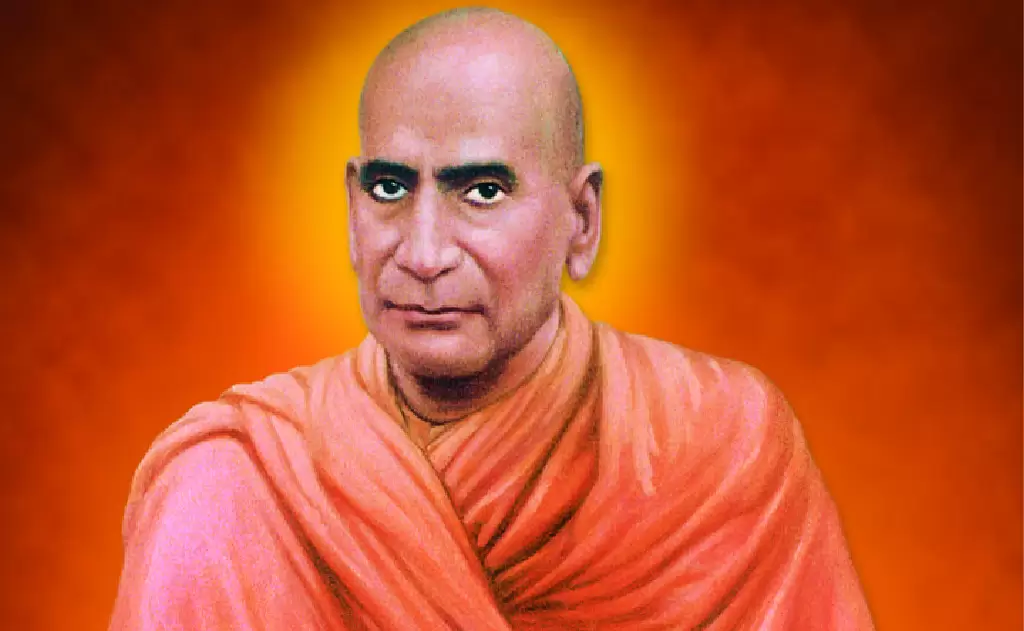
Swami Shraddhanand (originally named Munshi Ram Vij), born on February 22, 1856, in Talwan, Punjab, was a prominent Indian freedom fighter, social reformer, and religious leader. As a disciple of Swami Dayanand Saraswati, he played a key role in the Arya Samaj movement and worked tirelessly to reform and consolidate Hindu society. His life and contributions stand as a beacon of courage, sacrifice, and unwavering commitment to his faith.
Early Life and Transformation
Munshi Ram Vij was born into a well-off family. Initially, he lived a life of indulgence and materialism. However, after encountering the teachings of Swami Dayanand Saraswati and the Arya Samaj, his perspective on life changed drastically. Inspired by the principles of Vedic Dharma, Munshi Ram took sannyasa (renunciation) and became Swami Shraddhanand.
Contributions to Hindu Society
- Educational Reform
Swami Shraddhanand believed education was the foundation for the revival of Hindu society.
He founded the Gurukul Kangri University in Haridwar in 1902. This institution aimed to impart traditional Vedic education alongside modern subjects, fostering a sense of pride in Hindu culture. The Gurukul system promoted discipline, simplicity, and spirituality, drawing inspiration from the ancient Indian model of education.
- Social Reforms
Swami Shraddhanand was a staunch advocate of social equality within Hindu society. He opposed caste discrimination and worked tirelessly to bring marginalized communities into the Hindu fold. He supported widow remarriage, women’s education, and eradication of untouchability, embodying the progressive ideals of the Arya Samaj.
- Shuddhi Movement
The Shuddhi Movement, spearheaded by Swami Shraddhanand, aimed to reconvert Hindus who had converted to Islam or Christianity. Through Shuddhi, he sought to strengthen Hindu society by welcoming back those who had been alienated, while also instilling a sense of pride in their cultural and spiritual heritage. The movement faced staunch opposition from certain religious groups but won widespread support among Hindus.
- Advocacy for Unity
Swami Shraddhanand believed that a united Hindu society was essential for India’s freedom and prosperity.
He worked to organize Hindu Sangathans (unions) to promote solidarity among Hindus. He emphasized the importance of preserving Vedic traditions and promoting dharma in daily life.
- Role in the Indian Freedom Struggle
Swami Shraddhanand actively participated in the freedom movement, collaborating with leaders like Mahatma Gandhi. During the Non-Cooperation Movement, he encouraged people to boycott British institutions and embrace Swadeshi. He was a fierce critic of British policies that marginalized Indian culture and religion.
Assassination and Martyrdom
Swami Shraddhanand’s bold efforts to stop conversions and consolidate Hindu society made him a target of religious extremists. On December 23, 1926, he was assassinated by Abdul Rashid, an Islamic radical. His martyrdom underscored the resistance he faced for his fearless advocacy of Hinduism and social reforms.
Legacy of Swami Shraddhanand
Revival of Hindu Pride Swami Shraddhanand’s work revitalized Hindu society, fostering unity and pride in cultural and spiritual traditions.
Inspiration for Generations His efforts in education, reform, and reconversion continue to inspire leaders and organizations working for Hindu upliftment.
Commemoration His contributions are honored across India, particularly by the Arya Samaj, which celebrates his life and teachings.
Message of Courage and Dedication Swami Shraddhanand’s unwavering commitment to Hindu unity and fearlessness in the face of opposition serve as a reminder of the resilience needed to uphold dharma.
Conclusion
Swami Shraddhanand was a visionary leader whose life was dedicated to the service of Hindu society and the Indian nation. His work in education, social reform, and religious revival remains a cornerstone of modern Hindu movements. As a martyr for his faith, Swami Shraddhanand's legacy continues to inspire Hindus worldwide to stand united and preserve their rich cultural and spiritual heritage.
Frequently Asked Questions
Who was Swami Shraddhanand?
Swami Shraddhanand, originally Munshi Ram Vij, was born on February 22, 1856, in Talwan, Punjab. He was a freedom fighter, social reformer and Arya Samaj leader, and a disciple of Swami Dayanand Saraswati.
What institution did Swami Shraddhanand found?
He founded the Gurukul Kangri University in Haridwar in 1902. It offered traditional Vedic education alongside modern subjects, based on the ancient Indian model of education.
What was the Shuddhi Movement?
Spearheaded by Swami Shraddhanand, the Shuddhi Movement aimed to reconvert Hindus who had converted to Islam or Christianity. It faced opposition from certain religious groups but won wide support among Hindus.
What social reforms did Swami Shraddhanand support?
He opposed caste discrimination, supported widow remarriage and women's education, and worked to end untouchability, bringing marginalized communities into the Hindu fold in line with Arya Samaj ideals.
How did Swami Shraddhanand take part in the freedom struggle?
He collaborated with leaders like Mahatma Gandhi. During the Non-Cooperation Movement he urged people to boycott British institutions and embrace Swadeshi.
When and how did Swami Shraddhanand die?
He was assassinated on December 23, 1926, by Abdul Rashid. His martyrdom is remembered as the price of his fearless advocacy of Hinduism and social reform.
Share this with family and friends
Send it on WhatsApp, post it, or copy the link.
More from Hinduism
- AI and the Sanskrit Revival in 2026: Language Models, Manuscript OCR, Translation Tools and What AI Still Gets Wrong
- Can a Robot Perform Puja? Robot Aarti, AI in Rituals and What Hindu Tradition Says
- GitaGPT and AI Bhagavad Gita Chatbots: How Accurate Are They, and What Does Hindu Tradition Say?
- Robotic Elephants and AI in Hindu Temples: Kerala's Mechanical Tuskers, Tirumala's AI Command Centre and the Debate
- Quantum Computing Explained for Hindus: Qubits, Superposition and Entanglement, with Vedanta Analogies (Not Equivalences)
You might also like

A Guide to the Newly Expanded Swaminarayan Akshardham in Robbinsville, NJ: What to Expect
Swami Sarvapriyananda: The Voice of Vedanta in the Modern World – A Devotional Narration of His Illuminating Life, Profound Teachings, and Living Legacy
Swami Vivekananda Biography: Life & Teachings