Pushpa 2: The Rule and Tirupati Ganga Jathara:
The connection between Tirupati Ganga Jathara and the success of Pushpa 2: The Rule can be attributed to the cultural synergy, audience sentiment, and the…
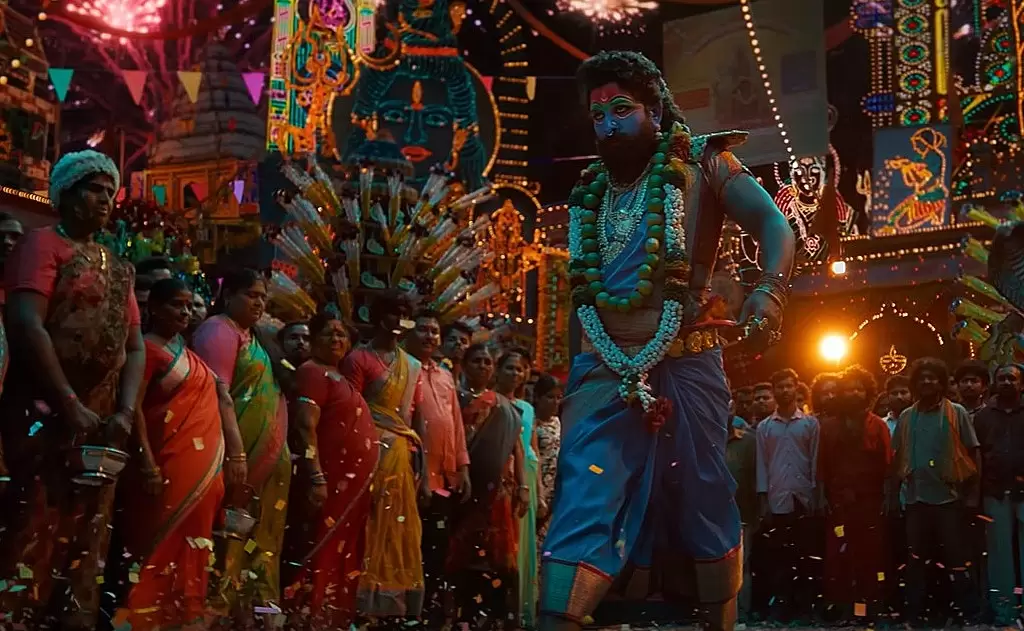
The connection between Tirupati Ganga Jathara and the success of Pushpa 2: The Rule can be attributed to the cultural synergy, audience sentiment, and the shared celebratory atmosphere that both events create. Here’s how the festival contributed to the movie’s success:
- Boost in Regional Pride and Cultural Connection Tirupati Ganga Jathara is a symbol of tradition, devotion, and regional pride. Similarly, Pushpa 2: The Rule celebrates the rugged charm of rural India, depicting characters and settings that resonate deeply with local audiences. The timing of the film's release around such a grand festival amplifies this cultural connection, fostering a sense of shared pride and emotional engagement.
- A Festival-Driven Box Office Surge Festivals like Ganga Jathara see a massive influx of devotees and tourists in Tirupati and neighboring regions. The celebratory mood naturally extends to entertainment consumption. With Pushpa 2 capturing the audience's imagination, the festival-goers contributed significantly to the movie's massive box office collections, attending shows in large numbers and spreading positive word-of-mouth.
- Amplified Community Celebrations The larger-than-life persona of Allu Arjun and the grandeur of Pushpa 2 struck a chord with audiences who were already in a festive mood due to Ganga Jathara. The film's power-packed dialogues and action scenes became a part of local festivities, with fans incorporating Pushpa themes into dances, performances, and community gatherings, further fueling its popularity.
- Leveraging Devotion and Entertainment Many devotees who visit Tirupati during Ganga Jathara are ardent cinema fans. The confluence of devotional fervor and love for cinema created a unique opportunity for Pushpa 2 to reach a wider audience. Promotional campaigns in the temple town and nearby areas during the festival tapped into this sentiment, drawing audiences to theaters.
- Social Media and Fan Frenzy The festival brought people together in large numbers, where fan communities of Pushpa 2 actively promoted the movie with cultural tie-ins. Social media was flooded with visuals of fans dressed as Pushpa Raj attending Ganga Jathara, creating a buzz that amplified the movie's visibility across India and beyond.
In essence, the timing of Tirupati Ganga Jathara and the release of Pushpa 2: The Rule created a perfect synergy between cultural festivity and cinematic spectacle, ensuring a mutually beneficial success story for both the festival and the movie.
Tirupati Ganga Jathara – A Grand Celebration of Tradition The Ganga Jathara in Tirupati is a vibrant and deeply spiritual festival that celebrates the rich cultural heritage of the region. Held annually, this grand event attracts thousands of devotees and tourists, making it a significant occasion in the temple town of Tirupati.
The Jathara honors Goddess Gangamma, the local guardian deity, with elaborate rituals, processions, and folk performances. The highlight of the festival is the "Gangamma Panduga," where devotees offer prayers, participate in traditional dances, and observe age-old customs.
A unique aspect of the Ganga Jathara is the devotees' practice of wearing different disguises and costumes, symbolizing their surrender to the goddess and their wish to shed evil and embrace good. The streets of Tirupati come alive with vibrant colors, music, and an atmosphere of devotion during this time.
Visit Tirupati during the Ganga Jathara to experience the confluence of spirituality, culture, and festivity.
What exactly is Tirupati Ganga Jathara and why does it hold such sacred importance?
Tirupati Ganga Jathara is a vibrant folk festival celebrated primarily by the communities of the Tirupati region in Andhra Pradesh, centred on the worship of Ganga Devi, the sacred river goddess who is venerated as both a purifying force and a mother deity in the Shaiva and Shakta traditions. The festival draws its spiritual authority from the Skanda Purana and Devi Bhagavata Purana, both of which describe Ganga as descending from the matted locks of Lord Shiva — a divine act known as Gangavatara — and therefore carrying the power to dissolve accumulated sins and grant moksha.
During Jathara, devotees carry decorated pots of water called Ganga Kalashas on their heads, walking barefoot in a procession that can stretch for several kilometres through the streets of Tirupati. This act of carrying the Kalasha is understood as an embodiment of devotion — the body becoming a moving temple. The festival coincides with a period when the spiritual energy of the Tirumala hills is considered especially heightened, adding another layer of sanctity for the thousands who converge on the temple town.
How does the geography of Tirupati amplify the meeting point of devotion and popular culture?
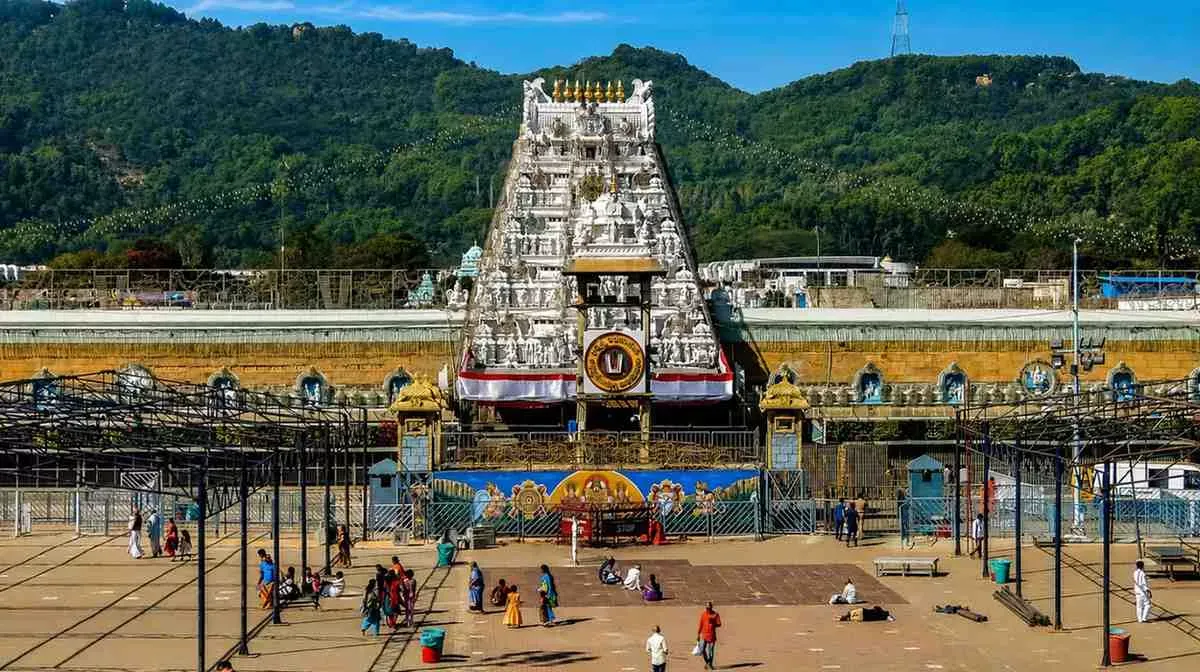
Tirupati is home to the Tirumala Venkateswara Temple, one of the most visited pilgrimage sites in the world, dedicated to Lord Venkateswara — a form of Vishnu also known as Balaji or Srinivasa. The Agama Shastra governing the temple's rituals describes Tirumala as a Divya Kshetra, a place where the boundary between the earthly and the divine is considered thin, making any auspicious activity undertaken here especially potent in the minds of the faithful.
Because Tirupati functions as a convergence point for pilgrims from across Andhra Pradesh, Telangana, Tamil Nadu, and Karnataka, the city naturally becomes a melting pot of regional cultures and demographics during festivals like Ganga Jathara. Multiplexes and single-screen theatres in Tirupati and surrounding towns such as Chittoor and Srikalahasti see dramatically elevated footfall during such periods, as pilgrims extend their stay and seek communal entertainment. This geographic and demographic reality directly translated into substantial box-office numbers for Pushpa 2: The Rule.
What is the scriptural and mythological background connecting river goddess worship to communal celebration?
The reverence for Ganga as a goddess is deeply encoded in the Rigveda, where sacred rivers are addressed as divine mothers in the Nadistuti hymn (Rigveda 10.75). The Mahabharata's Vana Parva elaborates extensively on Ganga's role as a tirtha-shakti — a power residing in sacred crossing points — and makes clear that pilgrimage to such tirtha-kshetras earns merit equivalent to performing major yajnas.
Folk festivals like Jathara represent the grassroots expression of this scriptural tradition. The word 'Jathara' itself derives from Sanskrit, relating to the womb or the centre — symbolising the festival as a nurturing, community-centred event. Historically, Jatharas in the Telugu-speaking regions served as occasions where inter-village communities resolved disputes, arranged marriages, and celebrated shared harvests, giving them a social function that extended far beyond purely religious observance. It is this deeply communal DNA of the Jathara tradition that creates a natural overlap with the mass, communal experience of watching a blockbuster film.
How does the archetype of a forest rebel in Pushpa 2 resonate with rural Telugu devotional culture?
The character of Pushpa Raj, the red sandalwood smuggler at the centre of Pushpa 2: The Rule, draws on the archetype of the vana-purusha — the forest-born man who operates outside mainstream society yet commands fierce loyalty. This archetype has deep roots in Telugu folklore and is reflected in the worship of village deities like Mallanna (Komuravelli), Bhramaramba, and other gramadevatas whose myths celebrate those who challenge established hierarchies in service of a higher, instinctual justice.
For audiences who have just participated in Ganga Jathara — a festival that itself celebrates the power of the untamed, free-flowing river — the narrative of a man who refuses to bow resonates on an almost mythic level. Dialogues from the film, particularly those invoking the forest ('aduvi') as a place of power and identity, found immediate cultural traction among viewers already primed by the festival's themes of nature-worship and defiant devotion.
What role do temple towns play as hubs for film promotion and mass entertainment in South India?
Temple towns in South India have historically served as centres not only of worship but of commerce, art, and performance. Classical forms like Kuchipudi dance and Harikatha storytelling were originally performed in temple courtyards, making entertainment and devotion functionally inseparable in this cultural context. This tradition means that a major film release is not perceived as a distraction from festival participation but as a natural extension of the celebratory environment.
Film production teams promoting large-budget releases like Pushpa 2: The Rule routinely time their campaigns around major temple festivals precisely because the infrastructure of devotion — large crowds, shared emotional intensity, media concentration — doubles as the infrastructure of mass entertainment marketing. Banners, cutouts, and promotional events placed near high-footfall pilgrimage routes in Tirupati during Ganga Jathara reached audiences who were already in a heightened emotional and social state, dramatically improving the effectiveness of word-of-mouth promotion.
The phenomenon also works in reverse: the success of a major film during a festival period reflects positively on the festival itself, drawing national media attention to Tirupati Ganga Jathara and elevating its profile beyond the immediate region. This symbiotic relationship between sacred celebration and popular culture is not incidental — it is a structural feature of how devotional life and entertainment have always intersected in the Telugu cultural landscape.
Frequently Asked Questions
What is Tirupati Ganga Jathara?
A folk festival of the Tirupati region in Andhra Pradesh, centred on the worship of Ganga Devi. Devotees carry decorated water pots called Ganga Kalashas on their heads and walk barefoot in procession through the streets.
Why did Ganga Jathara help the box office of Pushpa 2: The Rule?
Pilgrims from Andhra Pradesh, Telangana, Tamil Nadu and Karnataka gather in Tirupati and extend their stay, so theatres in Tirupati, Chittoor and Srikalahasti see higher footfall. The festive mood and fan promotions added to this.
Whom does the Jathara honour, and what are the main customs?
It honours Goddess Gangamma, the local guardian deity, with rituals, processions and folk performances. Devotees also wear disguises and costumes, symbolising surrender to the goddess and the wish to shed evil.
How does the Pushpa Raj character connect with Telugu devotional culture?
Pushpa Raj, the red sandalwood smuggler, resembles the vana-purusha, the forest-born man outside mainstream society who commands fierce loyalty. This archetype echoes folklore around village deities such as Mallanna of Komuravelli.
Why do temple towns work well for film promotion in South India?
Temple towns have long been centres of worship, commerce and performance, with Kuchipudi and Harikatha first performed in temple courtyards. Large crowds and shared emotion during festivals make them natural spots for campaigns.
Share this with family and friends
Send it on WhatsApp, post it, or copy the link.
More from Hinduism
- AI and the Sanskrit Revival in 2026: Language Models, Manuscript OCR, Translation Tools and What AI Still Gets Wrong
- Can a Robot Perform Puja? Robot Aarti, AI in Rituals and What Hindu Tradition Says
- GitaGPT and AI Bhagavad Gita Chatbots: How Accurate Are They, and What Does Hindu Tradition Say?
- Robotic Elephants and AI in Hindu Temples: Kerala's Mechanical Tuskers, Tirumala's AI Command Centre and the Debate
- Quantum Computing Explained for Hindus: Qubits, Superposition and Entanglement, with Vedanta Analogies (Not Equivalences)
You might also like
Tirumala Tirupati TTD — Complete Guide for NRIs (Darshan, Seva, Accommodation)
Anant Ambani Donates 25 Electric Buses to Tirumala TTD | ₹27.5 Crore Mahā Kānuka
Vishnu's Ten Avatars and the One Question Every NRI Child Eventually Asks