
Kartika Month in Odisha 2026: Habisha Brata, Kartika Snana, Akasha Deepa, Panchuka and Boita Bandana
How Odisha keeps the holy month of Kartika in 2026: the Habisha brata of elderly women and widows at Puri, the dawn Kartika snana, the Akasha deepa lamp, Panchuka (Bhishma Panchak) from Friday 20 to Tuesday 24 November, and Rasa Purnima with Boita Bandana on Tuesday 24 November 2026, plus Lingaraja and Puri Jagannath customs.
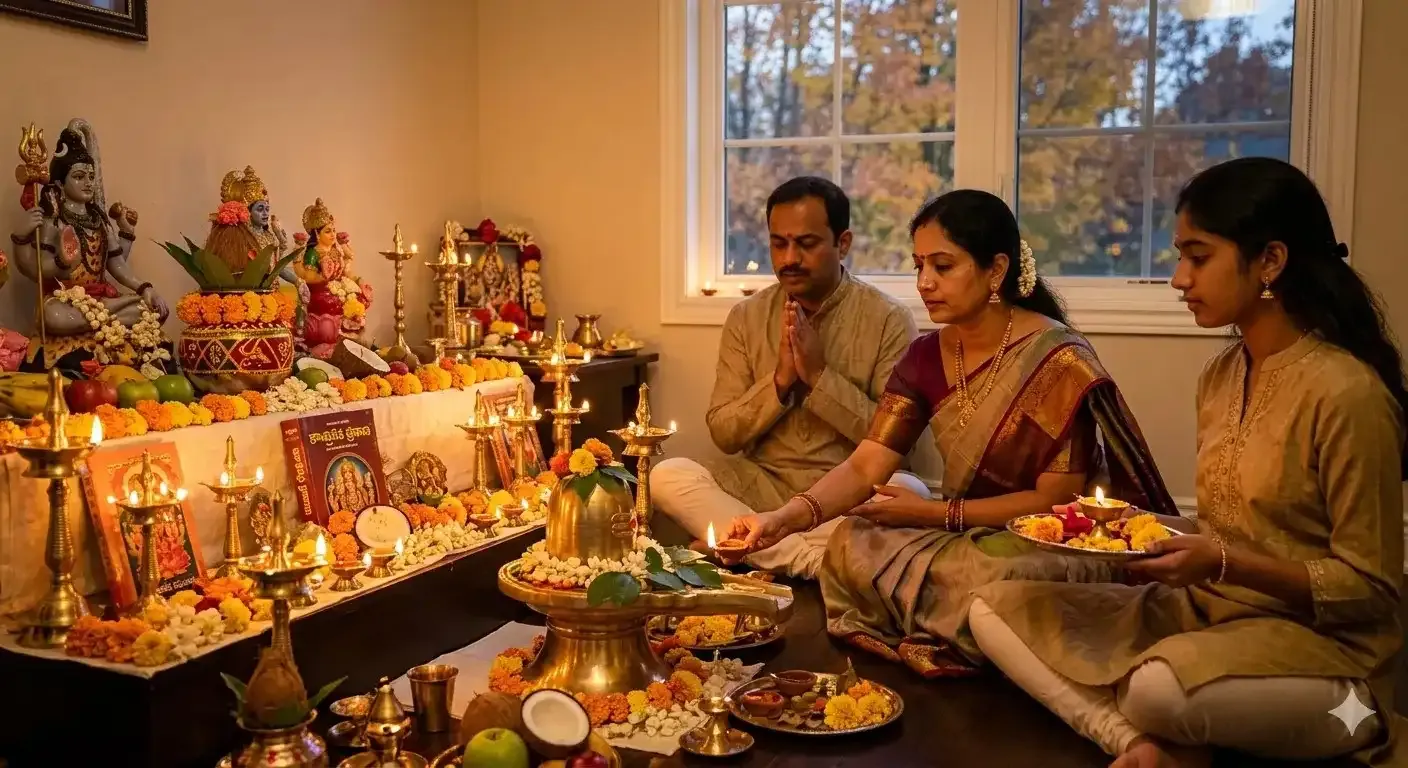
How Odisha keeps the holy month of Kartika in 2026: the Habisha brata of elderly women and widows at Puri, the dawn Kartika snana, the Akasha deepa lamp, Panchuka (Bhishma Panchak) from Friday 20 to Tuesday 24 November, and Rasa Purnima with Boita Bandana on Tuesday 24 November 2026, plus Lingaraja and Puri Jagannath customs.
Quick answer: The Kartika month in Odisha is the holiest month of the Odia year. Elderly women and widows keep the Habisha brata, eating one simple meal a day, many of them at Puri. Families take a dawn bath (Kartika snana), hang an Akasha deepa lamp in the evening and avoid non-vegetarian food. In 2026, Panchuka (Bhishma Panchak) runs from Friday 20 to Tuesday 24 November, and the month ends with Rasa Purnima and Boita Bandana on Kartika Purnima, Tuesday 24 November 2026 (dates per Drik Panchang, New Delhi).
This guide has been restored at its original hindutone.com address. It describes Kartika customs in Odisha as they are commonly practised. Customs differ from family to family and village to village, so please follow your elders and your Odia panjika.
Kartika 2026 in Odisha: key dates
Odisha follows the purnimanta month for Kartika, so the brata ends on Kartika Purnima. The table uses Drik Panchang dates for New Delhi. Odia panjikas and times for Bhubaneswar, Puri or Cuttack can differ slightly.
| Observance | Date (2026) | Note |
|---|---|---|
| Kumar Purnima (Sharad Purnima) | Sun 25 Oct | Some Odia panjikas may list Mon 26 Oct; the Kartika brata begins around this time |
| Deepavali and Kali Puja | Sun 8 Nov | Badabadua daka, the call to the ancestors, is part of the Odia Diwali evening |
| Devutthana (Prabodhini) Ekadashi | Fri 20 Nov | Smarta date; Vaishnava date is Sat 21 Nov |
| Panchuka (Bhishma Panchak) begins | Fri 20 Nov | Last five days of Kartika |
| Rasa Purnima, Kartika Purnima, Boita Bandana | Tue 24 Nov | Purnima tithi ends 8:23 PM IST (New Delhi) |
Habisha brata: the month-long vow
The Habisha brata is the best-known Kartika custom of Odisha. Traditionally it was kept by widows, and today many elderly women, and some younger women and men, also keep it. The women who keep it are called Habishyali. Many travel to Puri and stay near the Jagannath temple for the whole month, while others keep the brata at home.
As it is commonly practised, the Habishyali:
- bathes before sunrise, in the sea, a river or a temple tank, or at home;
- worships Lord Jagannath, Lord Damodara (Krishna) and the tulasi plant, and listens to the Kartika Purana and stories of Krishna;
- eats only one meal a day, the habisha anna, which she cooks herself;
- avoids onion, garlic, non-vegetarian food, certain lentils and many spices;
- sleeps simply and spends the day in prayer, singing and seva.
The habisha meal is usually sun-dried rice (arua chaula) with moong dal, ghee and a small number of permitted vegetables, such as raw banana, taro and some local greens. Exact lists differ between families, so learn the rules from an elder who keeps the brata. In Puri, groups of Habishyali are a familiar sight in Kartika, and many local families and institutions help them during the month.
Health note: a month of one meal a day is demanding. Elders, diabetics, pregnant women and anyone on regular medicine should consult a doctor before starting, and may keep a lighter version. Drink enough water and stop if you feel unwell.
Kartika snana and Akasha deepa
Kartika snana is the early-morning bath taken every day of the month. In Odisha, devotees bathe in rivers such as the Mahanadi, in the sea at Puri, or in sacred tanks like Bindusagar in Bhubaneswar. After the bath they offer water to the Sun and worship tulasi. For the wider meaning of the holy bath and lamp, see our guide to Karthika Snanam and Deepa Daanam 2026.
Akasha deepa, the "sky lamp", is a lamp raised high on a bamboo pole or hung from the top of the house or a temple during Kartika. It is lit every evening of the month. Many families believe it guides the ancestors and honours Lord Vishnu. Small clay lamps are also lit near the tulasi chaura, the raised tulasi platform in the courtyard.
Panchuka: the last five days
Panchuka, also known as Bhishma Panchak, is the final five days of Kartika, from Ekadashi to Purnima. In 2026, Drik Panchang lists it from Friday 20 November to Tuesday 24 November.
Panchuka is when almost all of Odisha becomes vegetarian. Many families who do not keep the full Habisha brata still give up fish, meat and eggs for these five days. Markets are quieter, and fish sales drop. Devotees take Kartika snana, light lamps and visit temples every day. As it is commonly told, Bhishma, the grandsire of the Mahabharata, observed a special vow in these five days while lying on his bed of arrows, which gives the period its name.
At the Puri Jagannath temple, the deities are dressed in special beshas (attires) during Panchuka, and the Raja Rajeswara Besha on Kartika Purnima is widely known. The exact sequence of beshas follows the temple's own calendar; check the Shree Jagannath Temple Administration's official announcements.
Rasa Purnima and Boita Bandana
Kartika Purnima is called Rasa Purnima in Odisha, recalling Krishna's Rasa Lila. Drik Panchang lists it on Tuesday 24 November 2026, with Purnima tithi ending at 8:23 PM IST in New Delhi. Habishyali end their month-long vow on this day.
Boita Bandana is the most joyful Kartika Purnima custom of Odisha. Before dawn, people gather at rivers, ponds and the sea and float small boats (boita) made of banana stem bark, paper or cork, each holding a lamp, betel leaf and flowers. The custom remembers the Sadhabas, the sea traders of ancient Kalinga, who set sail in this season for lands such as Bali, Java and Sumatra. As the boats are floated, people sing the old rhyme that begins "Aa ka ma bai".
In Cuttack, the great Bali Jatra fair begins on Kartika Purnima on the bank of the Mahanadi and continues for several days. Check the official announcements for the 2026 fair schedule.
Lingaraja and Puri Jagannath in Kartika
- Lingaraja, Bhubaneswar: Lingaraja is worshipped as Harihara, a form of both Shiva and Vishnu, so Kartika, a month sacred to both, is very important here. Many devotees bathe in Bindusagar and visit the temple during the month, especially on Mondays and in Panchuka.
- Puri Jagannath: Puri is the centre of the Kartika brata. Habishyali attend the temple daily, and the deities wear special beshas on important days, especially during Panchuka and on Kartika Purnima.
- Temple timings: darshan arrangements change during festivals. Please check each temple's official website before you travel.
Keeping Kartika as an Odia family abroad
- Light a small lamp every evening of the month and, if possible, raise one higher as an Akasha deepa (safely, away from curtains).
- Keep Panchuka vegetarian as a family from 20 to 24 November 2026.
- Float a small paper boat with a tealight in a bowl of water or a safe pond on Kartika Purnima, and tell children the story of the Sadhabas.
- Elders who wish to keep Habisha can follow a simpler home version, after checking with their doctor.
- Follow local dates: Drik Panchang dates here are for New Delhi; your local panchang may differ by a day abroad.
Frequently asked questions
When is the Kartika month in Odisha in 2026?
Odia families follow the purnimanta lunar month for Kartika observances. In 2026 it runs roughly from late October, after Kumar Purnima (Sharad Purnima, Sunday 25 October per Drik), to Kartika Purnima on Tuesday 24 November 2026. Follow your Odia panjika for the exact start of your family's brata.
What is Habisha?
Habisha (also written Habisa or Havishya) is a simple, pure vegetarian diet eaten once a day during the Kartika brata. It is usually rice with moong dal, ghee and a few permitted vegetables, cooked by the devotee without onion, garlic or many common spices. Women who keep the brata are called Habishyali.
What are the Panchuka dates in 2026?
Panchuka, also called Bhishma Panchak, is the last five days of Kartika. Drik Panchang lists Bhishma Panchak from Friday 20 November to Tuesday 24 November 2026, ending on Kartika Purnima.
When is Boita Bandana in 2026?
Boita Bandana is held early in the morning of Kartika Purnima, which Drik Panchang lists on Tuesday 24 November 2026. Purnima tithi ends at 8:23 PM IST that day in New Delhi; local Odia panjika times can differ slightly.
Can I eat fish or meat during Panchuka?
Many Odia families, including those who eat fish and meat for the rest of the year, give up non-vegetarian food during Panchuka. It is a family and community custom rather than a fixed rule, so follow your elders' practice.
Is the Habisha fast safe for elderly people?
A strict one-meal-a-day brata can be hard for elders, diabetics, pregnant women and people on medicine. Please speak to a doctor first and keep a gentler version if needed. The tradition values devotion more than hardship.
Editor's note
Editor's note (6 October 2026): This guide has been restored at its original address after the earlier version was lost. Dates are from Drik Panchang for New Delhi; Odia panjikas and other cities can differ. Customs are described as commonly practised and vary between families. We have not given temple timings, besha schedules or Bali Jatra event details, which are announced each year by the authorities.
Related guides
You might also like
Govardhan Puja and Annakut 2026 in the UK: Monday 9 November, a Day Before India, with Annakut at Home and at the Mandir
Govardhan Puja and Annakut 2026 in the USA: Monday 9 November, a Day Before India, with a Home Annakut Guide
Lakshmi Puja Muhurat 2026 Europe, City-Wise: Diwali Timings for 21 Cities on Sunday 8 November