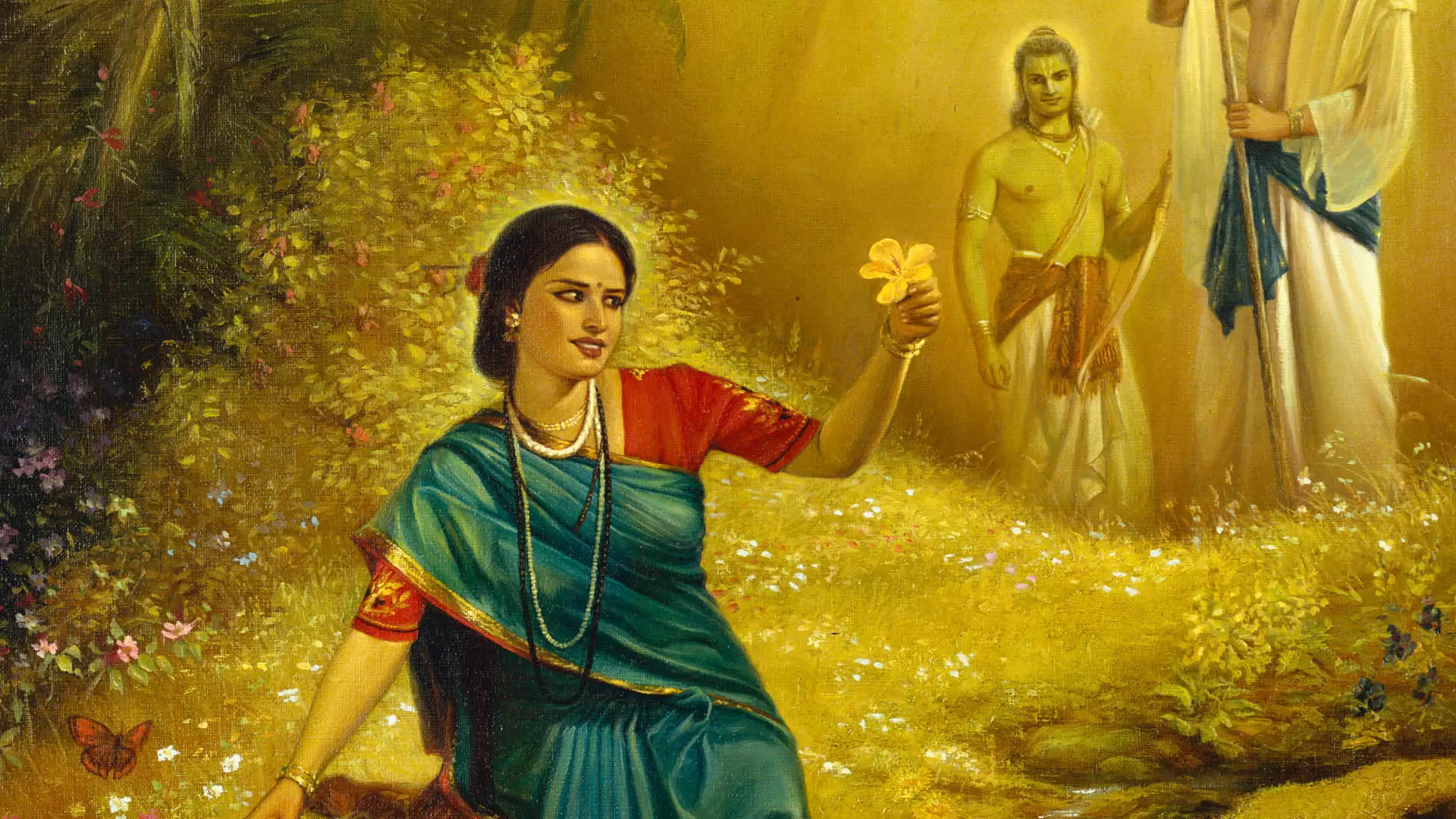
Lava and Kusha: The Twin Sons of Rama and Sita
Quick answer: Lava and Kusha are the twin sons of Rama and Sita. Their story is told in the Uttara Kanda, the last book of the Valmiki Ramayana. Sita gives birth to them in the sage Valmiki's hermitage after Rama has sent her away from Ayodhya. Valmiki protects the newborns with kusha grass and name
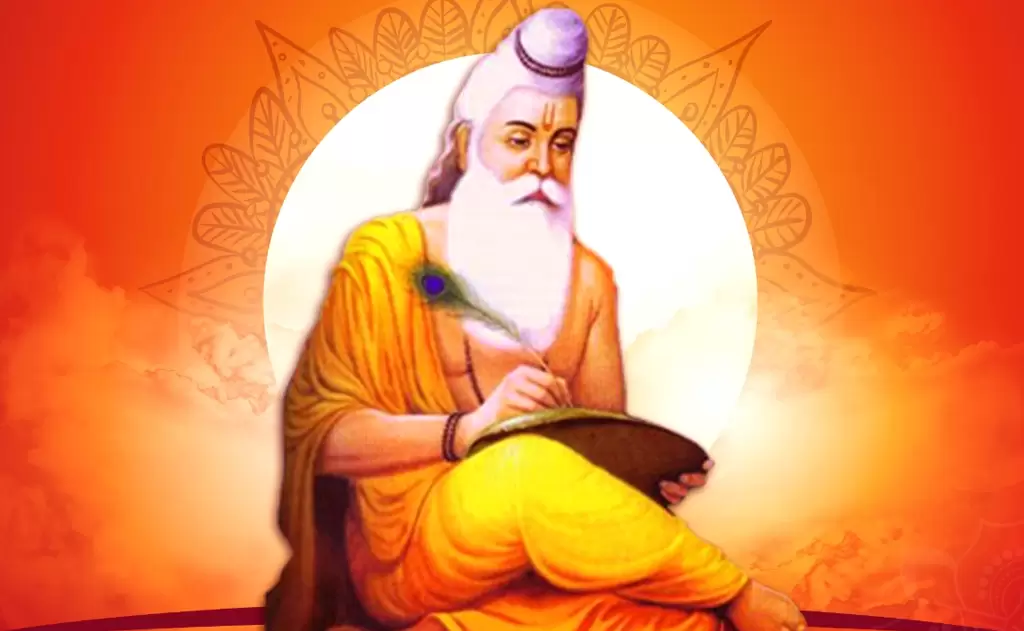
Quick answer: Lava and Kusha are the twin sons of Rama and Sita. Their story is told in the Uttara Kanda, the last book of the Valmiki Ramayana. Sita gives birth to them in the sage Valmiki's hermitage after Rama has sent her away from Ayodhya. Valmiki protects the newborns with kusha grass and names them from it. He later teaches them the Ramayana, and the two boys sing it at Rama's horse sacrifice, where Rama recognises them as his sons. Before Rama leaves the world he gives Kusha the southern Koshala lands and Lava the northern lands. The famous story of the boys capturing Rama's sacrificial horse and defeating his army is not in Valmiki's Ramayana; it comes from later works such as the Padma Purana.
Chapter numbers below follow Hari Prasad Shastri's English translation of the Uttara Kanda; details checked in Manmatha Nath Dutt's 1894 translation are marked. Many modern scholars regard the Uttara Kanda as later than the core of the Ramayana, while tradition holds it to be Valmiki's; see the Uttara Kanda summary for that debate.
| At a glance | |
|---|---|
| Parents | Rama and Sita |
| Born | In Valmiki's hermitage, on the night Shatrughna stayed there (Uttara Kanda, chapter 66) |
| Names | From the kusha grass Valmiki used to protect them: Kusha (upper part), Lava (lower part) |
| Teacher | Valmiki, who taught them the Ramayana |
| Kingdoms | Kusha: southern Koshala; Lava: the northern lands (chapter 107) |
| Capitals (Dutt) | Kushavati, at the foot of the Vindhyas; Sravanti |
Birth in Valmiki's hermitage
After Rama has sent Sita away because of what the citizens were saying, Lakshmana leaves her on the far bank of the Ganga, and Valmiki gives her his protection at his hermitage (chapters 45 to 49). Shatrughna, on his way to fight the rakshasa Lavana, stops at the hermitage for a night. That same night Sita gives birth to twin sons (chapter 66).
In Dutt's translation, the young pupils of the hermitage bring Valmiki the news at midnight, and he comes to protect the babies from evil spirits. He takes kusha grass, gives the upper part (kusha) to the elderly women to rub on the elder child and the lower part (lava) for the younger, and says that the elder will be called Kusha and the younger Lava. Shatrughna hears of the birth that night and rejoices, and in the morning he takes leave of Valmiki and continues west towards the Yamuna.
Learning and singing the Ramayana
Valmiki brings the boys up in his hermitage and teaches them the Ramayana he has composed. The opening book of the epic already looks forward to this: Bala Kanda sarga 4 is headed "Kusa and Lava learn the Ramayana and sing it before Rama".
Years later Rama holds a horse sacrifice (Ashvamedha) in the Naimisha forest (chapters 91 and 92). Valmiki comes with his pupils and tells Lava and Kusha to sing the Ramayana throughout the sacrifice grounds and before the king, not to seek any wealth, and, if Rama asks about their father, to say only that they are Valmiki's pupils (chapter 93; Dutt's translation). Rama listens to them day after day with the assembled sages, kings and vanaras, and from the story itself he understands that the two singers are Sita's sons (chapter 94).
Their mother's oath
Rama sends for Sita. Valmiki brings her before the assembly and declares that the twins are Rama's sons. Rama says he accepts the boys as his, but asks Sita to give proof of her purity before the people. Sita swears by her faithfulness to Rama and asks the Earth goddess to receive her, and she enters the earth on a throne that rises from it (chapters 95 to 97).
Kings of Koshala
Near the end of the book, before Rama leaves the world, he gives the southern Koshala lands to Kusha and the northern lands to Lava, places both princes on his lap, and sends each to his own capital (chapter 107). In Dutt's translation, Rama's messengers tell Shatrughna that Rama has built the city of Kushavati at the foot of the Vindhya range for Kusha and the city of Sravanti for Lava.
Later versions of the story
Later works tell much more about the twins than Valmiki does. They are later tellings, not part of Valmiki's text.
- The capture of the sacrificial horse. In Valmiki's Uttara Kanda the boys come to the sacrifice as singers. In the Padma Purana (Patala Khanda, chapters 54 to 63 in N. A. Deshpande's English translation), Lava finds Rama's sacrificial horse with a challenge written on it, binds it, and fights the army led by Shatrughna that guards it; when Lava is overpowered and bound, Kusha comes and defeats Shatrughna's forces.
- Bhavabhuti's play. Bhavabhuti's Sanskrit drama Uttararamacharita, one of the earliest stage adaptations of the Ramayana, retells the last part of the story; the Clay Sanskrit Library, which publishes Sheldon Pollock's translation, describes it as revising the epic's episode of Rama's rejection of Sita.
- The Adhyatma Ramayana. In its Uttara Kanda (chapter 4 in Lala Baij Nath's translation), Rama tells Sita in advance that she will bear two sons in Valmiki's hermitage, as part of a divine plan.
Many places in India and beyond have local traditions connected with Valmiki's hermitage or with the twins. These are local traditions; this page does not list them because we could not confirm them from a reliable source.
Frequently asked questions
Who were the parents of Lava and Kusha?
Rama and Sita. They were born in Valmiki's hermitage after Sita was sent away from Ayodhya.
Who was the elder, Lava or Kusha?
In Dutt's translation of the Uttara Kanda, Kusha is the elder and Lava the younger.
How did they get their names?
From the kusha grass Valmiki used to protect them at birth: Kusha from the upper part of the grass, Lava from the lower part.
Did Lava and Kusha fight Rama?
Not in Valmiki's Ramayana, where they sing the Ramayana at his horse sacrifice. The battle over the sacrificial horse comes from later works such as the Padma Purana.
Which kingdoms did they rule?
Kusha received southern Koshala and Lava the northern lands (Uttara Kanda, chapter 107). Dutt's translation names their cities as Kushavati and Sravanti.
Related reading
- Uttara Kanda summary and the authorship debate
- Sita in the Ramayana
- Shatrughna and Urmila
- Ramayana family tree: the Ikshvaku dynasty
- Ramayana: The Complete Guide
Sources
- Valmiki Ramayana, Book 7 (Uttara Kanda), tr. Hari Prasad Shastri (1952): wisdomlib.org, Book 7. Chapter numbers follow this translation.
- The Ramayana, Uttara Kandam, tr. Manmatha Nath Dutt (Calcutta, 1894), Project Gutenberg eBook 62496: gutenberg.org/ebooks/62496.
- Valmiki Ramayana, Bala Kanda sarga 4 heading, IIT Kanpur: heritage.iitk.ac.in/VRAM.
- The Padma Purana, Patala Khanda, tr. N. A. Deshpande (1951), chapter 54, "Lava Binds the Sacrificial Horse": wisdomlib.org; chapter 63, "Kusha's Victory": wisdomlib.org.
- Bhavabhuti, Rama's Last Act (Uttararamacharita), tr. Sheldon Pollock, Clay Sanskrit Library: Clay Sanskrit Library website, claysanskritlibrary.org.
- The Adhyatma Ramayana, tr. Lala Baij Nath (1913), Uttara Kanda ch. 4: archive.org.
Last reviewed: 12 November 2026.
Share this with family and friends
Send it on WhatsApp, post it, or copy the link.
More from Stories
- Ghatotkacha in the Mahabharata: Birth, Battles and Death
- Uttara Kanda Summary: The Last Book of the Ramayana and the Debate Over Its Authorship
- Amba and Shikhandi in the Mahabharata
- The Mahabharata for Children in Twelve Short Chapters
- Which Mahabharata to Read: Editions and Translations Compared