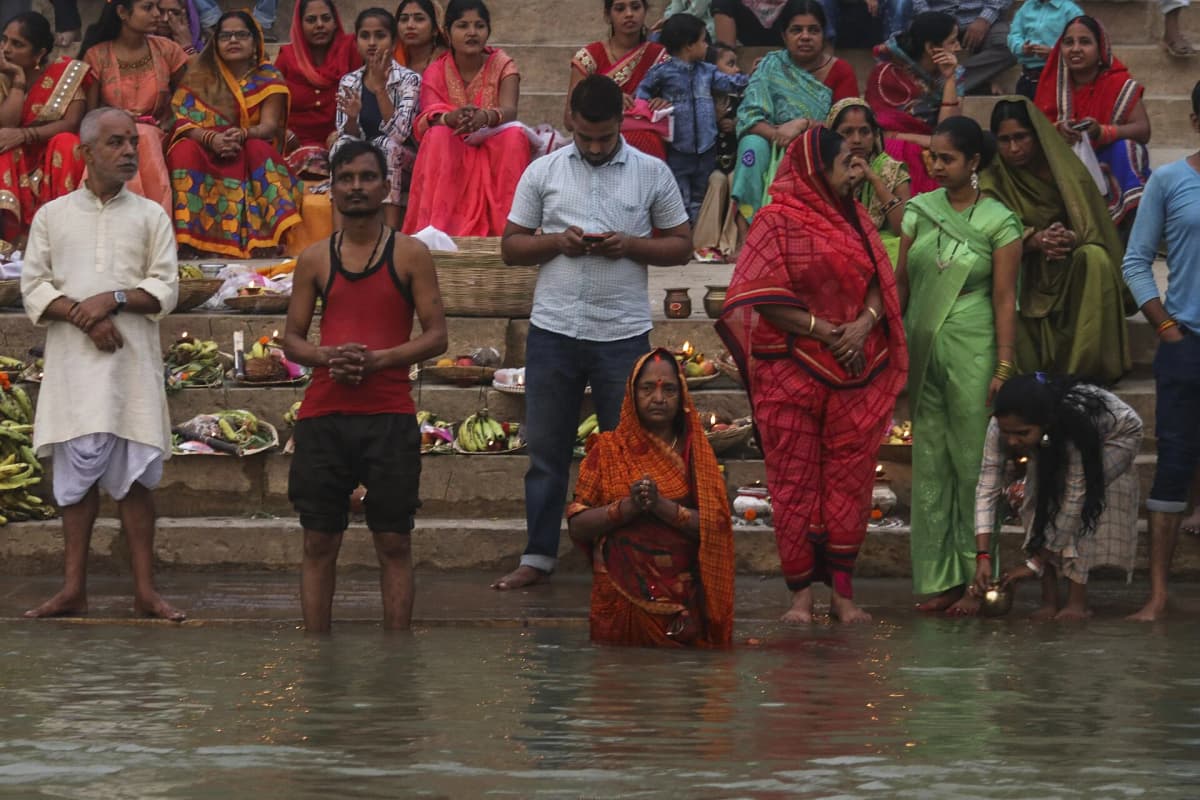
Bodrai Festival 2026 in Telangana: The Ancient Village Protection Ritual and Cultural Revival
Bodrai (also spelled Bodrai Panduga or Boddu Raayi) is a distinct, age-old folk festival of Telangana villages, quite different from the more urban and widely…
Bodrai (also spelled Bodrai Panduga or Boddu Raayi) is a distinct, age-old folk festival of Telangana villages, quite different from the more urban and widely…
Bodrai (also spelled Bodrai Panduga or Boddu Raayi) is a distinct, age-old folk festival of Telangana villages, quite different from the more urban and widely known Bonalu festival. While Bonalu is primarily a thanksgiving celebration dedicated to Goddess Mahankali in the twin cities of Hyderabad and Secunderabad during Ashada Masam (July–August), Bodrai is a deeply rural tradition centered on the sacred Bodrai stone — the spiritual “navel” or foundational pillar of the village.
The word “Bodrai” comes from Telugu: “Boddu” meaning navel (center or origin) and “Raayi” meaning stone. It represents the first sacred stone pillar installed before any settlement or village construction begins. This stone is believed to act as the guardian of the village, protecting it from diseases (like cholera and smallpox), evil forces, calamities, and ensuring prosperity, good rains, healthy crops, and community well-being.
In recent years, Bodrai has seen a strong cultural revival across many Telangana villages, with communities reinstalling or ceremonially cleaning the ancient Bodrai stones and celebrating the festival with renewed enthusiasm.
When is Bodrai Festival Celebrated in 2026?
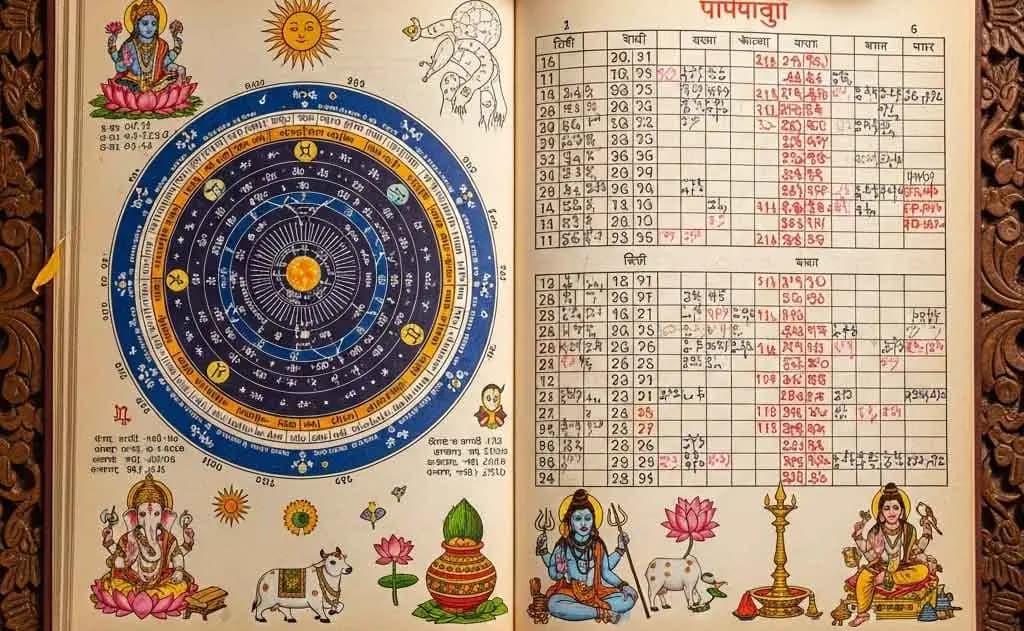
Unlike Bonalu, which has a fixed lunar calendar window, Bodrai does not have a single statewide date. It is celebrated village by village according to local customs, auspicious timings, and traditional panchangam (almanac).
- Typical Period: Usually during the summer months of May to June (pre-monsoon or early monsoon season), when villages prepare for the agricultural cycle.
- Duration: Most villages celebrate it for 3 days, though some observe it over 1–11 days depending on local traditions. In certain places, it is held once every 11 years or during special occasions.
- 2026 Schedule: Expect major celebrations in villages around Ranga Reddy, Hyderabad outskirts (Saroornagar, Hayathnagar, Amberpet, Mailardevpally, etc.), Warangal, and other rural areas between May and June 2026.
- For example, in past years, events like Saroornagar Bodrai Mahotsavam were held in early June. Exact dates for 2026 will be decided locally by village elders, temple committees, or gram panchayats closer to the time.
Villages often align it with local deity worship or before the onset of heavy rains.
Historical and Spiritual Significance of Bodrai
Bodrai is considered one of the oldest village rituals in the Deccan region. Before building houses or starting a new settlement, communities would install this sacred stone pillar as the “navel” of the village. It symbolizes:
- The birth/origin of the village community.
- Protection against epidemics, natural disasters, and negative energies.
- Fertility and prosperity for land, livestock, and people.
The Bodrai is worshipped as a form of Shakti (divine feminine energy), often linked to village goddesses like Mahankali, Pochamma, or Poleramma. Villagers believe that as long as the Bodrai is honored, the village remains safe and thriving. New couples, especially newlyweds, visit the Bodrai to seek blessings for a happy married life.
Over time, this tradition faded in many places due to urbanization and modernization. However, since around 2019–2023, a strong revival movement has emerged, with villages reinstalling Bodrai stones in grand ceremonies, reflecting a renewed pride in Telangana’s folk heritage.
How Bodrai Festival is Celebrated: Key Rituals and Traditions
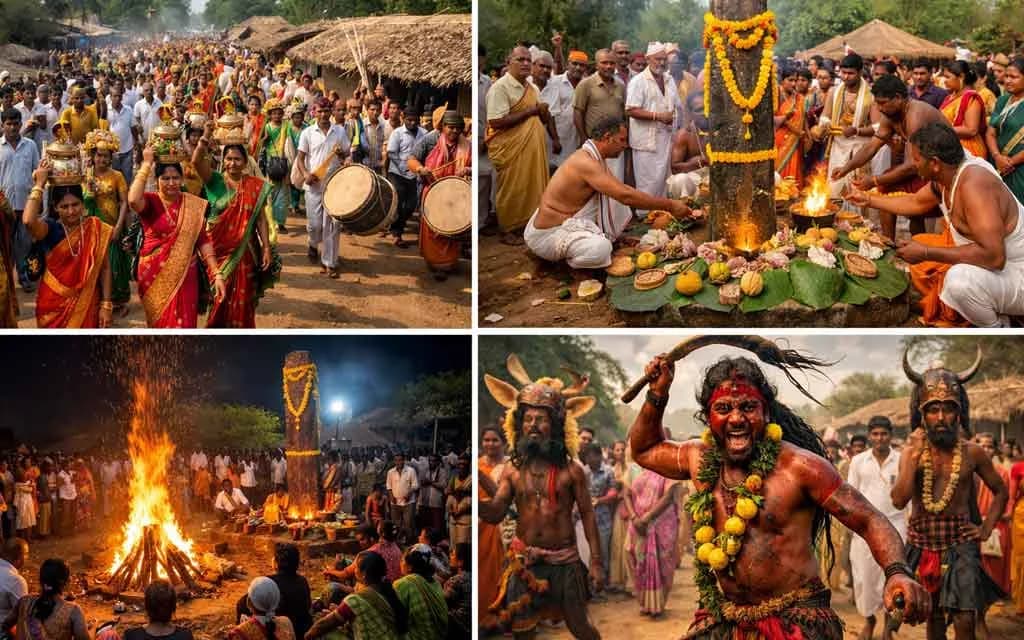
Bodrai celebrations are vibrant, participatory, and rooted in rural folk culture. A typical 3-day festival includes:
- Installation or Purification of Bodrai:
- The sacred stone pillar is cleaned, anointed with turmeric, vermilion (kumkum), and neem leaves.
- Special prayers and consecration (pratishtha) rituals are performed.
- Processions with Pothuraju:
- A man dressed as Pothuraju (the guardian deity) leads the procession with a whip, neem leaves, and traditional attire.
- Women carry Bonam (decorated pots filled with rice, jaggery, and milk) on their heads in colorful processions to the Bodrai site, accompanied by dappu (drums) and folk music.
- Offerings and Rituals:
- Traditional offerings including sarees, bangles, and food items to the village deity.
- In some traditional practices, symbolic rituals involving goats (now often regulated or replaced with vegetarian offerings) are performed.
- Special songs and dances are offered as prayers for village protection.
- Folk Arts and Community Feast:
- Performances of dappu dance, Lambadi folk songs, and other Telangana rural arts.
- Grand community feasts (daawat) with traditional Telangana dishes, often including non-vegetarian items in some villages.
- Closing Ceremonies:
- Collective prayers for the village’s health, prosperity, and good harvest.
- The festival strengthens community bonds as everyone — from children to elders — participates.
Note: Some elements like Bonam offerings overlap with Bonalu traditions, but the central focus remains the Bodrai stone rather than a temple-based Mahankali worship.
Bodrai vs Bonalu – Key Differences
- Focus: Bodrai centers on the village’s foundational stone pillar (protection & origin). Bonalu focuses on offering meals (Bonam) to Goddess Mahankali.
- Location: Bodrai is primarily a village/rural festival. Bonalu is most prominent in urban Hyderabad-Secunderabad and spreads across Telangana.
- Timing: Bodrai in May–June (summer). Bonalu in Ashada Masam (July–August).
- Scale: Bodrai is more intimate and community-driven at the gram level. Bonalu features large public processions, Rangam (oracle), and state-level recognition.
Why Bodrai is Gaining Popularity in 2026
The revival of Bodrai reflects Telangana’s growing interest in preserving indigenous folk traditions. Villages are actively cleaning old stones, installing new ones, and organizing grand events. It serves as a powerful symbol of cultural identity, community unity, and gratitude to the protective forces that sustain village life.
For visitors or cultural enthusiasts, attending a Bodrai festival offers an authentic glimpse into Telangana’s rural heritage — far removed from city crowds but rich in raw devotion and folk energy.
Jai Bodrai! Jai Gram Devata!
This comprehensive guide is prepared for www.hindutone.com. Exact dates and programs vary by village — check with local gram panchayats, temple committees, or Telangana tourism/cultural departments for 2026 updates closer to May–June.
Frequently Asked Questions
When is Bodrai Festival in Telangana 2026?
Bodrai Festival in Telangana is observed on its traditional tithi in the Hindu lunar calendar; refer to the year's panchang for the exact date in your region.
What is the significance of Bodrai Festival in Telangana?
Bodrai (also spelled Bodrai Panduga or Boddu Raayi) is a distinct, age-old folk festival of Telangana villages, quite different from the more urban and widely known Bonalu festival. While Bonalu is primarily a thanksgiving celebration dedicated to Goddess Mahankali in the twin cities of Hyderabad and Secunderabad during Ashada Masam (July–August), Bodrai is
How is Bodrai Festival in Telangana celebrated?
Devotees observe it with puja, fasting or special offerings, visiting temples, chanting mantras, and gathering with family. Customs vary by region and tradition.
What should devotees do on Bodrai Festival in Telangana?
Take a sacred bath, perform the day's puja and charity (dana), observe any prescribed fast, and chant mantras with sincere devotion.
You might also like
Shani Deva Temples Worldwide & Must-Performed Rituals — Complete Devotee's Guide
June 2026 Hindu Festival Calendar — Complete Dates, Vrat & Puja Guide for NRIs
Hindu Festival Calendar 2026 — Complete Guide for NRIs (Dates, Tithis, Puja)