Diwali in Fiji: The Island Nation's Grand Indian Festival
In the heart of the South Pacific, thousands of miles from the Indian subcontinent, one of the world's most spectacular Diwali celebrations illuminates the…
In the heart of the South Pacific, thousands of miles from the Indian subcontinent, one of the world's most spectacular Diwali celebrations illuminates the…
In the heart of the South Pacific, thousands of miles from the Indian subcontinent, one of the world's most spectacular Diwali celebrations illuminates the tropical islands of Fiji. This remote paradise, where nearly 40% of the population traces its ancestry to India, transforms into a dazzling spectacle of lights, colors, and devotion each year as the Festival of Lights arrives on its shores.
A Legacy Written in Indenture
The story of Diwali in Fiji begins not with celebration, but with sacrifice. Between 1879 and 1916, over 60,000 Indian laborers arrived in Fiji under the British indenture system, brought to work in the sugarcane plantations that would define the colony's economy. These girmityas—as the indentured laborers were called—carried little with them on the arduous sea voyage, but they brought something invaluable: their faith, culture, and festivals.
Among the most cherished of these traditions was Diwali, the ancient Hindu festival celebrating the victory of light over darkness, good over evil, and knowledge over ignorance. In the cane fields and makeshift settlements of early colonial Fiji, lighting even a single diya became an act of cultural preservation and spiritual resistance.
The Evolution of a National Celebration
What began as intimate family observances in plantation quarters has evolved into one of Fiji's most significant cultural events. Today, Diwali in Fiji is not merely a Hindu festival—it has been embraced as a national celebration that transcends religious and ethnic boundaries.
In 2019, the Fijian government took a historic step by declaring Diwali a public holiday, recognizing its importance to the nation's Indo-Fijian community and its broader cultural significance. This official recognition cemented Diwali's place in the national calendar alongside Christmas and other major festivals, acknowledging the diverse tapestry that makes up modern Fijian society.
How Fiji Celebrates: Traditions Preserved and Adapted
The Preparation Phase
Preparations for Diwali in Fiji begin weeks in advance. Indo-Fijian families engage in thorough spring cleaning, whitewashing homes, and creating intricate rangoli designs at their doorsteps using colored rice, flour, or flower petals. Markets across Suva, Lautoka, Nadi, and Labasa overflow with shoppers purchasing new clothes, sweets, and festival supplies.
The tropical climate adds a unique Fijian flavor to these preparations. Instead of the autumn harvest atmosphere of Indian Diwali, Fiji celebrates amidst lush greenery and warm Pacific breezes, with local flowers like frangipani and hibiscus often incorporated into decorations alongside traditional marigolds.
Lakshmi Puja: The Heart of the Festival
On Diwali night, homes throughout Fiji glow with thousands of diyas—small clay lamps filled with coconut oil and cotton wicks. Families gather for Lakshmi Puja, the ceremonial worship of the goddess of wealth and prosperity. The puja ceremonies in Fiji maintain the traditional elements brought from India over a century ago, with Sanskrit mantras echoing through neighborhoods from Ba to Savusavu.
Temples across the islands hold elaborate celebrations. The Sri Siva Subramaniya Temple in Nadi, the largest Hindu temple in the Southern Hemisphere with its stunning Dravidian architecture, becomes a focal point of worship. Thousands gather for special prayers, bhajans (devotional songs), and communal celebrations that last well into the night.
The Feast: A Fusion of Flavors
Diwali feasting in Fiji represents a beautiful culinary fusion. Traditional Indian sweets like barfi, ladoo, and jalebi are prepared with meticulous care, recipes passed down through five generations since the girmit era. However, Fijian Diwali tables also feature unique local adaptations.
Cassava and taro, staple Fijian root vegetables, sometimes find their way into innovative desserts. Fresh tropical fruits replace some traditional garnishes. The beloved Fijian-Indian snack culture—with items like puri, chana, and various chutneys—takes center stage during festival gatherings. Many families prepare special vegetarian thalis that blend North and South Indian dishes with Pacific influences.
Community Celebrations and Melas
Public Diwali celebrations, or melas, have become grand affairs in Fijian cities. The Suva Diwali Festival attracts thousands, featuring colorful parades, traditional dance performances, music concerts, and elaborate fireworks displays. Local and national dignitaries attend these events, reflecting Diwali's acceptance as a pan-Fijian celebration.
Schools organize Diwali programs where students of all backgrounds participate in cultural performances, learning about the Ramayana and the significance of the festival. This inclusive approach has helped create a generation of Fijians who view Diwali as part of their shared national heritage.
The Spiritual Significance: Ramayana in the Pacific
The religious narrative underlying Diwali—Lord Rama's return to Ayodhya after defeating Ravana—resonates deeply with Fiji's Indo-Fijian community. The epic Ramayana is more than an ancient story; it represents the triumph of dharma (righteousness) that their ancestors clung to during difficult times.
Many Fijian Hindus see parallels between Rama's exile and eventual return home and their own ancestors' journey across the kala pani (dark waters) to an unknown land. The lighting of diyas symbolizes the hope that sustained generations of Indo-Fijians through colonialism, discrimination, and social upheaval.
Religious organizations like the Sanatan Dharma Pratinidhi Sabha of Fiji play crucial roles in maintaining traditional observances while adapting them to contemporary Fijian life. Discourses on the Ramayana, often conducted in Hindi, English, and sometimes Fijian, help younger generations understand their heritage.
Unity in Diversity: A Multicultural Celebration
Perhaps the most remarkable aspect of Diwali in Fiji is how it has become a bridge between communities. Indigenous Fijians, Europeans, Chinese Fijians, and others increasingly participate in Diwali celebrations, sharing in the joy, attending open houses, and enjoying the festive atmosphere.
Many non-Hindu Fijians light diyas at their homes and businesses, not necessarily for religious reasons but as a gesture of respect and celebration of Fiji's diversity. Schools, government offices, and commercial establishments display Diwali decorations. The festival has become an occasion for all Fijians to celebrate light, hope, and prosperity.
This multicultural embrace reflects the broader Fijian ethos of integration and mutual respect that has developed over decades. While political and social challenges between communities have existed, festivals like Diwali provide common ground for celebration and understanding.
Economic and Tourism Impact
Diwali has become economically significant for Fiji. The festival season generates substantial retail activity, with businesses reporting some of their best sales during this period. The clothing, jewelry, sweets, and decorations industries experience seasonal booms.
Tourism Fiji has begun marketing Diwali celebrations as a cultural tourism experience, attracting visitors interested in experiencing authentic Indo-Fijian culture. Special Diwali packages offer tourists opportunities to participate in family celebrations, visit temples, and experience the festival's unique Pacific Island interpretation.
Challenges and Preservation
Despite its vibrant presence, maintaining Diwali traditions in Fiji faces challenges. Emigration of Indo-Fijians to Australia, New Zealand, Canada, and the United States has led to demographic shifts. Younger generations, increasingly urbanized and globally connected, sometimes struggle to connect with traditional practices.
Language shift presents another challenge. While older generations speak Hindi and maintain closer ties to Indian traditions, many younger Fijians of Indian descent primarily speak English. Cultural organizations work tirelessly to teach Hindi, religious texts, and festival traditions to ensure continuity.
Climate change also poses practical challenges. Rising sea levels and changing weather patterns affect the timing and outdoor aspects of celebrations in some coastal communities. Yet the resilience shown by the community in adapting traditions over 140 years suggests Diwali in Fiji will continue to evolve while maintaining its essential spirit.
Modern Innovations
Technology has transformed how Diwali is celebrated in Fiji. Social media connects scattered families across continents, with video calls allowing overseas relatives to participate virtually in celebrations. LED lights increasingly supplement traditional diyas, creating spectacular displays while addressing fire safety concerns.
Environmental awareness has introduced eco-friendly practices. Many families now use clay diyas that can be recycled, avoid excessive fireworks due to pollution concerns, and choose sustainable decorations. Some community organizations organize tree-planting drives during Diwali, linking the festival of lights with environmental stewardship.
The Future: Diwali's Enduring Light
As Fiji moves forward in the 21st century, Diwali remains a powerful symbol of cultural continuity and national unity. The festival connects contemporary Fiji to its complex colonial history while pointing toward a multicultural future. For Indo-Fijians, Diwali represents the enduring legacy of their ancestors' journey and sacrifice.
The sight of diyas flickering across Fijian islands—from the bustling streets of Suva to remote rural settlements—demonstrates how a cultural tradition can not only survive displacement but flourish in new soil. The Festival of Lights has found a permanent home in the South Pacific, illuminating not just homes and temples but the very identity of a nation.
Celebrating Diwali in Fiji: Visitor's Guide
For those wishing to experience Diwali in Fiji:
Best Locations: Suva, Lautoka, Nadi, and Ba host the largest celebrations. The Sri Siva Subramaniya Temple in Nadi offers spectacular religious ceremonies.
Timing: Diwali dates vary annually based on the Hindu lunar calendar, typically falling between October and November.
Etiquette: When visiting temples or homes, dress modestly. Remove shoes before entering religious spaces. If invited to share prasad (blessed food), accept graciously.
Experiences: Attend public melas, visit illuminated temples, participate in community feasts, and witness traditional performances of the Ramayana.
Cultural Sensitivity: Remember that while Diwali has become a national celebration, it holds deep religious significance for Hindu and Sikh communities. Approach the festival with respect and genuine interest.
Conclusion: Light Across the Ocean
Diwali in Fiji stands as a testament to the remarkable journey of Indian culture across the globe. From the holds of overcrowded ships carrying indentured laborers to becoming a national holiday celebrated by all Fijians, the Festival of Lights has transcended its origins to become something uniquely Pacific.
The girmityas who first lit diyas on Fijian soil over 140 years ago could scarcely have imagined that their descendants would celebrate Diwali in grand temples, with government recognition, and as part of a proud multicultural nation. Yet the essence remains unchanged: the triumph of light over darkness, the importance of family and community, and the enduring power of hope.
As diyas flicker across the Fijian islands each year, they illuminate more than homes and streets. They light the path between past and present, between India and the Pacific, between different cultures living together in mutual respect. In Fiji, Diwali is not just preserved—it thrives, adapted yet authentic, a celebration that truly belongs to its island home while honoring its ancient origins.
The Festival of Lights has found its place in paradise, and each year, as thousands of flames push back the darkness, they tell a story of resilience, faith, and the unbreakable human spirit that transforms exile into home.
Happy Diwali from the islands of Fiji, where the light shines bright across the Pacific.
Frequently Asked Questions
When is Diwali in Fiji?
Diwali in Fiji is observed on its traditional tithi in the Hindu lunar calendar; refer to the year's panchang for the exact date in your region.
What is the significance of Diwali in Fiji?
In the heart of the South Pacific, thousands of miles from the Indian subcontinent, one of the world's most spectacular Diwali celebrations illuminates the tropical islands of Fiji. This remote paradise, where nearly 40% of the population traces its ancestry to India, transforms into a dazzling spectacle of lights, colors, and devotion each year as the Festi
How is Diwali in Fiji celebrated?
Devotees observe it with puja, fasting or special offerings, visiting temples, chanting mantras, and gathering with family. Customs vary by region and tradition.
What should devotees do on Diwali in Fiji?
Take a sacred bath, perform the day's puja and charity (dana), observe any prescribed fast, and chant mantras with sincere devotion.
You might also like
Hindu Festival Calendar 2026 — Complete Guide for NRIs (Dates, Tithis, Puja)
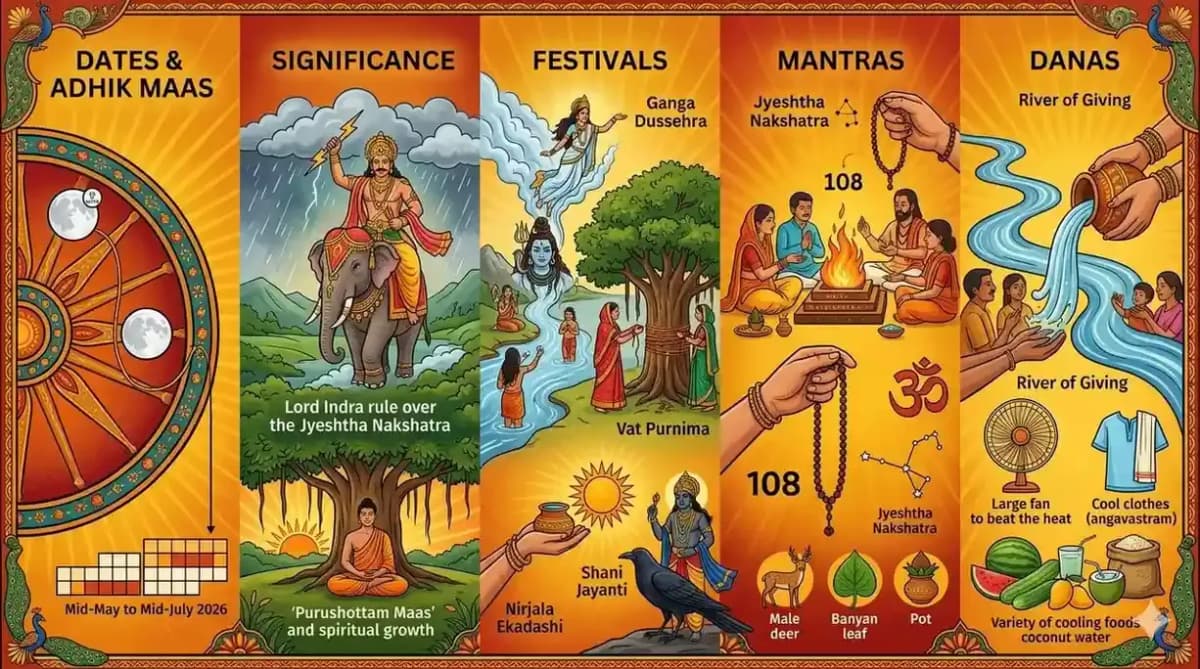
June 2026 Hindu Festival Calendar — Complete Dates, Vrat & Puja Guide for NRIs
Shani Deva Temples Worldwide & Must-Performed Rituals — Complete Devotee's Guide