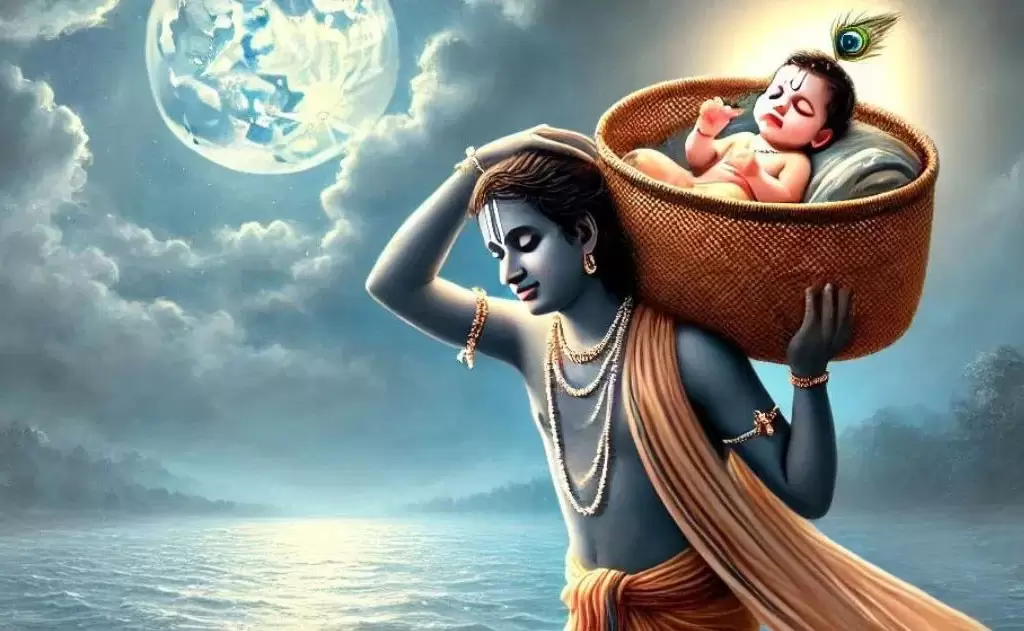
ISKCON Diwali Celebrations and Arrangements for 2025: Illuminating Hearts with Devotion
Diwali 2025, the Festival of Lights, holds profound significance in ISKCON (International Society for Krishna Consciousness) traditions, blending the victory…
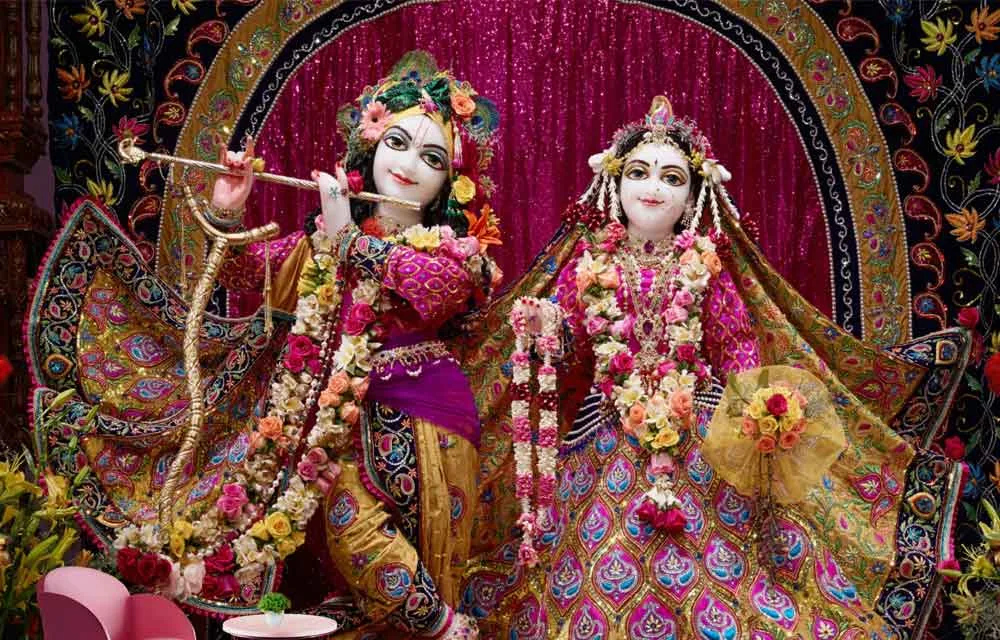
Diwali 2025, the Festival of Lights, holds profound significance in ISKCON (International Society for Krishna Consciousness) traditions, blending the victory…
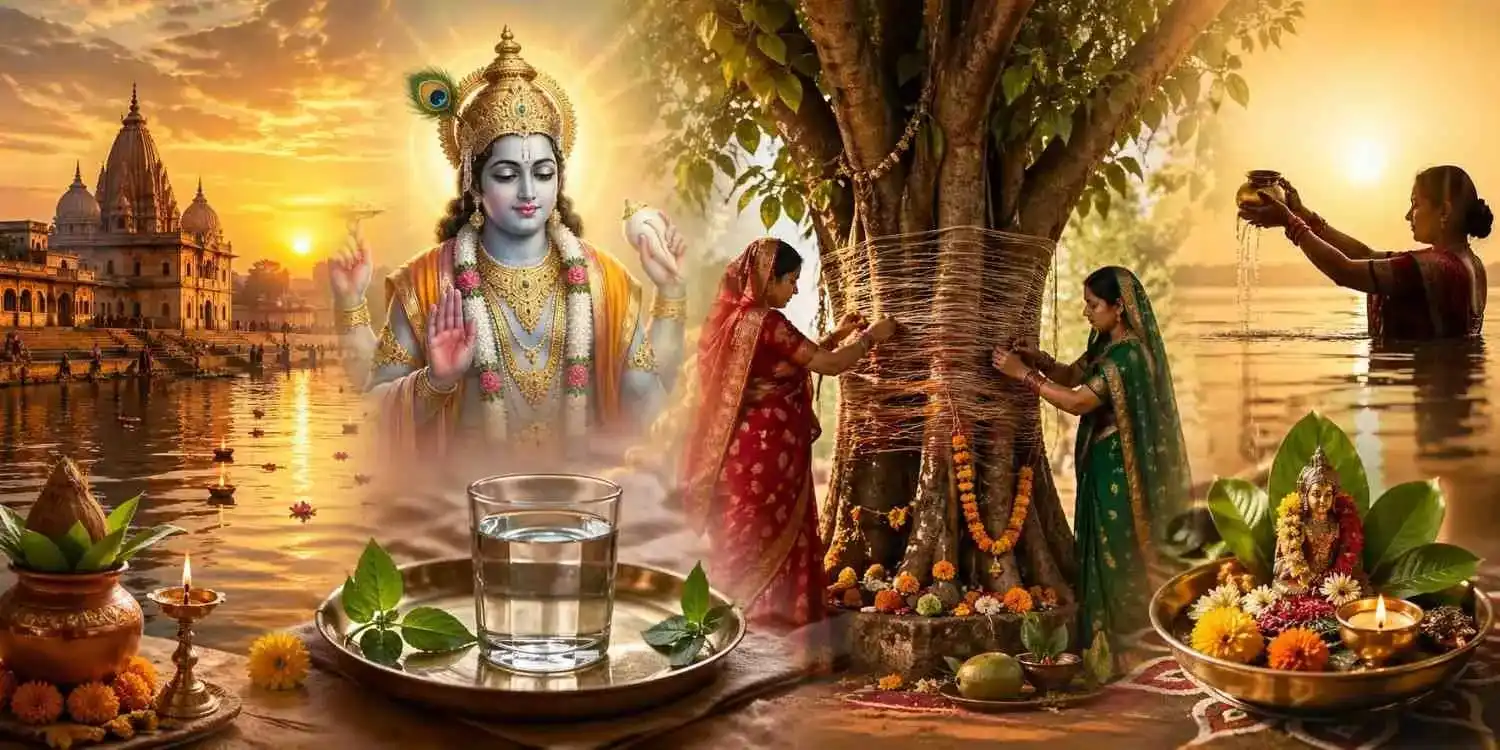
Diwali 2025, the Festival of Lights, holds profound significance in ISKCON (International Society for Krishna Consciousness) traditions, blending the victory of Lord Rama over Ravana with Lord Krishna's Damodara Lila—where baby Krishna was playfully bound by Mother Yashoda after stealing butter. Observed on Monday, October 20, 2025, as the main day (aligning with Deepavali Amavasya), ISKCON temples across India and worldwide emphasize spiritual cleansing, chanting the Hare Krishna mantra, and welcoming divine light into the heart. This year, celebrations merge into the sacred Kartika month, starting Deepotsava from October 8, fostering a month-long immersion in devotion.
The Spiritual Essence of Diwali in ISKCON
In ISKCON, Diwali transcends material festivities, symbolizing the triumph of good over evil and the lighting of inner lamps through bhakti (devotion). Devotees chant "Hare Krishna, Hare Rama" to purify the heart (ceto-darpana-marjanam), preparing it as a throne for Lord Rama or Krishna. The five-day span includes Dhanteras (October 18), Narak Chaturdashi (October 20), main Diwali (October 20/21 regionally), Govardhan Puja (October 22), and Bhai Dooj (October 23), with emphasis on Krishna's pastimes like lifting Govardhan Hill.
Arrangements and Programs at ISKCON Temples in India
ISKCON temples in India, such as those in Delhi, Bangalore, and Ahmedabad, organize vibrant yet spiritually focused events. Preparations include temple cleaning to symbolize heart purification, followed by elaborate decorations with diyas (oil lamps) and rangoli.
Key Rituals and Schedule
- Deepotsava and Damodara Lila: From October 8 to November 5 (Kartika month), daily ghee lamp offerings (Deepotsava) honor Damodara Krishna. Recite Damodarashtaka prayers evening after aarti.
- October 20 – Main Diwali Day: Lakshmi Puja alongside Ganesha and Kuber worship for prosperity. Candle-light aarti with hundreds of lamps illuminating the temple, special prasadam distribution (sweets like laddoos), and kirtans (devotional chanting).
- Govardhan Puja (October 22): Replica of Govardhan Hill made from opulent foods, worshipped as Krishna's incarnation, followed by annakut (mountain of food) feast shared with devotees and the needy.
- Throughout the Festival: Hari nama sankirtan (public chanting processions), cultural programs like dramas on Rama's return, and feasting on sattvic vegetarian prasadam. Temples like ISKCON Delhi and Bangalore host live darshan and community gatherings.
Eco-friendly practices are encouraged, using clay diyas and minimizing fireworks to align with ahimsa (non-violence).
How to Participate and Prepare
- Visit Local Temples: Check ISKCON centers in major cities like Delhi (Sri Sri Radha Parthasarathi Mandir), Bangalore, or Ahmedabad (Hare Krishna Mandir) for exact timings via their websites or Vaishnava Calendars.
- Home Observance: Clean your space, light diyas, chant the maha-mantra, and offer simple puja. Download ISKCON's 2025 Vaishnava Calendar for Ekadashi and festival alignments.
- Community Service: Many temples distribute prasadam to the underprivileged, embodying Krishna's teachings of compassion.
Diwali 2025 at ISKCON is a call to inner illumination—may the lights of devotion dispel darkness from your life. Hare Krishna! Share your plans or experiences in the comments.
What is the Damodarashtaka and Why is it Central to ISKCON's Kartika Observance?
The Damodarashtaka is an eight-verse Sanskrit hymn composed by the sage Satyavrata Muni, preserved in the Padma Purana. Each verse meditates on the image of infant Krishna bound at the waist (udara) by a rope (dama) by Mother Yashoda — hence the name Damodara. ISKCON devotees consider the daily recitation of this hymn during Kartika month one of the most potent acts of bhakti, as the Padma Purana itself declares that worship offered in Kartika yields a thousandfold spiritual merit.
During the entire month from October 8 to November 5, 2025, ISKCON temples invite devotees to offer a small ghee or cotton-wick lamp before the Damodara deity while singing the Damodarashtaka. The offering is made in the evening, typically after the Sandhya Aarti, and the flame is held gently aloft during each verse. This act is called Deepadana — the gift of light — and is understood as an offering not merely of physical fire but of one's own consciousness, surrendered at the lotus feet of the Lord.
Srila Prabhupada, the founder-acharya of ISKCON, stressed that the month of Kartika is the most sacred of all months for Vaishnava practice, quoting from the Skanda Purana and Hari-bhakti-vilasa. Temples such as ISKCON Vrindavan (Sri Krishna Balaram Mandir) and ISKCON Mayapur (Sri Chaitanya Chandrodaya Mandir) attract thousands of pilgrims specifically to participate in the month-long Deepotsava, making the 2025 Diwali season a peak period for devotional tourism to these dhamas.
How Does ISKCON Reconcile Lakshmi Puja with Its Vaishnava Theology?
A thoughtful question arises: if ISKCON is centred on Krishna-bhakti, why does Diwali include worship of Goddess Lakshmi? Vaishnava theology, rooted in the Srimad Bhagavatam and the Pancharatra Agamas, regards Lakshmi Devi not as an independent deity but as the eternal consort (shakti) of Lord Vishnu-Narayana. Worshipping her is therefore understood as approaching the Lord through his inseparable divine energy. ISKCON temples perform Lakshmi Puja on the main Diwali evening while chanting Vaishnava mantras that affirm her identity as Shri, the goddess who grants liberation as well as prosperity.
Practically, the puja follows Gaudiya Vaishnava paddhati (procedural guidelines): the altar is cleaned, a fresh murti or image of Lakshmi-Narayana is installed, sixteen traditional upacharas (offerings — from Avahana, invoking the deity, through Naivedyam, food offering) are performed, and the Shri Suktam hymns from the Rigveda Khila are recited. Devotees understand the material prosperity invoked to be ideally redirected toward temple service, book distribution, and community prasadam programs — turning wealth into an instrument of bhakti.
On the night of Diwali Amavasya (October 20, 2025), ISKCON temples conduct a grand candlelight aarti where hundreds of lamps are lit simultaneously. The visual spectacle mirrors the description in the Ramayana of Ayodhya's citizens lighting diyas to welcome Lord Rama's return after fourteen years of exile — an event the Valmiki Ramayana describes as the entire city being transformed into a second sun (dwitiya iva bhaskarah).
Govardhan Puja — The Ecological and Theological Significance within ISKCON Celebrations
Govardhan Puja, observed on October 22, 2025, commemorates Lord Krishna's lifting of Govardhan Hill in Vrindavan to shelter the Vrajavasis from the devastating rains sent by Indra, as narrated in the tenth canto of the Srimad Bhagavatam (Canto 10, Chapters 24–25). Krishna's act was simultaneously a theological statement — shifting community worship from Indra's ritualistic sacrifice (Indra-yajna) toward gratitude for nature's direct providers — and a display of his ananta-shakti, infinite divine power.
ISKCON temples mark this day by constructing a large Anna Kuta — a 'mountain of food' — comprising cooked dishes, sweets, rice, dal, vegetables, and confections stacked in the symbolic shape of Govardhan Hill. The Annakut can include 108 or even 1,008 different preparations at major temples like ISKCON Bangalore (Sri Radha Krishna Temple) and ISKCON Delhi (Sri Radha Parthasarathi Temple). Devotees circumambulate the food mountain, and afterwards every item is distributed as prasadam to the assembled congregation.
Contemporary ISKCON theologians also highlight the ecological teaching embedded in Govardhan Puja: the hill is venerated as Giriraja, literally 'King of Mountains,' and is considered a direct manifestation of Krishna. This perspective encourages devotees to view environmental stewardship as a devotional act. Several ISKCON farm communities (such as Gita Nagari in Pennsylvania, USA, and Bhaktivedanta Manor's farm in Hertfordshire, UK) hold special cow-puja and organic farming observances on this day, connecting ancient Vedic reverence for the earth with sustainable living.
Global ISKCON Diwali Programs — From Vrindavan to International Centers
ISKCON's global network of over 700 temples means that Diwali 2025 will be celebrated across six continents. In the United Kingdom, Bhaktivedanta Manor in Watford, Hertfordshire — a property gifted to ISKCON by George Harrison in 1973 — typically hosts one of Britain's largest Diwali public open days, welcoming tens of thousands of visitors for lamp-lighting ceremonies, classical Indian dance performances, and free prasadam. In the United States, temples in Los Angeles, New York, and Houston organize community Diwali festivals that serve as outreach events, introducing the Bhagavad Gita's teachings to a wider multicultural audience.
In India, beyond the well-known centers in Delhi, Bangalore, and Ahmedabad, the ISKCON temples at Tirupati (Andhra Pradesh), Pune (Maharashtra), and Kolkata (West Bengal) hold regionally distinctive celebrations. The Kolkata temple, situated near Srila Prabhupada's birthplace in the Sridhara Ganj area, gives special prominence to his teachings and often includes public seminars on the meaning of light (jyoti) in Vaishnava philosophy.
ISKCON devotees worldwide are also encouraged to observe Diwali at home through the Home Deity Worship (Griha Puja) guidelines provided by their local temple authorities. These include installing a small altar with an image of Radha-Krishna or Rama-Sita, offering a Deepadana lamp each evening of Kartika, distributing homemade prasadam to neighbors, and reading from the Bhagavad Gita As It Is — creating micro-communities of bhakti within individual households.
Scriptural Roots — Which Puranic and Vedic Texts Underpin ISKCON's Diwali Observance?
ISKCON's Diwali theology draws from several layers of Vedic and Puranic literature. The Valmiki Ramayana (Yuddha Kanda) provides the narrative of Lord Rama's return to Ayodhya after slaying Ravana, which is the pan-Hindu root of Deepavali. The Vishnu Purana and Bhagavata Purana (Srimad Bhagavatam) supply the stories of Damodara and Govardhan, making Kartika month a layered tapestry of Vaishnava narratives rather than a single event.
The Hari-bhakti-vilasa, a comprehensive Vaishnava manual compiled by Gopala Bhatta Goswami under the guidance of Sri Chaitanya Mahaprabhu's associates in the sixteenth century, dedicates an entire section to Kartika-vrata and the proper conduct of Deepotsava. It cites verses from the Skanda Purana emphasizing that even a single lamp offered to Vishnu during Kartika destroys lifetimes of accumulated karma. ISKCON follows this Gaudiya Vaishnava tradition faithfully, treating the Hari-bhakti-vilasa as an authoritative guide for temple and home worship.
For devotees who wish to deepen their study, Srila Prabhupada's commentary on Srimad Bhagavatam Canto 10 remains the primary theological reference for the Damodara and Govardhan pastimes, while his purports to the Nectar of Devotion (a translation and study of Rupa Goswami's Bhakti-rasamrita-sindhu) explain the philosophical framework of Kartika observance within the broader science of bhakti-yoga.
Practical Guide — How Can Devotees and First-Time Visitors Participate in ISKCON Diwali 2025?
First-time visitors to an ISKCON temple during Diwali are welcomed without any prerequisites of initiation or prior knowledge. Temples typically display printed schedules near the entrance listing the daily Mangala Aarti (pre-dawn, around 4:30 AM), Guru Puja, Srimad Bhagavatam class, midday Raj Bhoga Aarti, and the critical evening Sandhya Aarti followed by the Damodara lamp offering. Visitors are invited to join at any point, receive a small ghee lamp during Deepotsava, and participate in the congregational chanting (kirtan) of the Hare Krishna mahamantra.
Dress code guidance at most ISKCON temples suggests modest attire — sarees or salwar kameez for women, and kurta-pajama or dhoti for men — though Western dress is respectfully accommodated. Footwear is removed at the temple entrance. Prasadam — sanctified food offered to the deity — is distributed freely or at a nominal donation, and ISKCON's vegetarian (sattvic, no onion or garlic) cuisine is considered part of the spiritual experience, as devotees believe consuming prasadam purifies consciousness.
Those unable to visit a temple in person can participate through ISKCON's live-stream services available via the ISKCON Desire Tree platform and individual temple YouTube channels. The Damodara lamp offering, the Annakut darshan, and the evening kirtan are typically broadcast live on October 20–22, 2025, allowing a global congregation — what ISKCON calls the 'worldwide family of devotees' — to share in the festival's spiritual atmosphere regardless of geography.
Frequently Asked Questions
When is ISKCON Diwali Celebrations and Arrangements?
ISKCON Diwali Celebrations and Arrangements falls on October 20, 2025.
What is the significance of ISKCON Diwali Celebrations and Arrangements?
Diwali 2025, the Festival of Lights, holds profound significance in ISKCON (International Society for Krishna Consciousness) traditions, blending the victory of Lord Rama over Ravana with Lord Krishna's Damodara Lila—where baby Krishna was playfully bound by Mother Yashoda after stealing butter. Observed on Monday, October 20, 2025 , as the main day (alignin
How is ISKCON Diwali Celebrations and Arrangements celebrated?
Devotees observe it with puja, fasting or special offerings, visiting temples, chanting mantras, and gathering with family. Customs vary by region and tradition.
What should devotees do on ISKCON Diwali Celebrations and Arrangements?
Take a sacred bath, perform the day's puja and charity (dana), observe any prescribed fast, and chant mantras with sincere devotion.
You might also like
Gita Jayanti 2026 Prasad Recipes — Tulsi-Honoring Sweets, Krishna's Favourites & December 10 Bhog Plate
Maha Shivratri 2026 Vrat Recipes — Sabudana Khichdi, Singhada Halwa, Phalahara Foods Complete Fasting Guide
Diwali 2026 — Date, Significance & How to Celebrate in USA, UK, Canada & Australia