

Diwali 2026 in the USA: State-by-State Guide to Celebrations, Temples & Events (All 50 States + DC)
Diwali 2026 is Sunday, Nov 8. Find celebrations in all 50 US states + DC: city melas, temple pujas, Lakshmi Puja muhurat by time zone and state holidays.
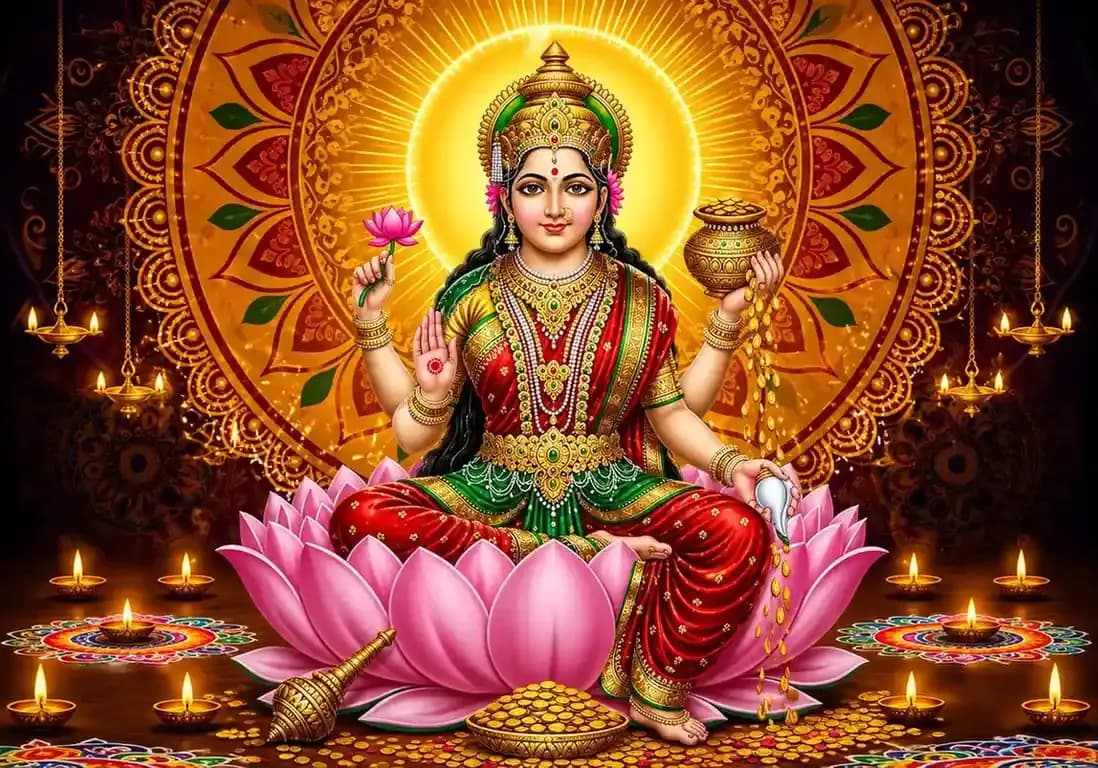
Diwali 2026 is Sunday, Nov 8. Find celebrations in all 50 US states + DC: city melas, temple pujas, Lakshmi Puja muhurat by time zone and state holidays.
Quick answer: Diwali 2026 (Lakshmi Puja) falls on Sunday, November 8, 2026 in every U.S. state and time zone, the same date as in India. The five-day festival runs from Dhanteras on Friday, November 6 to Bhai Dooj on Tuesday, November 10. The Lakshmi Puja muhurat is 5:04–6:52 PM in New York, 4:55–6:43 PM in Chicago and 5:16–7:08 PM in Los Angeles. Public celebrations begin weeks earlier: Hum Sub Diwali in Cary, North Carolina is on October 10, and Diwali at Times Square is on October 24.
Diwali has grown from living-room pujas and temple aartis into one of America's most visible festivals, with city-hosted melas, drone shows and diya-lighting ceremonies from Broadway to the Seattle Center. 2026 is also a milestone year. California signed AB 268 in October 2025 as the third state (after Pennsylvania and Connecticut) to recognise Diwali as a state holiday — but a July 2026 court ruling has since blocked the law in its current form (see the California section below).
This guide to Diwali 2026 celebrations in the USA covers all 50 states and Washington, D.C. For each state you'll find the cities where Indian American families gather, the temples that anchor Lakshmi Puja and Annakut, and confirmed 2026 dates for the biggest public festivals. For the rituals themselves, read our complete guide to Diwali celebrations in the USA.
Editor's note: Event dates on this page were checked against organizer, city and ticketing listings on September 16, 2026. We will keep updating it as more organizers confirm their plans. Please confirm details with the organizer before you travel.
Diwali 2026 in the USA at a glance
- Main day: Sunday, November 8, 2026 (Kartik Amavasya), nationwide.
- Festival window: Friday, November 6 to Tuesday, November 10, 2026.
- The Sunday advantage: With Lakshmi Puja on a Sunday, most families can perform the puja at the proper evening muhurat without leaving work early.
- Mela season: Community festivals run from early October to late November because organizers book weekend venues, so many "Diwali" events fall weeks before or after the actual date.
- Earlier sunsets: Daylight saving time ends on Sunday, November 1, one week before Diwali. Evenings get dark about an hour earlier than at October melas, and the muhurat times below already reflect standard time.
- State holidays: Pennsylvania, Connecticut and California recognize Diwali. California's first observance under its new law falls on a Sunday.
- Big free festivals with confirmed 2026 dates: Hum Sub Diwali in Cary, NC (Oct 10), Diwali at Times Square in New York (Oct 24), Frisco Diwali Mela in Texas (Nov 1), Diwali: Lights of India in Seattle (Nov 7) and the City of Chandler's festival in Arizona (Nov 7).
Diwali 2026 dates in the USA: the five-day calendar
Day | Date Advertisement | Observance | Also observed that day |
|---|---|---|---|
Day 1 | Friday, Nov 6 | Dhanteras (Dhantrayodashi) | Yama Deepam, Dhanvantari Trayodashi Advertisement |
Day 2 | Saturday, Nov 7 | Naraka Chaturdashi / Choti Diwali | Tamil Deepavali (early-morning oil bath), Kali Chaudas, Hanuman Puja |
Day 3 | Sunday, Nov 8 Advertisement | Diwali: Lakshmi Puja | Kali Puja (Bengali), Chopda Puja and Sharda Puja (Gujarati), Kedar Gauri Vrat |
Day 4 | Monday, Nov 9 | Govardhan Puja / Annakut | Gujarati New Year (Bestu Varas), Bali Pratipada |
Day 5 Advertisement | Tuesday, Nov 10 | Bhai Dooj | Bhau Beej, Yama Dwitiya, Chitragupta Puja |
Govatsa Dwadashi (Vasu Baras), which many Maharashtrian and Gujarati families treat as the opening of the Diwali season, falls on Thursday, November 5. These dates follow the U.S. panchang calendar. The November 8 date for Lakshmi Puja holds in every U.S. time zone; for the other days, families in Hawaii and Alaska should confirm with their temple or a local panchang.
Is Diwali on November 7 or November 8 in the USA?
It is November 8. A few travel and ticketing websites list Saturday, November 7 as "Diwali in the USA," but that is not correct for 2026. The Amavasya (new moon) tithi begins at 12:57 AM Eastern Time on November 8 and ends at 2:01 AM Eastern Time on November 9. Lakshmi Puja is performed on the evening when Amavasya prevails during Pradosh Kaal, the period after sunset, and in every U.S. time zone that evening is Sunday, November 8.
Lakshmi Puja muhurat 2026 in U.S. cities
Lakshmi Puja is performed during Pradosh Kaal, ideally while Vrishabha, a fixed (sthira) sign, is rising. Because the muhurat follows local sunset, it changes from city to city.
City Advertisement | Time zone | Lakshmi Puja muhurat (Sunday, Nov 8) | Amavasya tithi in local time |
|---|---|---|---|
New York City | Eastern | 5:04 PM to 6:52 PM | 12:57 AM Nov 8 to 2:01 AM Nov 9 |
Chicago | Central | 4:55 PM to 6:43 PM | 11:57 PM Nov 7 to 1:01 AM Nov 9 |
Houston | Central | 5:52 PM to 7:47 PM | 11:57 PM Nov 7 to 1:01 AM Nov 9 |
Los Angeles | Pacific | 5:16 PM to 7:08 PM | 9:57 PM Nov 7 to 11:01 PM Nov 8 |
Seattle | Pacific | 4:58 PM to 6:40 PM | 9:57 PM Nov 7 to 11:01 PM Nov 8 |
Denver, Phoenix | Mountain | Check a city panchang | 10:57 PM Nov 7 to 12:01 AM Nov 9 |
Anchorage | Alaska | Check a city panchang | 8:57 PM Nov 7 to 10:01 PM Nov 8 |
Honolulu | Hawaii | Check a city panchang | 7:57 PM Nov 7 to 9:01 PM Nov 8 |
- Pradosh Kaal runs from 4:44 PM to 7:31 PM in New York and from 5:29 PM to 8:07 PM in Houston.
- Nishita (midnight) muhurat, preferred for Kali Puja, runs from 11:12 PM to 12:08 AM in New York and from 11:38 PM to 12:31 AM in Houston.
- Nearby cities such as Edison, Jersey City, Naperville, Sugar Land, Irvine and Bellevue are usually within a few minutes of the listed city. For exact timings, use a panchang set to your own city or check today's panchangam.
- Arizona does not observe daylight saving time, so Phoenix and Tucson stay on Mountain Standard Time all year.
Is Diwali a public holiday in the USA in 2026?
Diwali is not a federal holiday, but state and local recognition has grown quickly.
- Pennsylvania (2024). Gov. Josh Shapiro signed Senate Bill 402, which designates the 15th day of the Hindu month of Kartik as Diwali Day. Schools, government offices and businesses are not required to close.
- Connecticut (2025). Gov. Ned Lamont signed the state's Diwali bill in June 2025, and it took effect on October 1, 2025, as Public Act 25-59.
- California (2026). AB 268, co-authored by Assemblymembers Ash Kalra and Darshana Patel and signed by Gov. Gavin Newsom in October 2025, took effect on January 1, 2026 — but in July 2026 a California court struck the law down in its current form, and the state is weighing next steps (the ruling does not ban Diwali celebrations). Under the law as originally passed, public schools and community colleges could close, state employees could take the day off, and students receive excused absences. Courts stay open. California's first official Diwali falls on Sunday, November 8, 2026, so check how your school district or employer is handling it.
- New York City public schools. A 2023 state law made Diwali a school holiday. In the 2026–27 school year Diwali falls on a Sunday, and the NYC Department of Education lists it among the holidays that land on a weekend, so there is no separate weekday closure.
- Los Angeles County has officially recognized Diwali every year since 2022, through motions led by Supervisor Janice Hahn.
- Local school calendars. Some districts with large South Asian enrollment have added Diwali to their calendars. Check your district's 2026–27 calendar.
- The White House has marked Diwali under administrations of both parties. In October 2025, the President lit a diya in the Oval Office alongside Indian American officials and business leaders.
The biggest Diwali 2026 events in the USA (confirmed dates)
These public festivals have announced their 2026 dates. Most melas combine a cultural stage, a shopping bazaar and Indian food, and several end with fireworks or a drone show.
Date (2026) | Event | City, State | Venue | Entry |
|---|---|---|---|---|
Sun, Oct 4 | Annual Diwali Mela † | Secaucus, NJ | Buchmuller Park | See listing |
Sat, Oct 10 | Hum Sub Diwali (26th year) | Cary, NC | Koka Booth Amphitheatre | Free |
Sat, Oct 17 | AIA Dussehra Diwali Dhamaka | Pleasanton, CA | Alameda County Fairgrounds | Ticketed |
Sun, Oct 18 | Houston, TX | Asia Society Texas (2–6 PM) | Free with registration; Ramayana show $15 | |
Thu–Sun, Oct 22–25 | Diwali Dance Fest, with a Grand Diwali Parade on Oct 23 | Orlando area, FL | Walt Disney World Resort | Park pass required |
Sat, Oct 24 | New York, NY | Broadway, 46th to 48th Streets (1–10 PM) | Free | |
Sat, Oct 24 | McKinney, TX | Myers Park & Event Center (noon–10 PM) | Ticketed | |
Sat, Oct 24 | Tampa, FL | Sickles High School (11 AM–9:30 PM) | $8–$10 | |
Sat, Oct 24 | Morrisville Diwali † | Morrisville, NC | See organizer | See listing |
Sat–Sun, Oct 24–25 | Sterling, VA | Dulles Town Center Expo Center | Tickets at the door | |
Sun, Oct 25 | Grand Diwali Mela † | Edison, NJ | Parlor Banquet (noon–9 PM) | Free entry listed |
Mon, Oct 26 | Cary, NC | Great Lawn Pavilion (6:30–8 PM) | Free | |
Sat–Sun, Oct 31–Nov 1 | Oaks (Philadelphia area), PA | Greater Philadelphia Expo Center | Tickets at the door | |
Sun, Nov 1 | Frisco, TX | Kaleidoscope Park (3:30–10 PM) | Free | |
Sat, Nov 7 | Edison Diwali Festival † | Edison, NJ | Township festival (Papaianni Park in past years) | Check with the township |
Sat, Nov 7 | Seattle, WA | Armory Food & Event Hall, Seattle Center | Free | |
Sat, Nov 7 | Chandler, AZ | Chandler City Hall courtyard (from 10 AM) | Free | |
Sat, Nov 7 | Johns Creek Diwali Festival † | Johns Creek, GA | Johns Creek City Hall | Free |
Sat, Nov 7 | San Antonio, TX | Downtown, with the City of San Antonio (5 PM–midnight) | Check with organizer | |
Sun, Nov 8 | Houston, TX | ISKCON of Houston (6–9 PM) | Temple program | |
Sun, Nov 8 | Diwali Morning Concert | Schaumburg, IL | Al Larson Prairie Center for the Arts (9:30 AM) | From $40 |
Sat, Nov 14 | Houston, TX | Levy Park (5–10 PM) | Free, per organizer | |
Fri, Nov 20 | Diwali Evening Concert | Alpharetta, GA | Phase Events (7:30 PM) | From $40 |
Sat, Nov 21 | South Florida | Venue to be announced | To be announced |
† Listed on third-party festival calendars or ticketing sites. Confirm with the organizer before you go.
Annual festivals to watch (2026 dates not yet announced)
As of September 16, these well-established celebrations had not published 2026 dates. Follow their channels in the coming weeks.
- Bay Area Diwali Festival of Lights, Memorial Park, Cupertino, CA. A free festival that has drawn more than 13,000 people; it was held on October 11 in 2025.
- SoCal Diwali Festival, Don Knabe Regional Park, Cerritos, CA. Organized by Norwalk's Radha Krishna temple with the support of Supervisor Janice Hahn's office; the 2025 edition was on October 11.
- Smithsonian National Museum of Asian Art Diwali celebration, Washington, D.C. A free evening of performances, food and crafts that drew more than 8,000 visitors in 2023.
- City of Orlando Diwali Mela, Lake Eola Amphitheatre, FL. A free evening festival held on October 4 in 2025.
- International Diwali Dussehra Festival, Sugar Land, TX. Known for its live Ram Leela and fireworks.
- Diwali Mela in Chicago, National India Hub, Schaumburg, IL.
- The Atlanta Diwali Festival, Atlantic Station, Atlanta, GA.
- Bhangra & Beats Night Market, Diwali edition, downtown San Francisco, which served as the city's official Diwali celebration in 2025.
- Diwali Motorcade, Liberty Avenue, Richmond Hill, Queens, NY.
Diwali 2026 state by state: all 50 states and Washington, D.C.
States are grouped by region. Each entry covers where community celebrations happen, the temples families visit, and any confirmed 2026 dates. For temple timings and addresses, use the HinduTone temple directory or the temple's own website.
Jump to a state:
- Northeast: New York, New Jersey, Pennsylvania, Connecticut, Massachusetts, Rhode Island, New Hampshire, Vermont, Maine
- Mid-Atlantic: Washington, D.C., Virginia, Maryland, Delaware, West Virginia
- Southeast: Georgia, Florida, North Carolina, South Carolina, Tennessee, Alabama, Kentucky, Mississippi
- South Central: Texas, Oklahoma, Louisiana, Arkansas
- Midwest: Illinois, Michigan, Ohio, Indiana, Wisconsin, Minnesota, Iowa, Missouri, Kansas, Nebraska, North Dakota, South Dakota
- Mountain West and Southwest: Arizona, Colorado, Utah, Nevada, New Mexico, Idaho, Montana, Wyoming
- Pacific: California, Washington, Oregon, Alaska, Hawaii
Northeast: Diwali 2026 in New York, New Jersey, Pennsylvania and New England
The Northeast has the country's oldest Hindu temples, its most famous public Diwali celebration and some of its busiest festival shopping streets.
New York
Diwali 2026 in New York is anchored by the nation's best-known public celebration and some of its oldest temples.
- Diwali at Times Square returns on Saturday, October 24, 2026, from 1 to 10 PM, on Broadway between 46th and 48th Streets. The free festival is organized by ASB Communications, whose organizers bill it as the largest Diwali festival outside India, with stage performances, music and food.
- Queens is the devotional heart of the city. The Hindu Temple Society of North America's Ganesh Temple in Flushing, one of the oldest traditional Hindu temples in the United States, holds Deepavali pujas, and 74th Street in Jackson Heights is the go-to strip for sweets, diyas and festive clothes.
- Richmond Hill's Indo-Caribbean community, with roots in Guyana and Trinidad, stages a Diwali Motorcade of decorated floats along Liberty Avenue, one of the city's most distinctive Diwali traditions.
- Long Island families gather at the BAPS Shri Swaminarayan Mandir and other temples in Nassau and Suffolk counties, many of which celebrate Annakut on Govardhan Puja (Monday, November 9).
- Upstate New York, including Albany, Rochester, Syracuse, Ithaca and Buffalo, celebrates through local temples, India associations and university Indian student groups, usually on the weekends around November 8.
- Schools: NYC public schools observe Diwali, but in 2026 it falls on a Sunday, so there is no extra weekday off.
For venues, transit tips and temple programs, see our Diwali 2026 in New York guide.
New Jersey
New Jersey has one of the highest shares of Indian American residents of any state, and Diwali 2026 here feels like a month-long festival.
- Edison and Iselin: Edison Township's municipal Diwali festival at Papaianni Park displayed more than 100,000 lights in 2025 and closed with fireworks and a drone show. Regional festival calendars list the 2026 edition for Saturday, November 7; confirm with the township. Oak Tree Road is the state's busiest street for Diwali shopping.
- More 2026 melas: the Annual Diwali Mela at Buchmuller Park in Secaucus (Sunday, October 4), the Grand Diwali Mela at Parlor Banquet in Edison (Sunday, October 25, with free entry listed), the Princeton Diwali Bazaar at the DoubleTree in Princeton (Sunday, November 1) and the ticketed Diwali Royale evening at Royal Albert's Palace in Fords (Friday, November 6).
- Temples: BAPS Swaminarayan Akshardham in Robbinsville, which opened in 2023, is a major draw for Diwali darshan and the Annakut on November 9. Sri Venkateswara Temple in Bridgewater holds Deepavali pujas in the South Indian tradition.
- Jersey City: India Square, along Newark Avenue near Journal Square, fills with shoppers and festive lights through late October and early November.
- Fireworks: New Jersey allows consumers only sparklers and certain ground-based novelty items. After a spate of fires around Diwali 2025, Edison's mayor urged residents to use fireworks responsibly.
Pennsylvania
Pennsylvania became the first state to recognize Diwali in 2024, and 2026 brings one of the Mid-Atlantic's largest indoor Diwali bazaars.
- Philadelphia area: The Heritage India Festival comes to the Greater Philadelphia Expo Center in Oaks on October 31 and November 1 (noon to 9 PM Saturday, noon to 7 PM Sunday). Tickets are sold at the door only, parking is free, and children 5 and under enter free. Expect hundreds of vendor booths and food from regional South Asian restaurants.
- Pittsburgh: Sri Venkateswara Temple in Penn Hills, among the first traditional Hindu temples built in the United States, and the Hindu-Jain Temple in Monroeville hold Diwali pujas.
- Across the state: Harrisburg, the Lehigh Valley, State College and Erie celebrate through temples, India associations and Penn State student groups.
Connecticut
2026 is Connecticut's second Diwali as a state-recognized holiday under Public Act 25-59.
- Where families gather: Stamford, Norwalk and Danbury in Fairfield County, the Hartford suburbs (Glastonbury, Farmington, West Hartford) and New Haven.
- Temples: The Connecticut Valley Hindu Temple Society in Middletown and other temples across the state hold Diwali pujas, with weekend programs around November 8.
- Nearby: Fairfield County families are within easy reach of New York and New Jersey festivals, including Diwali at Times Square on October 24.
Massachusetts
Greater Boston's Indian American community celebrates Diwali with temple pujas, university festivals and suburban community nights.
- Temple: Sri Lakshmi Temple in Ashland is dedicated to the goddess honored on Diwali night, which makes it a natural focus for Lakshmi Puja.
- Where families gather: Boston, Cambridge, Burlington, Lexington, Andover, Shrewsbury and Westborough.
- Campus events: Student groups at Boston-area universities host Diwali nights with dance, music and food, and some are open to the public.
- Fireworks: Massachusetts bans consumer fireworks, including sparklers, so families rely on diyas, LED lights and rangoli.
Rhode Island
Rhode Island's community in Providence, Warwick, Cranston and Kingston celebrates through India association gatherings, University of Rhode Island student events and home pujas. Sri Lakshmi Temple in Ashland, Massachusetts is within about an hour's drive of Providence.
New Hampshire
In New Hampshire, Diwali 2026 is celebrated in Nashua, Manchester and Concord, and at Dartmouth in Hanover. Community associations typically host potluck-style Diwali evenings with cultural programs, and Boston-area temples are close enough for a day trip on November 8 or 9.
Vermont
Vermont's small community in Burlington, South Burlington and Montpelier marks Diwali with home pujas, shared dinners and University of Vermont student celebrations. The New York muhurat (5:04 to 6:52 PM) is a rough guide, but a panchang set to your own town will be more precise.
Maine
In Maine, families in Portland, South Portland, Bangor and Orono celebrate Diwali with home pujas, community potlucks and University of Maine student events. Because sunset comes early in northern New England in November, the evening puja begins in the late afternoon; check a panchang set to your town.
Mid-Atlantic: Diwali 2026 in Washington, D.C., Virginia, Maryland, Delaware and West Virginia
The capital region blends diplomatic and museum celebrations with some of the country's largest suburban temple communities.
Washington, D.C.
- Smithsonian: The National Museum of Asian Art hosts a free Diwali celebration most years, with dance and music performances, food, crafts and an evening dance party. More than 8,000 people attended in 2023. Watch the museum's calendar for the 2026 date.
- City celebration: The DC Mayor's Office on Asian and Pacific Islander Affairs has hosted a free Diwali evening with cultural performances and a traditional lamp-lighting led by a priest.
- National recognition: The White House has marked Diwali under administrations of both parties.
- Temples: Most D.C. families celebrate Lakshmi Puja at temples in suburban Maryland and Northern Virginia.
Virginia
Northern Virginia is one of the largest Indian American hubs on the East Coast, and Diwali 2026 here centers on Loudoun and Fairfax counties.
- Heritage India Festival: October 24 and 25 at the Dulles Town Center Expo Center, 21050 Dulles Town Circle, Sterling (noon to 9 PM Saturday, noon to 7 PM Sunday; tickets at the door; free parking).
- Temples: Sri Venkateswara Lotus Temple in Fairfax, Durga Temple in Fairfax Station and Rajdhani Mandir in Chantilly all hold Diwali programs. In the Richmond area, the Hindu Center of Virginia in Glen Allen is the main gathering place.
- Where families gather: Ashburn, Herndon, Chantilly, Centreville, Fairfax and Sterling, plus Hampton Roads (Virginia Beach, Chesapeake, Norfolk), Charlottesville and Blacksburg.
Maryland
- Temples: Sri Siva Vishnu Temple and the Murugan Temple of North America, both in Lanham, hold Deepavali pujas and are well known across the region.
- Where families gather: Germantown, Gaithersburg, Rockville and Clarksburg in Montgomery County, Ellicott City and Columbia in Howard County, plus Baltimore and Frederick.
- Events: Community associations host banquet-style Diwali nights, and families also travel to the Heritage India Festival in Sterling, Virginia on October 24 and 25.
Delaware
Delaware families in Wilmington, Newark, Bear and Middletown celebrate at the Hindu Temple Association of Delaware in Hockessin and through community events. The Heritage India Festival in Oaks, Pennsylvania (October 31 and November 1) is within driving distance.
West Virginia
West Virginia's communities in Morgantown, Charleston, Huntington and Wheeling celebrate through India associations and West Virginia University student groups. Near Moundsville, the ISKCON community of New Vrindaban, home to Prabhupada's Palace of Gold, holds festival programs for Diwali and Govardhan Puja.
Southeast: Diwali 2026 in Georgia, Florida, the Carolinas and neighboring states
The Southeast's Indian American population has grown fast, and its cities now host some of the country's largest free Diwali festivals.
Georgia
Metro Atlanta is the Southeast's biggest Diwali hub, with city-hosted festivals, a landmark BAPS mandir and busy shopping districts.
- Johns Creek Diwali Festival: Saturday, November 7 at Johns Creek City Hall, with food and retail vendors and live entertainment. Admission is free.
- Temples: BAPS Shri Swaminarayan Mandir in Lilburn holds a multi-day Diwali program and Annakut, and the Hindu Temple of Atlanta in Riverdale holds Lakshmi Puja and festival events.
- Concert: A ticketed Diwali Evening Concert takes place on Friday, November 20 at Phase Events in Alpharetta.
- Also watch for: The Atlanta Diwali Festival at Atlantic Station, which held its fifth edition in October 2025.
- Where families gather and shop: Alpharetta, Johns Creek, Cumming, Duluth, Suwanee, Marietta and Norcross, home to the Global Mall. Savannah, Augusta, Macon and Columbus have smaller community celebrations.
Florida
Florida's Diwali 2026 calendar stretches from a fair in Tampa to a parade at Walt Disney World and a grand celebration in South Florida.
- Tampa Bay: The Florida Diwali Fair is on Saturday, October 24 at Sickles High School, 7950 Gunn Highway, from 11 AM to 9:30 PM. Tickets cost $8 through September 30 and $10 in October and at the gate. The Hindu Temple of Florida in Tampa has held Lakshmi Puja followed by fireworks in past years, and BAPS Shri Swaminarayan Mandir in Tampa celebrates Chopda Pujan and Annakut.
- Orlando: Jashn Productions' Diwali Dance Fest runs October 22 to 25 at Walt Disney World Resort. It includes a Grand Diwali Parade on Main Street, U.S.A. in Magic Kingdom on Friday, October 23, between 1 and 2 PM (park pass required) and an International Dance Showcase at Disney's Animal Kingdom on October 24 (separate ticket). The City of Orlando's free Diwali Mela at Lake Eola Amphitheatre was held on October 4 in 2025; watch for the 2026 date. The Hindu Temple of Central Florida in Casselberry is a key temple for the area.
- South Florida: The Indian Regional and Cultural Center (IRCC) holds its Diwali Grand Celebration on Saturday, November 21 (venue to be announced). Past editions featured more than 1,000 performers and 60-plus vendor booths. The Shiva Vishnu Temple of South Florida in Davie holds Deepavali pujas.
- North Central Florida: Alachua, near Gainesville, is home to a large ISKCON community that celebrates Govardhan Puja.
- Also: Jacksonville, Tallahassee, Sarasota and Fort Myers communities celebrate through temples and India associations.
North Carolina
North Carolina's Research Triangle hosts one of the largest free Diwali festivals in the country.
- Hum Sub Diwali: Saturday, October 10 at Koka Booth Amphitheatre, 8003 Regency Parkway, Cary. Admission is free. Now in its 26th year, the festival regularly draws around 15,000 people for music, dance, theater, a handicraft bazaar, Indian food and fireworks. It began in 2000 with about 2,500 attendees and was renamed from Cary Diwali to Hum Sub Diwali in 2022.
- Downtown Cary Park Diwali: Monday, October 26, 6:30 to 8 PM, at the Great Lawn Pavilion, 327 S. Academy Street. Free.
- Morrisville Diwali: Listed for Saturday, October 24; confirm with the organizer.
- Temples: The Hindu Society of North Carolina in Morrisville, Sri Venkateswara Temple of North Carolina in Cary and the Hindu Center of Charlotte.
- Also: Charlotte (including Ballantyne), Durham, Chapel Hill, Greensboro, Winston-Salem and Wilmington have active community and campus celebrations.
South Carolina
South Carolina celebrates Diwali 2026 in Greenville and Spartanburg in the Upstate, as well as in Columbia and Charleston. India associations host Diwali nights, and families in Fort Mill and Rock Hill are a short drive from Charlotte's temples and events.
Tennessee
- Nashville: Sri Ganesha Temple holds Deepavali pujas and draws families from Franklin, Brentwood and Murfreesboro.
- Also: Memphis, Knoxville and Chattanooga communities celebrate through temples, India associations and university student groups.
Alabama
- Birmingham: The Hindu Temple and Cultural Center of Birmingham is the main gathering place for Lakshmi Puja.
- Huntsville: The city's large engineering and aerospace workforce supports an active Hindu cultural center and India association events.
- Also: Mobile, Montgomery, Auburn and Tuscaloosa have smaller community and campus celebrations.
Kentucky
- Louisville: The Hindu Temple of Kentucky holds Diwali pujas and cultural programs.
- Also: Lexington and Bowling Green communities celebrate through associations and university groups, and Northern Kentucky families often join events in the Cincinnati area.
Mississippi
Mississippi's close-knit communities in Jackson, Oxford, Starkville and Hattiesburg celebrate Diwali with home pujas, community potlucks and university Indian student association events. Families in DeSoto County are within easy reach of temples and events in Memphis.
South Central: Diwali 2026 in Texas, Oklahoma, Louisiana and Arkansas
Texas alone could fill a guide. Dallas–Fort Worth and Houston both host several large festivals, and San Antonio's is backed by the city.
Texas
Dallas–Fort Worth
- Frisco Diwali Mela: Sunday, November 1, 3:30 to 10 PM CT, at Kaleidoscope Park, 6635 Warren Parkway, Frisco. Entry and parking are free. Presented by DFW Gujarati Samaj, the festival features a Raam Leela on the main stage, a Diwali bazaar and a drone and laser show.
- Grand Diwali Mela: Dallas Festival of Lights: Saturday, October 24, noon to 10 PM, at Myers Park & Event Center in McKinney. Tickets are sold online.
- Temples: Karya Siddhi Hanuman Temple in Frisco, DFW Hindu Temple in Irving, Radha Krishna Temple of Dallas in Allen and BAPS Shri Swaminarayan Mandir in Irving, which has hosted a kids' Diwali celebration in past years.
- Where families gather: Frisco, Plano, Irving, Allen, McKinney, Coppell and Prosper.
Houston
- Houston Diwali: Saturday, November 14, 5 to 10 PM, at Levy Park. The organizer describes it as a free outdoor festival.
- Diwali Lights!: Sunday, October 18, 2 to 6 PM, at Asia Society Texas, 1370 Southmore Boulevard. Entry is free with registration, and a Ramayana performance is ticketed at $15 ($10 for members).
- ISKCON of Houston: A Diwali candle-light aarti on Sunday, November 8, 6 to 9 PM, at 1320 W. 34th Street.
- Also watch for: The International Diwali Dussehra Festival in Sugar Land, known for its live Ram Leela and fireworks.
- Temples: Sri Meenakshi Temple in Pearland and BAPS Shri Swaminarayan Mandir in Stafford.
- Shopping: The Mahatma Gandhi District on Hillcroft Avenue is Houston's hub for sweets, diyas and festive wear.
- Muhurat: Lakshmi Puja runs from 5:52 to 7:47 PM on November 8.
San Antonio
- DiwaliSA: Saturday, November 7, 5 PM to midnight, in downtown San Antonio in partnership with the City of San Antonio. Organizers describe it as the largest city-sanctioned Diwali festival in the U.S., with dance, food, vendors and fireworks. The organizer's site references both the Arneson River Theater and Hemisfair, so confirm the final venue.
- Temple: The Hindu Temple of San Antonio holds Lakshmi Puja and festival programs.
Austin and beyond
- Austin: The Austin Hindu Temple and community associations in Round Rock, Cedar Park and Pflugerville hold Diwali pujas and cultural evenings.
- Also: College Station, Lubbock, El Paso, Corpus Christi and the Rio Grande Valley celebrate through temples, associations and campus groups.
Oklahoma
Oklahoma's communities in Oklahoma City, Tulsa, Norman and Stillwater celebrate Diwali through local temples, India associations and student groups at the University of Oklahoma and Oklahoma State University.
Louisiana
In Louisiana, Diwali 2026 is celebrated in New Orleans, Baton Rouge, Lafayette and Shreveport through temple gatherings, India association nights and student events at LSU and Tulane. Muhurat times vary noticeably within the Central time zone (Chicago and Houston differ by almost an hour), so use a panchang set to your city.
Arkansas
Families in Northwest Arkansas (Bentonville, Rogers and Fayetteville) and in Little Rock celebrate Diwali 2026 with temple pujas, community Diwali nights and University of Arkansas student events.
Midwest: Diwali 2026 from Chicago to the Dakotas
Chicagoland leads the Midwest, but large temples in Detroit, Columbus, Minneapolis and St. Louis draw families from across their regions.
Illinois
- Temples: The Hindu Temple of Greater Chicago in Lemont, Sri Venkateswara Swami (Balaji) Temple in Aurora and BAPS Shri Swaminarayan Mandir in Bartlett are the main gathering places for Lakshmi Puja and Annakut.
- Diwali Morning Concert: Sunday, November 8, 9:30 AM, at the Al Larson Prairie Center for the Arts in Schaumburg, a tribute to Pandit Jitendra Abhisheki (tickets from $40). Morning concerts like this echo the Marathi tradition of Diwali Pahat.
- Also watch for: Diwali Mela in Chicago at the National India Hub in Schaumburg, which held its sixth edition in October 2025.
- Shopping: Devon Avenue on Chicago's North Side is the city's classic stop for sweets, diyas and festive clothes.
- Where families gather: Naperville, Schaumburg, Aurora, Hoffman Estates, Skokie and Lake County. Outside Chicagoland, Champaign-Urbana, Peoria and Springfield celebrate through campus and community events.
- Muhurat: Lakshmi Puja in Chicago runs from 4:55 to 6:43 PM CT.
Michigan
- Temples: Bharatiya Temple in Troy, Sri Venkateswara Temple and Cultural Center in Novi, and Paschima Kasi Sri Viswanatha Temple in Flint hold Diwali pujas and cultural programs.
- Where families gather: Troy, Novi, Canton, Farmington Hills and Northville in metro Detroit, plus Ann Arbor, Lansing and Grand Rapids.
Ohio
- Columbus: Bharatiya Hindu Temple in Powell anchors celebrations for families in Dublin, Powell and across central Ohio.
- Cleveland: Shiva Vishnu Temple in Parma.
- Cincinnati: The Hindu Temple of Greater Cincinnati, with many families in Mason and West Chester.
- Dayton: The Hindu Temple of Dayton in Beavercreek.
- Also: Toledo, Akron and Athens have community and campus celebrations.
Indiana
- Indianapolis: The Hindu Temple of Central Indiana holds Diwali pujas for families across Carmel, Fishers and Zionsville.
- Campus towns: West Lafayette (Purdue) and Bloomington (Indiana University) have large student communities with popular Diwali nights.
- Also: Fort Wayne and Evansville celebrate through local associations.
Wisconsin
- Milwaukee area: The Hindu Temple of Wisconsin in Pewaukee is a major gathering place for Diwali pujas.
- Also: Madison (University of Wisconsin), Green Bay and Appleton communities host Diwali evenings.
Minnesota
- Temple: The Hindu Temple of Minnesota in Maple Grove, a large temple complex, draws families from across the Twin Cities for Lakshmi Puja and festival programs.
- Where families gather: Plymouth, Eden Prairie, Maple Grove, Woodbury and Minneapolis–St. Paul, plus Rochester.
- Tip: November evenings are cold, so indoor temple and community events are the norm.
Iowa
Iowa's Diwali 2026 celebrations center on the Des Moines area (West Des Moines, Ankeny and Johnston), where a Hindu temple and cultural center outside the city holds festival pujas. Cedar Rapids, Iowa City and Ames also have active community and campus events.
Missouri
- St. Louis: The Hindu Temple of St. Louis in Ballwin holds Lakshmi Puja and Annakut programs.
- Kansas City: Missouri-side families join temple and community events across the metro, including in Kansas.
- Also: Columbia and Springfield celebrate through campus and community groups.
Kansas
- Kansas City metro: The Hindu Temple and Cultural Center of Kansas City in Shawnee serves families from Overland Park, Olathe and Lenexa.
- Also: Wichita, Lawrence and Manhattan have smaller community and campus celebrations.
Nebraska
In Nebraska, families in Omaha and Lincoln mark Diwali 2026 with temple pujas, India association cultural programs and University of Nebraska student events.
North Dakota
North Dakota's community in Fargo, Grand Forks and Bismarck is small but active. Diwali is celebrated with home pujas, community potlucks and student association nights. Families near Fargo also join events across the river in Moorhead, Minnesota.
South Dakota
In South Dakota, families in Sioux Falls, Rapid City and Brookings celebrate Diwali with home pujas and community gatherings, often organized through local India associations and South Dakota State University students.
Mountain West and Southwest: Diwali 2026 in Arizona, Colorado, Utah and beyond
Phoenix and Denver lead the region, and cities such as Chandler now host official Diwali festivals.
Arizona
- City of Chandler festival: Saturday, November 7, starting at 10 AM, in the Chandler City Hall courtyard, 175 S. Arizona Avenue. The free event features Indian dance and music, cultural displays, food trucks, vendors and hands-on activities.
- Temples: Maha Ganapati Temple of Arizona in Maricopa and other temples across the Valley hold Lakshmi Puja and festival programs.
- Also watch for: Downtown Phoenix's Herberger Theater Center and Arizona Center co-hosted a Diwali Festival of Lights in 2025.
- Where families gather: Chandler, Gilbert, Tempe, Scottsdale, Phoenix and Tucson.
- Time zone: Arizona stays on Mountain Standard Time all year, so Amavasya runs from 10:57 PM on November 7 to 12:01 AM on November 9.
Colorado
Colorado's Diwali 2026 celebrations center on metro Denver (Aurora, Centennial, Highlands Ranch, Littleton and Broomfield), with more in Colorado Springs, Boulder and Fort Collins. Temples in the Denver suburbs hold Lakshmi Puja, and community associations host cultural evenings. Evenings at altitude get cold in November, and if you plan to light diyas outdoors, check local fire restrictions first.
Utah
- Temples: Sri Ganesha Hindu Temple of Utah in South Jordan holds Diwali pujas, and ISKCON's Sri Sri Radha Krishna Temple in Spanish Fork, best known for its Holi festival, celebrates Govardhan Puja.
- Where families gather: Salt Lake City, South Jordan, Lehi and the rest of the Silicon Slopes corridor, plus Provo and Logan.
Nevada
Nevada's community celebrates Diwali 2026 in Las Vegas, Henderson and Summerlin, where local Hindu temples and India associations hold pujas and cultural nights, and in Reno. Check county rules before lighting any fireworks.
New Mexico
In New Mexico, families in Albuquerque, Santa Fe, Las Cruces and Los Alamos, home to Los Alamos National Laboratory, celebrate with temple and community pujas, cultural programs and University of New Mexico student events.
Idaho
Idaho's growing community in Boise, Meridian and Idaho Falls celebrates Diwali with community gatherings and home pujas, and Boise State and University of Idaho students host campus events.
Montana
Montana's small community in Bozeman, Missoula and Billings marks Diwali with home pujas, potlucks and university student events at Montana State and the University of Montana.
Wyoming
Wyoming has a very small Indian American community, centered on Cheyenne, Laramie and Casper. Families celebrate with home pujas and University of Wyoming student gatherings, and Cheyenne is within a couple of hours' drive of Denver's temples.
Pacific: Diwali 2026 in California, Washington, Oregon, Alaska and Hawaii
The West Coast combines California's Diwali celebrations (its AB 268 state-holiday law was blocked by a court in July 2026 and is under legal review) with Seattle's city-hosted festival and some of the largest temple communities in the country.
California
California is home to the largest Indian American population in the U.S., and November 8, 2026 would have been its first Diwali as a state holiday under AB 268, but a July 2026 court ruling blocked the law in its current form, so its status is under legal review — confirm the current position with your school district or employer.
San Francisco Bay Area
- AIA Dussehra Diwali Dhamaka: Saturday, October 17, noon to 11 PM, at the Alameda County Fairgrounds in Pleasanton (ticketed). Past editions have featured a 40-foot Ravan Dahan, fireworks and Bollywood performances.
- Bay Area Diwali Festival of Lights: A free festival at Memorial Park in Cupertino that has drawn more than 13,000 people. It was held on October 11 in 2025, and the 2026 date had not been posted as of September 16.
- Also watch for: Sunnyvale's community Diwali festival, the Children's Discovery Museum of San Jose's Diwali day and San Francisco's Bhangra & Beats Night Market, whose Diwali edition was the city's official celebration in 2025.
- Temples: Shiva-Vishnu Temple in Livermore, Fremont Hindu Temple and Sunnyvale Hindu Temple hold Lakshmi Puja and festival programs.
- Where families gather: San Jose, Fremont, Sunnyvale, Santa Clara, Cupertino, Milpitas, Dublin, Pleasanton and San Ramon.
Southern California
- SoCal Diwali Festival: Held at Don Knabe Community Regional Park in Cerritos and organized by Norwalk's Radha Krishna temple, one of the oldest Hindu temples west of the Mississippi, with support from Supervisor Janice Hahn's office. The 2025 edition was on October 11; watch for the 2026 date.
- Shopping: Artesia's Little India on Pioneer Boulevard is Southern California's hub for diyas, sweets and festive wear.
- Temples: Malibu Hindu Temple in Calabasas, BAPS Shri Swaminarayan Mandir in Chino Hills, which has hosted a week of Diwali programs, and ISKCON Los Angeles.
- Also: Irvine and Orange County, San Diego, Riverside and the Inland Empire have temple and community celebrations.
- Muhurat: Lakshmi Puja in Los Angeles runs from 5:16 to 7:08 PM PT.
Central Valley and beyond: Sacramento, Fresno, Bakersfield and the Central Valley's Punjabi and Indian communities celebrate Diwali at temples and gurdwaras, where Bandi Chhor Divas is observed at the same time.
Washington
- Seattle Center: Diwali: Lights of India takes place on Saturday, November 7 in the Armory Food & Event Hall. The free festival, part of the Seattle Center Festál series and produced with Northwest Share, has run from noon to 6 PM in recent years and features music, dance, art workshops, henna and Indian food.
- Eastside: Bellevue, Redmond, Sammamish, Bothell and Kirkland are home to a large tech workforce, and Eastside temples and cultural centers hold Diwali pujas and community nights.
- Also: Spokane, the Tri-Cities and Vancouver, Washington celebrate through local associations.
- Muhurat: Lakshmi Puja in Seattle runs from 4:58 to 6:40 PM PT.
Oregon
Oregon's Diwali 2026 celebrations center on the Portland metro, especially Hillsboro and Beaverton in the tech corridor, along with Lake Oswego and Tigard. Salem, Eugene and Corvallis add community and campus events. Seattle's muhurat (4:58 to 6:40 PM) is a rough guide, but use a panchang set to your city for exact timings.
Alaska
Alaska's small Indian American community in Anchorage, Fairbanks and Juneau celebrates Diwali with home pujas and community gatherings. With early November sunsets, lamps go up in the late afternoon. On Alaska Time, Amavasya runs from 8:57 PM on November 7 to 10:01 PM on November 8, so Lakshmi Puja is on the evening of Sunday, November 8.
Hawaii
In Hawaii, families on Oʻahu celebrate Diwali with community gatherings and home pujas. On Kauaʻi, Kauai's Hindu Monastery (Kauai Aadheenam), a Shaiva monastery, welcomes visitors to Kadavul Temple; check visiting hours before you go. On Hawaii Time, Amavasya runs from 7:57 PM on November 7 to 9:01 PM on November 8, so Lakshmi Puja is on the evening of Sunday, November 8.
How to find Diwali 2026 events near you
- Start with your temple. Most temples publish their Lakshmi Puja, Annakut and cultural program schedules by mid-October. Search the HinduTone temple directory to find one near you.
- Check regional associations. Telugu, Tamil, Kannada, Malayali, Gujarati, Marathi, Bengali and Punjabi associations each host their own Diwali nights.
- Look at city and county calendars. Chandler, Cary, Edison, Orlando, San Antonio and Seattle are among the cities that host or partner on public Diwali events.
- Try libraries and museums. Public libraries and museums often run free Diwali crafts, storytelling and dance programs for children.
- Buy tickets carefully. Eventbrite, Sulekha and similar platforms list many melas and galas. Check the organizer's name, venue and refund policy before you pay.
- Follow campus groups. University Indian student associations host some of the liveliest Diwali nights, and some are open to the public.
Your Diwali 2026 planner for the USA
When | What to do |
|---|---|
Early October | Buy mela tickets and stock up on diyas, rangoli colors, puja items and sweets from Indian stores or online. |
Sunday, Nov 1 | Daylight saving time ends. Sunset, and with it the puja muhurat, now comes about an hour earlier on the clock. |
Thursday, Nov 5 | Govatsa Dwadashi (Vasu Baras) for Maharashtrian and Gujarati families. |
Friday, Nov 6 | Dhanteras: buy a small metal item, clean the puja space and light the Yama Deepam lamp in the evening. |
Saturday, Nov 7 | Naraka Chaturdashi: early-morning oil bath (Tamil Deepavali), rangoli at the entrance and lights around the home. Many city festivals also fall on this day. |
Sunday, Nov 8 | Lakshmi–Ganesha puja at your local muhurat, followed by diyas, sweets and a temple visit. |
Monday, Nov 9 | Govardhan Puja and Annakut, plus Gujarati New Year greetings. |
Tuesday, Nov 10 | Bhai Dooj: sisters apply tilak and pray for their brothers' wellbeing. |
For the prayers, see our collection of pooja slokas and mantras, and for sweets and prasadam, browse our festival recipes.
How different communities celebrate Diwali in America
Diwali in the U.S. is not one festival but many, shaped by the regional traditions families bring with them.
- North Indian families center the night on Lakshmi–Ganesha puja and the story of Lord Rama's return to Ayodhya. Large melas stage Ram Leela, and some end with a Ravan Dahan effigy.
- Gujarati families perform Chopda Pujan, blessing new account books, on Diwali, and greet the New Year (Bestu Varas) on November 9 with "Saal Mubarak." BAPS mandirs and Pushtimarg havelis offer Annakut, a mountain of vegetarian dishes presented to the deity.
- Tamil families celebrate Deepavali on Naraka Chaturdashi (November 7) with an early-morning oil bath, new clothes and sweets. Kannada families mark Balipadyami on November 9, and Telugu associations host Deepavali cultural nights.
- Bengali families worship Goddess Kali on Diwali night. Kali Puja on November 8 is usually a late-night puja organized by Bengali associations.
- Marathi families share faral, the Diwali snack platter of chakli, karanji and more, and enjoy Diwali Pahat morning concerts.
- Sikh families celebrate Bandi Chhor Divas at gurdwaras at the same time as Diwali, with kirtan and illuminations.
- Jain families mark Diwali as the day of Lord Mahavira's nirvana, with prayers at Jain centers.
- Nepali and Bhutanese families celebrate Tihar over five days, including Laxmi Puja and Bhai Tika.
- Indo-Caribbean families with roots in Guyana, Trinidad and Suriname light deyas, hold community programs and join the Diwali Motorcade in Richmond Hill, Queens.
Fireworks and diya safety
- Know the law. Consumer fireworks rules vary by state, county, city and homeowners association, and local rules are often stricter than state law. Massachusetts bans consumer fireworks entirely, and New Jersey permits only sparklers and certain ground-based novelties.
- Choose community shows. Several melas end with professional fireworks or drone shows, including Hum Sub Diwali in Cary and the Frisco Diwali Mela.
- Place diyas carefully. Keep lamps away from curtains, paper decorations and dry leaves, never leave them unattended, and keep water or a fire extinguisher nearby.
- Use LED diyas where flames aren't allowed. Many apartments, dorms and rentals prohibit open flames.
- Check fire restrictions in dry states. Parts of the West can have burn restrictions in the fall.
- Test your smoke alarms before the festival week.
Wherever you celebrate, from a Broadway crowd to a quiet puja room in Fargo, may the light of Diwali bring peace, health and prosperity to your home. Shubh Deepavali!
Frequently asked questions
When is Diwali 2026 in the USA?
Diwali 2026 falls on Sunday, November 8, 2026 in the USA, the day of Lakshmi Puja. The five-day festival runs from Dhanteras on Friday, November 6 to Bhai Dooj on Tuesday, November 10.
Is Diwali on November 7 or November 8, 2026 in the USA?
It is on November 8. The Amavasya tithi runs from 12:57 AM Eastern Time on November 8 to 2:01 AM Eastern Time on November 9, so it covers the evening Pradosh Kaal of November 8 in every U.S. time zone. Listings that show November 7 for the USA are incorrect for 2026.
What is the Lakshmi Puja muhurat for Diwali 2026 in the USA?
On Sunday, November 8, 2026, the Lakshmi Puja muhurat is 5:04 to 6:52 PM in New York, 4:55 to 6:43 PM in Chicago, 5:52 to 7:47 PM in Houston, 5:16 to 7:08 PM in Los Angeles and 4:58 to 6:40 PM in Seattle. Timings follow local sunset, so check a panchang set to your city.
Is Diwali a holiday in the United States in 2026?
Diwali is not a federal holiday. Pennsylvania, Connecticut recognises it as a state holiday; California's AB 268 was blocked by a court in July 2026 and its status is under legal review, and New York City public schools observe it. Because Diwali falls on a Sunday in 2026, most schools and workplaces are not affected, but check with your district or employer.
Where is the biggest Diwali celebration in the USA?
Diwali at Times Square in New York, held on Saturday, October 24, 2026, is billed by its organizers as the largest Diwali festival outside India. Other major celebrations include Edison Township's festival in New Jersey, Hum Sub Diwali in Cary, North Carolina, which draws around 15,000 people, the Frisco Diwali Mela in Texas, the AIA festival in Pleasanton, California, and DiwaliSA in San Antonio.
Why are many Diwali festivals held in October if Diwali is on November 8?
Community organizers need weekend venues, and October dates offer milder weather and later sunsets for outdoor events. Many melas also combine Dussehra and Diwali celebrations. The puja itself is still performed on Sunday, November 8.
Are Diwali events in the USA free?
Many are. Diwali at Times Square, Hum Sub Diwali in Cary, the Frisco Diwali Mela, Seattle Center's Diwali: Lights of India and the City of Chandler's festival are free. Others, such as the Heritage India Festival, the Dallas Festival of Lights in McKinney and the AIA festival in Pleasanton, charge admission.
Can I light fireworks for Diwali in the USA?
It depends on where you live. Fireworks laws vary by state, county, city and homeowners association. Massachusetts bans consumer fireworks, including sparklers, and New Jersey allows only sparklers and certain ground-based novelties. Many families use diyas and LED lights at home and enjoy the professional fireworks or drone shows at community melas.
How do I find Diwali 2026 events near me?
Check your local temple's website or newsletter, regional associations such as Telugu, Tamil, Gujarati, Marathi and Bengali groups, your city or county events calendar, and university Indian student associations. This state-by-state guide lists confirmed 2026 dates, and the HinduTone temple directory helps you find a temple near you.
When are Govardhan Puja and Bhai Dooj in 2026 in the USA?
Govardhan Puja and Annakut fall on Monday, November 9, 2026, which is also the Gujarati New Year. Bhai Dooj falls on Tuesday, November 10, 2026. Families in Hawaii and Alaska should confirm these dates with a local temple or panchang.
Related reading on HinduTone
- Diwali 2026: complete five-day festival guide
- Diwali celebrations in the USA 2026: rituals and traditions
- Diwali 2026 dates in the USA: five-day celebration guide
- Diwali 2026 in New York: Times Square, temples and events
- Ganesh Chaturthi 2026 in the USA: state-by-state guide
- Hindu temple directory
- Global Hindu presence: USA
Sources and verification
- Muhurat and calendar: Drik Panchang, New York City and Houston Lakshmi Puja timings, the Drik Panchang Houston Diwali calendar, and Bhakti Angan for Chicago, Los Angeles and Seattle. Amavasya times for Mountain, Alaska and Hawaii time zones are converted from the same astronomical moment.
- Holidays: Office of the Governor of New York, NYC Department of Education central calendar, CBS News Pittsburgh on Pennsylvania, Religion News Service and timeanddate.com on Connecticut and California, and the Office of Supervisor Janice Hahn on Los Angeles County.
- Events: Official pages of the organizers and cities linked in the events table above, plus organizer listings on Eventbrite and Sulekha and regional festival calendars.
- Last verified: September 16, 2026. Event details can change, so confirm with organizers before attending.
Complete Diwali 2026 guide network
Celebrating Diwali 2026 elsewhere? Every guide has the local Lakshmi Puja muhurat, five-day dates, temples and events:
You might also like
Diwali 2026 in Nepal: Date, Lakshmi Puja Muhurat & City-by-City Celebration Guide
Navratri 2026 USA: Dates, Garba, Dandiya, Durga Puja & NRI Celebration Guide
Bathukamma & Dasara 2026 in Canada: Dates, Telangana Association Celebrations & City-by-City Guide