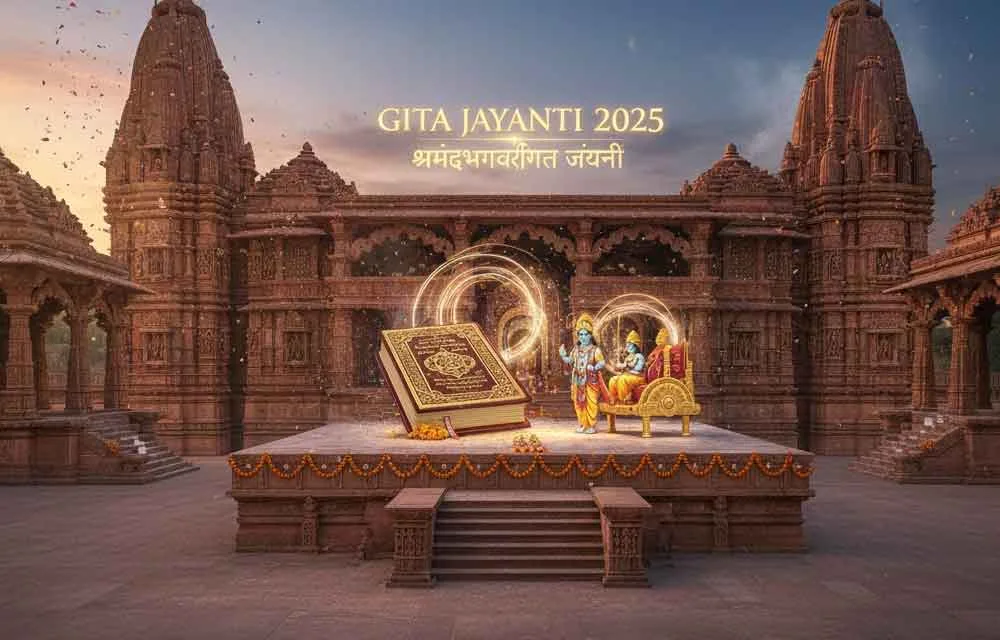
The 5-Day Diwali Festival in the UK 2026: Dhanteras to Bhai Dooj for Hindu Britons
The five days of Diwali 2026 in the UK run from Dhanteras on Friday 6 November to Bhai Dooj on Tuesday 10 November. Rituals, sunset times and practical tips for each day.
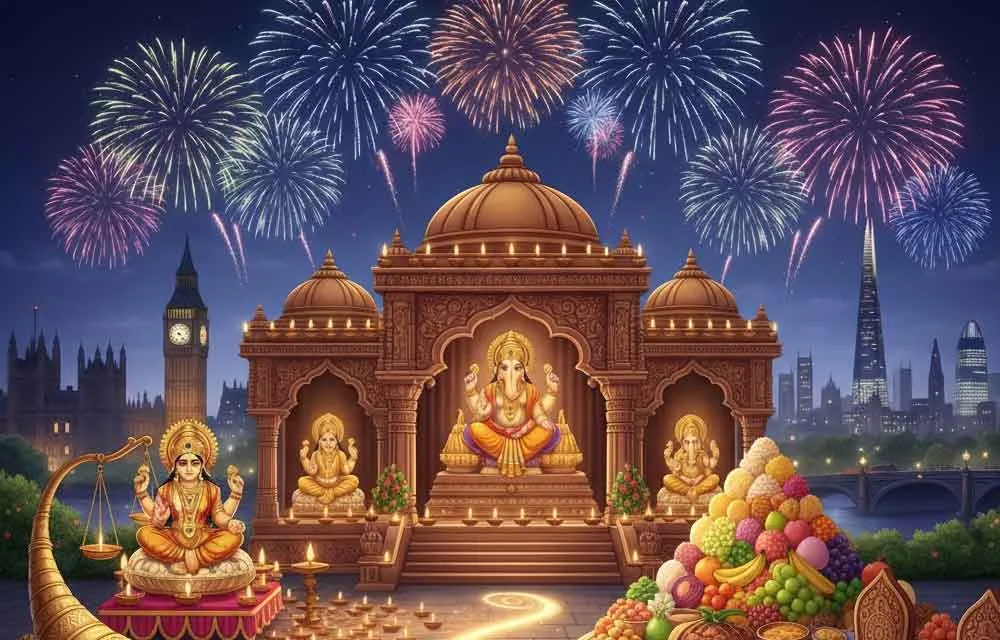
The five days of Diwali 2026 in the UK run from Dhanteras on Friday 6 November to Bhai Dooj on Tuesday 10 November. Rituals, sunset times and practical tips for each day.
Quick answer
The five days of Diwali 2026 in the UK, according to Drik Panchang: Dhanteras Friday 6 November, Naraka Chaturdashi (Chhoti Diwali) Saturday 7 November, Diwali / Lakshmi Puja Sunday 8 November, Govardhan Puja Monday 9 November and Bhai Dooj Tuesday 10 November. Lakshmi Puja is done in the Pradosh Kaal after local sunset (4:22 PM in London on 8 November). Because 2026 has an extra lunar month, Diwali comes about three weeks later than last year.
From Leicester's Belgrave Road to Wembley, Southall, Harrow, Birmingham and Manchester, Britain's Hindu communities turn the darkest weeks of autumn into a festival of light. Here is what each of the five days means, how families observe it in the UK, and how to plan your 2026 celebrations.
Diwali 2026 in the UK at a glance
| Day | Date (UK) | Festival | Key ritual |
|---|---|---|---|
| 1 | Fri 6 Nov | Dhanteras | Dhanvantari and Lakshmi puja; Yama Deepam at dusk |
| 2 | Sat 7 Nov | Naraka Chaturdashi / Chhoti Diwali | Pre-dawn abhyanga snan; first diyas |
| 3 | Sun 8 Nov | Diwali / Lakshmi Puja | Lakshmi-Ganesh puja after sunset |
| 4 | Mon 9 Nov | Govardhan Puja / Annakut; Gujarati New Year | Annakut offering to Krishna |
| 5 | Tue 10 Nov | Bhai Dooj | Sisters apply tilak to brothers |
| City | Sunset Fri 6 Nov | Sunset Sun 8 Nov |
|---|---|---|
| London | 4:25 PM | 4:22 PM |
| Leicester | 4:25 PM | 4:22 PM |
| Birmingham | 4:29 PM | 4:25 PM |
Sunset marks the start of the Pradosh Kaal, the window for the Dhanteras and Lakshmi Puja. Confirm the exact muhurat for your city on Drik Panchang.
Day 1: Dhanteras (Friday 6 November)
Dhanteras opens the festival by honouring Lord Dhanvantari, who rose from the churning of the ocean with the pot of amrit, and Goddess Lakshmi. Families pray for health as well as wealth, and buying a small item of gold, silver or a new steel vessel is considered auspicious. At dusk a lamp is lit for Yama, facing south, to protect the household.
How UK families observe it
- Clean the house and set up the puja corner for the next three days.
- Buy a silver coin, jewellery or kitchen utensil, or simply a new broom, which is also traditional.
- Perform a short Dhanvantari and Lakshmi-Kubera puja after sunset and light the Yama Deepam.
- Many UK temples hold evening Lakshmi pujas; check your local mandir for its 2026 programme.
Day 2: Naraka Chaturdashi / Chhoti Diwali (Saturday 7 November)
Naraka Chaturdashi remembers Lord Krishna's victory over the demon Narakasura and the freeing of the people he held captive. It is a day of cleansing before the main festival. In Gujarati homes it is also observed as Kali Chaudas.
- Wake before dawn for an abhyanga snan, an oil massage followed by a bath with ubtan.
- Light a few diyas in the evening and finish the rangoli outline.
- Since it falls on a Saturday in 2026, it is a good day for family shopping for sweets, decorations and new clothes.
Day 3: Diwali / Lakshmi Puja (Sunday 8 November)
The heart of the festival celebrates Lord Rama's return to Ayodhya after defeating Ravana, the triumph of light over darkness. On Amavasya night Goddess Lakshmi is believed to visit clean, well-lit homes, so families light rows of diyas and perform the Lakshmi-Ganesh puja.
Rituals at home
- Decorate the entrance with rangoli and torans; place diyas on window sills and at the door.
- Set up the altar with images of Lakshmi and Ganesha, a kalash, coins, sweets and flowers.
- Perform the Lakshmi Puja in the Pradosh Kaal after sunset, then the aarti.
- Share mithai with neighbours and enjoy a festive meal with family.
With Diwali falling on a Sunday in 2026, many families will be able to celebrate together without taking leave. For the full puja vidhi, see our Lakshmi Puja 2026 guide.
Community celebrations
Leicester is famous for one of the largest Diwali celebrations outside India, traditionally with a lights switch-on and a Diwali Day gathering on the Golden Mile along Belgrave Road. London usually hosts a public celebration organised by the Mayor, and the BAPS Shri Swaminarayan Mandir in Neasden and ISKCON's Bhaktivedanta Manor near Watford draw large crowds. Birmingham and Manchester have their own community and temple events. Dates and programmes change each year, so check your city council, temple or local association for 2026 details.
Day 4: Govardhan Puja / Annakut (Monday 9 November)
Govardhan Puja recalls Krishna lifting Govardhan Hill on his little finger to shelter the people of Vraj from Indra's storms. Devotees offer an Annakut, a "mountain of food" of many vegetarian dishes, in gratitude for nature's bounty. For Gujarati families the day is also the Hindu New Year (Bestu Varas).
- Temples, especially Swaminarayan and ISKCON centres, prepare large Annakut displays for darshan.
- At home, offer a small Annakut of sweets and savoury dishes and do pradakshina around it.
- Greet elders with "Saal Mubarak" or "Nutan Varsh Abhinandan" for the new year.
Note that Govardhan Puja falls on Tuesday 10 November in India, so relatives there will celebrate a day after you. See Govardhan Puja / Bali Padyami 2026.
Day 5: Bhai Dooj (Tuesday 10 November)
Bhai Dooj honours the bond between brothers and sisters, recalling Yamuna welcoming her brother Yama. Sisters apply tilak, perform aarti and pray for their brother's long life; brothers give gifts and promise protection.
- Prepare a thali with roli, rice, a diya and sweets.
- Since it falls on a working Tuesday, many families celebrate in the evening.
- Siblings in India celebrate on Wednesday 11 November, so plan your video call accordingly.
More in our Bhai Dooj 2026 guide.
Practical tips for Diwali 2026 in the UK
- Muhurat: use Drik Panchang for your city. Do not convert India's muhurat to UK time.
- Fireworks: the usual 11 PM curfew is extended to 1 AM on Diwali night. Buy only from licensed sellers and consider a public display.
- Fire safety: keep diyas away from curtains, never leave them unattended, and use LED lights in flats.
- Travel: community events attract large crowds; use public transport and check route changes in advance.
- Eco-friendly: choose clay or beeswax diyas and give surplus sweets to food banks or shelters.
- School and work: let schools and employers know about Bhai Dooj and Govardhan Puja; many UK schools welcome Diwali assemblies.
Frequently asked questions
When is Diwali 2026 in the UK?
Diwali (Lakshmi Puja) is on Sunday 8 November 2026. The five days run from Dhanteras on Friday 6 November to Bhai Dooj on Tuesday 10 November, according to Drik Panchang for the UK.
What time is Lakshmi Puja in London?
Lakshmi Puja is done in the Pradosh Kaal after local sunset. On 8 November sunset is 4:22 PM in London and Leicester and 4:25 PM in Birmingham. Confirm the exact muhurat for your city on Drik Panchang; India's timing does not apply in the UK.
Why are Govardhan Puja and Bhai Dooj a day earlier in the UK than in India?
The tithis are calculated from local sunrise. In 2026 Drik Panchang lists Govardhan Puja on Monday 9 November and Bhai Dooj on Tuesday 10 November for the UK, compared with 10 and 11 November in India.
Can I set off fireworks on Diwali night in the UK?
Under UK fireworks rules, the usual 11 PM curfew is extended to 1 AM on Diwali night. Check local council guidance and consider a licensed public display instead.
Why is Diwali so late in 2026?
2026 has an extra lunar month (adhika masa), so Diwali and the festivals around it fall about three weeks later than last year.
Editor's note (4 October 2026)
This guide has been updated for 2026 using Drik Panchang dates for the UK and local sunset times. We have removed last year's dates, muhurat times and event listings. We list no specific 2026 events because programmes had not been confirmed when we updated the page; check your local temple, council or association.
Related guides
You might also like
Hindu Festival Calendar 2026–2027: Complete Year Guide | HinduTone
Gayatri Jayanti 2026: Date, Gayatri Mantra, Puja Vidhi & Significance
Jyeshtha Masam 2026: Dates, Significance, Festivals, Mantras, and Danas – Complete Guide