Festival of lights Diwali | How Diwali is celebrated in India
Diwali, also known as the festival of lights, is celebrated every October.
Diwali, also known as the festival of lights, is celebrated every October.
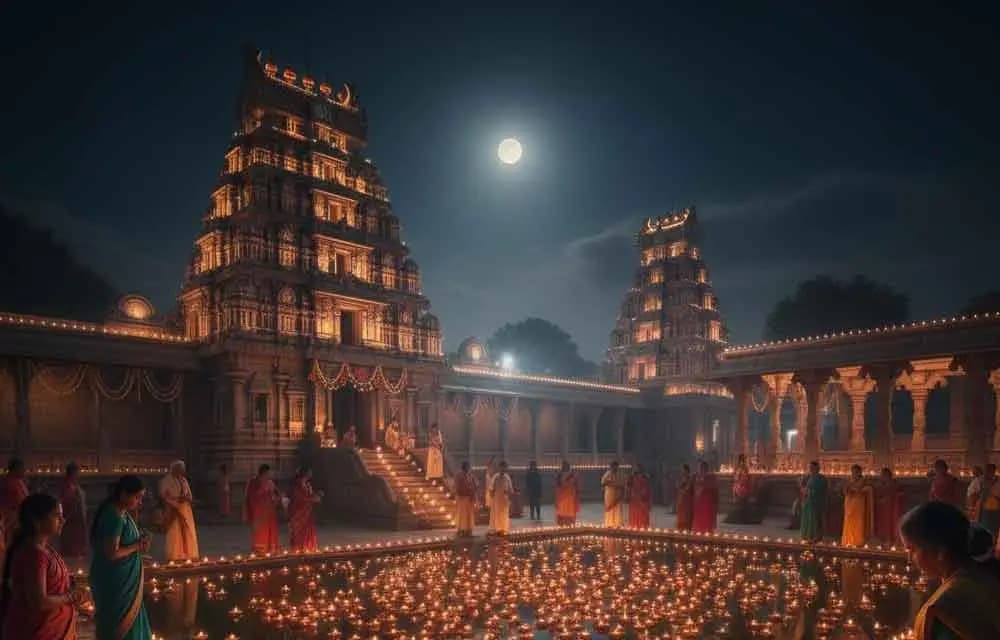
Diwali, also known as the festival of lights, is celebrated every October. The word ‘Diwali’ originated from the Sanskrit word ‘Deepavali’ where ‘deepa’ means ‘light’ and ‘vali’ means ‘row’; thus a row of lights, which is exactly seen in homes during this time. Diwali is celebrated on Amavasya or ‘no moon day' according to the Hindu calendar. It is celebrated by Hindus, Jains, and Sikhs. It is considered as a celebration of good over evil. On this day people light up the homes and hearts of communities all over the world. During the five days, houses are lit up by diyas and candles, and the exteriors are often decorated with electric lights.
Many stories depict the celebration of Diwali in Hindu mythology. Lord Rama’s return to Ayodhya with his wife Sita Devi, and brother Lakshmana, after 14 years spent in exile. Villagers used festive lights to light the path for Rama, who had defeated the demon king Ravana, relieving people from the shackles of darkness. Stories of Lord Rama and Ramayana mark the celebration of Diwali in some areas. Another victorious event that marks this day more auspicious is Lord Krishna defeating the demon Narakasura, who ruled Pragjyotishapura, which explains why some people also celebrate their freedom in the form of the festival, Diwali.
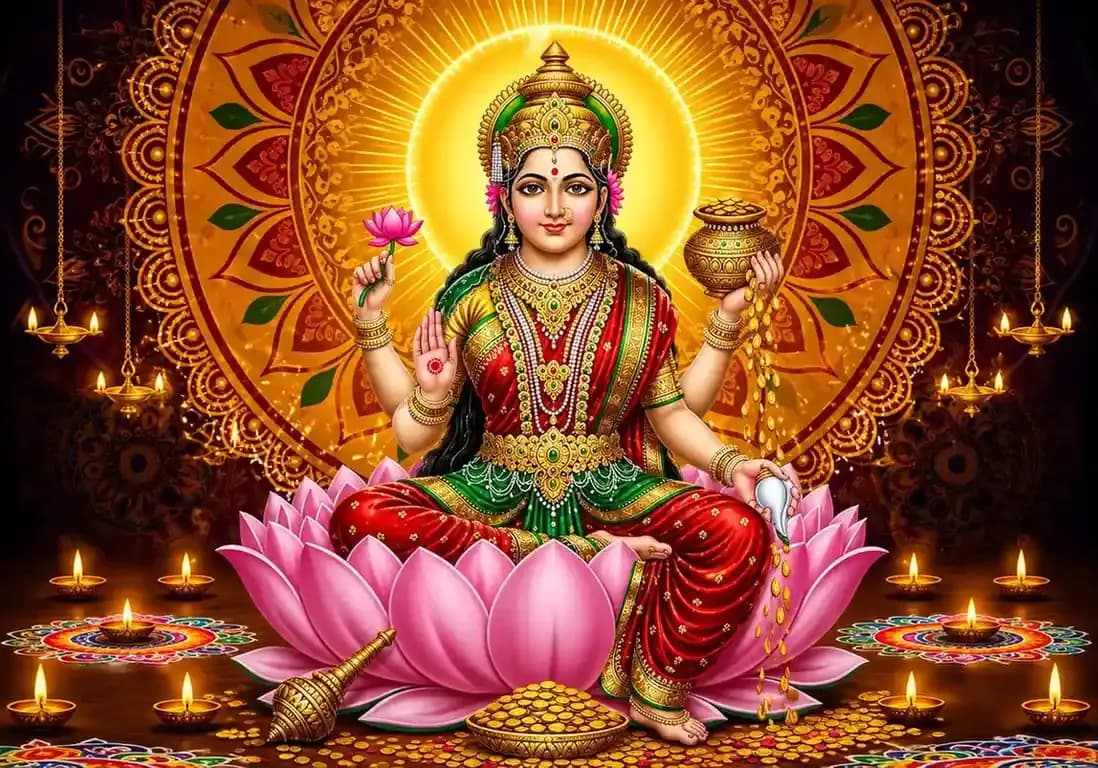
Hindu Goddess Lakshmi is celebrated and worshipped as the Goddess of Prosperity around the country during Diwali. She is said to have chosen Lord Vishnu to be her husband on the night of Diwali. An elaborate puja is performed to bring in the new year with all luck and prosperity as per the Hindu calendar. Families dress up in festive finery. During the puja rituals, the main door is kept open as a symbol of inviting the Goddess into homes to bring in good wealth and health.
On this day people welcome each other by gifting and enjoying sweets. Friends, family, neighbors, and acquaintances exchange boxes of colorful delicious Indian sweets, such as ladoos, barfis, pedas, and jalebis. Dry fruits and chocolates also find their way into the boxes.
On Diwali, the air is filled with the smell of incense and burning crackers marked as a treat to watch. Some people celebrate Diwali in a loud and colorful way whereas others enjoy spending time with their family enjoying the bite of sweets.
Finally, HinduTone wishes everyone reading this a happy, safe, and ladoos filled Diwali!
What are the five days of Diwali and what does each day signify?
Diwali is not a single-day event but a five-day festival spanning the last two days of the Hindu month of Ashwin and the first three days of Kartik. The first day, Dhantrayodashi or Dhanteras, falls on the thirteenth lunar day and is dedicated to Dhanvantari, the divine physician who emerged from the churning of the cosmic ocean (Samudra Manthan) bearing the pot of nectar. On this day, households traditionally purchase gold, silver, or new utensils as a symbol of welcoming Lakshmi's blessings into the home.
The second day, Naraka Chaturdashi, commemorates Lord Krishna's victory over the demon Narakasura and is observed with an early pre-dawn oil bath, symbolising purification from sin. The third day is the main Amavasya night of Lakshmi Puja. The fourth day, Kartik Shukla Pratipada, is celebrated as Govardhan Puja in northern India, honouring Lord Krishna's lifting of Govardhan Hill to shelter the people of Vrindavana from Indra's wrath, an episode narrated in the Bhagavata Purana. The fifth and final day, Bhai Dooj (Yama Dwitiya), celebrates the bond between brothers and sisters, echoing the meeting of Yama and his sister Yamuna.
How is Lakshmi Puja performed on the night of Diwali?
Lakshmi Puja on Diwali Amavasya follows a structured Vedic ritual sequence rooted in the Skanda Purana and regional Puja Paddhatis. The household shrine is cleaned and decorated with rangoli patterns made from rice flour or coloured powders, often depicting lotus flowers, the preferred seat of Goddess Lakshmi. An idol or image of Lakshmi is placed alongside Lord Ganesha, who is always worshipped first as Vighnaharta, the remover of obstacles, before any major puja.
The puja involves the offering of panchamrita (a mixture of milk, curd, honey, ghee, and sugar), fresh flowers, kumkuma, turmeric, and seasonal fruits. Merchants and traders perform Chopda Pujan on this night, consecrating new account books for the incoming financial year, a tradition especially strong in Gujarat and Rajasthan. The main door is left open and a trail of small diyas is lit from the threshold inward, physically enacting the invitation for the Goddess to enter and bless the household with Ashta Lakshmi — the eightfold abundance described in the Shri Sukta of the Rigveda.
Why is Diwali celebrated differently across different regions of India?
India's geographic and cultural diversity means that Diwali draws from multiple Puranic narratives depending on the region. In the states of Odisha and West Bengal, the night is dedicated to Kali Puja, honouring Goddess Kali who, according to the Markandeya Purana, slew the demons Chanda and Munda to restore cosmic order. Grand images of Goddess Kali are installed in public pandals, and the night is marked with devotional singing called Shyama Sangeet.
In Tamil Nadu and Kerala, Naraka Chaturdashi holds greater prominence than the Amavasya puja, with families waking before sunrise for the ceremonial oil bath (Ganga Snanam) and bursting firecrackers at dawn to symbolise the destruction of Narakasura. In Maharashtra, the festival includes Abhyanga Snan and the preparation of the traditional sweet Faral — a platter of delicacies including Chakli, Karanji, and Anarse. Gujarat celebrates the Diwali period as the start of a new Vikram Samvat year and observes the tradition of Annakut, the offering of a mountain of cooked food to the deity, particularly in Vaishnava temples aligned with the Pushti Marga tradition of Vallabhacharya.
What is the significance of the diya in Hindu spiritual thought?
The diya, a small clay lamp fuelled by ghee or sesame oil with a cotton wick, is far more than a decorative object in Hindu practice. The Brihadaranyaka Upanishad famously contains the prayer 'Tamaso ma jyotirgamaya' — lead me from darkness to light — which encapsulates the spiritual intent behind every lamp lit during Diwali. The flame is understood as a manifestation of Agni, the sacred fire deity, and lighting a diya before a deity is considered an act of Pradeepa Seva, one of the Shodashopachara (sixteen forms of worship).
Clay diyas carry additional symbolic weight because they are made from Pancha Bhuta — the five elements. The clay body represents earth, the oil or ghee represents water, the wick represents space and air, and the flame itself represents fire. Lighting diyas in a row around the home on Amavasya, the darkest night of the lunar cycle, is a direct ritual enactment of the principle that even a single small light can overcome complete darkness — a metaphor that runs through Vedanta philosophy as well as Diwali's narrative mythology.
How do Jain and Sikh communities observe Diwali and what connects their celebration to Hindu tradition?
For the Jain community, Diwali holds profound sacred significance as the nirvana tithi — the liberation day — of Bhagavan Mahavira, the twenty-fourth Tirthankara, who attained moksha at Pawapuri in Bihar on the Amavasya of Kartik. The Jain canonical text Kalpa Sutra records that the gods themselves illuminated the darkness of that night with celestial lights, a moment that earthly devotees re-enact every year by lighting diyas. Jain Diwali emphasises meditation, fasting, and study of scripture rather than festive noise.
In the Sikh tradition, Diwali coincides with Bandi Chhor Divas, the Day of Liberation, which commemorates the release of Guru Hargobind Sahib Ji, the sixth Sikh Guru, from the Gwalior Fort in 1619 CE by the Mughal Emperor Jahangir. According to historical Sikh sources, Guru Hargobind secured the release of fifty-two other imprisoned Hindu kings along with himself, and upon his arrival at the Harmandir Sahib (Golden Temple) in Amritsar, devotees lit the entire complex with diyas in celebration. The shared symbol of light as liberation — whether from the ignorance described in the Upanishads, the demonic tyranny of Ravana or Narakasura, or imperial imprisonment — is the common spiritual thread that unites Diwali across all three traditions.
Frequently Asked Questions
When is Festival of lights Diwali?
Festival of lights Diwali is observed on its traditional tithi in the Hindu lunar calendar; refer to the year's panchang for the exact date in your region.
What is the significance of Festival of lights Diwali?
Diwali , also known as the festival of lights, is celebrated every October. The word ‘Diwali’ originated from the Sanskrit word ‘Deepavali’ where ‘deepa’ means ‘light’ and ‘vali’ means ‘row’; thus a row of lights, which is exactly seen in homes during this time.
How is Festival of lights Diwali celebrated?
Devotees observe it with puja, fasting or special offerings, visiting temples, chanting mantras, and gathering with family. Customs vary by region and tradition.
What should devotees do on Festival of lights Diwali?
Take a sacred bath, perform the day's puja and charity (dana), observe any prescribed fast, and chant mantras with sincere devotion.
You might also like
June 2026 Hindu Festival Calendar — Complete Dates, Vrat & Puja Guide for NRIs
Hindu Festival Calendar 2026 — Complete Guide for NRIs (Dates, Tithis, Puja)
Karthika Masam 2026: Dates, Rituals, Vrat, Festivals & North vs South India Guide