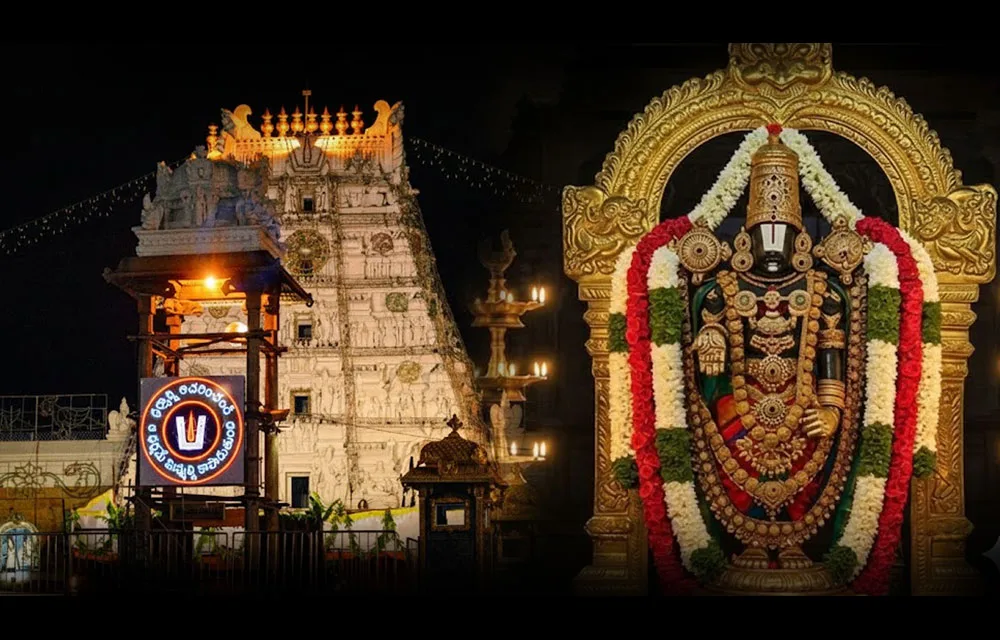
Ganesh Chaturthi WhatsApp Status Messages - Complete Collection for Devotees
Spread Joy, Devotion & Blessings with Perfect Status Updates for Lord Ganesha's Festival Introduction: Celebrating Ganesh Chaturthi Digitally Ganesh Chaturthi,…
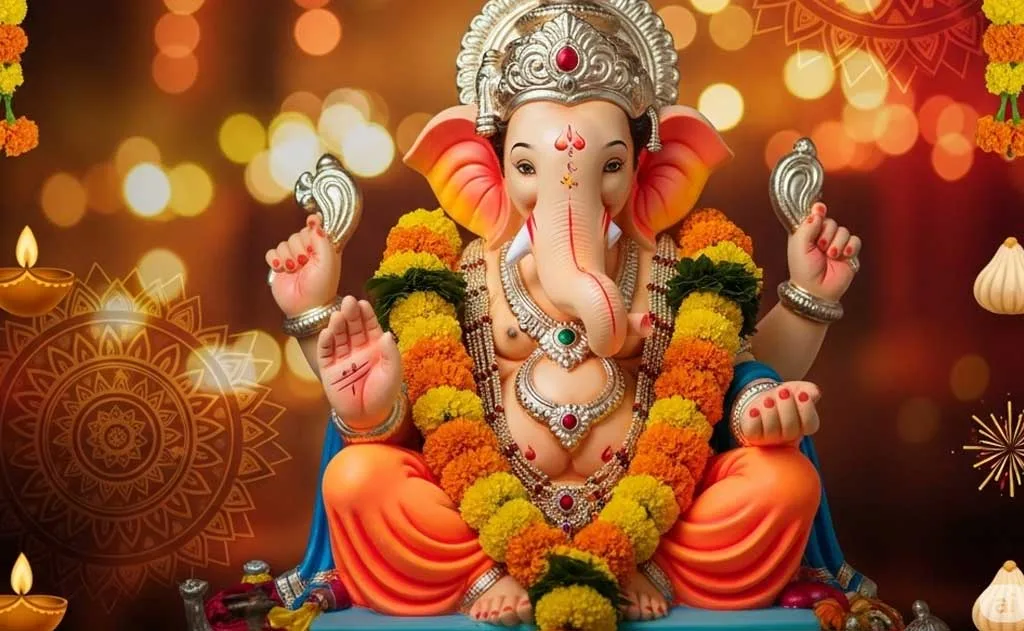
Spread Joy, Devotion & Blessings with Perfect Status Updates for Lord Ganesha's Festival Introduction: Celebrating Ganesh Chaturthi Digitally Ganesh Chaturthi,…
Spread Joy, Devotion & Blessings with Perfect Status Updates for Lord Ganesha's Festival
Introduction: Celebrating Ganesh Chaturthi Digitally
Ganesh Chaturthi, one of the most beloved Hindu festivals, celebrates the birth of Lord Ganesha - the remover of obstacles and harbinger of good fortune. In today's digital age, sharing your devotion and festival spirit through WhatsApp status messages has become a beautiful way to connect with family, friends, and the global Hindu community.
Whether you're looking for devotional quotes, festive greetings, or inspirational messages about Bappa, this comprehensive collection offers the perfect WhatsApp status for every moment of the 11-day Ganesh Chaturthi celebration.
Traditional Devotional Status Messages
Sanskrit Shlokas & Mantras
Classic Invocations:
वक्रतुण्ड महाकाय सूर्यकोटि समप्रभ।
निर्विघ्नं कुरु मे देव सर्वकार्येषु सर्वदा॥
Vakratunda Mahakaya Surya Koti Samaprabha
Nirvighnam Kuru Me Deva Sarva Karyeshu Sarvada
गणानां त्वा गणपतिं हवामहे
कविं कवीनामुपमश्रवस्तमम्।
ज्येष्ठराजं ब्रह्मणां ब्रह्मणस्पत आ नः शृण्वन्नूतिभिः सीद सादनम्॥
श्री गणेशाय नमः
Om Gam Ganapataye Namaha
May Lord Ganesha remove all obstacles from our path
And bless us with wisdom, prosperity & happiness
Hindi Devotional Messages
गणेश जी का आशीर्वाद हमेशा आप पर बना रहे
हर मुश्किल हो आसान, हर राह हो सुगम
गणेश चतुर्थी की हार्दिक शुभकामनाएं!
मोदक प्रिय गणराज, विघ्न विनाशक गजानन
आपके चरणों में नमन, देते हैं हम यह निवेदन
सुख-समृद्धि और खुशियों से भरा हो हमारा जीवन
लम्बोदर गजानन, मंगल करता गणेश
हर घर में खुशियां लाए, पूरे करे सभी इच्छाएं
गणेश चतुर्थी की शुभकामनाएं!
English Devotional Messages
May Lord Ganesha's trunk sweep away all your worries
His large ears hear all your prayers
And his divine presence fill your home with joy & prosperity
Happy Ganesh Chaturthi!
From new beginnings to removing obstacles
From bringing wisdom to granting success
Lord Ganesha is always there for us
Blessed to celebrate His divine birth!
The elephant-headed God who rides a mouse
Teaches us that no challenge is too big
And no solution is too small
Ganpati Bappa Morya!
Who is Ganesha? The Scriptural Foundation Behind the Festival
Lord Ganesha, known by 108 names catalogued in the Ganesha Sahasranama, is first invoked in the Rigveda (2.23.1) as Ganapati — the lord of all ganas, or divine hosts. The shloka 'Gaṇānāṃ tvā Gaṇapatiṃ havāmahe' establishes his supreme position even among the oldest Vedic hymns, predating the narrative elaborations found in later Puranas.
The Mudgala Purana and the Ganesha Purana are the two primary texts devoted entirely to his glory, describing his eight principal forms known as Ashtavinayaka. These eight manifestations — Mayureshwar, Siddhivinayak, Ballaleshwar, Varadavinayak, Chintamani, Girijatmaj, Vighnahar, and Mahaganapati — are enshrined at eight sacred sites across Maharashtra, each linked to a specific mythological episode. Understanding these roots adds spiritual depth to every status message a devotee shares.
The Shiva Purana narrates the most widely known origin story: Goddess Parvati formed Ganesha from the turmeric paste (ubtan) applied to her body, breathing life into him to stand guard at her door. His subsequent encounter with Lord Shiva and the bestowal of the elephant head are not mere mythology but convey the Tantric principle that divine wisdom (represented by the elephant's large head) must preside over brute ego.
Why 11 Days? The Significance of the Ananta Chaturdashi Conclusion
Ganesh Chaturthi begins on the Shukla Chaturthi (fourth day of the waxing moon) in the month of Bhadrapada according to the Hindu lunar calendar, typically falling in August or September. The festival spans up to eleven days, concluding on Ananta Chaturdashi, the fourteenth lunar day. The number eleven holds symbolic significance in Shaiva tradition — Shiva is worshipped as Ekadasha Rudra, the eleven forms of Rudra — and the eleven-day observance mirrors the cosmic cycle of creation, sustenance, and dissolution.
The immersion ceremony, called Ganesh Visarjan, on the eleventh day carries profound philosophical meaning. As the clay idol dissolves into water, devotees meditate on the Upanishadic teaching that all manifest forms ultimately return to the unmanifest Brahman. The Atharvashirsha Upanishad, dedicated entirely to Ganesha, declares him identical with Brahman: 'Tvam eva pratyaksham tattvam asi' — 'You alone are the visible reality.' Sharing a status message on Visarjan day that reflects this teaching can transform a simple farewell into a moment of genuine spiritual reflection.
The tradition of public celebration was famously revived and popularised by Bal Gangadhar Tilak in Pune in 1893 as a means of uniting communities during the freedom struggle. The Kesariwada courtyard in Pune's Narayan Peth neighbourhood witnessed the first large-scale public Ganeshotsav in its modern form. Today, the Shrimant Dagdusheth Halwai Ganpati temple in Pune and the Lalbaugcha Raja pandal in Mumbai draw millions of devotees annually, representing the living continuity of that tradition.
The Sacred Symbolism Hidden in Ganesha's Form
Every feature of Ganesha's iconography encodes a teaching. His large ears (shurpa karna — ears shaped like winnowing fans) symbolise the capacity to sift truth from noise, listening deeply to all prayers. His small, sharp eyes represent focused concentration — the quality of dhyana — while the single tusk (ekadanta) he retained after breaking the other to write the Mahabharata for Sage Vyasa represents the power of sacrifice in the pursuit of knowledge.
The modaka (sweet dumpling) in his hand is the reward of sadhana — spiritual sweetness that only disciplined practice can yield. The Ganesha Purana specifies that the modaka represents the inner bliss (ananda) of Self-realisation, which is why Ganesha is called Modakapriya, the lover of modakas. The mouse (mushika) at his feet, serving as his vahana or vehicle, is not an incongruous detail: it represents the gnawing of desire, completely tamed and placed under the lord's control.
The four arms hold the pasha (noose, to bind attachments), the ankusha (goad, to prod the devotee forward on the path), the broken tusk, and the modaka. When a WhatsApp status quotes Ganesha's attributes or uses his image, knowing this layered symbolism allows the message to carry genuine meaning rather than being purely ornamental.
Key Prayers and Texts Every Devotee Should Know During Chaturthi
The Ganesh Atharvashirsha (also called Ganapati Upanishad) is the most sacred text recited during Ganesh Chaturthi. It belongs to the Atharva Veda tradition and is ideally chanted twenty-one times on Chaturthi day. The text opens with the mahavakya-style declaration 'Om namaste Ganapataye' and proceeds to identify Ganesha with the five elements, the three gunas, and ultimately with the Parabrahman itself. Many devotees recite it at sunrise as part of the pratah-smarana (morning remembrance).
The Sankata Nasana Ganesha Stotram from the Narada Purana and the Ganesha Dwadasha Nama Stotra (twelve sacred names) are shorter alternatives suitable for daily recitation throughout the eleven days. The twelve names — Sumukha, Ekadanta, Kapila, Gajakarnaka, Lambodara, Vikata, Vighnanashaka, Vinayaka, Dhumraketu, Ganadhyaksha, Bhalachandra, and Gajanana — each correspond to a specific boon and are traditionally chanted before beginning any new endeavour.
Incorporating a line from the Atharvashirsha or one of these stotras into a WhatsApp status, rather than a generic greeting, elevates the message and invites the recipient to engage with the actual scriptural tradition of the festival.
Regional Traditions of Ganesh Chaturthi Across India
While Maharashtra hosts the most elaborate public celebrations, Ganesh Chaturthi is observed with distinct regional flavours across the country. In Andhra Pradesh and Telangana, the festival is called Vinayaka Chavithi and features the preparation of undrallu (steamed rice dumplings) as the primary naivedya offering, drawing on the local agricultural tradition. The Kanipakam Vinayaka temple near Chittoor, Andhra Pradesh, witnesses lakhs of pilgrims during this period; the self-manifested (swayambhu) idol there is believed to grow in size over time.
In Tamil Nadu, the festival is observed as Vinayagar Chaturthi, and the Rockfort Ucchi Pillayar temple in Tiruchirappalli and the Kapaleeshwarar temple complex in Chennai see significant observances. Karnataka celebrates with the installation of Ganesha idols made from natural, locally sourced clay following traditional Panchabhuta principles. In Goa, the Mangueshi and Mahalsa temples draw devotees who perform the unique practice of Ganesh processions through village lanes called mandes.
North Indian households observe a smaller but deeply personal version of the festival, installing a clay or brass murti at home for one and a half days (Dheḍ Ganapati sthapana) or five days, following the Skanda Purana's instruction that even a brief installation done with pure intention yields full fruit. These regional variations remind us that Ganesha's worship is not uniform but gloriously diverse — a richness worth reflecting in the status messages we share.
How to Make Your Digital Devotion Meaningful Beyond Status Updates
Sharing a WhatsApp status during Ganesh Chaturthi is a form of modern sankirtana — the public proclamation of the divine name and glory. The Bhagavata Purana (7.5.23) lists shravana (hearing), kirtana (proclaiming), and smarana (remembering) among the nine forms of bhakti; a well-chosen status message participates in all three simultaneously when it carries a genuine mantra or shloka.
Devotees may consider pairing their status message with a personal sankalpa (resolve) — committing to one spiritual practice for the eleven days, such as daily recitation of the Atharvashirsha, offering durva grass (a preferred item in Ganesha puja according to the Ganesha Purana) each morning, or observing a fast on Chaturthi day itself. This transforms the digital act of sharing into an anchor for deeper personal observance.
It is also worth remembering the traditional warning in Shastra against viewing the moon (chandra darshana) on Vinayaka Chaturthi night. The Bhagavata Purana narrates how Chandra (the moon god) laughed at Ganesha's form, earning a curse; inadvertently seeing the moon is said to invite false accusations. Passing along this piece of genuine Puranic lore through a status message is a service to one's community — an act of dharmic sharing that goes well beyond a simple festive greeting.
Frequently Asked Questions
When is Ganesh Chaturthi WhatsApp Status Messages?
Ganesh Chaturthi WhatsApp Status Messages is observed on its traditional tithi in the Hindu lunar calendar; refer to the year's panchang for the exact date in your region.
What is the significance of Ganesh Chaturthi WhatsApp Status Messages?
Spread Joy, Devotion & Blessings with Perfect Status Updates for Lord Ganesha 's Festival Introduction: Celebrating Ganesh Chaturthi Digitally Ganesh Chaturthi, one of the most beloved Hindu festivals, celebrates the birth of Lord Ganesha - the remover of obstacles and harbinger of good fortune. In today's digital age, sharing your devotion and festival spir
How is Ganesh Chaturthi WhatsApp Status Messages celebrated?
Devotees observe it with puja, fasting or special offerings, visiting temples, chanting mantras, and gathering with family. Customs vary by region and tradition.
What should devotees do on Ganesh Chaturthi WhatsApp Status Messages?
Worship Lord Ganesha, perform the day's puja and offerings, observe the fast where prescribed, and chant the associated mantras with devotion.
You might also like
Jyeshtha Masam 2026: Dates, Significance, Festivals, Mantras, and Danas – Complete Guide
Gita Jayanti 2026 Prasad Recipes — Tulsi-Honoring Sweets, Krishna's Favourites & December 20 Bhog Plate
Maha Shivratri 2026 Vrat Recipes — Sabudana Khichdi, Singhada Halwa, Phalahara Foods Complete Fasting Guide