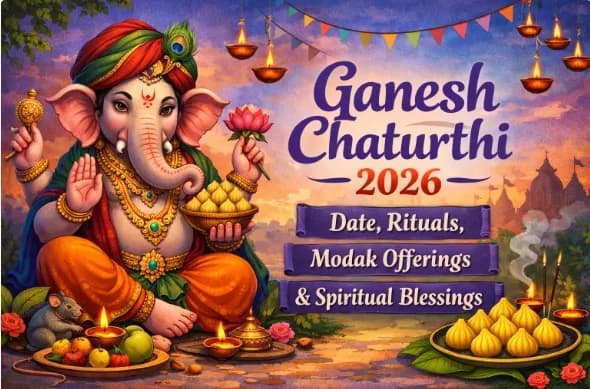
Ganesh Mandapam Rules in Canada: Province & City Compliance Guide
A province-by-province guide to setting up a temporary Ganesh Mandapam in Canada — building-permit thresholds (60 m²), flame-resistance (CAN/ULC-S109), special-event and development permits, environmental immersion rules and organiser checklists for the GTA, Vancouver, Calgary, Edmonton and Montreal.
A province-by-province guide to setting up a temporary Ganesh Mandapam in Canada — building-permit thresholds (60 m²), flame-resistance (CAN/ULC-S109), special-event and development permits, environmental immersion rules and organiser checklists for the GTA, Vancouver, Calgary, Edmonton and Montreal.
Quick answer: Canada has no national "Ganesh Mandapam" law. Temporary tents are governed by provincial building/fire codes: a tent or cluster of 60 m² or more (or within 3 m of structures) usually needs a building permit, fabric must meet CAN/ULC-S109, and special-event, insurance and strict water-immersion rules apply. Always confirm with your municipality.
Ganesh Chaturthi celebrations among Canadian Hindu communities feature home pujas, temple programs and community mandapams (temporary tents, marquees or structures for the murti of Lord Ganesha). Canada has no national "Ganesh Mandapam" law. Requirements fall under provincial building and fire codes, municipal special-event and development permits, zoning/land-use bylaws, noise rules, health regulations and strict environmental protections for water bodies.
This guide covers general Canadian principles and practical rules for major centres with significant Hindu populations (Greater Toronto Area, Vancouver area, Calgary, Edmonton, Montreal and others). Always confirm current requirements with your local municipality — engage early with building departments, fire services, special-events offices and environmental authorities, ideally several weeks to months ahead for larger events.
Why compliance matters
Temporary structures for public or community gatherings are treated as buildings under provincial codes for life safety. Non-compliance can result in permit denial, stop-work orders, fines, event cancellation or liability exposure. Religious events receive no automatic exemption from building, fire or environmental rules.
General Canadian framework for temporary mandapams
Building permits for tents and temporary structures
Most provinces base rules on the National Building Code (with provincial editions) and National Fire Code. A common threshold: a tent or group of tents with an aggregate area of 60 m² (~645 sq ft) or more, or tents closer than 3 m to other structures, usually requires a building permit. Smaller tents may be exempt if they meet spacing and duration conditions, but fire and safety codes still apply. Larger tents, or those with sidewalls, bleachers, stages or higher occupant loads, often need engineered drawings, professional review and inspections. Flame-resistant fabric meeting CAN/ULC-S109 (or NFPA 701) is typically required, with certificates on site; ground within ~3 m must be cleared of flammable materials.
Special-event, development and other permits
Public parks, streets or municipal land almost always require a special-event permit; private-property events may need development permits depending on duration, zoning and impact. Food service, alcohol, amplified sound, road closures and generators trigger additional approvals from health authorities, liquor boards or traffic departments. Noise bylaws are strictly enforced in residential areas.
Environmental rules and Visarjan (immersion)
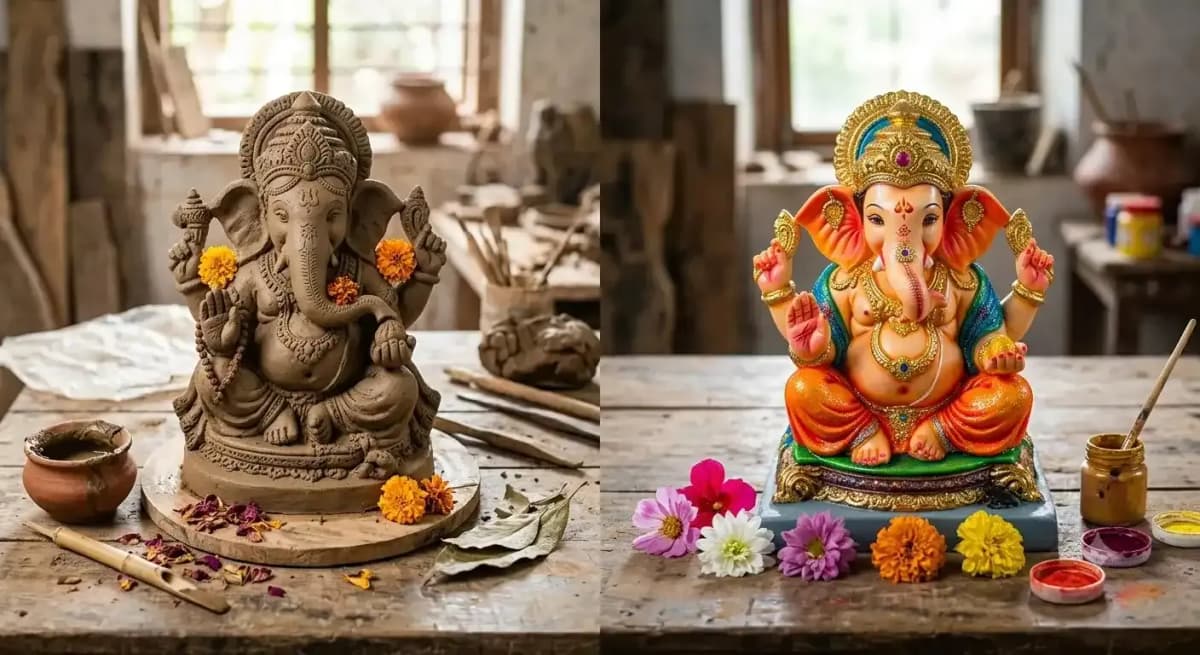
Federal laws (Canadian Environmental Protection Act, Fisheries Act) and provincial/municipal rules generally prohibit disposing of non-natural materials into natural water bodies. Direct immersion in lakes, rivers or oceans is typically not permitted without special authorisation and is rarely granted for festivals. Preferred options are temple immersion tanks, artificial tanks with proper disposal, or symbolic home immersion. Eco-friendly clay or natural-material idols are strongly encouraged. Public-liability insurance is commonly required (often $2–5 million or higher).
Major cities and provinces
Ontario — Greater Toronto Area (Toronto, Mississauga, Brampton, Markham)
Ontario Building Code rules apply. A building permit is generally required for a tent or group of tents with aggregate area of 60 m² or more, tents attached to buildings, or tents less than 3 m from adjacent structures; larger tents or those with sidewalls/bleachers/stages often need professional engineering. Toronto and surrounding municipalities require building permits for qualifying tents and special-event permits for parks or public spaces, with fire safety plans, flame resistance (CAN/ULC-S109 or NFPA 701) and inspections. Many GTA temples (Mississauga, Brampton, Scarborough) have established practices and immersion facilities — coordinate with them and apply early through municipal portals.
British Columbia — Vancouver, Surrey, Lower Mainland
The BC Building Code treats tents as temporary structures. Permits are typically required for tents exceeding 60 m², those with bleachers/stages/sidewalls, or longer durations. Surrey limits temporary tents to a maximum of one month in any 12-month period. Structural drawings sealed by a registered professional, site/floor plans and flame-resistance documentation are commonly required. Vancouver and surrounding cities require special-event licences for public or complex private events, plus building/development approvals for larger structures.
Alberta — Calgary and Edmonton
Alberta follows the National Building Code – Alberta Edition and National Fire Code (Alberta Edition), often tiered: small clusters up to ~60 m² (meeting spacing conditions) may need no building permit; larger sizes require a permit (quick-release options may exist for mid-size); very large or complex setups need a full commercial permit and inspection. Clearances (~3 m), flame resistance (CAN/ULC-S109), cleared ground, extinguishers and no unauthorised open flames are standard. Development permits may still be needed regardless of building-permit status; check local land-use bylaws for duration limits.
Quebec — Montreal and area
Quebec has specific rules under the Régie du bâtiment du Québec (RBQ) and municipal bylaws. Larger tents used for assembly, commercial or sleeping purposes (thresholds around 100–150 m² or occupant loads of 60+) often require qualified installers with RBQ licences and declarations. Montreal temples frequently use indoor or controlled facilities. Follow French-language documentation and local arrondissement processes; contact the RBQ early.
Other areas
- Ottawa and other Ontario cities follow similar 60 m² thresholds and special-event processes.
- Smaller municipalities often mirror provincial codes with local event bylaws.
- National parks or federal land have additional Parks Canada or federal requirements.
Step-by-step process for organisers
- Choose private temple or community land where possible.
- Determine size, duration, attendance and activities (sound, food, stages).
- Contact municipal building, fire and special-events departments early.
- Prepare a site plan, structural/flame documentation, insurance and event plan.
- Apply for building, development, special-event, food and other required permits.
- Arrange inspections; do not occupy until approved.
- Implement fire safety, clear exits, extinguishers and trained stewards.
- Manage noise, waste and neighbour relations.
- Use eco-friendly idols and approved immersion methods only.
- Dismantle and restore the site promptly.
Common pitfalls
- Assuming small size or religious purpose automatically exempts permits.
- Underestimating lead times (45+ days recommended in some cities for complex permits).
- Ignoring aggregation of multiple tents or spacing rules.
- Cooking or open flames inside tents without approval.
- Attempting natural-water immersion without authorisation.
This guide is a solid foundation based on prevailing Canadian provincial and municipal frameworks. Rules are local — always verify with official municipal sources and seek professional advice for larger events. May Lord Ganesha remove all obstacles and bless your celebrations. 🙏
Frequently Asked Questions
Do small private or temple-courtyard setups need permits?
Often not if under size thresholds (commonly 60 m²) and on private land, but confirm locally and maintain fire safety.
Is amplified music allowed?
Yes, within municipal noise bylaws and any special-event conditions; residential quiet hours apply.
How should Visarjan (immersion) be done in Canada?
Use temple or artificial tanks; direct immersion in natural lakes, rivers or oceans is generally prohibited under federal and provincial environmental law without special authorisation.
Who is responsible for compliance?
Organisers and property owners share primary responsibility for compliance and safety; public-liability insurance (often $2–5 million+) is commonly required.
What is the tent building-permit threshold in Canada?
A common threshold is an aggregate tent area of 60 m² (~645 sq ft) or more, or tents closer than 3 m to other structures — though provinces and cities vary, so confirm with your municipal building department.
When is Ganesh Chaturthi 2026?
Ganesh Chaturthi 2026 falls on Monday, 14 September, with Visarjan on Anant Chaturdashi, Friday 25 September — plan permits and immersion arrangements well ahead of these dates.
You might also like
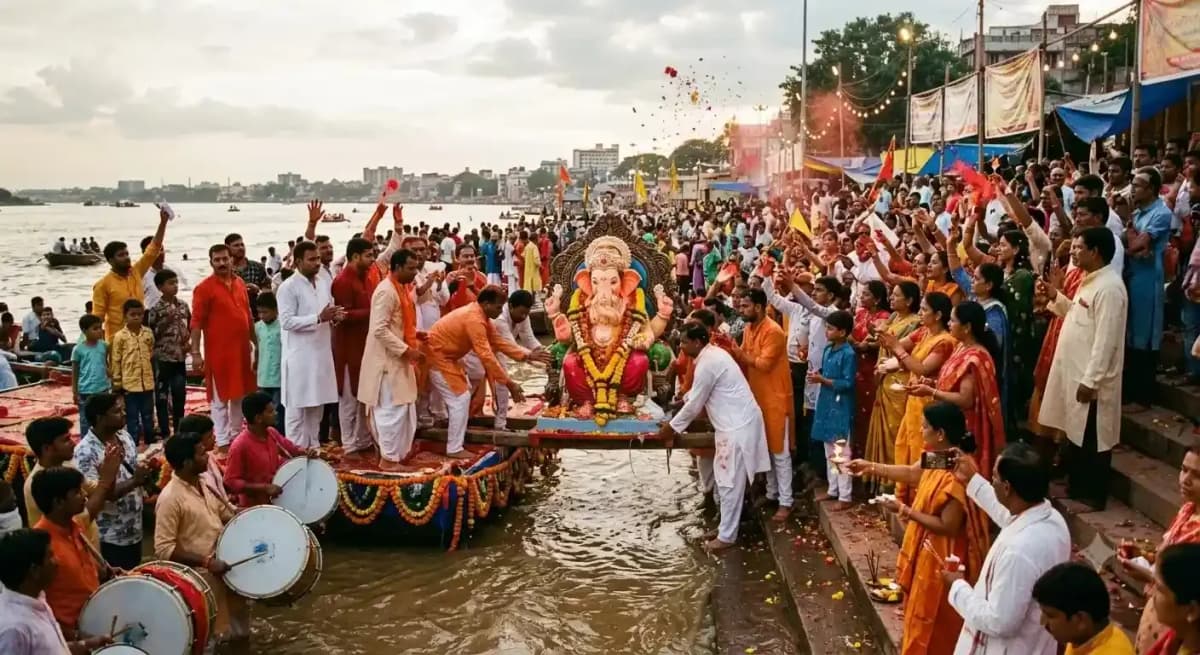
Ganesh Chaturthi in India: Celebrations Across the Country (2026 Guide)
How the UK Celebrated Ganesh Chaturthi & Visarjan 2026: A City-Wise Guide
How the USA Celebrated Ganesh Chaturthi & Visarjan 2026: A City-Wise Guide