How to Tie Rakhi According to Hindu Tradition: Wrist, Direction and Etiquette
Learn the traditional way to tie a rakhi — which wrist, which direction to face, the tilak and aarti — plus what to do for a left-handed, injured, infant or elderly sibling, and how the ritual welcomes everyone.
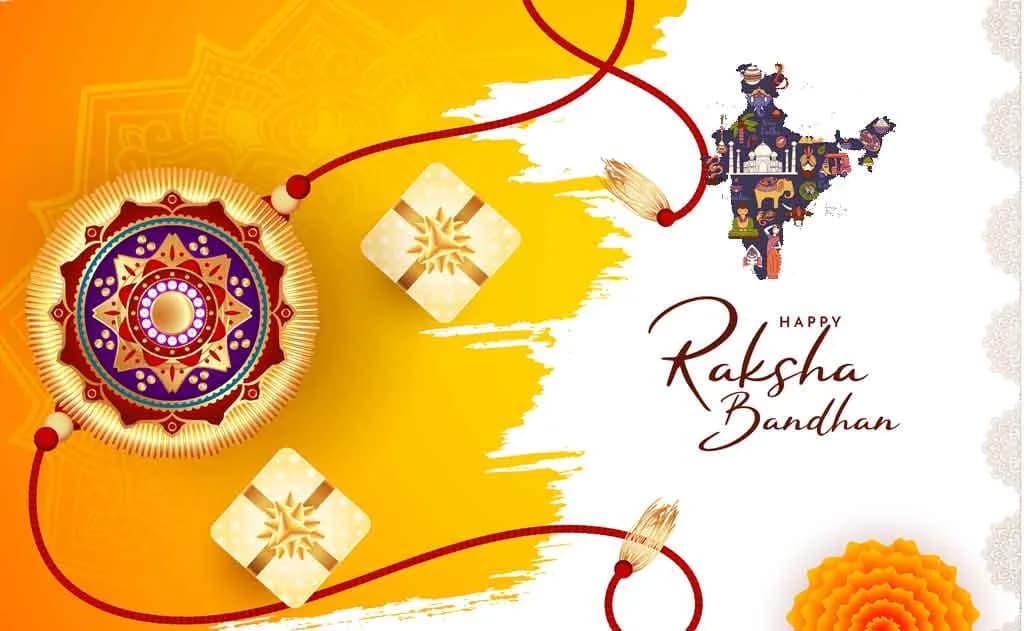
Learn the traditional way to tie a rakhi — which wrist, which direction to face, the tilak and aarti — plus what to do for a left-handed, injured, infant or elderly sibling, and how the ritual welcomes everyone.
Quick answer: Raksha Bandhan 2026 falls on Friday, 28 August 2026. Traditionally the sister applies tilak, ties the rakhi on the brother's right wrist (the brother facing east or north), performs a small aarti, offers a sweet, and prayers or gifts are exchanged. Regional customs vary, and the ritual welcomes siblings of every kind.
Tying a rakhi looks simple — a thread on a wrist — yet the small gestures around it carry centuries of meaning. This guide walks through the traditional sequence step by step: the tilak, the wrist and direction, the aarti, the sweet, and the blessing. It also explains what genuinely varies by region so you can honour your own family's way, and how to adapt gracefully when a sibling is left-handed, injured, an infant, or elderly.
In 2026, Raksha Bandhan is observed on Friday, 28 August 2026. The rakhi is usually tied during the daylight hours after the Bhadra period has passed on the 27th — something families have long watched as a matter of tradition, not fear. Always confirm the exact tie-window from a reliable local panchang, since it shifts with your city's sunrise.
- Festival: Raksha Bandhan (Rakhi)
- Date 2026: Friday, 28 August 2026
- Ties on: Brother's right wrist
- Brother faces: East or North (traditional)
- Core acts: Tilak, rakhi, aarti, sweet, blessing
- Confirm timing: From a local panchang
What you need before you begin
Assembling a small puja thali beforehand keeps the ritual calm and unhurried. Nothing here is mandatory — families use what they have — but a simple, tidy plate helps everyone be present in the moment rather than searching for items.
- A rakhi (the sacred thread or decorative band)
- Roli or kumkum and a few grains of unbroken rice (akshata) for the tilak
- A small diya or lamp for the aarti
- Sweets — anything the family loves
- A little water and a clean cloth
- Optional: a gift, an envelope, or simply folded hands
How to tie a rakhi, step by step
- Seat the brother comfortably, ideally facing east or north. Let him settle before you begin.
- Apply a tilak of roli or kumkum on his forehead, then press a few grains of rice onto it — a mark of respect and good wishes.
- Take his right hand and tie the rakhi around the right wrist. Wind it firmly but gently and knot it so it sits securely without pinching.
- Perform a brief aarti by circling the lit diya before him a few times — a gesture of light, warmth and protection.
- Offer a sweet to his mouth, and let him offer one to you; sweetness sealing the bond.
- Exchange blessings: the sister wishes her sibling well-being; the sibling promises care and often gives a gift. A quiet prayer for each other completes it.
You may add a short prayer of your own or a traditional shloka you know by heart. If you do not know one, sincere words in your own language are entirely valid — the intention matters far more than any specific formula.
Which wrist and which direction — and why
By long custom the rakhi is tied on the right wrist. In Hindu ritual the right hand is associated with giving, offering and dharmic action, so the protective thread is placed there. The brother is seated facing east (the direction of the rising sun) or north (associated with auspicious beginnings). These are meaningful conventions rather than rigid rules; if a room's layout makes another orientation practical, the warmth of the act is what counts.
| Element | Traditional practice | Meaning |
|---|---|---|
| Wrist | Right wrist | Hand of giving and dharmic action |
| Direction faced | East or North | Sunrise / auspicious beginnings |
| Tilak | Roli/kumkum + rice | Respect and blessing |
| Aarti | Circling a lit lamp | Light, warmth, protection |
| Sweet | Offered mutually | Sweetness of the bond |
How customs vary by region
Raksha Bandhan is celebrated differently across India, and every variation is equally valid. In North India it is a major sibling festival with elaborate thalis. In parts of Maharashtra and coastal regions the day coincides with Narali Purnima, when fishing communities offer coconuts to the sea. In the south it aligns with Avani Avittam / Upakarma, when many change the sacred thread (janeu). In Bengal it is linked to Jhulan Purnima and gestures of unity. Some families tie rakhis to priests, deities, soldiers, or trees. Follow the way your own elders keep.
- North India: rakhi as the central sibling ritual with festive thalis
- Maharashtra / coastal: Narali Purnima — coconuts offered to the sea
- South India: Avani Avittam / Upakarma — renewing the sacred thread
- Bengal: Jhulan Purnima and rakhis exchanged for harmony
- Widely: rakhis tied to deities, gurus, soldiers or trees
Adapting for every sibling
Tradition should serve the relationship, never strain it. A few gentle adjustments keep the ritual comfortable for everyone.
- Left-handed sibling: the right wrist remains customary, but if the left is genuinely easier or more meaningful for them, tie it there — the affection is unchanged.
- Injured or bandaged wrist: tie it loosely above the dressing, on the forearm, or on the other hand; comfort comes first.
- An infant or young child: tie a soft rakhi loosely and keep it brief, or simply place it and remove it after the tilak so it is safe.
- An elderly sibling: keep them seated and unhurried; a lighter thread and a shorter aarti are perfectly respectful.
- Distance or NRI families: post the rakhi ahead of time and tie it over a video call — the bond crosses any distance.
A bond wider than blood
Raksha Bandhan is not only for a sister and a living brother. Sisters tie rakhis to sisters; cousins, close friends and chosen family exchange them too. If you have no sibling, the day can still be yours — tie a rakhi to a friend, a mentor, or a deity, or simply mark the intention of protection and care in your heart. If a sibling is estranged, a quiet good wish asks nothing and costs nothing. And if a sibling has passed away, many keep the day tenderly — setting out a rakhi in their memory, lighting a lamp, sharing their favourite sweet. Grief and love can share the same thread.
However you observe it, there are no guaranteed outcomes and no single correct script — only sincerity. A rakhi tied with love, in whatever form your family and heart allow, fulfils the spirit of the day.
Related reading
- Raksha Bandhan 2026 — complete guide
- Raksha Bandhan 2026 muhurat timings
- Is it 27 or 28 August 2026?
- Bhadra Kaal on Raksha Bandhan 2026
- Raksha Bandhan 2026 NRI guide
Frequently Asked Questions
On which wrist should a rakhi be tied?
Traditionally the rakhi is tied on the brother's right wrist, because in Hindu ritual the right hand is associated with giving and dharmic action. If a left-handed or injured sibling finds the left wrist genuinely easier, tying it there is perfectly fine — the affection is what matters.
Which direction should the brother face while the rakhi is tied?
By custom the brother sits facing east (toward the rising sun) or north (linked to auspicious beginnings). This is a meaningful convention rather than a strict rule; if a room's layout makes another orientation practical, the warmth of the act still counts fully.
What is the correct order of the ritual?
The usual sequence is: apply a tilak of roli and rice, tie the rakhi on the right wrist, perform a small aarti with a lit lamp, offer a sweet to each other, and exchange blessings or gifts. Families adjust the order to their own tradition.
When exactly should I tie the rakhi in 2026?
Raksha Bandhan 2026 is on Friday, 28 August 2026, with the thread usually tied in the daylight hours after the Bhadra period passes on the 27th. Because the exact window depends on your city's sunrise, confirm it from a reliable local panchang.
Can sisters tie rakhis to sisters, or friends to friends?
Yes. Raksha Bandhan celebrates every protective bond. Sisters tie rakhis to sisters, cousins and close friends exchange them, and chosen family is fully included. The festival honours care and connection, not only a sister-and-brother pairing.
What if I don't have a sibling?
The day can still be yours. You can tie a rakhi to a friend, a mentor, or a deity, or simply hold the intention of protection and care in your heart. Many also tie rakhis to gurus, soldiers or trees, keeping the spirit of the festival alive.
How can I honour a sibling who has passed away?
Many families keep the day tenderly — setting out a rakhi in the sibling's memory, lighting a lamp, or sharing their favourite sweet. Remembrance is a valid and loving way to observe Raksha Bandhan; grief and love can share the same thread.
Do I need to recite a specific mantra to tie a rakhi?
No specific mantra is required. Some recite a traditional shloka they know by heart, but sincere words in your own language are equally valid. The intention behind the act matters far more than any particular formula, and there is no single correct script.
You might also like
Navratri 2026: 9 Days, Colors, Goddess Names, Puja & Significance
Navratri 2026 USA: Dates, Garba, Dandiya, Durga Puja & NRI Celebration Guide

Indian Temple Flowers: Sacred Blooms & What Each Deity Loves