Karwa Chauth 2026 — Thu 5 November: Verified Date, City-Wise Moonrise, Vrat Katha, Puja Vidhi & NRI Guide
Karwa Chauth 2026 falls on Thursday 5 November 2026. City-wise moonrise timings (India + NRI markets), nirjala vrat rules, Veeravati vrat katha, complete puja vidhi, samagri list, and NRI observance guide.
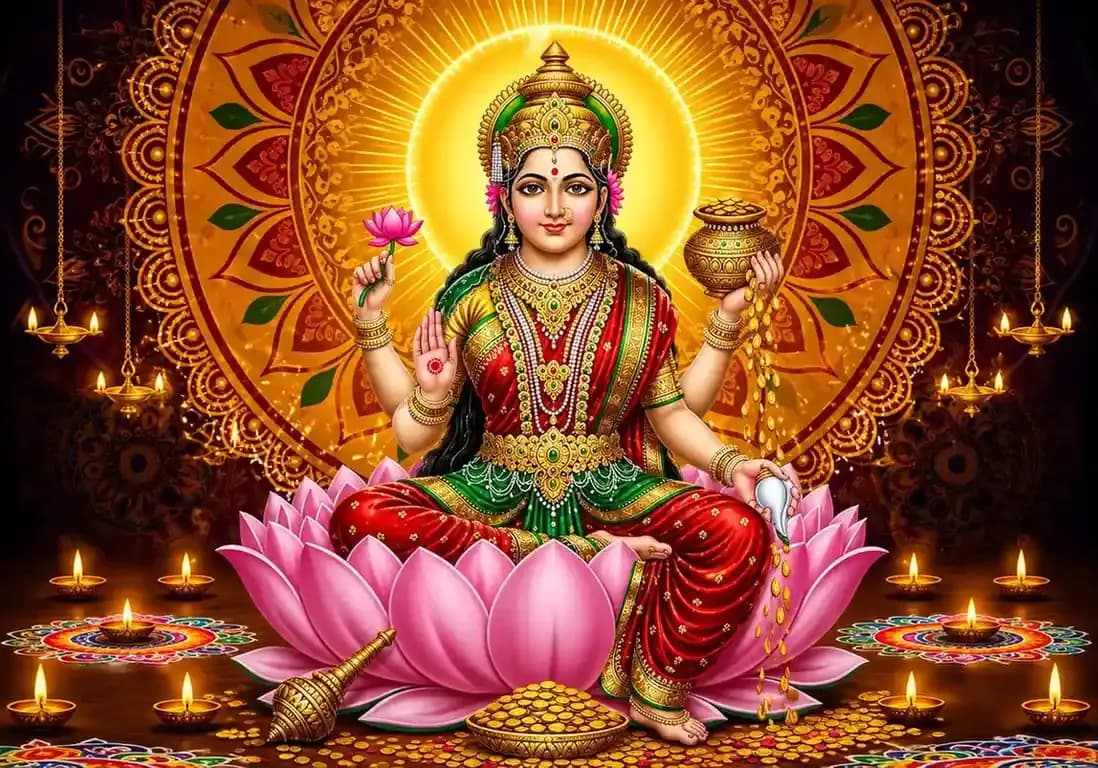
Karwa Chauth 2026 falls on Thursday 5 November 2026. City-wise moonrise timings (India + NRI markets), nirjala vrat rules, Veeravati vrat katha, complete puja vidhi, samagri list, and NRI observance guide.
Karwa Chauth 2026 falls on Thursday, 5 November 2026. The most iconic marital vrat in North Indian Hindu tradition — married women observe a nirjala fast from sunrise until the moonrise, praying for their husband's long life. This guide covers the verified date, city-wise moonrise timings for India + NRI markets, the traditional Vrat Katha, complete Puja Vidhi, samagri list, and modern celebration ideas.
Quick Answer
Karwa Chauth 2026: Thursday, 5 November 2026.
Chaturthi tithi begins: Wed 4 Nov 2026, ~10:00 PM IST (approx).
Chaturthi tithi ends: Thu 5 Nov 2026, ~7:00 PM IST.
Sargi (pre-dawn meal): Thu 5 Nov, before sunrise (~5:30 AM IST).
Vrat begins: Thu 5 Nov, sunrise (~6:30 AM IST).
Puja Muhurat (evening): ~5:30 PM to 7:00 PM IST.
Chandrodaya (moonrise, Delhi): ~8:15 PM IST on 5 Nov 2026 (varies ±20 min by city).
City-wise Moonrise (India, 5 November 2026 — approximate)
Delhi ~8:15 PM • Mumbai ~8:40 PM • Kolkata ~7:50 PM • Chennai ~8:35 PM • Bengaluru ~8:35 PM • Hyderabad ~8:25 PM • Jaipur ~8:20 PM • Lucknow ~8:05 PM • Ahmedabad ~8:35 PM • Pune ~8:40 PM • Chandigarh ~8:15 PM • Bhopal ~8:20 PM.
Verify with your regional Panchang; times shift ±5 min year-over-year based on lunar precession.
City-wise Moonrise for NRI markets
- USA — New York/NJ (Eastern): Thu 5 Nov 2026, evening — check local moonrise ~5:15 PM ET (very early!).
- USA — Chicago (Central): Local moonrise ~4:15 PM CT.
- USA — Bay Area (Pacific): Local moonrise ~4:00 PM PT.
- UK — London: Local moonrise ~4:15 PM GMT.
- Canada — Toronto: ~5:00 PM ET.
- UAE — Dubai: ~5:30 PM Gulf.
- Singapore: ~6:15 PM SGT.
- Australia — Sydney: ~7:45 PM AEDT (Fri 6 Nov local due to timezone; India's Thu 5 Nov evening).
NRI families: verify local moonrise with timeanddate.com moonrise calculator for your exact city. The vrat is observed on Thu 5 Nov in India date; break fast at YOUR local moonrise even if it falls on Fri Nov 6 in Sydney/Auckland.
The Vrat — Nirjala Fasting Rules
- Sargi (Thu 5 Nov, before sunrise): Traditional pre-dawn meal given by the mother-in-law — fenia (sweet vermicelli), fruits, dry fruits, mathri, coconut water. Eat heavily as it sustains 14+ hours.
- Fast: Nirjala (no food, no water) from sunrise until moonrise sighting.
- Evening puja: ~5:30-7 PM — Karwa Chauth puja with story reading + karva/lota worship.
- Chandra Darshan (moonrise): Wait for the moon to appear. Sight moon through a sieve (chalni).
- Break-fast ritual: Look at moon through sieve, then at husband's face through same sieve. Husband gives first sip of water + first bite of food.
Health note: Pregnant women, nursing mothers, diabetics, and those on medication should follow modified fasting (phalahar / water). Traditional practice does not require rigid nirjala for those it may harm.
The Karwa Chauth Vrat Katha (traditional)
The most-narrated Karwa Chauth katha is the story of Queen Veeravati (also called Karva in some traditions). Long ago, Veeravati had seven loving brothers and was newly married. She kept the Karwa Chauth vrat with such rigour that by evening she grew faint from thirst. Her brothers, unable to bear their sister's suffering, secretly tricked her — they hung a lamp on a peepal tree in the distance and showed it to her, saying the moon had risen. Veeravati, believing them, broke her fast before actual moonrise.
The moment she took her first sip, news arrived that her husband had died. Devastated, Veeravati refused to cremate his body and prayed to Goddess Parvati. Parvati appeared and revealed the trickery. Veeravati observed the next 12 monthly Chaturthi fasts with pure devotion, and on the following Karwa Chauth she performed the vrat with complete adherence. Her husband was restored to life.
The moral: the vrat must be completed with full sincerity, and only true moonrise breaks the fast. This story is read aloud every evening puja.
Puja Vidhi
- Bathe by 5 PM; wear new clothes (traditionally red or maroon — solah shringar).
- Prepare puja thali: karva (small clay/metal pot), lota with water, roli, akshat, mehndi, sindoor, sweets, fruits, ghee diya, matthi, incense.
- Draw Karwa Chauth murtis (Karva Mata, Shiva-Parvati-Kartikeya-Ganesha) on the puja wall using kumkum/turmeric — or use a printed image.
- Light diya. Offer flowers, akshat, sindoor, mehndi.
- Recite the Karwa Chauth Vrat Katha (see above) aloud.
- Perform aarti with the community of women (traditional to gather with neighbors/family).
- Wait for chandrodaya (moonrise). Bring the puja thali outside.
- Sight moon through chalni (sieve) — then husband's face through same chalni.
- Husband gives first sip of water and first bite of food from the thali.
- Distribute prasad; touch elders' feet for blessings.
Samagri (items) checklist
- Karva — small clay or metal pot (traditional; kept year to year)
- Lota with water
- Chalni (sieve) — for moon + husband viewing
- Puja thali: roli, akshat, mehndi, sindoor, kajal, bindi, bangles
- Sweets — mathri, gujiya, fenia (for sargi)
- Ghee diya + wicks
- Incense sticks
- Fruits + dry fruits (for sargi and prasad)
- 16 solah shringar items (bangles, bindi, mangalsutra, etc.)
- Photo/print of Karva Mata + Shiva-Parvati
- Red or maroon saree/lehenga
Modern Celebration Ideas
- Group puja with 8-10 women friends — recite katha together, share sargi ideas
- Themed mehndi (Radha-Krishna, Shiva-Parvati) — book professional henna artist
- Karwa Chauth video-call for long-distance couples (husband in different city/country) — moon-viewing over WhatsApp/FaceTime works
- NRI community: many temples in USA/UK/Canada host group puja + prasad
- Elder-friendly modified fast: phalahar (fruits + milk) if nirjala is unsafe
Karwa Chauth for NRI Families
The vrat is observed by the India date — Thu 5 November 2026 — regardless of your timezone. Break fast at YOUR local moonrise time. In USA/Canada, moonrise on 5 Nov is late afternoon (4-5 PM local), so the fasting window is shorter (~10-11 hours) than India's ~14 hours. In UAE/Singapore, similar to India timing. In Sydney/Melbourne, moonrise on 5 Nov IST corresponds to your Fri 6 Nov early evening — some communities defer the vrat to Fri 6 Nov local for practical timing. Follow your family tradition.
Related: Karwa Chauth city-wise moonrise details • Hindu Vrat Guide 2026 for Busy Professionals Abroad.
You might also like

Rama Ekadashi 2026: Date, Vrat Katha, Puja Vidhi & Significance

Navratri 2026 USA: Dates, Garba, Dandiya, Durga Puja & NRI Celebration Guide

Champa Shashthi 2026: Date, Khandoba Worship & Jejuri's Golden Festival