


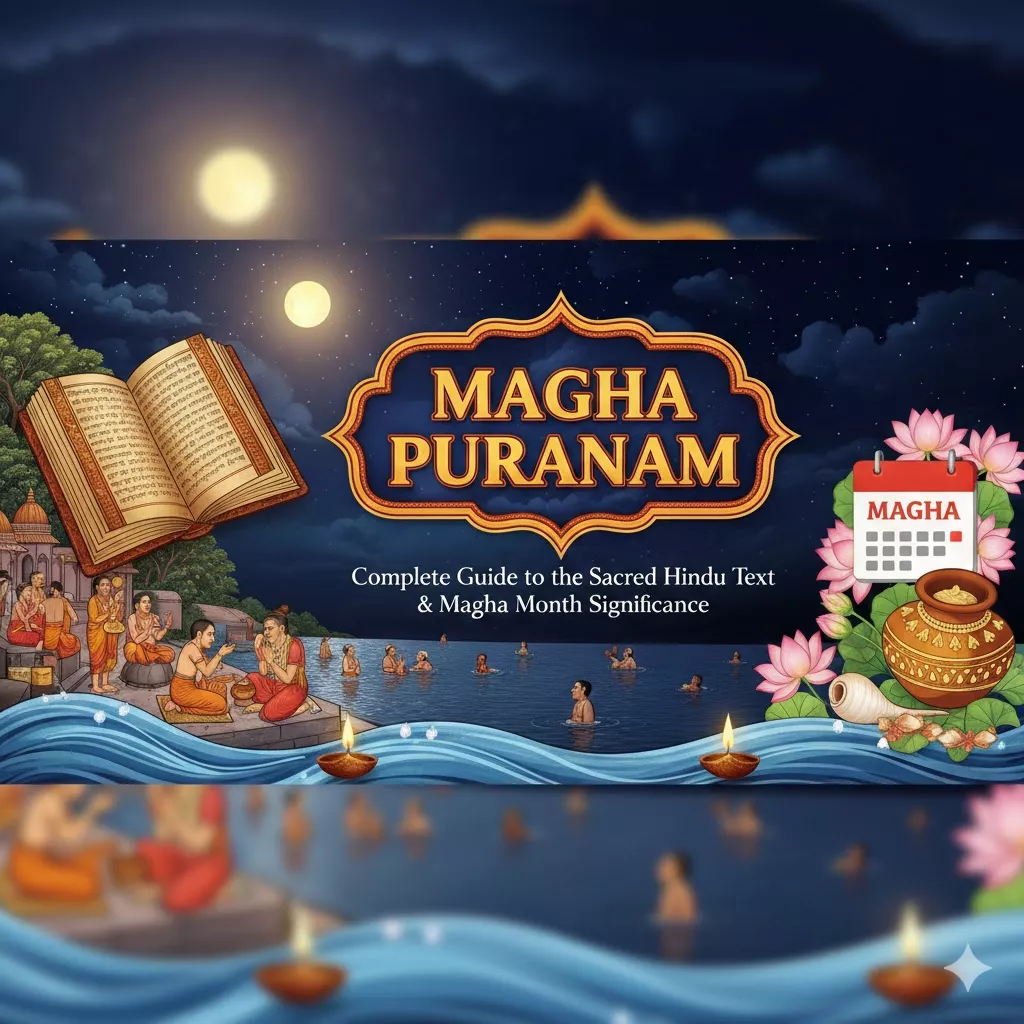

Magha Masam: Sacred Significance and Spiritual Importance in Hindu Culture

Magha Masam: Sacred Significance and Spiritual Importance in Hindu Culture
Introduction to Magha Masam
Magha Masam, also known as Magh Maas or Magha month, holds profound spiritual significance in the Hindu calendar. Falling between mid-January and mid-February in the Gregorian calendar, this auspicious month is considered one of the holiest periods for religious observances, rituals, and spiritual practices. For devout Hindus worldwide, Magha Masam represents a time of purification, ancestral reverence, and divine connection.
When is Magha Masam Celebrated?
Magha Masam is the eleventh month in the traditional Hindu lunar calendar, though it appears as the tenth month in certain regional calendars. The month typically begins when the sun enters the zodiac sign of Aquarius (Kumbha Rashi) and coincides with the full moon in the Magha nakshatra (lunar mansion). In 2026, Magha Masam falls approximately between January 13 and February 11.
Religious and Spiritual Significance
Connection to Lord Vishnu and Surya
Magha Masam is particularly sacred to Lord Vishnu and Surya (the Sun God). According to Hindu scriptures, including the Bhavishya Purana and Padma Purana, any spiritual practice, charity, or religious observance performed during this month yields manifold benefits compared to other months. The month is believed to be especially dear to Lord Vishnu, making it an ideal time for devotion and worship.
Purification and Spiritual Cleansing
The name “Magha” is derived from the Sanskrit word meaning “magnificent” or “great.” This month is considered highly purifying for the mind, body, and soul. Hindus believe that performing sacred rituals and taking holy baths during Magha Masam can wash away sins accumulated over lifetimes and pave the path toward moksha (liberation).
Key Rituals and Observances During Magha Masam
Daily Holy Baths (Magha Snan)
One of the most important practices during Magha Masam is taking ritual baths in sacred rivers, particularly the Ganges, Yamuna, and at the confluence (Sangam) at Prayagraj. Devotees wake up before sunrise and immerse themselves in holy waters while chanting mantras and prayers. This practice, known as Magha Snan, is believed to:Purify the soul and remove negative karmaBring spiritual merit and divine blessingsEnhance meditation and spiritual awarenessPromote physical and mental well-being
Charity and Dana (Donations)
Magha Masam emphasizes the importance of charity and selfless giving. Devotees are encouraged to donate food, clothes, money, blankets, and other essentials to the needy. Common forms of charity include:Annadana (food donation)Vastradana (donating clothes and blankets, especially during winter)Godana (donating cows)Tilodaka (offering sesame seeds and water)Such acts of generosity during this sacred month are believed to bring prosperity and spiritual advancement.
Fasting and Austerities
Many Hindus observe partial or complete fasts during Magha Masam, particularly on auspicious days like Mondays, Thursdays, and full moon days. Common fasting practices include:Abstaining from grains and consuming only fruits and milkFollowing a sattvic (pure vegetarian) dietAvoiding onion, garlic, and non-vegetarian foodObserving complete silence (mouna vrata) on certain days
Ancestor Worship (Pitru Tarpan)
Magha Masam is highly significant for performing rituals to honor ancestors. The practice of Pitru Tarpan involves offering water, sesame seeds, and prayers to departed souls. This is especially important on Magha Amavasya (new moon day), when special ceremonies help ancestors attain peace and grant blessings to living descendants.
Important Festivals and Days in Magha Masam
Magha Purnima (Full Moon Day)
Magha Purnima is one of the most auspicious days of the month. Millions of devotees gather at sacred rivers and pilgrimage sites to take holy dips. At Prayagraj, this day witnesses the largest gathering during the Magh Mela, a month-long religious festival. Taking a bath on Magha Purnima is considered extremely meritorious and spiritually transformative.
Magha Amavasya (New Moon Day)
Also known as Mauni Amavasya in some regions, this day is dedicated to ancestor worship. Devotees perform tarpan rituals, offer charitable donations, and observe fasts to honor their forefathers. It’s believed that ancestors descend to earth during this time to receive offerings from their descendants.
Ratha Saptami
Falling on the seventh day of the bright fortnight in Magha Masam, Ratha Saptami commemorates the birth of Surya Dev (Sun God). Devotees worship the Sun with special prayers and rituals, seeking health, prosperity, and spiritual illumination.
Bhishma Ashtami
This day honors Bhishma Pitamaha from the Mahabharata, who chose to leave his mortal body during Magha Masam on the auspicious occasion of Uttarayana (sun’s northern journey). Devotees remember his devotion and sacrifice through prayers and rituals.
Regional Celebrations and Customs
North India
In northern states like Uttar Pradesh, Bihar, and Uttarakhand, devotees flock to the Ganges and participate in the Magh Mela at Prayagraj. Daily morning baths, temple visits, and charitable activities are common practices.
South India
In Tamil Nadu and other southern states, Magha Masam includes special pujas at temples, recitation of sacred texts, and elaborate feeding ceremonies for Brahmins and the poor.
Eastern India
In West Bengal and Odisha, devotees observe Maghi Purnima with great reverence, performing rituals at riverbanks and temples dedicated to Lord Jagannath and other deities.
Western India
In Maharashtra and Gujarat, people celebrate with community gatherings, bhajans (devotional songs), and charitable activities organized by temples and spiritual organizations.
Spiritual Benefits of Observing Magha Masam
According to Hindu scriptures and spiritual teachers, sincere observance of Magha Masam rituals can lead to:Spiritual Evolution: Enhanced meditation, devotion, and self-realizationKarmic Purification: Reduction of negative karma and spiritual obstaclesAncestral Blessings: Peace for departed souls and protection for the family lineageMaterial Prosperity: Abundance and success in worldly endeavorsDivine Grace: Closer connection with the divine and sacred energiesHealth and Longevity: Physical vitality and mental peace
Modern Observance and Contemporary Relevance
In today’s fast-paced world, many Hindus adapt traditional Magha Masam practices to suit modern lifestyles while maintaining the spiritual essence. This includes:Visiting nearby temples or sacred water bodies when pilgrimage isn’t possibleDonating to charitable organizations and NGOsPracticing meditation and yoga at homeReading sacred texts like the Bhagavad Gita and RamayanaOrganizing community feeding programs and social service activitiesThe underlying principles of self-purification, compassion, and spiritual discipline remain as relevant today as in ancient times.
Conclusion
Magha Masam represents a golden opportunity for spiritual growth, self-reflection, and divine connection in the Hindu tradition. Through sacred baths, charitable deeds, fasting, and devotional practices, devotees seek to purify their consciousness and align themselves with higher spiritual values. Whether observed through traditional rituals at sacred rivers or through adapted practices in contemporary settings, the essence of Magha Masam continues to inspire millions of Hindus worldwide to walk the path of dharma, devotion, and selfless service.By understanding and honoring the significance of this sacred month, we connect with an ancient spiritual heritage that emphasizes the eternal principles of purity, compassion, and devotion to the divine.
For More Devotional Journey, Follow
- Temples
https://hindutone.com/temples/ - Tirumala Updates
https://hindutone.com/tirumala/ - Sabarimala Yatra
https://hindutone.com/category/sabarimala-yatra/ - Pooja, Slokas & Mantras
https://hindutone.com/pooja-slokas-and-mantras/ - Hindu Gods
https://hindutone.com/hindu-gods/
Related posts:
 Nag Panchami 2025: Myths, Milk, and Modern Lessons on Biodiversity
 Margashirsha Masam 2025: Complete Guide for USA Hindus
 Utpanna Ekadashi 2025: A Divine Celebration for Hindus in the USA
 Dhanurmasa 2025 Monday Rituals for Hindu Americans
 Vaikuntha Ekadashi in Switzerland: Complete Vishnu Temple Guide for 2025–2026
 Vaikuntha Ekadashi Australia 2025 – Complete Guide for Sydney, Melbourne, Brisbane & Perth


 ︎
︎

