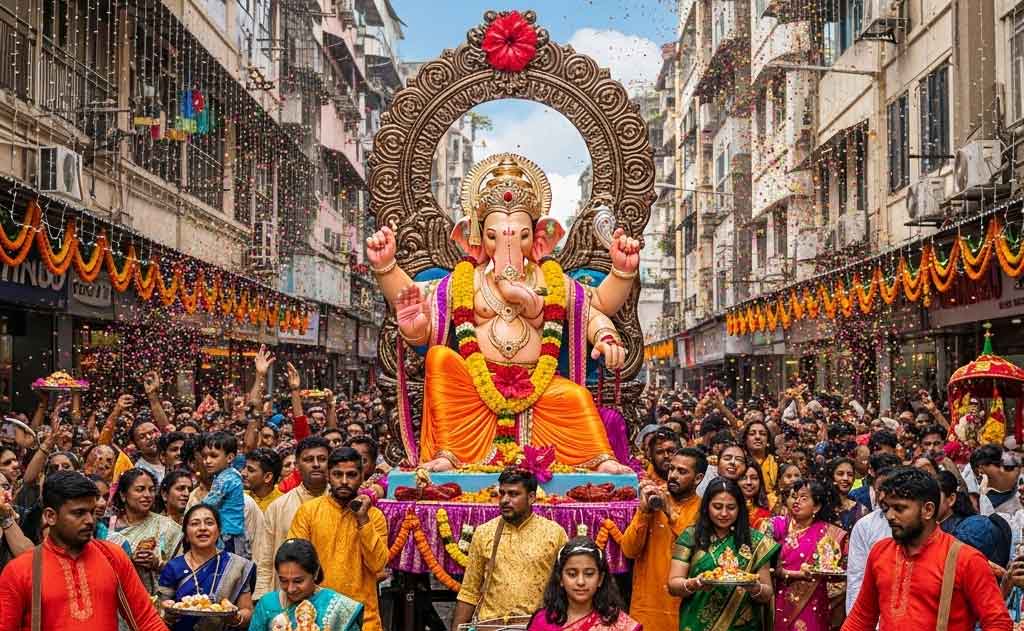
Maha Shivaratri 2026: Complete Guide to Dates, Rituals, Mantras & Spiritual Significance

When is Maha Shivaratri 2026? - Date & Timings Maha Shivaratri 2026 will be celebrated on Sunday, February 15, 2026, marking one of the most auspicious nights in the Hindu calendar.
When is Maha Shivaratri 2026? - Date & Timings
Maha Shivaratri 2026 will be celebrated on Sunday, February 15, 2026, marking one of the most auspicious nights in the Hindu calendar. This sacred festival dedicated to Lord Shiva falls on the Chaturdashi Tithi (14th lunar day) during Krishna Paksha (waning moon phase) in the month of Phalguna.
Important Timings for Maha Shivaratri 2026:
Chaturdashi Tithi:
- Begins: 5:04 PM on February 15, 2026
- Ends: 5:34 PM on February 16, 2026
Nishita Kaal Puja (Most Auspicious Time):
- 12:09 AM to 12:59 AM on February 15th
Parana (Fast Breaking) Time:
- 6:43 AM to 3:33 PM on February 16, 2026
Four Prahars for Night-Long Worship:
- First Prahar: Evening to Late Evening
- Second Prahar: Late Evening to Midnight
- Third Prahar: Midnight to Early Morning
- Fourth Prahar: Early Morning to Sunrise
What is Maha Shivaratri? - The Great Night of Shiva
Maha Shivaratri translates to "The Great Night of Shiva" - a night of profound spiritual significance when devotees honor Lord Shiva, the Supreme Being and destroyer of evil. Unlike festive Hindu celebrations, Maha Shivaratri is observed through devotion, meditation, fasting, and all-night vigil.
Spiritual Significance & Importance of Maha Shivaratri
Divine Union of Shiva and Parvati
Maha Shivaratri marks the divine union of Lord Shiva and Goddess Parvati, representing the perfect balance between consciousness (Shiva) and energy (Shakti). This celestial marriage symbolizes the convergence of masculine and feminine energies that sustain the universe.
The Night Shiva Saved the Universe
Lord Shiva consumed the deadly poison (Halahala) during the churning of the ocean (Samudra Manthan) to save the universe. The poison turned his throat blue, earning him the name Neelkanth. This selfless act demonstrates Shiva's compassion and power.
The Cosmic Dance - Tandava
Lord Shiva performed a cosmic dance called the Rudra Tandav, the divine dance of creation, preservation, and destruction. This cosmic rhythm maintains the eternal cycle of the universe.
Manifestation as Lingodbhava
On this sacred night, Shiva manifested as an infinite pillar of fire (Jyotirlinga), symbolizing the beginning and end of all existence. This form represents the formless Supreme Reality.
Night of Spiritual Awakening
The placement of Earth's northern hemisphere during Maha Shivaratri creates a unique natural phenomenon where energies rise upward naturally, making it the most conducive time for meditation, spiritual practices, and achieving higher consciousness.
Maha Shivaratri Vrat (Fasting) Guidelines
Fasting on Maha Shivaratri purifies the body, mind, and soul, helping devotees maintain focus on Lord Shiva and attain spiritual elevation.
Types of Fasts:
1. Nirjala Vrat (Complete Fast) The strictest form where devotees abstain from both food and water throughout the day and night.
2. Phalahar Vrat (Fruit Fast) Devotees consume only fruits, milk, water, and non-grain foods during the fast.
3. Ek Bhukt Vrat (Single Meal) Eating only once during the day, preferably before sunset.
How to Observe the Fast:
- Wake up before sunrise and take a holy bath (adding black sesame seeds to water is auspicious)
- Wear clean, preferably white or saffron clothes
- Visit a Shiva temple or prepare a sacred space at home
- Avoid grains, pulses, salt, and regular cooked food
- Maintain celibacy and purity of thoughts
- Stay awake throughout the night in prayer and meditation
- Break the fast only after sunrise on the next day, after morning prayers
Maha Shivaratri Puja Vidhi (Ritual Procedure)
Morning Rituals:
- Sankalp (Sacred Resolution): Take a vow to observe the fast with devotion
- Holy Bath: Cleanse yourself physically and spiritually
- Temple Visit: Visit a Shiva temple or prepare home altar
Shiva Lingam Abhishekam (Sacred Bathing):
Perform abhishekam during each of the four prahars with these sacred offerings:
- Milk: Symbolizes purity and nourishment
- Honey: Represents sweetness and devotion
- Yogurt (Curd): Signifies prosperity and abundance
- Ghee (Clarified Butter): Denotes strength and vitality
- Sugar/Jaggery: Brings sweetness into life
- Water: Represents calmness and clarity
Offerings (Prasad) to Lord Shiva:
- Bel (Wood Apple) leaves - Most sacred to Shiva
- White flowers - Lotus, jasmine, marigold
- Bilva Patra (sets of three leaves)
- Dhatura flowers and fruits
- Fresh fruits and sweets
- Incense sticks and camphor
- Rudraksha beads
- White sandalwood paste
Night-Long Jagran (Vigil):
Keeping vigil all night is symbolic of overcoming darkness (ignorance) and staying awake in consciousness. Devotees should:
- Chant Shiva mantras continuously
- Sing devotional bhajans and kirtans
- Read Shiva Purana and sacred texts
- Meditate on Lord Shiva's form
- Listen to spiritual discourses
Powerful Maha Shivaratri Mantras
1. Om Namah Shivaya (Panchakshari Mantra)
ॐ नमः शिवाय
The most powerful five-syllable mantra that means "I bow to Shiva." Chant this mantra 108 times or continuously throughout the night.
2. Maha Mrityunjaya Mantra
ॐ त्र्यम्बकं यजामहे सुगन्धिं पुष्टिवर्धनम् । उर्वारुकमिव बन्धनान् मृत्योर्मुक्षीय मामृतात् ॥
Translation: "We worship the three-eyed One (Lord Shiva), who is fragrant and nourishes all beings. May He liberate us from death for the sake of immortality, just as the ripe cucumber is severed from its bondage."
This mantra protects from untimely death, diseases, and negative energies.
3. Shiva Gayatri Mantra
ॐ तत्पुरुषाय विद्महे महादेवाय धीमहि । तन्नो रुद्रः प्रचोदयात् ॥
Translation: "We meditate on the great Purusha (Supreme Being), we contemplate on Mahadeva. May Lord Rudra inspire and illumine our minds."
4. Shiva Dhyana Mantra
करचरणकृतं वाक् कायजं कर्मजं वा श्रवणनयनजं वा मानसंवापराधं । विहितं विहितं वा सर्व मेतत् क्षमस्व जय जय करुणाब्धे श्री महादेव शम्भो ॥
This mantra seeks forgiveness for all sins committed knowingly or unknowingly.
5. Simple Shiva Mantras for Continuous Chanting:
- ॐ शिवाय नमः (Om Shivaya Namah)
- हर हर महादेव (Har Har Mahadev)
- जय शिव शंकर (Jai Shiv Shankar)
- ॐ नमो भगवते रुद्राय (Om Namo Bhagavate Rudraaya)
Maha Shivaratri Benefits - Why Observe This Sacred Night?
Spiritual Benefits:
- Moksha (Liberation): The most auspicious night to attain spiritual liberation
- Inner Awakening: Natural energy surge facilitates deeper meditation
- Karma Cleansing: Washes away past sins and negative karma
- Consciousness Elevation: Helps transcend limited physical existence
Material Benefits:
- Marriage Blessings: Unmarried devotees pray for ideal life partners
- Marital Harmony: Couples seek blessings for lasting love and harmony
- Health & Prosperity: Protection from diseases and material success
- Obstacle Removal: Lord Shiva removes all hindrances in life
Mental & Emotional Benefits:
- Peace of mind and emotional stability
- Freedom from fear and anxiety
- Enhanced willpower and determination
- Mental clarity and wisdom
Shiva Aarti for Maha Shivaratri
ॐ जय शिव ओंकारा, स्वामी जय शिव ओंकारा। ब्रह्मा, विष्णु, सदाशिव, अर्धांगी धारा॥ ॐ जय शिव ओंकारा॥
एकानन चतुरानन पंचानन राजे। हंसासन गरुड़ासन वृषवाहन साजे॥ ॐ जय शिव ओंकारा॥
Sing this melodious aarti during evening and morning prayers to invoke Lord Shiva's presence.
Difference Between Masik Shivratri & Maha Shivaratri
Masik Shivratri:
- Occurs every month on Chaturdashi Tithi
- Regular monthly observance
- Smaller scale celebrations
- Monthly spiritual practice
Maha Shivaratri:
- Happens once a year in Phalguna month
- Most significant Shivratri of the year
- Grand celebrations with all-night vigil
- Commemorates the divine marriage of Shiva and Parvati
- Greatest spiritual potency
Temples to Visit on Maha Shivaratri 2026
In India:
- Kashi Vishwanath Temple, Varanasi - One of the twelve Jyotirlingas
- Somnath Temple, Gujarat - First among the Jyotirlingas
- Kedarnath Temple, Uttarakhand - Sacred Himalayan shrine
- Mahakaleshwar Temple, Ujjain - Famous for Bhasma Aarti
- Rameshwaram Temple, Tamil Nadu - Southern Jyotirlinga
- Amarnath Cave, Jammu & Kashmir - Natural ice Shiva Lingam
Global Celebrations:
- Pashupatinath Temple, Nepal: Witnesses grand festivities as thousands of pilgrims gather
- Mauritius, Fiji, Trinidad: Hindu communities observe with great devotion
- Shiva temples worldwide conduct special ceremonies
Foods to Consume During Shivaratri Vrat
Permitted Foods (Phalahar):
- Fresh fruits (bananas, apples, pomegranates)
- Dry fruits (almonds, cashews, raisins)
- Milk and milk products
- Coconut water and juice
- Sabudana (tapioca) preparations
- Singhara (water chestnut) flour dishes
- Potatoes (boiled or in specified preparations)
- Rock salt (sendha namak)
Foods to Avoid:
- Regular salt
- Grains (rice, wheat, barley)
- Pulses and lentils
- Onion and garlic
- All cooked foods with regular spices
Scientific & Yogic Perspective
From a yogic standpoint, Shiva is known as the Adi Guru - the first yoga teacher. Maha Shivaratri represents the night when Shiva attained absolute stillness and transcended physical limitations.
The unique planetary alignment on this night creates favorable conditions for:
- Spinal energy rising naturally
- Enhanced meditation depth
- Awakening of dormant spiritual potential
- Activation of higher chakras
Staying awake and sitting upright throughout the night helps harness this natural cosmic energy surge.
Tips for First-Time Observers
- Start with Phalahar Vrat if complete fasting seems difficult
- Stay in company of other devotees for motivation
- Prepare your body a few days in advance with light meals
- Keep yourself engaged in devotional activities throughout the night
- Stay hydrated if observing Phalahar vrat
- Avoid sleep during the day before Shivaratri
- Create a sacred space at home with proper ambiance
- Join online satsangs if unable to visit temples
Maha Shivaratri 2026 - A Divine Opportunity
Maha Shivaratri 2026, falling on Sunday, February 15, is a divine opportunity to seek Lord Shiva's blessings, practice devotion, and attain inner peace. This sacred night transcends religious boundaries and offers spiritual seekers a unique chance to experience higher states of consciousness.
Whether you observe through rigorous fasting, temple visits, mantra chanting, or quiet meditation at home, the essence remains the same - connecting with the divine consciousness that Lord Shiva represents.
Conclusion - Embrace the Grace of Shiva
As we approach Maha Shivaratri 2026, let us prepare ourselves physically, mentally, and spiritually to make the most of this auspicious night. Through devotion, discipline, and dedication, we can invoke Lord Shiva's blessings and experience transformation in consciousness.
Remember, Maha Shivaratri is not just about rituals and observances - it's about awakening the Shiva consciousness within ourselves. It's about overcoming our inner darkness, transcending limitations, and realizing our true infinite nature.
Om Namah Shivaya! Har Har Mahadev!
May Lord Shiva bless you with peace, prosperity, and spiritual enlightenment on Maha Shivaratri 2026 and always.
Share this comprehensive guide with fellow devotees and help spread the divine knowledge of Maha Shivaratri!
You might also like
Telugu Hanuman Jayanti 2026 Today: Grand Celebrations Across Telangana & Andhra Pradesh on May 12
Om Namah Shivaya: Meaning, Benefits & Chanting
Sita Navami 2026: Date, Muhurat, Puja Vidhi, Story of Mata Sita & Complete Vrat Guide