

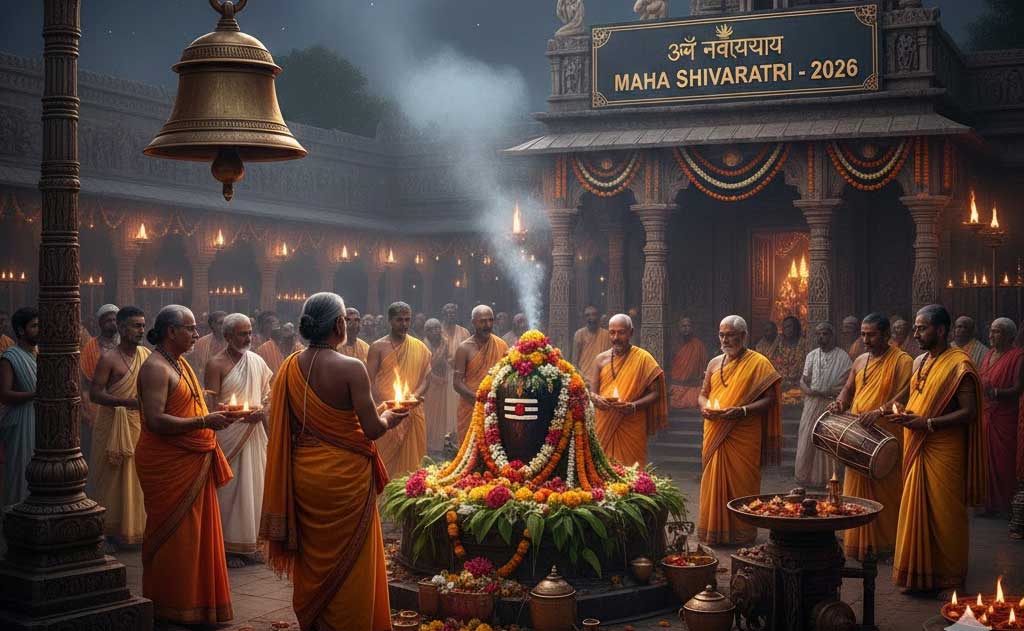

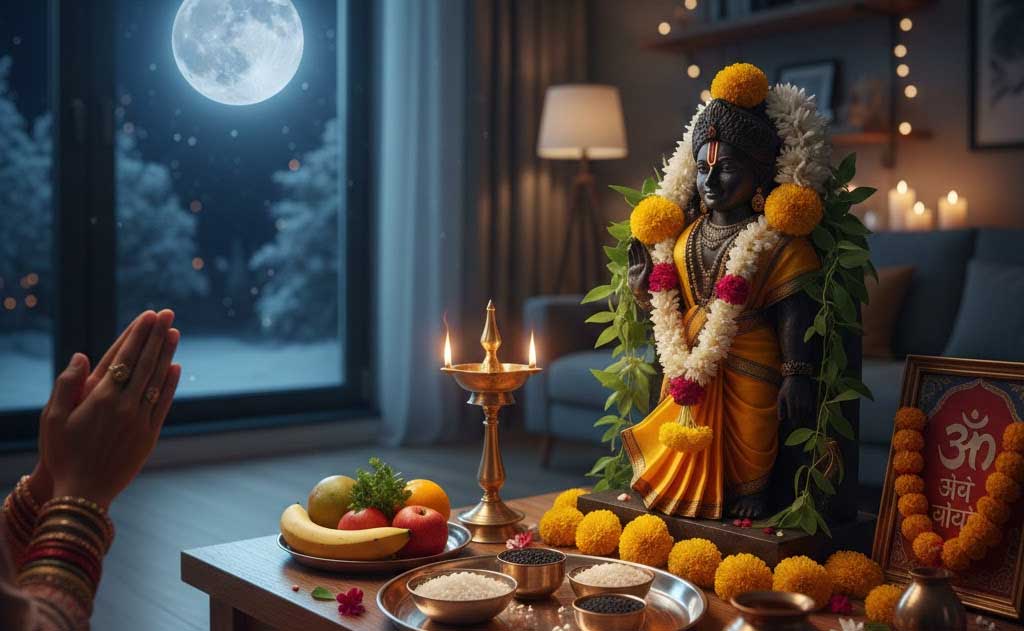
Maha Shivaratri 2026 Fasting Rules & Benefits
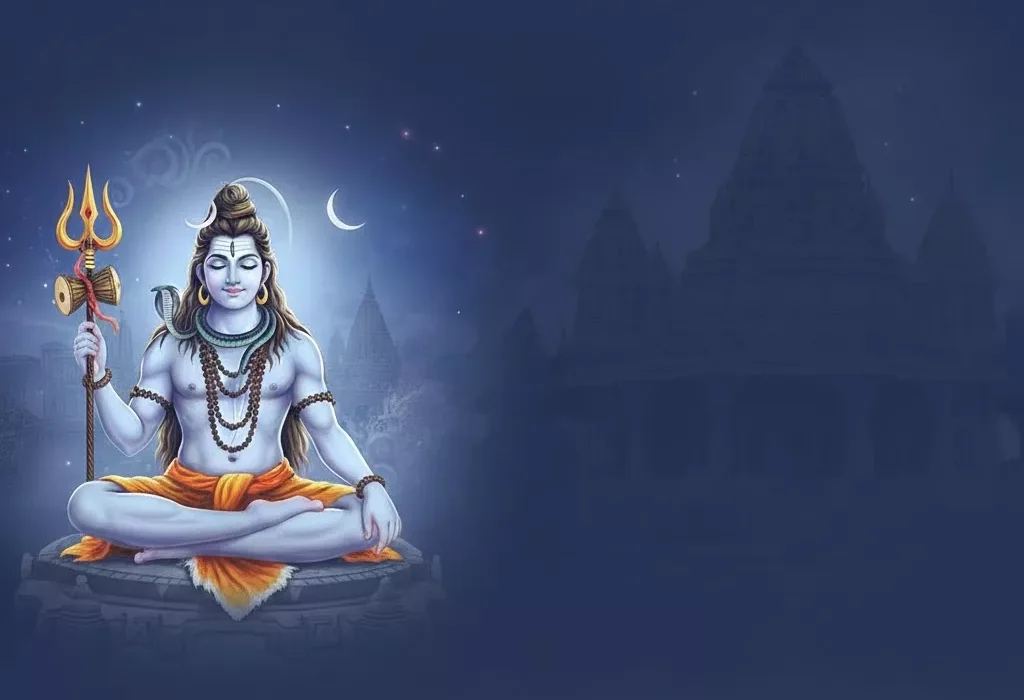
An Invitation to Divine Grace on the Sacred Night of Shiva
As the sacred night of Maha Shivaratri approaches, a quiet call arises from within the hearts of devotees. It is not a call of obligation, but of grace—a gentle reminder that Lord Shiva, the compassionate Mahadeva, offers every soul an opportunity to pause, purify, and reconnect.
Fasting on Maha Shivaratri is not about punishment of the body or rigid discipline. It is an act of loving surrender, a conscious offering of restraint, faith, and devotion at the lotus feet of Shiva. The Shiva Purana declares that even the simplest fast, when observed with sincerity on Shivaratri, pleases Lord Shiva more than elaborate rituals performed without devotion.
This comprehensive devotional guide for www.hindutone.com presents Maha Shivaratri 2026 Fasting Rules & Benefits in a compassionate, practical, and spiritually elevating manner—rooted in Sanatana Dharma, guided by Shiva Purana and Dharma Shastras, and adapted thoughtfully for modern devotees.
Sit quietly, take a deep breath, and let us walk together on this sacred path of vrat (vow), discipline, and divine grace.
Maha Shivaratri 2026 Date: Remembering the Sacred Time
Before understanding the fasting rules, it is important to anchor ourselves in the sacred time.
- Maha Shivaratri 2026 Date: Sunday, 15 February 2026
- Tithi: Krishna Paksha Chaturdashi (Magha month)
According to the Hindu Panchang, fasting begins at sunrise on Shivaratri day and concludes after completing the night-long worship and morning puja on the next day.
The Shiva Purana emphasizes that fasting on this specific lunar night multiplies spiritual merit many times over, as cosmic energies naturally support self-restraint and meditation.
The Spiritual Meaning of Fasting on Maha Shivaratri
In Dharma Shastras, fasting is called Upavasa—literally meaning “to stay close to the Divine.”
On Maha Shivaratri, fasting is prescribed not merely to abstain from food, but to:
- Reduce physical indulgence
- Calm the restless mind
- Redirect energy toward Shiva-consciousness
Lord Shiva is known as Ashutosh—easily pleased. He does not seek austerity for suffering’s sake. Instead, He blesses the devotee who fasts with humility, balance, and devotion.
Maha Shivaratri 2026 Fasting Rules (As per Shastras)
The Shiva Purana and Dharma Shastras outline flexible yet disciplined fasting rules, accommodating devotees of different capacities.
Core Principle
Bhava (intent) matters more than bhoga (food).
Let us explore the accepted fasting methods.
Types of Shivaratri Vrat 2026
1. Nirjala Vrat (Complete Fast Without Water)
Nirjala vrat is the most austere form of fasting and is traditionally observed by spiritually advanced devotees.
Rules:
- No food and no water for 24 hours
- Complete celibacy
- Silence or minimal speech
- Continuous remembrance of Shiva
Shivaratri Nirjala Vrat Benefits:
- Deep karmic cleansing
- Strengthened willpower
- Rapid spiritual progress
Important Note:
Dharma Shastras advise that nirjala vrat should not be forced. Elderly devotees, pregnant women, people with medical conditions, or first-time observers should not attempt nirjala fasting.
Shiva’s compassion never demands self-harm.
2. Phalahar Vrat (Fruit and Milk Fasting)
This is the most widely observed and recommended fasting method for Maha Shivaratri 2026.
Allowed Foods:
- Fresh fruits
- Milk, curd, buttermilk
- Coconut water
- Dry fruits (almonds, dates, raisins)
- Honey (in moderation)
Spiritual Value:
Phalahar vrat keeps the body light, the mind calm, and the heart focused on devotion.
The Shiva Purana affirms that phalahar fasting with sincere chanting of “Om Namah Shivaya” grants equal merit to stricter fasts.
3. Partial Fasting (Ek Bhog or Light Sattvic Meal)
For devotees with health constraints or heavy responsibilities, partial fasting is fully acceptable.
Rules:
- One light sattvic meal during the day
- Avoid grains, pulses, onion, garlic
- Avoid tamasic foods entirely
This method allows participation in Shivaratri vrat 2026 without strain, honoring both dharma and health.
What to Eat on Shivaratri (Sattvic Food Guide)
Many devotees wonder what to eat on Shivaratri while maintaining purity.
Allowed Sattvic Foods
- Fruits (banana, apple, papaya, pomegranate)
- Milk, curd, paneer
- Sabudana (tapioca)
- Samak rice (vrat ke chawal)
- Singhara flour (water chestnut)
- Nuts and seeds
- Rock salt (sendha namak)
Simple Sattvic Recipes
- Sabudana khichdi (without onion)
- Fruit bowl with honey
- Milk with dates
- Singhara roti
- Coconut water with soaked almonds
These foods nourish the body gently while supporting spiritual focus.
Foods to Avoid on Maha Shivaratri
As per Dharma Shastras, the following should be strictly avoided:
- All grains (rice, wheat, lentils)
- Onion and garlic
- Meat, fish, eggs
- Alcohol and stimulants
- Leftover or reheated food
- Excess spices and oil
These foods increase rajas and tamas, disturbing mental clarity and devotion.
Mental Fasting: The Highest Form of Vrat
The Shiva Purana repeatedly reminds devotees that fasting is incomplete without mental discipline.
Mental Fasting Includes:
- Avoiding anger and harsh speech
- Controlling lust and greed
- Letting go of jealousy and pride
- Practicing forgiveness
- Maintaining inner silence
A devotee who eats fruits but harbors hatred gains less merit than one who eats a simple meal with a pure heart.
Health Benefits of Shivaratri Fasting
Modern science aligns beautifully with ancient wisdom.
Physical Benefits
- Digestive system rest
- Detoxification of body
- Improved metabolism
- Reduced inflammation
Mental Benefits
- Mental clarity
- Emotional stability
- Reduced anxiety
- Enhanced focus
The rhythm of fasting and vigil aligns the body with natural circadian and lunar cycles.
Spiritual Benefits of Maha Shivaratri Fasting
The spiritual rewards are far greater than physical gains.
According to Shiva Purana, fasting on Shivaratri:
- Removes sins of past births
- Weakens karmic bondage
- Grants peace and prosperity
- Brings devotees closer to Shiva
- Opens the path toward moksha
Shiva is called Bholenath because He blesses even the smallest effort when offered with love.
Stories of Devotees Who Benefited from Shivaratri Vrat
Hunter Suswara
Though he fasted unknowingly, Shiva accepted his vigil and fasting and granted liberation—showing that intent matters more than ritual perfection.
Goddess Parvati
Her Shivaratri fasts were acts of unwavering devotion, leading to divine union with Shiva.
These stories remind us that Shiva sees the heart, not the plate.
Night Vigil (Jagran) and Fasting
Fasting and night-long jagran go hand in hand.
Staying awake symbolizes:
- Victory of awareness over ignorance
- Devotion over comfort
- Consciousness over inertia
Even soft bhajans, mantra chanting, or silent meditation during the night enhances the vrat’s power.
How to Break the Shivaratri Fast (Parana Vidhi)
Breaking the fast properly is as important as observing it.
Correct Method:
- Take bath after sunrise
- Perform morning Shiva puja
- Offer food to Shiva first
- Break fast gently with fruits or milk
- Avoid overeating
The Dharma Shastras warn against breaking the fast abruptly or with heavy tamasic food.
Maha Shivaratri Fasting Tips for 2026
- Choose a vrat type suitable for your body
- Keep hydration balanced if not nirjala
- Chant “Om Namah Shivaya” regularly
- Avoid comparisons with others
- Remember Shiva’s compassion always
A Compassionate Reminder from Mahadeva
Lord Shiva is not impressed by suffering. He is moved by sincerity.
A single fruit eaten with gratitude, a single mantra uttered with devotion, a single tear shed in surrender—these reach Him faster than any rigid austerity.
If your body is weak, Shiva understands.
If your mind wavers, Shiva forgives.
If your devotion is imperfect, Shiva still accepts.
Conclusion: Fasting as a Path of Love, Not Fear
As Maha Shivaratri 2026 dawns, let us approach fasting not with anxiety, but with joy. Let it be an offering, not a burden.
May your vrat cleanse not just the body, but the heart.
May it soften your ego and strengthen your faith.
May Mahadeva walk beside you through this sacred night.
Because in the end, Shiva does not ask, “How strictly did you fast?”
He asks only, “How sincerely did you love?”
With devotion overflowing, let us bow to the eternal truth:
Har Har Mahadev
Om Namah Shivaya 
Related posts:
 Poli Swargam 2025: A Sacred Journey of Faith, Devotion, and Divine Light
 Vaikuntha Ekadashi 2025 in Germany: Complete Guide for German Hindus
 Vaikuntha Ekadashi & Moksha: Can One Day Truly Change Your Karma?
 Vaikunta Ekadashi Celebrations in New York: Temples, Events, Significance, Rituals & Guide for Devotees in 2025
 Makar Sankranti 2026: A Complete Celebration Guide for Hindu Americans
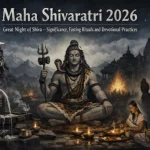 Maha Shivaratri 2026: Great Night of Shiva – Significance, Fasting Rituals and Devotional Practices



 ︎
︎

